

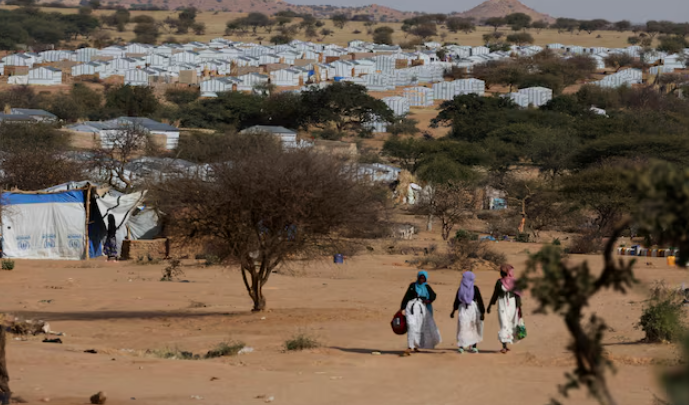
The UN Refugee Agency (UNHCR) and the International Organization for Migration (IOM) warned today, Friday 6 November 2026, that millions of displaced people and others affected by the war in Sudan face the risk of being left without emergency shelter and basic household items, amid a severe shortage of funding and dwindling relief stocks, in one of the largest displacement crises in the world.
In a joint statement, the two organisations said that some 15.4 million people in Sudan urgently need shelter assistance and basic household materials, but limited resources mean humanitarian actors can only prioritise around 10% of those in need.
According to the statement, only 936,000 people have so far received this assistance, revealing a large gap between the scale of humanitarian needs and the actual capacity to respond.
The warning comes more than three and a half years after the outbreak in April 2023 of the war between the Sudanese Army and the Rapid Support Forces, which has caused widespread displacement and destruction and has inflicted severe damage on homes, infrastructure and essential services.
Estimates cited by the two organisations indicate that around 8.6 million people remain displaced within Sudan, in addition to more than 4.6 million who have fled across borders, while more than 5.2 million have returned to their areas of origin, where many found their homes and essential facilities destroyed or damaged.
Return does not necessarily mean the end of the need for assistance; many families face difficulties rebuilding their homes and meeting their needs after months or years of displacement.
In a press briefing from Geneva, the head of the International Organization for Migration's mission in Sudan, Mohamed Rafat, speaking from Khartoum, described the deterioration in the capacity to deliver aid as available resources run out.
He explained that the organisation has distributed more than 40,000 tonnes of supplies this year, but its warehouses are now empty, warning that internal displacement could rise again even as some residents return to their areas.
He added that limited funding has forced humanitarian actors to scale back their response, so that only one in every ten people in need is now targeted, and even within this group, agencies have been able to reach only around 900,000 people.
The two organisations say that continued fighting, insecurity and drone attacks are causing additional displacement and hindering the movements of humanitarian workers, while damage to infrastructure and logistical difficulties further complicate the transport of supplies and the preparation of emergency stocks.
The shortage of shelter and basic supplies compounds the risks faced by displaced families, particularly women, children and the most vulnerable groups, who are exposed to harsh weather conditions, insecurity, and risks of violence and exploitation.
Those returning to their areas of origin, meanwhile, face a reality that is no less difficult than displacement, as a result of the destruction of homes and public facilities and the disruption of services.
The statement revealed that the 2026 Sudan Humanitarian Needs and Response Plan requires $2.9 billion to provide life-saving assistance to 20.4 million people, out of 33.7 million people in the country in need of humanitarian aid.
However, available funding has not exceeded around 47% of the total amount required, forcing humanitarian organisations to cut back essential services and concentrate their limited resources on the most urgent cases.
The UN Refugee Agency and the International Organization for Migration called for urgent and flexible funding that would allow relief stocks to be replenished, local relief organisations to be supported, and shelter materials and essential supplies to be provided to displaced and returning families.
They warned that continued delays in securing funding could leave more families without adequate shelter or basic living necessities in the coming months, at a time when the war continues to drive residents from their homes and deny many the possibility of a safe and stable return.


