


The Strait of Hormuz, one of the world's most important waterways, has witnessed unprecedented military escalation over the past few days. As US forces carry out several waves of precision air strikes on dozens of Iranian military sites along the southern coast, a decisive question emerges: what are the real objectives behind this intensive geographic focus? Is the United States actually paving the way for a limited ground operation, or is the aim confined to a naval and air blockade?
The Strait of Hormuz is a lifeline for the global economy, through which roughly 20-21% of global oil supplies and large quantities of liquefied natural gas pass. Since the beginning of July 2026, the strait has witnessed a series of attacks on commercial vessels, prompting Washington to respond with consecutive strikes targeting Iran's military infrastructure on the coast.
The Strategic Objectives Behind the "Blockade of the Iranian Coast"
The bombardment was not random; it focused precisely on the coastal strip from Bandar Abbas in the east to Chabahar, passing through Jask, Sirik, Qeshm, Abu Musa and Bushehr. This aims at three main objectives:
- Destroying an early-warning radar network: destroying coastal radars, surface-to-sea missile batteries, and drone launch sites that threaten navigation in the Strait of Hormuz.
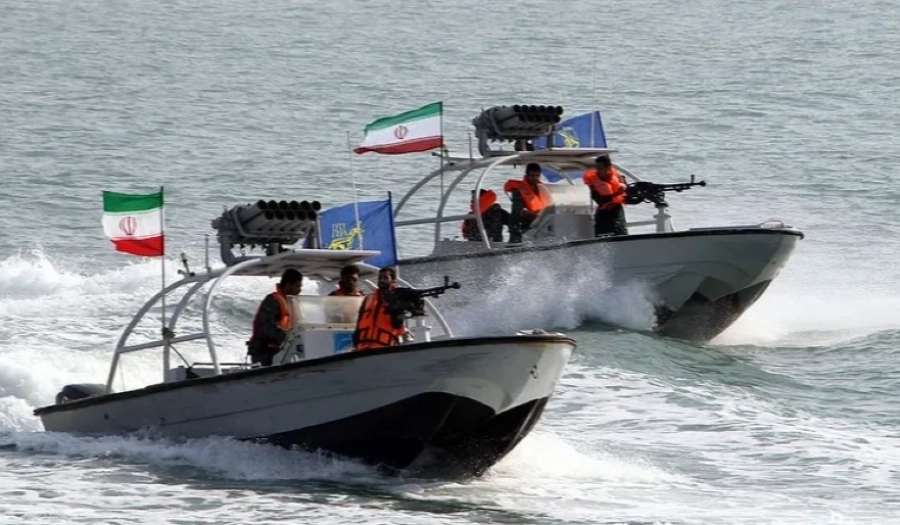
- Disabling mine-warfare and fast-boat capabilities: targeting Revolutionary Guard boats designated for laying mines and attacking ships, to ensure the flow of global oil (20% of global energy supplies).
- Cutting logistical communications: isolating advanced naval bases from command centres in Tehran, imposing a naval fait accompli.
هل يمهد القصف لعملية برية محدودة؟
المؤشرات المؤيدة:
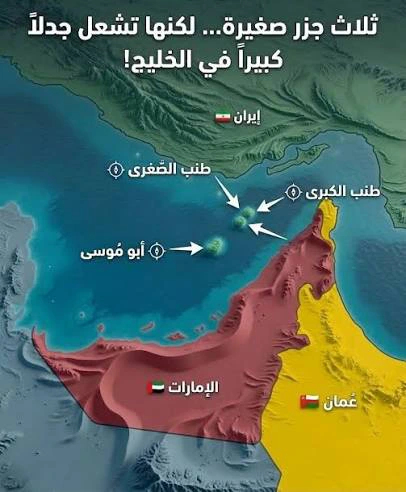
إمكانية تنفيذ عمليات إنزال برمائي خاطفة على الجزر الاستراتيجية (قشم، أبو موسى، طنب الكبرى والصغرى) للسيطرة المؤقتة عليها.
هذه الجزر تمثل نقاط ارتكاز لإطلاق الصواريخ والألغام، والسيطرة عليها تسمح بإنشاء منطقة عازلة ساحلية.
Opposing Indicators:
The rugged mountainous terrain of southern Iran turns any ground incursion into a prolonged and costly war of attrition.
The United States prefers to operate remotely through air and naval power to minimise human losses.
Map of the Coastal Targets Struck Tonight and in Previous Nights
Bandar Abbas: destruction of command centres, naval docks, and air defence systems.
Sirik and Jask: targeting cruise missile platforms and suicide drone depots.
Qeshm and Abu Musa: fast-boat bases and mine stores.
Chabahar and Bushehr: logistical infrastructure and long-range early-warning radars.
Conclusion:
The current focus is on the naval-air blockade, with only a limited possibility of quick landing operations on the islands, not a broad ground invasion.


