


On 11 July 1995, corresponding to 12 Safar 1416 AH, Europe witnessed one of the deadliest mass crimes in its modern history, when the city of Srebrenica in eastern Bosnia and Herzegovina fell to Bosnian Serb forces during the Bosnian War. The tragedy that followed later came to be recognised as one of the worst acts of genocide since the Second World War.
The tragedy of Srebrenica was not an isolated incident. It was the peak of a devastating war that broke out in Bosnia and Herzegovina between 1992 and 1995, during which the country witnessed killing, displacement and systematic destruction that widely targeted the Muslim Bosniak population, within a project based on ethnic cleansing and the alteration of the demographic composition of the disputed areas.
A War That Targeted Not Only People, but Memory
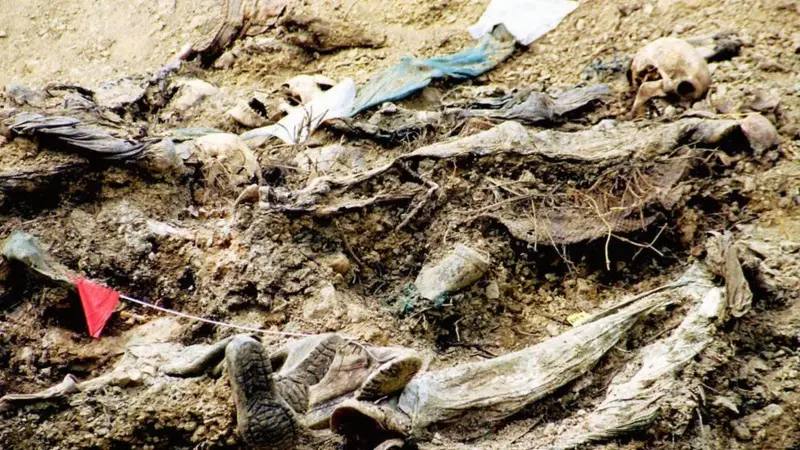
The destruction in Bosnia was not limited to the killing and displacement of civilians; it extended to an attempt to erase history and culture.
On 25 August 1992, the National and University Library in Sarajevo was shelled, resulting in the burning of more than one million books, in addition to rare manuscripts and historical documents representing centuries of Bosnian heritage.
This was not the only such incident. The Oriental Institute in Sarajevo, which housed one of the most important collections of Islamic manuscripts in the Balkans, was also shelled, and thousands of manuscripts written in Arabic, Persian, Ottoman Turkish and Bosnian in Arabic script were lost.
Many historic mosques were also destroyed, especially in areas that did not witness direct fighting, making the targeting of religious and cultural heritage part of a broader tragedy that affected the identity of Bosnian society.
A Vast Humanitarian Tragedy
During the years of war, more than one hundred thousand people were killed, hundreds of thousands were displaced from their homes, and a large number of civilians were subjected to serious abuses.
Hundreds of detention camps were also established, in which civilian men, women and children were held. These camps witnessed harsh conditions, torture and killing, as documented by investigations and international courts.
The issue of the missing was among the most enduring wounds. Tens of thousands were reported missing during the war, and the search for remains and the identification of victims continues to this day.
Srebrenica: The Safe Area That Was Not Protected
The tragedy of Srebrenica emerged as the harshest chapter of the Bosnian War.
In 1993, the United Nations declared the city a "safe area" that was supposed to be under the protection of international forces, after it had become a refuge for thousands of civilians fleeing the war.
However, in July 1995, Bosnian Serb forces led by Ratko Mladić entered the city, while the international forces present there were unable to prevent the catastrophe.
After taking control of the city, men and boys were separated from women and children, and then mass killings began, claiming the lives of more than 8,000 Bosnian Muslims, most of them men and boys.
The victims' bodies were buried in mass graves, and were later moved in organised operations to other graves in an effort to conceal the scale of the crime, which meant that the search for and identification of the victims continued for many years.
Srebrenica Before the Conscience of the World
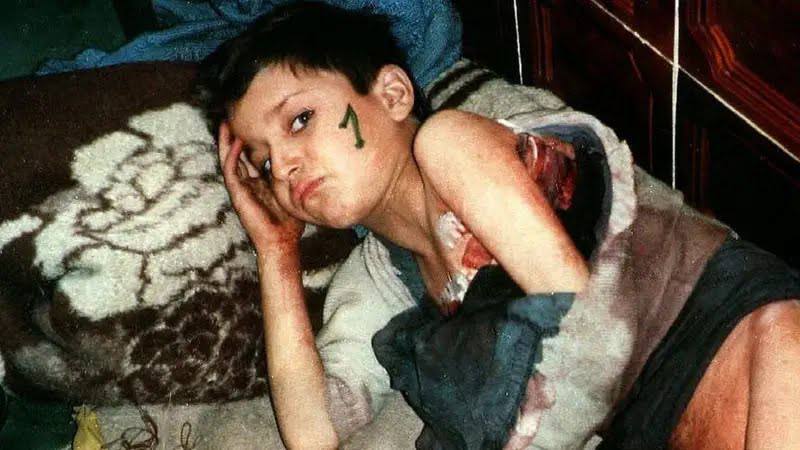
Srebrenica became a symbol of the failure of the international community to protect civilians, as the massacre occurred despite the presence of United Nations forces in the area.
The incident raised major questions about the responsibility of international powers when they declare an area protected and then fail to prevent a catastrophe from taking place there.
International courts later convicted a number of officials for crimes committed during the Bosnian War, and the International Criminal Tribunal for the former Yugoslavia classified what happened in Srebrenica as genocide.
Between Nuremberg and The Hague: The Debate Over Justice
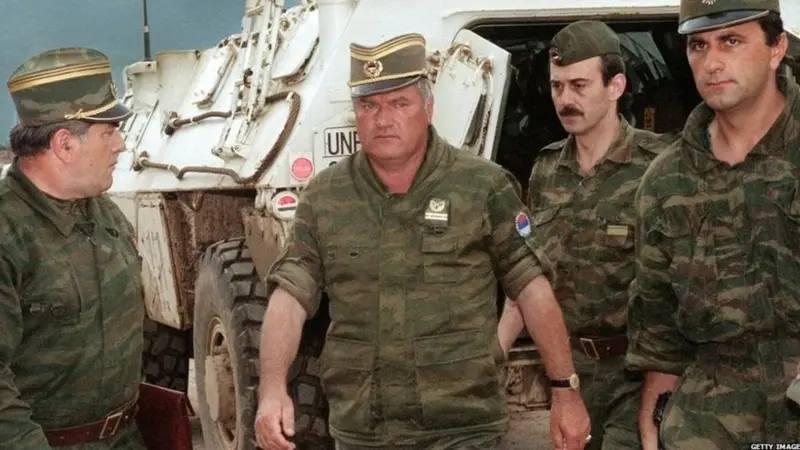
The way in which some of those involved in the Bosnian crimes were tried has sparked a broad debate about the concept of international justice.
While the Nuremberg trials after the Second World War became a symbol of the prosecution of the leaders of the Nazi regime, many victims felt that the course of international justice in the former Yugoslavia was slow and did not always deliver a full sense of fairness.
Dr. Safvet Mustafa Halilović stated on this matter: "Anyone who has followed one of the sessions of the war crimes trials in Bosnia and Herzegovina (such as the trial of Slobodan Milošević and other Serb criminals) can easily be convinced of this. To clarify, it is enough to mention the following two examples from the Tribunal's work:
The first example: According to the Hague Tribunal's ruling, the criminal Dražen Erdemović, who confessed to brutally killing seventy Bosniaks, including women and children, was sentenced to ten years in prison, with the duration of the legal proceedings, which lasted several years, counted within the sentence. The judge who read the verdict against Erdemović said that the accused showed "great cooperation and good conduct" during his trial, and therefore (perhaps because of this "positive action") the sentence was reduced further. The judge explained: "After serving the term of the sentence, Erdemović will still be young enough to begin a new life!"
The second example: The case of Biljana Plavšić also reveals the nature of the justice delivered by the international tribunal in The Hague. It is well known that she held the highest positions in public and political life of the so-called "Republika Srpska" during the period in which the Serb-Chetnik army was systematically carrying out a genocide against the Bosniaks. For this reason, her responsibility for that genocide should have been of particular concern to the Tribunal. However, after arriving in The Hague and admitting that she "persecuted the non-Serb population, and regrets it (!)", the Tribunal exempted her from the charge of genocide and from many other charges, and sentenced her to only eleven years in prison.
Afterwards, Plavšić was held in a luxurious prison in Sweden, where some media outlets reported that the prison administration gave her a cake for her birthday (!). For this reason, comparing The Hague to Nuremberg is meaningless, to say the least. The difference between them is not only clear, but is akin to the difference between heaven and earth."
A Memory That Does Not Die
More than three decades later, Srebrenica remains present in the memory of Bosnia and the world. Every year, new burial ceremonies are held for victims whose remains have been identified after being found in mass graves.
The memory of Srebrenica represents not only the tragedy of one people, but has become a global lesson about the danger of neglecting anti-Muslim rhetoric, which can turn into policies of ethnic extermination.
Srebrenica remains one of the most painful pages in modern European history, because it was not merely the outcome of a war; it was an example of what can happen when hatred is left unchallenged, and when the world fails to protect civilians at the very moment they most need protection.
Recalling this memory is important for protecting the future: understanding how the tragedy happened is the first step toward preventing its repetition.


