


On a cold winter night in northern Europe, the Syrian refugee family never imagined that a knock on their door would change their lives forever. Within minutes, their children were placed in temporary care under the supervision of social authorities, while the parents entered a legal battle lasting many months to regain custody of their children.
For many Muslim families living in the West, this story is not an exception. For thousands of families, it has become a daily concern that accompanies the journey of asylum and migration. While Western governments maintain that child welfare institutions, known in the media as "Social" (السوسيال), exist to protect children from neglect, violence and mistreatment, many Muslims believe these institutions hold broad powers that may in some cases lead to the breakup of families and the removal of children from their religious and cultural environment. Between the two narratives lies a highly sensitive and complex question: What happens to Muslim children when they come under the guardianship of non-Muslims? How do these procedures affect their religious and cultural identity? And do refugees and migrants have sufficient tools to protect their families against legal systems whose details they do not know?
When Protection Becomes a Nightmare
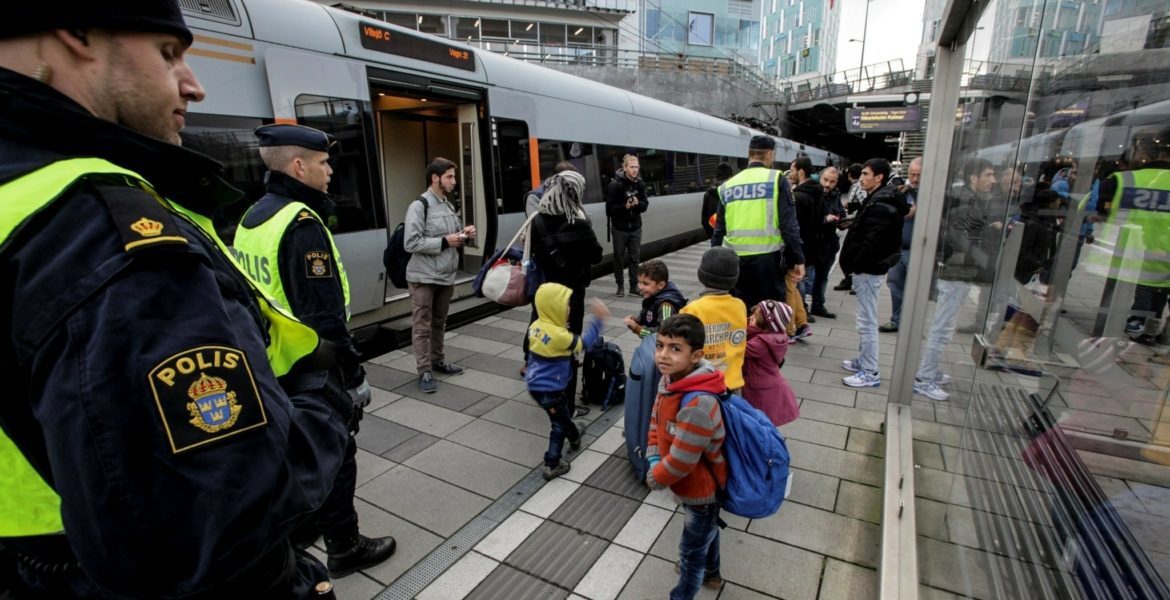
In most Western countries, child protection institutions have wide powers to intervene when they receive reports concerning children's safety. It may begin with a call from a school, a complaint from a neighbour, a report from a doctor or teacher, or even a note from a social worker.
Legally, Western governments claim that the sole aim is to protect the child. The problem begins, however, when Muslim families view the matter from a completely different angle. For many fathers and mothers, the issue is not only the loss of custody of their children, but the fear of losing them religiously, culturally and morally.
A Widening Crisis of Trust
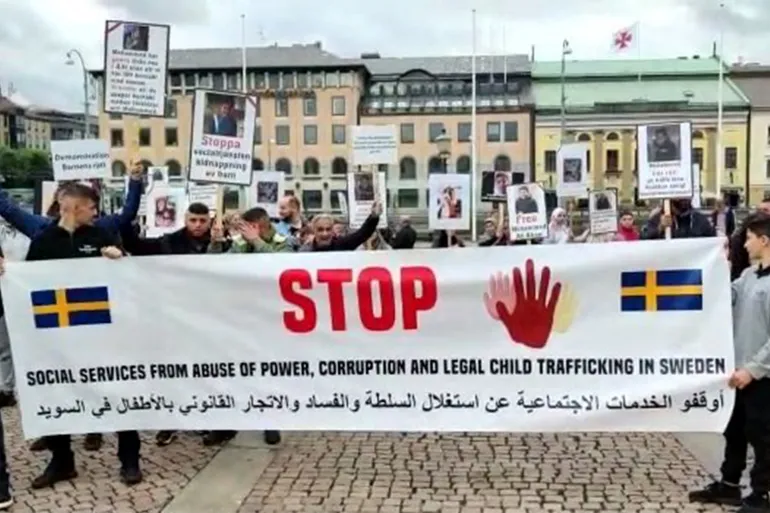
In recent years, the debate has grown considerably in countries such as Sweden, Germany, Norway and Denmark. Social media platforms have witnessed broad campaigns led by Muslim and Arab families who accused some social institutions of hastily removing children or misunderstanding the cultural and religious particularities of migrant families.
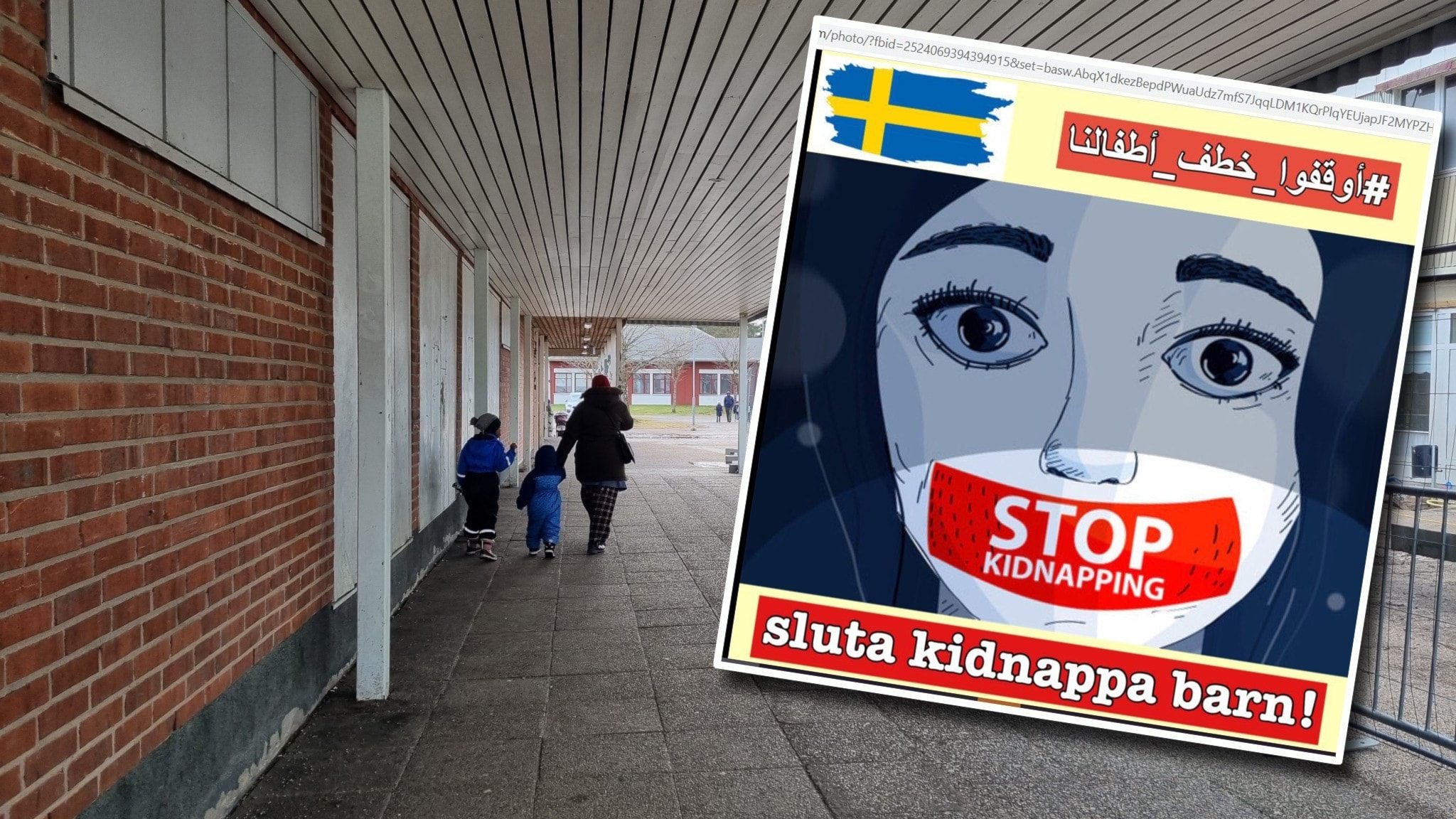
In Sweden in particular, the issue turned into a wide international debate after testimonies spread from families who said their children had been taken from them for reasons they considered trivial or the result of cultural misunderstanding. Although Swedish authorities denied any religious or ethnic targeting, anxiety within Muslim communities continued to rise.
Large Numbers That Make the Issue More Urgent
The seriousness of social services' involvement in Muslim families' lives cannot be understood without considering the size of the Muslim and refugee presence in Western countries in recent years. By 2026, estimates by international organisations indicate that the number of people forcibly displaced around the world exceeded 130 million, including refugees, displaced persons and asylum seekers, with tens of millions of them living in European, North American and Australian countries.
Demographic data show that a large proportion of refugees arriving in the West over the past decade come from countries with Muslim-majority populations such as Syria, Afghanistan, Iraq, Somalia, Sudan and Yemen, meaning that millions of Muslim children today live in legal and cultural environments fundamentally different from the societies in which their parents grew up.
In Europe alone, the Muslim population is estimated at around 46 to 50 million by 2026, while the number of Muslims in the United States exceeds 4.5 million, in addition to hundreds of thousands in Canada, Australia and New Zealand.
These figures mean that any problems related to social services or child protection laws do not affect isolated individual cases, but may directly or indirectly influence the future of millions of Muslim children in the coming decades. Concerns are particularly acute among refugee families because of the fragility of their legal and social situations. A refugee who has recently arrived in a new country often faces language barriers, limited knowledge of the laws, the absence of family support networks, as well as the effects of psychological trauma resulting from war or displacement. In such circumstances, they become more vulnerable to misunderstandings with official institutions.
Migration specialists believe that some Muslim families fall into serious problems because of practices considered normal in their home societies but which may be interpreted in the West as a violation of children's rights. The crisis sometimes begins with a school report or a simple social complaint before developing into official investigations involving the family.
The concerns do not stop at the question of temporary or permanent separation between the child and their parents. They extend to what the child may experience after being moved to an alternative environment that does not share the same religious and cultural background as their family. Some children find themselves in foster families that know nothing about Islam, the child's mother tongue or their social customs, creating a deep psychological and cultural gap that may widen over the years.
Islamic and human rights organisations also warn of the possibility that some children may suffer cultural and religious alienation as a result of being cut off from their original environment for long periods, especially when no Muslim foster families or programmes that respect the children's religious and cultural particularities are available.
Refugees: The Weakest Link
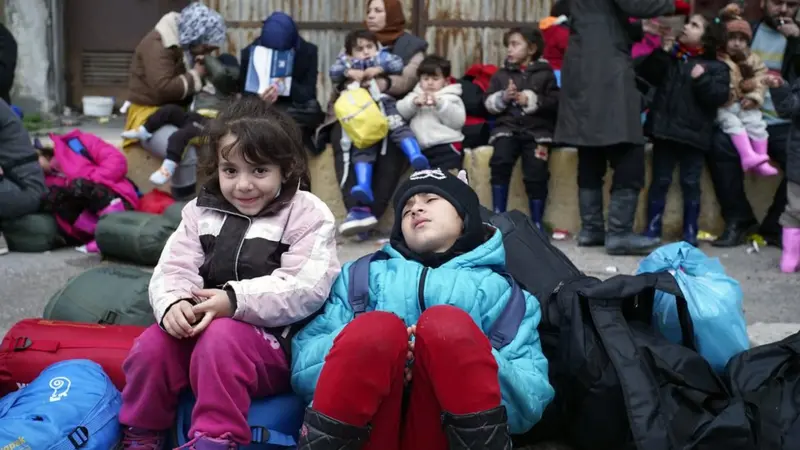
Refugees appear to be the group most exposed to problems linked to social services. Many arrive in Western countries carrying the trauma of war and displacement, while simultaneously facing the challenges of language, law and culture.
These factors make communication with government institutions more difficult, because in some cases parents interpret certain traditional parenting methods acceptable in their countries of origin as a natural right of the family, whereas Western laws consider them a violation requiring intervention.
Identity at Stake
Perhaps the most sensitive aspect of the issue is what happens to children after they are moved into alternative care, as in many cases no Muslim foster families are available or families that speak the child's native language.
A different language, different customs, different food, different concepts of family, religion and morality. Many Islamic organisations warn that the child's continued stay for years in such environments may erode their connection to their religious and cultural identity.
Some parents who have gone through similar experiences say that their children returned after years unable to speak their mother tongue and knowing little about their religion or original culture.
Testimonies That Raise Concern
In Germany, an Iraqi family spoke to local media about a long legal battle to recover their children after they were placed in social care, saying that cultural differences and misunderstanding played a fundamental role in the case.
In Norway, the case of an immigrant family sparked wide controversy after the family considered that the authorities' intervention resulted from a difference in parenting style rather than actual abuse of the children.
In Sweden, numerous testimonies have circulated from Arab and Muslim families who confirmed that their children faced difficulty preserving their religious identity after being moved into alternative care.
Schools: Another Arena of Conflict
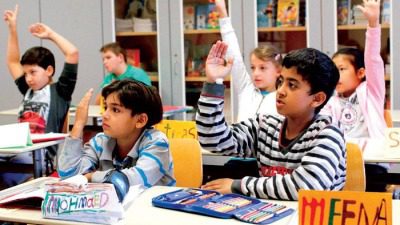
The challenges are not limited to social care institutions. The school represents a daily arena in which a child's awareness and identity are shaped. In many Western cities, there are not enough Islamic schools to accommodate the children of Muslim communities, so most Muslim children attend public schools that follow the curricula and values of the local society.
Many parents believe this environment imposes additional challenges related to identity, belonging and religious values. Over time, maintaining a balance between positive integration into society and preserving Islamic identity becomes a complex task requiring continuous effort from the family.
Why Is the Problem Worsening?
Interviews with social experts and lawyers working with Muslim communities reveal that a large part of the crisis is due to a lack of knowledge. Many migrant families do not know their legal rights, do not understand when authorities may intervene, and do not know how to deal with reports or investigations.
The language barrier also makes misunderstandings more likely. At the same time, some staff in social institutions may not have sufficient understanding of the cultural and religious backgrounds of Muslim families, which sometimes leads to inaccurate assessments.
Are Muslims Being Targeted?
The most controversial question is whether there is a policy specifically targeting Muslims.
So far, no official reports have confirmed the existence of a systematic policy targeting Muslims. However, most of the cases that have suffered from this issue involved Muslims, in addition to real crises between some Muslim families and social authorities. Some researchers argue that the problem does not always lie in direct targeting, but in a deep gap between two cultures that view the concepts of family and upbringing from different perspectives.
The Heavy Psychological Price
Beyond the legal and political debate, children remain the most harmed party. Separation from parents is a psychologically shocking experience for many children, even when the official aim, supposedly, is to protect them.
These effects become more complicated when separation is accompanied by the loss of language, culture, religion and original social ties.
Experts believe the solution does not lie in intimidation or isolation from society, but in building strong legal and cultural awareness within Muslim communities.
Among the most prominent proposed steps: awareness of local laws concerning the rights of the child and the family; seeking specialised lawyers when any problem arises; documenting any official communication with social institutions; avoiding parenting methods that may be legally interpreted as violence or abuse; promoting dialogue within the family with children; supporting the establishment of legally approved Muslim foster families; developing Islamic schools and educational centres; and creating specialised advisory and legal institutions to serve Muslim communities.
The Battle for the Future
As the number of Muslims in the West grows, the challenge is no longer limited to providing housing, work and education. It has become a matter of preserving future generations amid cultural and legal environments fundamentally different from those from which their parents came.
While Western governments argue that protecting the child is an absolute priority for them, Muslims demand greater respect for their religious and cultural particularities, and mechanisms that ensure "protection" measures do not become a cause of children losing their roots and identity.
The question remains open: Can Western societies achieve a balance between what they describe as child protection and respect for religious and cultural diversity? Or will the battle over identity remain one of the most sensitive and controversial issues in the future of relations between Muslims and the West?


