

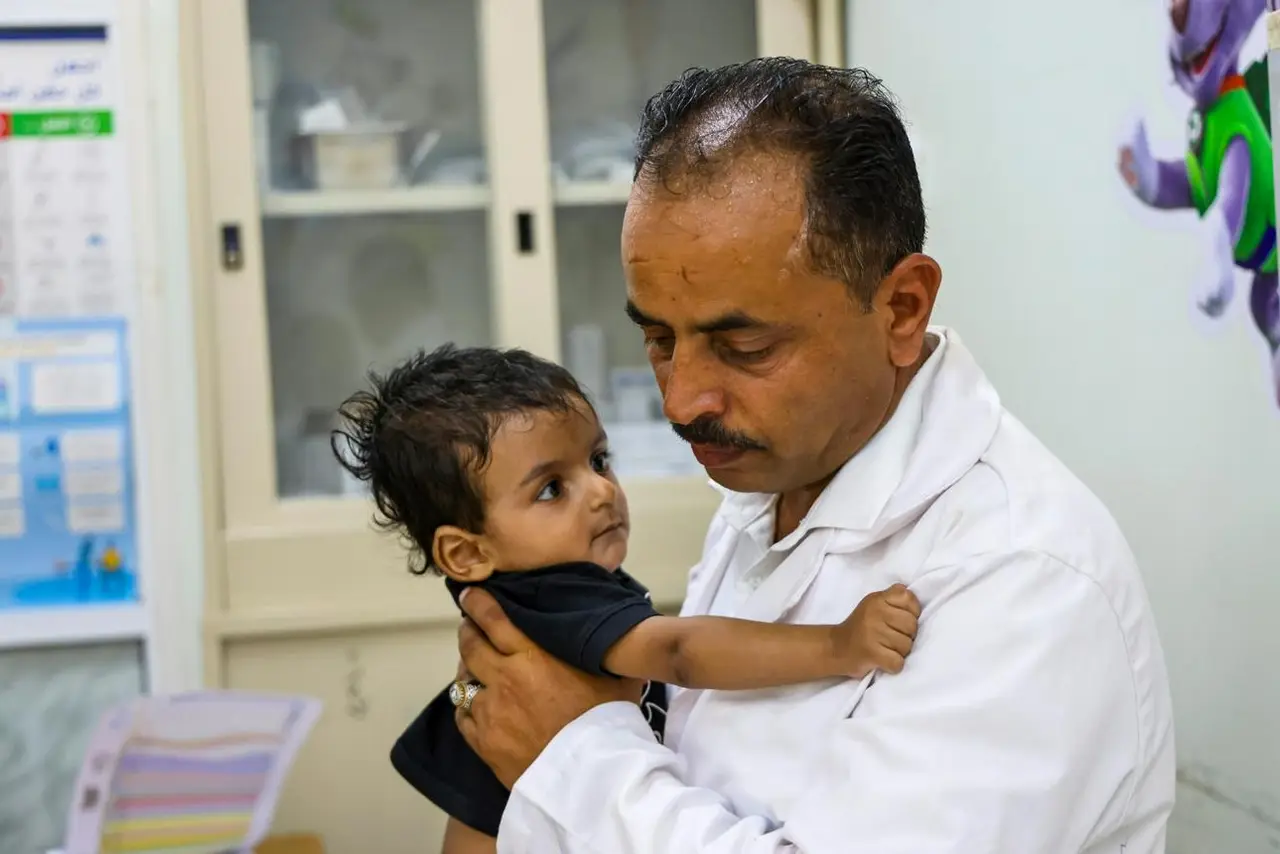
The health crisis in Yemen's Taiz Governorate is deepening due to the siege imposed by the Houthis and restrictions on the movement of civilians and medical supplies, amid rising rates of infectious diseases and disrupted vaccination campaigns, threatening the lives of hundreds of thousands of children with preventable diseases.
The United Nations announced on Tuesday, 24 November 2026, that some 350,000 children in Taiz Governorate were not reached by the national vaccination campaign against measles and rubella, because vaccines could not be delivered to them amid insecurity and restrictions on access for humanitarian aid.
The United Nations explained that the World Health Organization and the United Nations Children's Fund (UNICEF) hold the necessary vaccines and resources, but field conditions prevent them from reaching the target children.
Rising Infections and Deaths
In a report published by Arab News on Thursday, 26 November, the Epidemiological Surveillance Department at the Taiz Health Office stated that since the beginning of this year the governorate has recorded 2,804 suspected measles cases, including 280 laboratory-confirmed infections, as well as 26 deaths.
The health authorities in the governorate also recorded the following figures:
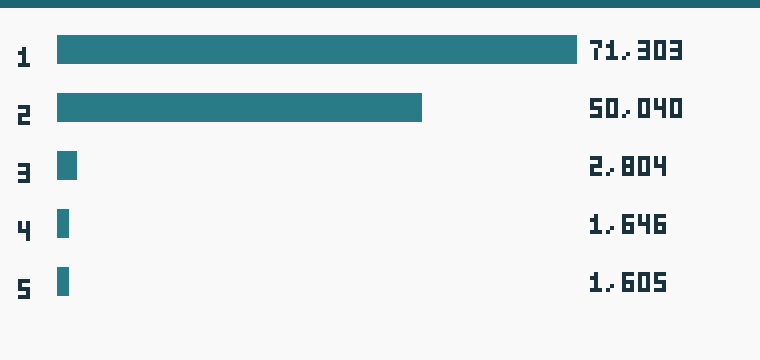
- Acute diarrhoea: 71,303.
- Malaria – suspected cases: 50,040.
- Measles – suspected cases: 2,804.
- Fever-associated diseases: 1,646.
- Cholera: 1,605.
Source: Epidemiological Surveillance Department at the Taiz Health Office, cited by Arab News, 26 November 2026. The figures represent different surveillance categories and should not be added together as a total number of patients.
Among the suspected malaria cases, tests confirmed 4,354 infections.
These figures reflect the scale of the health burden facing the governorate, at a time when medical facilities suffer from shortages of medicines and essential supplies and difficulties in reaching patients.
70 Health Facilities Without Vaccines
Dr Fahd Al-Namer, director of the immunisation programme in Taiz Governorate, told Arab News that restrictions on the entry of medical supplies are preventing vaccination programmes from continuing normally in areas recently taken over by the Houthis.
He explained that 70 health facilities in these areas have become completely free of vaccines, while lengthy inspection procedures threaten the safety of vaccines, which require special transport and storage conditions.
He added that some 347,000 children aged between six months and five years in the areas under Houthi control in Taiz Governorate have not received the booster dose against measles.
He also warned that the remaining vaccine stock in Taiz city could run out by the end of December or mid-January.
Siege Cuts Off Medicine Supplies
For his part, the director of the Ministry of Information office in Taiz Governorate, Mohammed Al-Masani, reported that the flow of medicines and medical equipment through official roads between Aden and Taiz has stopped because of the siege.
He noted that medicines entering through unofficial routes may deteriorate or lose their effectiveness due to unsuitable transport and storage conditions.
The governorate faces growing challenges in combating infectious diseases, as the disruption of vaccination programmes coincides with the spread of malnutrition and a decline in residents' ability to access basic health services.
The risk of measles is particularly severe for children suffering from malnutrition or weakened immunity, as its complications may lead to pneumonia, encephalitis or death.
More Than 800,000 People Cut Off from Aid
UNICEF, in its humanitarian update covering the period from 18 October to 9 November 2026, reported that more than 800,000 people in Taiz had lost access to humanitarian aid as of 23 October.
The agency also documented damage to schools and health facilities in Yemen since the escalation of hostilities in September, amid continued displacement and disruption of essential services.
According to ACAPS, the organisation that analyses humanitarian crises, renewed fighting since 4 October has led to the closure of roads and disruption of the main commercial supply routes leading to Taiz city, affecting the delivery of food, fuel and medicines to residents.
A Race Against Time to Save Children
Yemen's Ministry of Health launched an emergency measles and rubella vaccination campaign on 7 November, supported by the World Health Organization, UNICEF and the Global Alliance for Vaccines and Immunization (Gavi).
The campaign targeted more than 950,000 children aged between six months and five years, across 100 districts in 11 governorates.
However, the continued inability to reach dozens of health facilities and hundreds of thousands of children in Taiz threatens efforts to control infectious diseases and increases the likelihood of epidemics among the population.
These developments show that the humanitarian consequences of the siege are not limited to the direct victims of military operations, but extend to deaths that could be avoided if patients could access treatment, children could receive vaccines, and health facilities could continue to operate.


