


On a cold morning in January 1990, police patrols moved quietly along the banks of the Genesee River in Rochester, New York, after more than a year of terror that had gripped the city. One surveillance team was following a man of average height who was driving a modest car and behaving in a way that seemed familiar to investigators who had spent months studying the movements of an unidentified killer who had exhausted security forces and thrown residents into panic.
The man did not know that the last hours of his freedom were drawing to a close. The car stopped, and he got out calmly, then approached an isolated area near the river, the same area where a number of women's bodies had been found in the preceding months. Within minutes, police surrounded him, and he offered no resistance. His name was Arthur John Shawcross.
Within hours, the start of one of the most sensational criminal cases in the history of the United States began, not only because of the large number of his victims or the brutality of his crimes, but also because of the stories he spun about himself, which included shocking claims of cannibalism, torture during his military service, and atrocities committed during the Vietnam War.
Over the years, it has become difficult to separate the real man from the media legend that surrounded him. Was Shawcross truly a "cannibal," as he was portrayed in some documentaries and media outlets? Or was a large part of that image the product of a serial killer's desire to create an aura of terror around his persona? To answer this question, one must return to the beginning.
A Troubled Childhood: Does Brutality Start Here?
Arthur John Shawcross was born on June 6, 1945, in the American state of Maine, before his family later moved to New York State. As is the case in many biographies of serial killers, his childhood is filled with contradictory accounts.
In later interviews, Shawcross spoke of a childhood he described as harsh, claiming that he suffered mistreatment and neglect and that he grew up in a turbulent environment that fed feelings of violence and aggression within him.
However, many researchers in criminology treated these accounts with caution, because Shawcross was later known for exaggeration, lying, and changing his statements depending on the person interviewing him.
What is certain is that from his early years he displayed aggressive behavior and had difficulty integrating socially, and later reports recorded disturbances in his personality and deviant sexual behavior. Some forensic psychologists regard these traits as factors that may be linked to the development of violence in some offenders, although they are not a direct cause.
But whatever the details of his childhood, they alone do not explain the bloody path he would later follow.
Vietnam: The Truth Mixed with Myth
One of the most controversial aspects of Arthur Shawcross's life concerns his military service. He did indeed serve in the United States Army during the Vietnam War, but what happened there became a subject of dispute that continued even after his death.
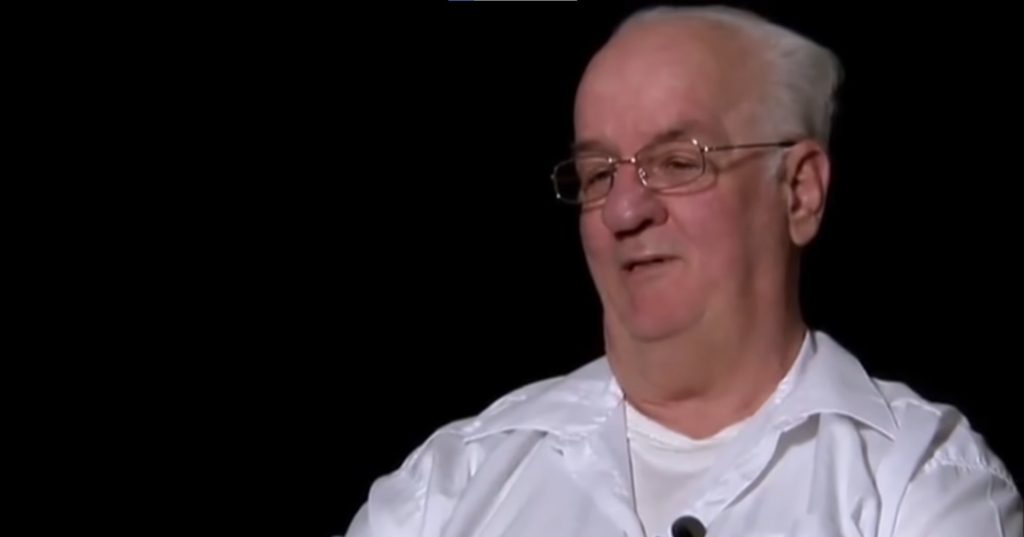
These accounts were shocking enough to become headline news in newspapers and documentaries, but when journalists and researchers began reviewing his military record, a completely different picture emerged.
Military service documents indicate that Shawcross did not hold a combat role in the way he portrayed, and that many of the stories he told do not match Army records or the testimony of those who served alongside him.
Nevertheless, the absence of evidence for these claims does not mean that his criminal record was any less brutal. On the contrary, the crimes proven against him within the United States alone were sufficient to place him among the most dangerous serial killers in American history.
1972: The First Blood
In the early 1970s, Arthur Shawcross began the first confirmed chapters of his crimes. The victims were two young children in Jefferson County, New York.
The first crime shook the local community, but the second convinced investigators that they were facing an extremely dangerous killer. Despite the atrocity of the facts, Shawcross was not tried on the charges of intentional murder that many had expected.
Under a legal agreement, the charges were reduced to manslaughter, and he was sentenced to twenty-five years in prison.
At that time, many believed that society had become safe from the man, but what no one expected was that the sentence would not be served in full.
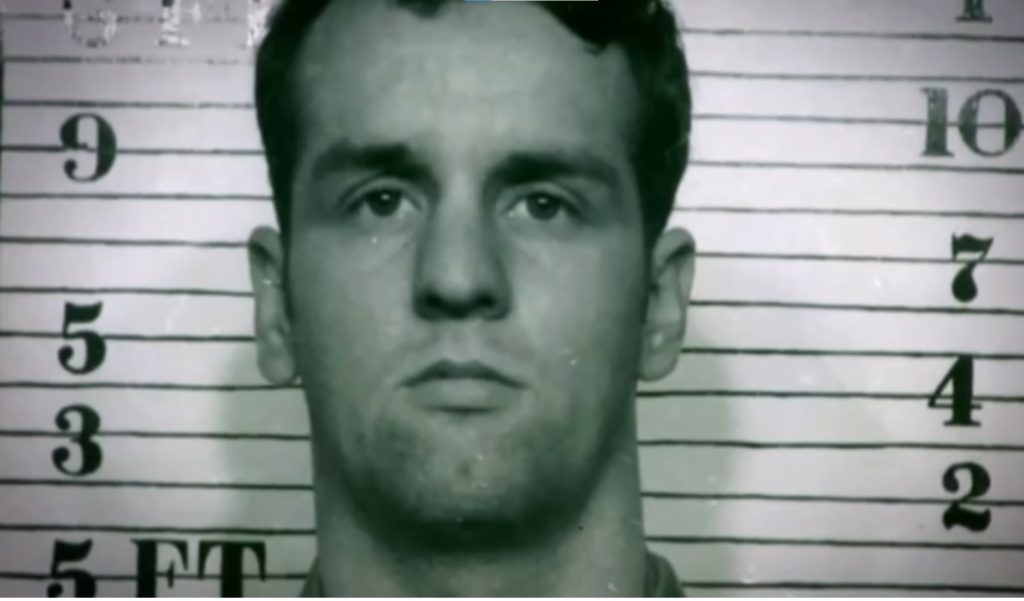
The Decision That Changed the Fate of 11 Women
After serving only about 14 years behind bars, Shawcross was granted parole in 1987.
The decision was based on assessments that considered he no longer posed a major danger to society and that he had shown improvement in his behavior inside prison. That decision would later become one of the most controversial parole decisions in the history of American justice.
Just a few months after his release, Shawcross moved to the city of Rochester, New York, and between 1988 and 1989, women began to disappear one after another.
The killer was returning once again..
Rochester Under Siege: When the Killer Began Choosing His Victims
In the spring of 1988, the city of Rochester, located in northern New York State, did not expect that it was about to face one of the most terrifying criminal cases in its history.
The city appeared calm, but on its outskirts, and near the banks of the Genesee River, police began to find the bodies of women in similar circumstances. Some had disappeared days before they were found, and others were not identified until nature revealed the bodies the killer had hidden among the trees or near the water.
Initially, the crimes did not appear to be connected. The victims came from similar social backgrounds, and many of them lived on the margins of society, some suffering from addiction or working in prostitution. This reality meant that their disappearances initially did not receive the same attention as the disappearances of women from other social classes, a point later criticized by criminology researchers and human rights organizations as one of the factors that delayed linking the crimes.
The Pattern That Revealed the Killer's Identity
Unlike many serial killers who constantly change their methods, Arthur Shawcross maintained an almost fixed pattern. He would drive around in his car searching for victims in areas known for the presence of women working in prostitution.
He would offer them a ride in exchange for money or a service, then drive them to remote areas away from prying eyes.
Investigations later showed that some bodies had been mutilated after death, while forensic reports pointed to sexual assaults in a number of cases. Because most of the victims lived in fragile social conditions, the disappearance of some of them went unnoticed for a long time, which gave the killer more time to continue his crimes.
By the end of 1989, the toll had reached 11 women in less than two years, and the media began calling him the "Genesee River Killer," while other newspapers preferred to call him the "Rochester Butcher."
A Hunt That Lasted for Months
Police realized they were facing a killer who was an expert at concealing his traces. There were no clear fingerprints and no eyewitnesses who could be relied upon, and the choice of victims from marginalized groups made gathering information more difficult.
Investigators formed a specialized team that included experts in criminal behavior analysis, and they began studying the locations where the bodies were found, the movements of the victims before their disappearance, and the methods the killer had used.
Over time, they noticed that the crime scenes almost traced a specific geographic circle around Rochester, and that the killer knew the area well. Investigators concluded that he was probably a local person who led an apparently ordinary life and was able to blend into the community without raising suspicion.
This analysis was remarkably accurate. Arthur Shawcross was not living the life of a hunted fugitive. He lived with his wife, worked in simple jobs, and appeared to his neighbors as a quiet man who attracted no attention.
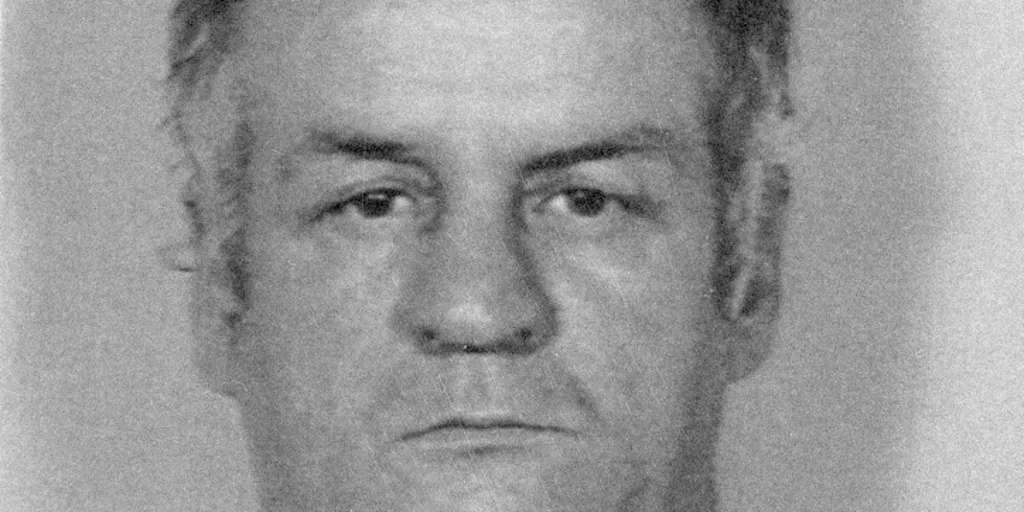
The Arrest: The End of a Hunt and the Beginning of Shock
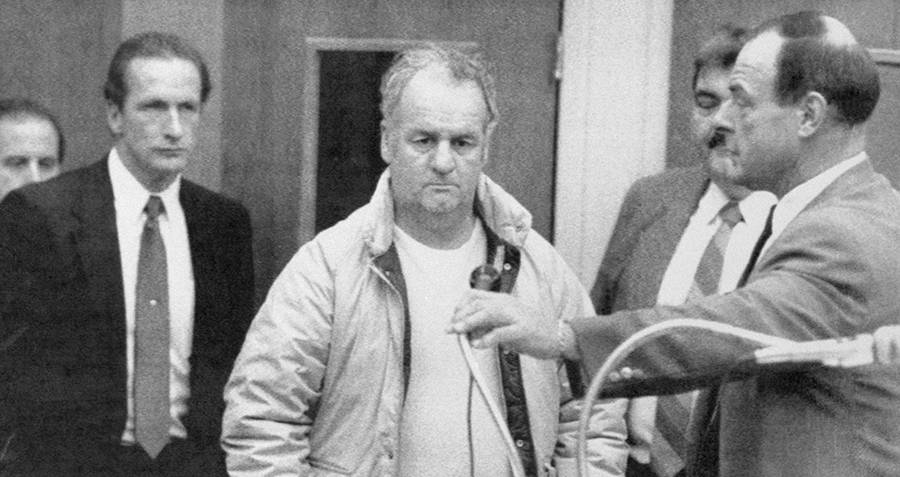
In January 1990, police intensified surveillance in the areas where the killer had customarily disposed of his victims' bodies, as investigators believed he might return to some of the sites he had used before.
They did not have to wait long. Surveillance teams spotted Shawcross's car as it returned repeatedly to one of those areas. After following him, police stopped him, and during a search of his vehicle, investigators found evidence that linked him directly to a number of crimes.
As the evidence mounted, his resistance quickly collapsed. He confessed to killing the women, but his confessions were not limited to the crimes he had committed. He began to recount stranger stories, which would later become the cause of his worldwide notoriety.
When the Killer Began Writing His Own Legend
During the investigation, Shawcross appeared unusually cooperative. He did not try to deny most of the crimes, and instead spoke about them calmly, which surprised the investigators.
These statements were enough to turn into a massive media story, and soon newspapers were running headlines such as "The Killer Who Ate His Victims," "The Vietnam Butcher Returns to America," and "The Soldier Who Became a Cannibal."
Was He Truly a "Cannibal"?
It is important here to distinguish between what judicial evidence proved and what Shawcross said about himself. Criminal investigations established his responsibility for the killing of 13 people: two children in 1972, and 11 women between 1988 and 1989.
As for the claims of cannibalism, the picture is more complicated.
However, investigators did not find conclusive forensic evidence proving that cannibalism was part of his confirmed crimes. These claims did, in fact, become part of his public identity, although they remained widely questioned.
The Media: When Reality Mixes with Legend
The media played a central role in entrenching Shawcross's image as the "cannibal killer." Documentaries, television interviews, and films that addressed his case focused heavily on his sensational statements, sometimes more than on the proven criminal facts.
During his years in prison, Shawcross agreed to numerous interviews with journalists and documentary filmmakers. He spoke calmly, and at times with a cold smile, about his crimes, his childhood, his ideas, and even his alleged enjoyment of eating human flesh.
These interviews created a terrifying mental image of him, but at the same time they raised an important ethical question:
Were the media exposing the personality of a serial killer, or were they unintentionally helping him build the legend he was seeking?
Some researchers in criminal media argue that Shawcross understood early on that fame had become part of his punishment, and that his name would remain present as long as he kept offering stories stranger than the last. In this context, he was no longer the sole author of the narrative; the media had become a partner in reproducing it.
The Trial: When the Killing Ended and the Questions Began
The investigations did not take long to turn the evidence collected by police into a heavy legal file that was difficult to refute. Arthur Shawcross's confessions, together with forensic evidence, medical reports, and his movements documented by surveillance teams, formed an interlocking chain that convinced the prosecution it was facing one of the most dangerous serial killers in the history of New York State.
During the trial sessions, which began in 1990 and continued until 1991, the dispute did not revolve around whether the crimes had occurred, but around the nature of the defendant's criminal responsibility.
The defense team sought to point to psychological disturbances and a complex personality, drawing on his disturbed childhood, his violent history, and some medical assessments that spoke of personality disorders and sadistic sexual tendencies. The prosecution, however, presented a completely different picture.
From its perspective, Shawcross was not a person lacking awareness, but a killer who knew exactly what he was doing, planned the selection of his victims, disposed of the bodies in isolated places, and tried to conceal the evidence, all indicators of his full awareness of the nature of his actions.
The Prison Years
After the sentence was handed down, Shawcross was transferred to a New York State prison, where a new phase of his life began, one that was different from that of any other inmate. He became a constant subject for journalists, documentary filmmakers, psychiatric experts, and criminology students.
Over the following years, he gave dozens of interviews. In some he spoke very calmly about his crimes, while in others he seemed to enjoy retelling details, and on many occasions he resorted to accounts that are difficult to verify, especially those concerning the Vietnam War, cannibalism, and the violent fantasies he claimed to have had since childhood.
Some analysts believe that Shawcross did not confess out of remorse but enjoyed keeping media attention focused on him, since each new interview returned his name to the headlines and gave him what he seemed to have always sought: fame.
One of the most challenging problems facing researchers on the Shawcross case is that the man combined two contradictory realities: first, that he was a serial killer who committed documented crimes beyond dispute; and second, that he was an unreliable narrator who frequently changed the details of his stories and added elements that are hard to prove.
For this reason, investigators treated with caution everything he said beyond the crimes proven by evidence. For example, his claim that he practiced cannibalism during the Vietnam War or within the United States has continued to lack solid physical evidence.
Moreover, a review of his military record did not confirm the image he had drawn of himself as a soldier who took part in special operations, torture, and brutal acts. Experts in forensic psychology note that some serial killers tend to inflate their life stories after their arrest, not to escape responsibility, but to secure their place in public memory as "exceptional."
Early Release: The Mistake Whose Price Was Paid by the Innocent
From this perspective, Shawcross can be understood as a man who committed real crimes but who, at the same time, worked to rewrite his story so that it became more terrifying than reality.
Beyond Shawcross himself, another question continues to haunt the case to this day:
How was a man who had killed two children able to return to society after only 14 years?
In 1972, Shawcross was convicted of killing two children and sentenced to 25 years in prison, but the parole system judged him eligible to return to society in 1987.
No one expected that this decision would open the door to the killing of 11 women within less than two years.
For this reason, the Shawcross case is frequently cited in debates about parole policy, the assessment of the danger posed by violent offenders, and the limits of rehabilitation programs.
Specialists argue that the case revealed a flaw in risk assessment: reports focused on the prisoner's behavior inside the penal institution, while failing to adequately estimate the likelihood that he would return to committing violent crimes after his release.
Why did he target women working in prostitution?
Shawcross's choice of victims raises a question no less important than the crimes themselves. Most of the women he killed were working in prostitution or living in difficult social and economic circumstances.
Investigators believe this choice was not random. The killer knew that the disappearance of these women might not be discovered quickly, and that some of them had no stable family ties, which gave him more time before police began searching.
Criminology researchers also note that targeting marginalised groups is a recurring pattern among serial killers, because it reduces the chances of their being discovered in the early stages.
This case also prompted US law enforcement agencies to review how they handle reports of missing sex workers and other vulnerable people, after the experience showed that delay in linking crimes can give a killer the opportunity to continue.
The Man's Death and the Case That Remains
On 10 November 2008, Arthur Shawcross died inside prison at the age of 63, as a result of health complications. With his death, the life of one of the most controversial serial killers in the United States came to an end.
But his case did not end. To this day, it is still taught in criminology colleges, behavioural analysis programmes and police academies, as a complex model combining institutional failure, psychological analysis and the manufacture of a media image.
More than three decades after his arrest, the name Arthur Shawcross still evokes two intertwined images.
The first is documented by evidence and court rulings: a serial killer who murdered 13 people, including two children and 11 women, and who was sentenced to 250 years in prison until his death.
The second is the image he created himself, which some media outlets promoted, of a soldier who practised torture in Vietnam and took pleasure in eating human flesh.
But when the facts are separated from the narratives, it becomes clear that the confirmed crimes alone were enough to make Shawcross one of the most dangerous serial killers in American history, without the need for the myths that surrounded him.
Perhaps the greatest irony of this case is that the man who tried to immortalise his name by constructing a legendary persona ultimately remained an example of a more important truth: the real danger lay not in the stories he told, but in the crimes he was proven to have committed, and in the institutional failure that allowed him to leave prison and kill again.


