

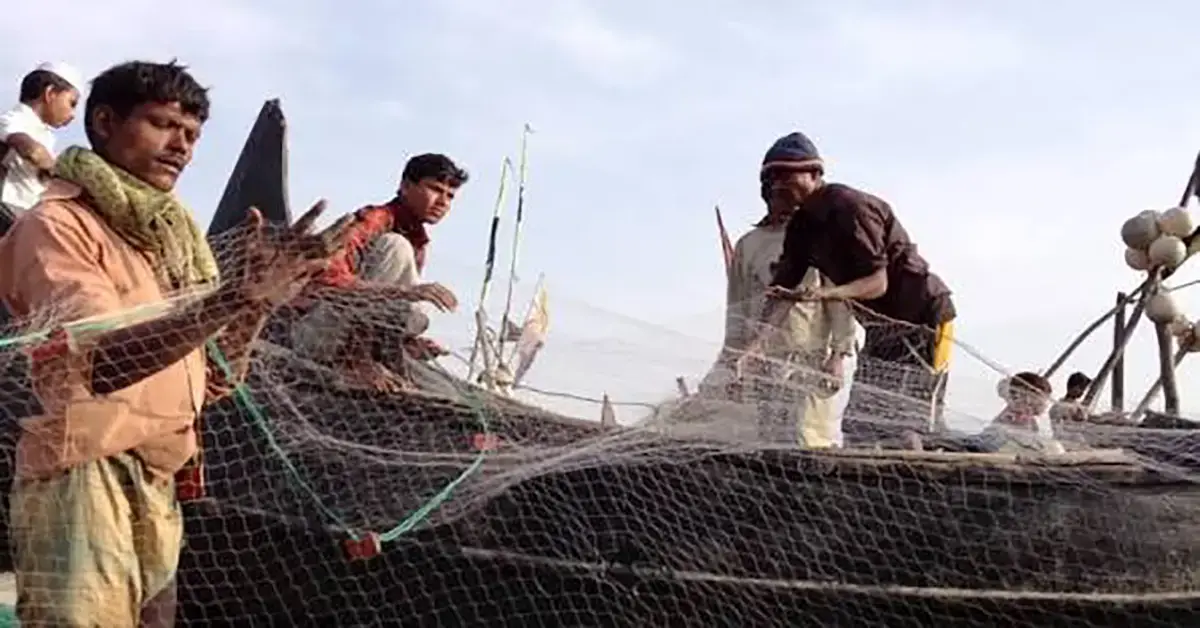
Thousands of families from the Muslim Rohingya minority in the Cox's Bazar camps in Bangladesh face mounting difficulties in securing food, after monthly aid for some refugees fell to seven dollars per person, amid rising rates of child malnutrition and declining humanitarian funding.
A report by the Bangladeshi newspaper The Daily Star, published on 13 November 2026, revealed that many families now rely almost daily on rice and lentils, as buying vegetables, eggs, fish and meat has become beyond their financial means.
A five-member family struggling to secure food
Among the cases documented in the report is Anwara Begum, a Rohingya refugee who arrived in Bangladesh in 2017 and lives with her husband and their three children.
The family currently receives seven dollars per person per month, down from 12 dollars, while the husband suffers from a kidney disease that limits his ability to work.
The mother sometimes has to borrow from neighbours to feed her children, and she cannot buy vegetables regularly because of the limited assistance.
Her case raises questions about the extent to which the aid distribution system takes into account the health and living conditions of the families in greatest need.
A new system for distributing aid
Since 1 April 2026, the World Food Programme has adopted a system of distributing aid according to level of need, instead of providing a uniform amount to all beneficiaries.
Under the new system, 33% of refugees receive 12 dollars a month per person, 50% receive ten dollars, while 17% receive only seven dollars.
The programme explained that the amounts are determined on the basis of an assessment of families' vulnerability and composition, including some families headed by children or elderly people, and families that include persons with disabilities.
The programme stressed that the shift to a category-based system was not a direct result of funding shortfalls, but it acknowledged that the decline in international support threatens the sustainability of aid in the coming period.
Malnutrition threatens children
These developments come amid worrying indicators regarding the nutritional situation of Rohingya children.
A food survey conducted during 2026 showed that 14.6% of children aged between six months and 59 months suffer from severe acute malnutrition, while 42.6% suffer from stunting and 36.9% from underweight.
The survey also revealed that only 37.3% of children aged between six and 23 months receive the minimum acceptable level of diverse and adequate food.
The rate of severe acute malnutrition had reached 8.6% in 2024, rose to 13.9% in 2025, before reaching 14.6% during the current year.
These figures do not prove that the change in the aid system in April was the direct cause of the rise in malnutrition, but they show the fragility of the food situation in the camps.
Warnings of declining funding
Humanitarian officials have warned that the shortfall in funding may threaten the continuation of food assistance, although resources are available to cover the current support system until April 2027.
They pointed to the absence of sufficient financial pledges beyond that date, amid an urgent need for additional funding to ensure the continued supply of food and health services.
The United Nations High Commissioner for Refugees called on donors to provide stable, multi-year support, warning that cutting services may push families into harsh livelihood choices that increase their exposure to risks.
The Rohingya's food suffering remains one of the most prominent consequences of prolonged displacement, as refugees live far from their lands and sources of livelihood, while the health future of their children depends on international aid that is threatened with decline.


