


Mining areas in Sudan's Red Sea State are witnessing extremely serious security developments, after converging reports spoke of raids and attacks targeting gold mining sites, resulting in deaths and injuries, amid conflicting information about the scale of the losses and the parties responsible for the operations.
Ultra Sudan reported, citing a Sudanese government official, that the authorities are preparing to take "immediate measures" to address the repercussions of the events, while preliminary estimates indicate that the death toll may reach some 50 people, in one of the bloodiest incidents to occur in traditional mining areas in recent times.
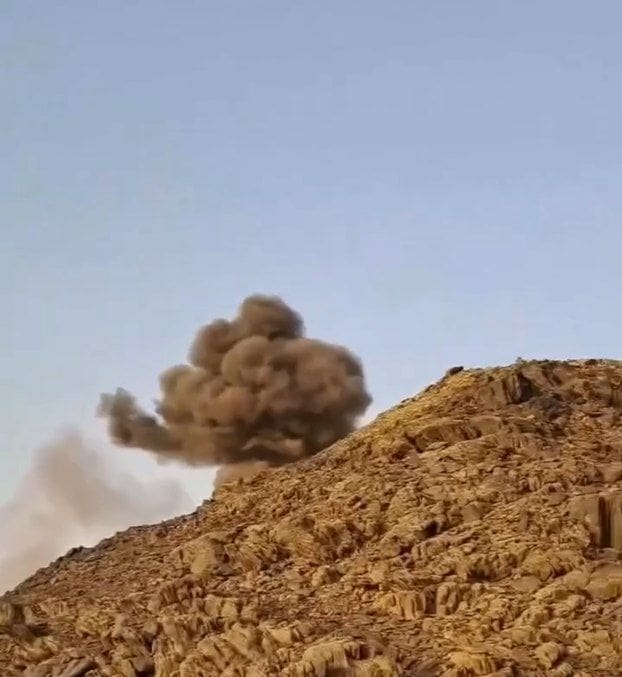
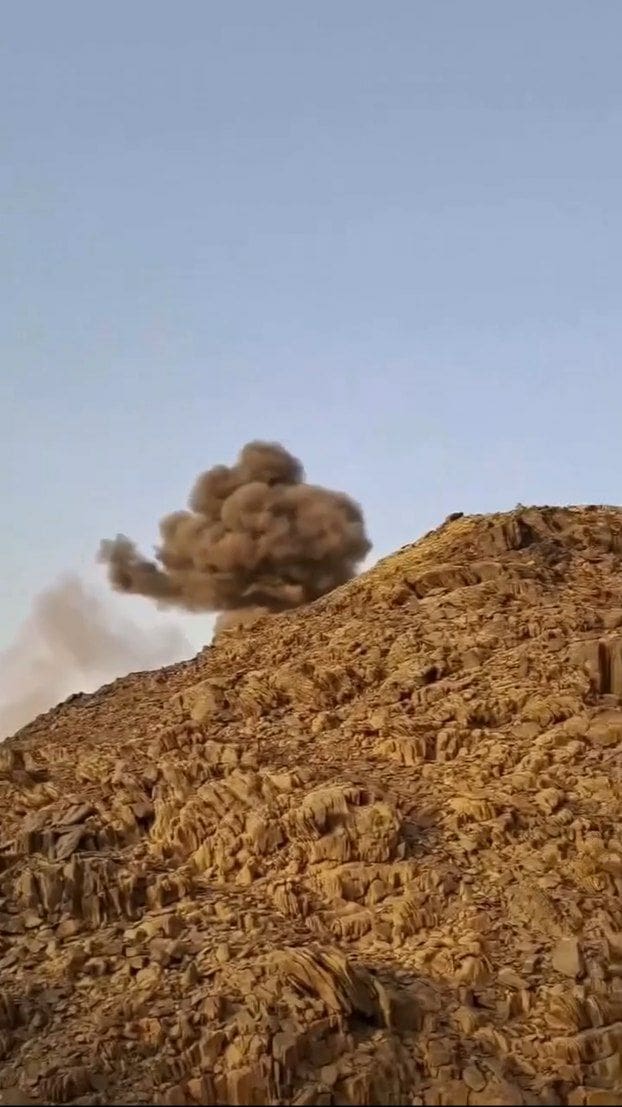
In a related context, media reports and human rights organisations reported an air attack carried out by fighter jets of the Egyptian army on the "Shamal al-Wadi" mine located inside Sudanese territory in Red Sea State, a site that hosts thousands of traditional miners.
According to these reports, the bombardment resulted in the deaths of at least 5 people and the injury of some 10 others, while field accounts indicated that a ground force backed by military vehicles entered the area at the same time, causing chaos and further casualties, with no confirmed final toll available.
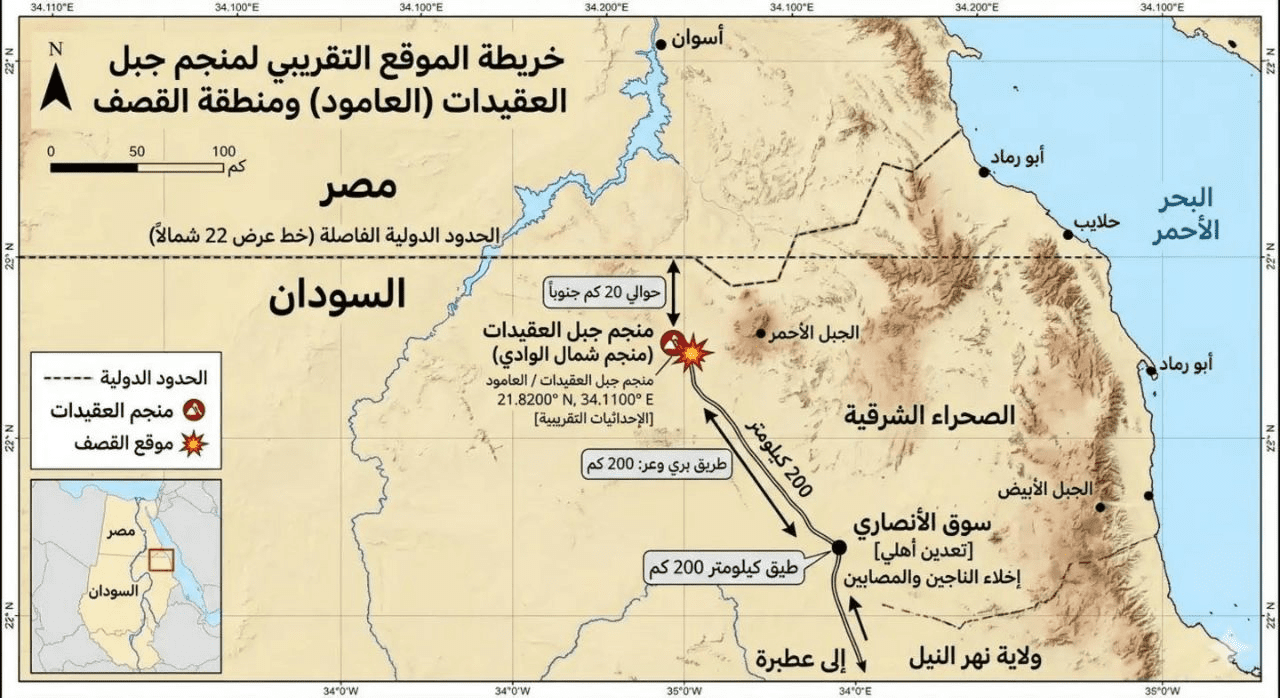
Statements attributed to the families of the victims indicate that the attack took place in the evening hours, when a gathering of miners was targeted in an area some 20 kilometres from the Sudanese-Egyptian border, which has sparked wide debate over the nature of the operation and its legality, amid the absence of any clear official comment from the Sudanese government as of the time of publishing this information.
The Darfur Victims Support Organisation also stated in a communiqué that this attack is not the first of its kind, but rather the third incident in which Sudanese miners have been killed inside their territory in similar circumstances, holding the Egyptian army fully responsible for what it described as "violations," and calling on the international community, including the Security Council, to intervene to halt what it considered a serious escalation against civilians.
The organisation adds that the victims come from several Sudanese states, including Kassala, Sennar and Shendi, reflecting the broad scope of those affected by these events and their connection to a wider wave of tensions in border mining areas.
By contrast, the Sudanese government has remained relatively silent regarding these accusations, which further deepens the uncertainty surrounding what is taking place in the mining areas of the Red Sea, especially in the absence of official military or diplomatic statements either denying or confirming the details of the field operations.
This escalation comes at a time when traditional mining areas in Sudan suffer from clear security fragility, as many of these sites turn into flashpoints of dispute due to mineral wealth and cross-border overlaps, making any military development there likely to trigger broader regional repercussions if it is not addressed through clear and publicly announced diplomatic channels.


