


On the morning of Tuesday, 23 Jumada al-Akhirah 1422 AH, corresponding to 11 September 2001 CE, the United States was not facing a conventional military attack, but an operation unprecedented in its nature and the scale of its impact. Nineteen members of al-Qaeda hijacked four American passenger aircraft and turned the planes themselves into weapons to strike targets inside the United States. The day ended with the deaths of nearly three thousand people, but in truth it did not end at the borders of New York, Washington and Pennsylvania; it opened a new historical phase whose effects extended to Afghanistan, Iraq, the Middle East and Europe, and reshaped the concepts of security, war, surveillance and US foreign policy for decades.
What happened on the morning of 11 September?
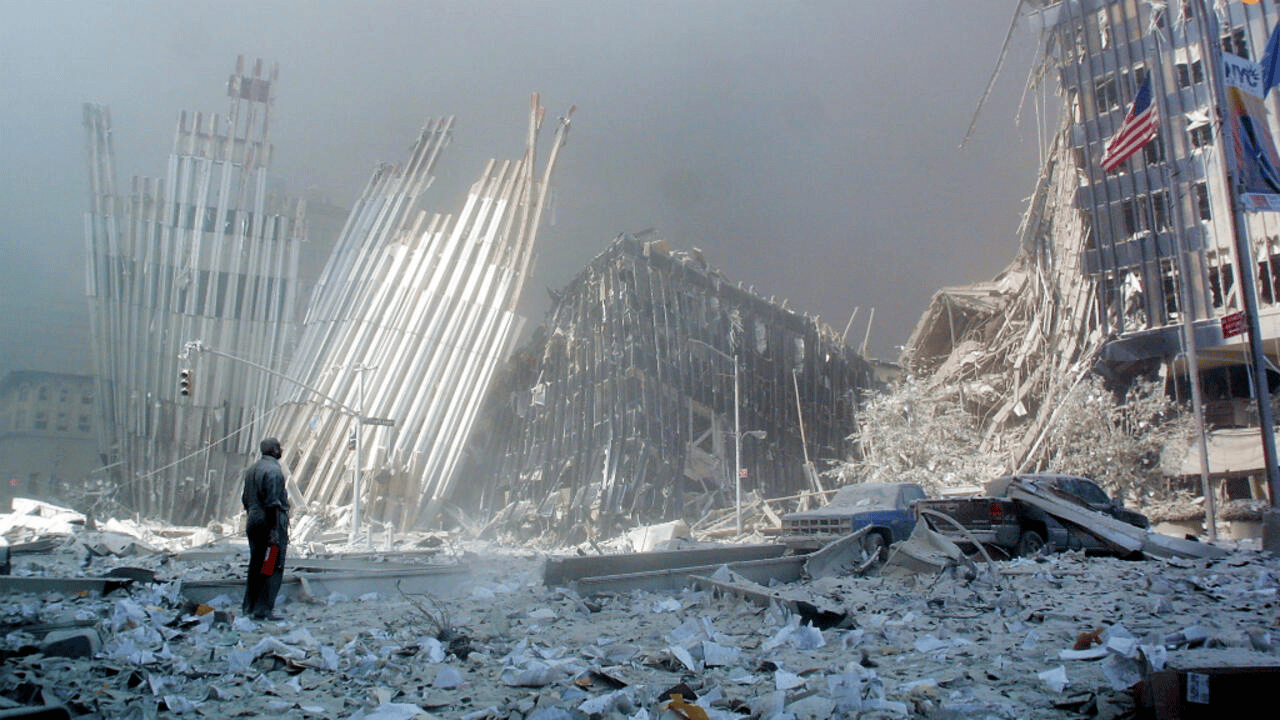
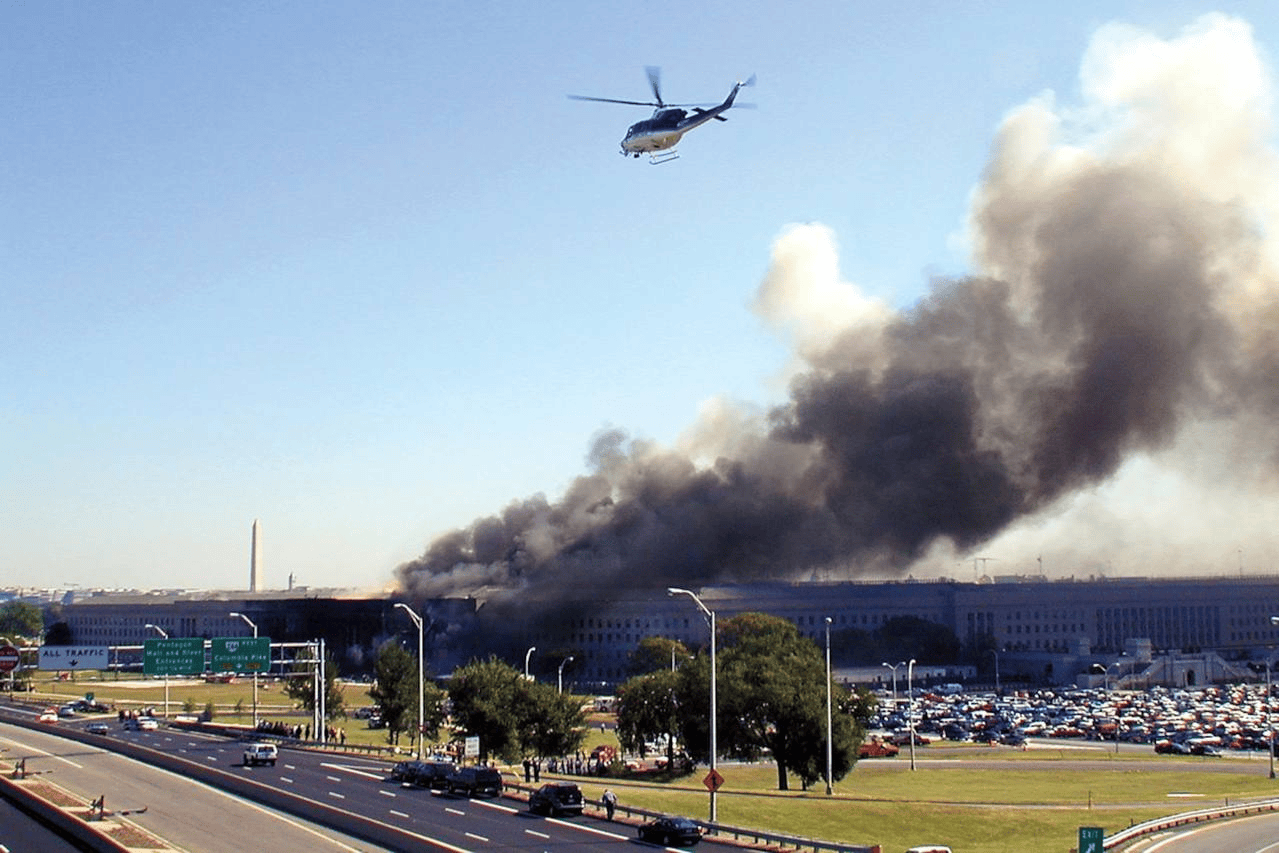
The operation began when four civilian aircraft on domestic flights were hijacked. American Airlines Flight 11 struck the North Tower of the World Trade Center at 8:46 a.m., and United Airlines Flight 175 struck the South Tower about 16 minutes later. The US Department of Defense building, the Pentagon, was hit by a third aircraft, while the fourth aircraft, Flight 93, crashed in Pennsylvania after its passengers resisted the hijackers; its intended target is believed to have been the White House in Washington.
The South Tower collapsed first, followed by the North Tower. The engineering investigation carried out by the US National Institute of Standards and Technology (NIST) concluded that the aircraft impacts caused extensive structural damage and dislodged fire-protection materials, and that multi-floor fires then weakened the steel elements until collapse began. The investigation found no evidence supporting the hypothesis of a controlled demolition using explosives.
The operation was the result of years of planning. According to the 9/11 Commission, Khalid Sheikh Mohammed proposed to al-Qaeda's leadership in the late 1990s the idea of using hijacked aircraft in attacks inside the United States; Osama bin Laden then adopted the project, and practical preparations for the operation began in 1419 AH (around 1999). According to the US investigation, planning and execution cost between 400,000 and 500,000 dollars.
Why did al-Qaeda target the United States?
To understand the motives behind the attacks, one must go back to the 1990s, not only to the morning of 11 September.
Osama bin Laden had gradually shifted from focusing on local conflicts to the concept of targeting what he called the "far enemy", namely the United States. The 9/11 Commission identified several central elements in al-Qaeda's rhetoric at the time, most prominently the presence of US forces in Saudi Arabia after the Gulf War, US policy in the Middle East, and US support for the Israeli occupation, alongside a broader ideological outlook that saw the United States as the main power protecting the regimes and policies the organisation opposed.
However, these political grievances were not the sole cause of the attack. They were merged into a transnational jihadist ideological framework that regarded targeting Americans as a legitimate means of forcing Washington to withdraw from the region and of provoking a wider confrontation with it.
Here a more complex paradox emerges: al-Qaeda wanted to weaken American influence and ultimately force Washington to pull back from the region, yet it simultaneously bet on provoking the United States and drawing it into long wars that would drain its strength and resources. Part of this scenario did materialise after 11 September: Washington responded with the broadest military and security campaign it had undertaken in decades, from Afghanistan to Iraq and other arenas, and spent trillions of dollars over more than twenty years. The paradox, then, was not that America intervened contrary to what al-Qaeda wanted, but that the broad intervention itself was among the outcomes al-Qaeda bet would, over time, become a burden draining the United States.
Why did the operation succeed?
Perhaps this question is more important than the question of how the operation was carried out. Al-Qaeda was not entirely unknown before September 2001. It had carried out or been linked to a series of earlier attacks, most notably the bombing of the two US embassies in Kenya and Tanzania in 1998, and US intelligence agencies were aware that bin Laden wanted to strike American targets.
Indeed, intelligence reports preceding the attacks carried notable warnings, among them a report in August 2001 titled to the effect that "bin Laden is determined to strike inside the United States." Nevertheless, the various institutions were unable to gather the scattered information and turn it into a clear operational picture that could prevent the attack.
For this reason, the 9/11 Commission concluded that one of the most prominent failures was a failure of institutional imagination and coordination: different bodies held pieces of information, but there was no system capable of connecting them all in time.
It was from precisely this point that one of the greatest transformations triggered by September began: the rebuilding of the American security apparatus itself.
Why were the 11 September targets chosen?
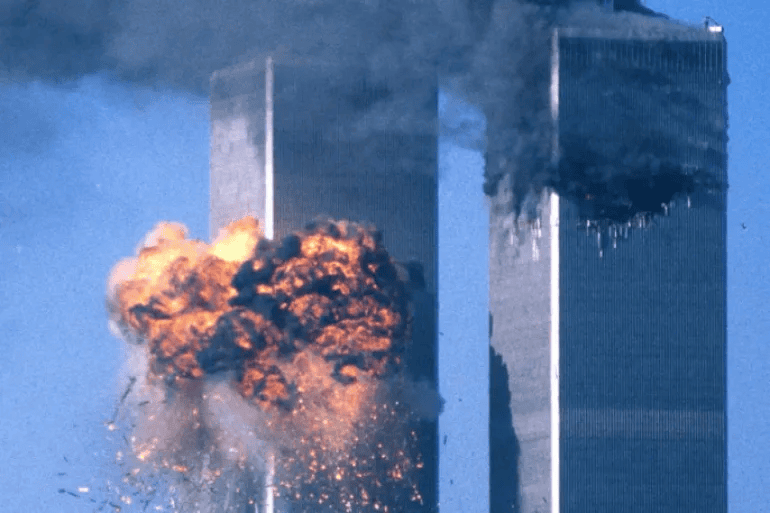
The planners of the 11 September attacks did not merely want to inflict the largest possible number of casualties; they wanted to strike symbols of American power at the heart of the United States. The World Trade Center embodied economic and financial power. According to the 9/11 Commission report, Khalid Sheikh Mohammed believed that influence over American policy passed through striking its economy, and therefore regarded New York, which he described as the economic capital of the United States, as a principal target. The building had already featured in his thinking since the 1990s, after an attempt to bomb it in 1413 AH (1993 CE).
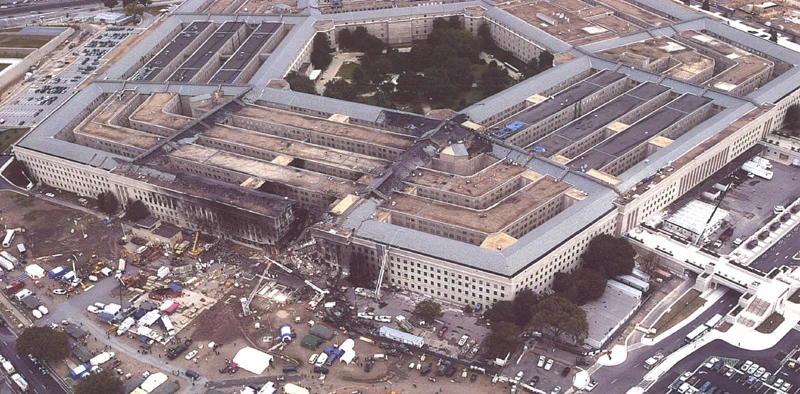
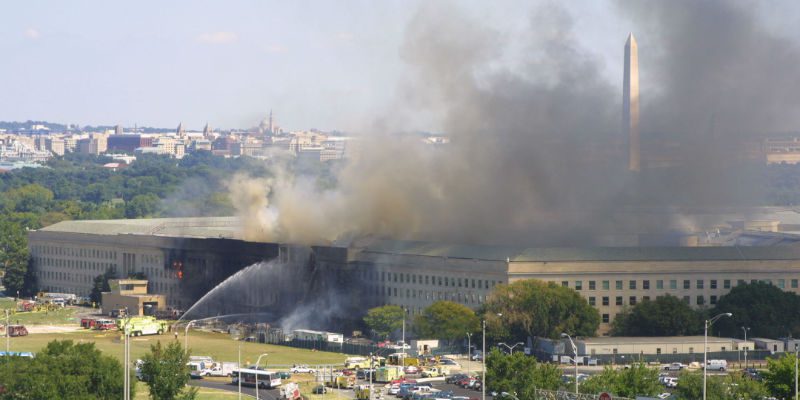
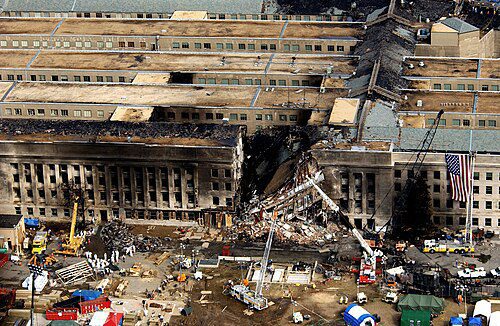
The Pentagon directly represented American military power and the Department of Defense that manages the United States' military deployments around the world. It is a symbol of American prestige, the greatest global power imposing its dominance on the world through its strength. US official sources themselves acknowledge this symbolic dimension: the twin towers were symbols of American economic power, while the Pentagon represented military power.
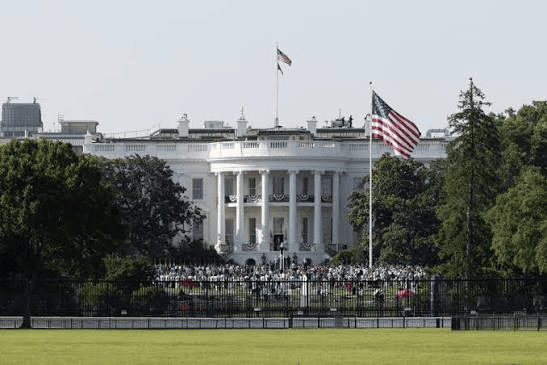
The fourth target carried a greater political significance. The initial list included the White House and the Capitol building; bin Laden tended toward striking the White House, while the importance of targeting the Capitol was also agreed upon. The planners' communications show that they used code words for these sites: "architecture" for the World Trade Center, "arts" for the Pentagon, "law" for the Capitol, and "politics" for the White House. The date was also chosen partly after the first week of September so that Congress would be in session.
From this, the selection of targets can be read as a compound message: striking the economy in New York, military power at the Pentagon, and then the centre of command or political decision in Washington. In other words, the attack was not directed at scattered buildings so much as, symbolically, at the three pillars of American power: money, weapons and political decision-making. This is an analytical reading that rests strongly on the nature of the targets and what investigations revealed about how they were chosen, not on a single statement left by the perpetrators explaining this symbolism literally.
As for the fourth aircraft, Flight 93, it did not reach its target and crashed in Pennsylvania after the passengers resisted. The 9/11 Commission says its most likely destination was the Capitol or the White House.
The planners of 11 September chose targets that condensed the image of the United States itself: the World Trade Center as a symbol of its economic strength, the Pentagon of its military strength, and the White House or the Capitol of its political authority. It was as if the intended message was that the blow could reach money, weapons and decision-makers together, in the heart of American territory that no one had dared to strike before, even during the world wars. The attack on Pearl Harbor did not extend beyond Oahu island in the middle of the Pacific Ocean. Hawaii was then a US territory and did not become a US state until 1379 AH (1959 CE).
Accordingly, the attacks of 11 September are regarded as the first assault to hit the American mainland itself, targeting New York and Washington and shaking an American prestige that world wars had failed to shake. They were carried out not by major states but by a jihadist organisation and a limited number of Muslim men who came from family backgrounds that were not marked by poverty or ignorance.
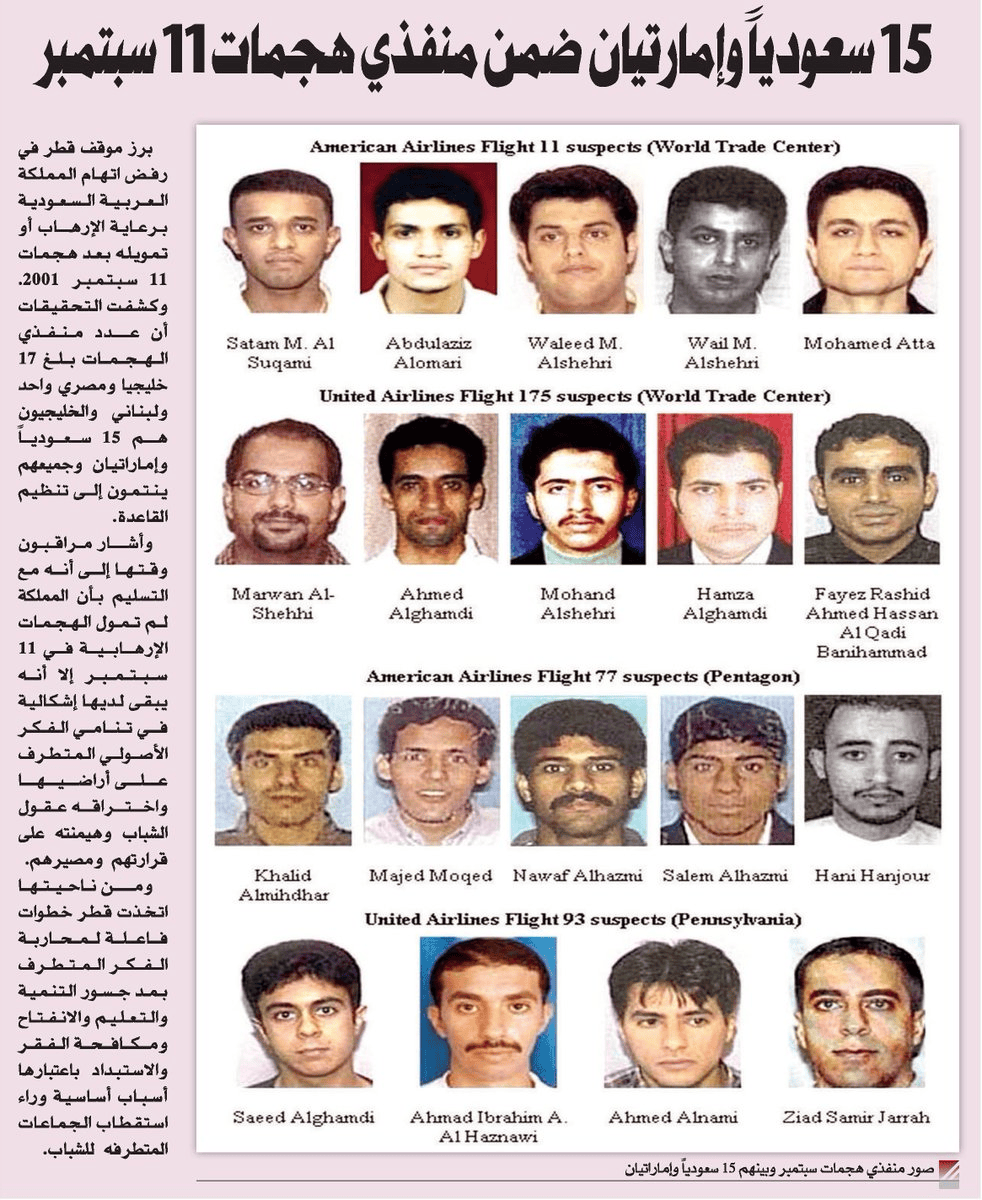
The 11 September perpetrators were 19 men belonging to al-Qaeda, most of them from Arab countries: 15 were Saudis, two were from the United Arab Emirates, one was Egyptian, and one was Lebanese. Their social and educational backgrounds varied; they were not poor or poorly educated, and some of the most prominent planners and perpetrators had received university education and lived in Europe and the United States. Mohamed Atta, an Egyptian, was the operational group's leader and one of the pilots, while a number of the group's members trained as pilots inside the United States. They were recruited and directed within al-Qaeda's network following varying paths of recruitment and contact with the organisation, before entering the United States and preparing for the attack.
Bush declares a crusade
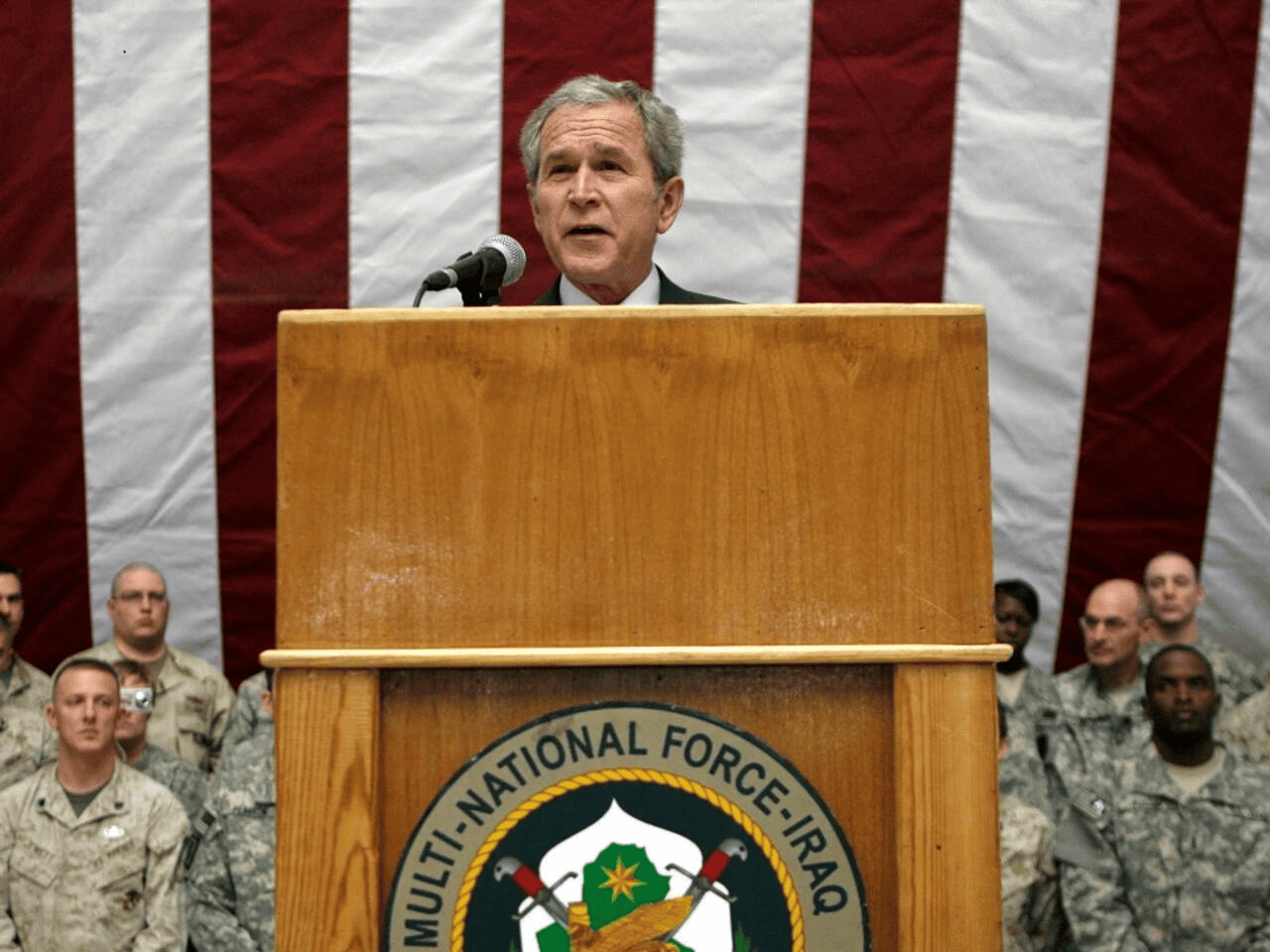
On 16 September 2001 CE (28 Jumada al-Akhirah 1422 AH), only five days after the 11 September attacks, US President George W. Bush sparked wide controversy when he told reporters that "this crusade, this war on terrorism, is going to take a while". His use of the word "crusade" provoked considerable sensitivity in the Muslim world, given the heavy historical and religious legacy carried by the term "Crusades", particularly in the context of an anticipated American war in countries with Muslim-majority populations.
The administration later moved to downplay the phrase, asserting that Bush had used it in the sense of a "broad campaign" and not in the sense of a religious war against Islam, and Bush subsequently repeatedly stressed that the United States was not fighting Islam but terrorist organisations. Nevertheless, the remark remained present in political and media debate, and al-Qaeda later used it to counter the American narrative of the so-called "war on terror" as a religious confrontation between the West and the Muslim world.
The "war on terrorism" began in Afghanistan
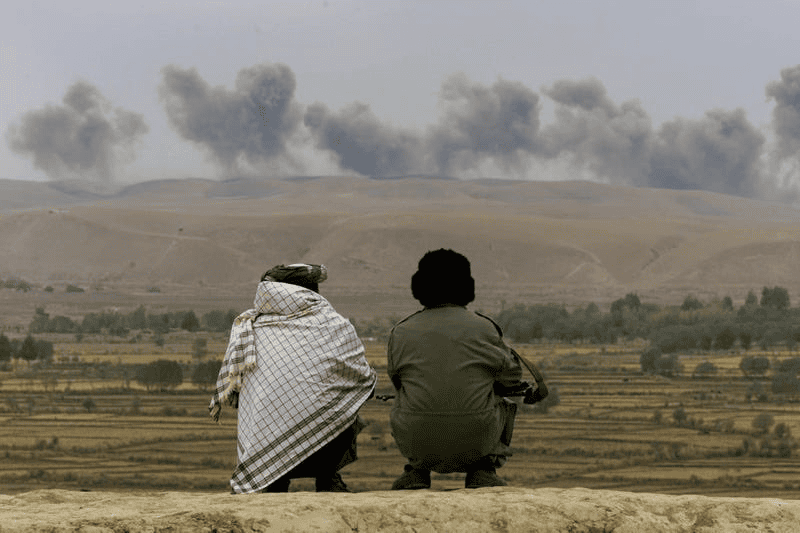
Less than a month after the attacks, the United States and its allies began the war in Afghanistan in October 2001, with the aim of toppling the Taliban government that was hosting al-Qaeda's leadership.
Taliban rule collapsed relatively quickly, and the United States failed to capture Osama bin Laden, who disappeared along with a number of the organisation's leaders. But the war that initially appeared to be a short military operation turned into the longest war the United States had fought in its modern history.
US forces remained in Afghanistan for nearly twenty years, before the final withdrawal in August 2021. After the withdrawal, the Taliban returned to power, a historic outcome carrying a clear irony: the regime toppled after the September attacks returned to Kabul after two decades of war.
As for bin Laden, the US command announced his death at the hands of a US special forces unit in Abbottabad, Pakistan, in May 2011. But his body was never publicly shown, and the account of his death has been surrounded by confusion.
The killing of bin Laden: an official account that remained surrounded by questions
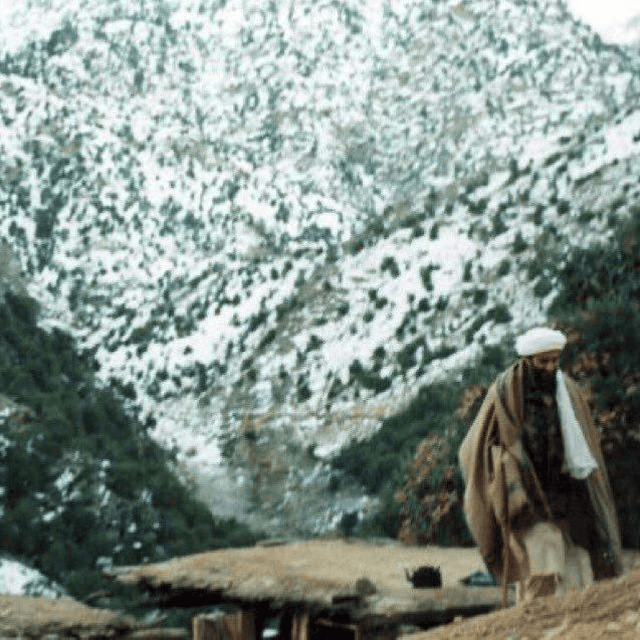
On 2 May 2011 CE (29 Jumada al-Ula 1432 AH), the United States announced that Osama bin Laden had been killed during an operation carried out by special forces in a residential compound in the Pakistani city of Abbottabad. It said that his body was then taken aboard the US aircraft carrier USS Carl Vinson and buried at sea within hours of his death, on grounds of observing Islamic burial rules within twenty-four hours.
Nevertheless, the official account was not free of confusion. The US administration was forced to correct a number of details it had announced in the first hours, including initially saying that bin Laden was armed and that one of his wives had been used as a human shield, before it later emerged that he had not used the woman in that way. Washington also did not publish images of the body, although it acknowledged that photographs of the operation and its aftermath existed, and justified this by fear that the images would become material for incitement.
Authorities said they had verified his identity through DNA and other means, but the rapid disposal of the body, the absence of public images of it, and changes in some details of the account in the first days left wide room for doubt and alternative theories. Nevertheless, the existence of these gaps and questions does not in itself constitute historical evidence that bin Laden was not killed; rather, it essentially reveals a problem with the transparency of the American account and the way it was presented to public opinion.
It took nearly ten years after the 11 September attacks to reach Osama bin Laden, a period that reveals the scale of the difficulty the United States faced in tracking him despite the enormous intelligence and military resources it mobilised for that purpose.
Most notably, he was not hiding in a remote cave on the Afghan border as had long been imagined, but was found in a residential compound in the Pakistani city of Abbottabad, close to prominent Pakistani military institutions. This location itself became part of the debate: it showed that bin Laden was able for years to remain hidden in a place that was not at the forefront of the probable options, which raised questions about the failure of intelligence agencies to detect his presence, and how the world's most wanted man could live so long far from international pursuit.
Palestine present in Abbottabad
After the killing of Osama bin Laden, aerial images and published plans of his compound in Abbottabad drew a notable observation: some observers and newspapers saw a resemblance between the compound's irregular boundary shape and the map of Palestine. Some analyses concluded that bin Laden intended a Palestinian symbolism by it, serving as a reminder of the reasons behind his targeting of Americans who support the Israeli occupation without restraint.
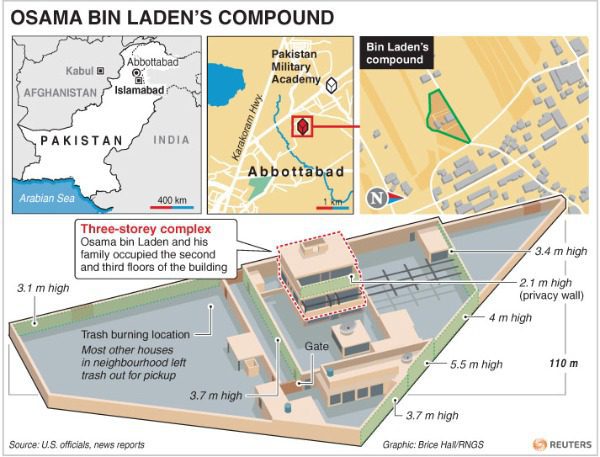
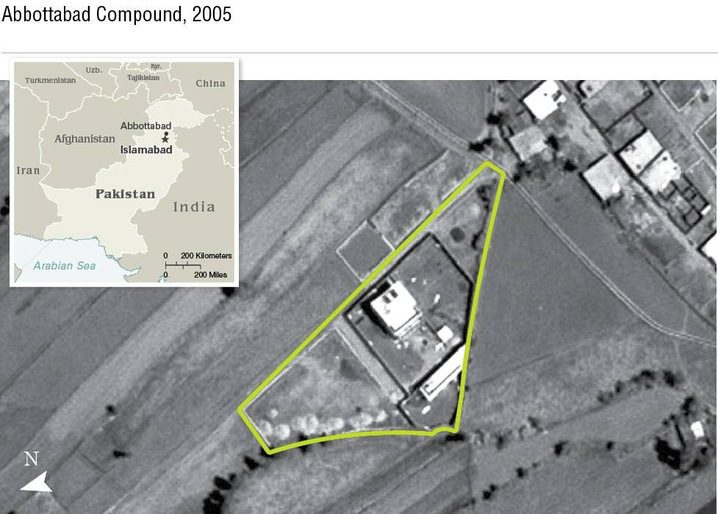
From the air, bin Laden's compound resembled the historic map of Palestine before 1367 AH (1948 CE), and according to this comparison the main house lies roughly at the position where Jerusalem is located on the map.
Then came the Iraq war
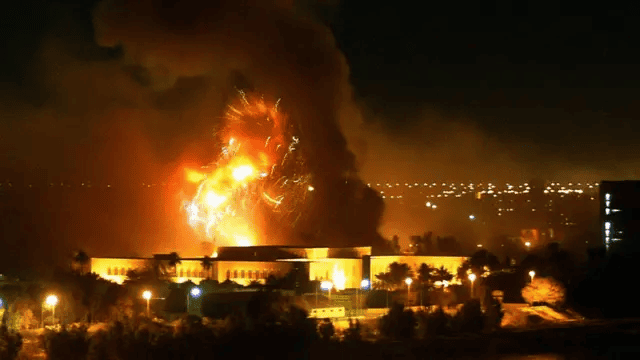
On 17 Muharram 1424 AH, corresponding to March 2003 CE, the United States invaded Iraq and overthrew Saddam Hussein's regime.
Historically, it is necessary here to separate two matters that were often conflated later: the 9/11 Commission did not establish that the Iraqi government took part in planning the 11 September attacks. However, the administration of President George W. Bush placed Iraq within the political and strategic environment that arose under the heading of the "war on terrorism", and linked the invasion of Iraq to the issue of weapons of mass destruction and to the security risks which, it said, the September attacks had shown must be confronted pre-emptively.
The declared stockpiles of weapons of mass destruction, which were one of the most important justifications for the war, were not subsequently found.
The invasion had profoundly deep effects: the collapse of the Iraqi state, the dismantling of the army, a civil war, and the rise of armed groups, among them al-Qaeda in Mesopotamia under the leadership of Abu Musab al-Zarqawi, and the later emergence of the "Islamic State" organisation from the jihadist environment that developed in Iraq and Syria.
Thus, one of the most serious indirect outcomes of the post-September period became that the war declared to confront jihadist organisations contributed, in some of its arenas, to producing conditions that helped more widespread organisations to emerge.
11 September changed the American state from within
Before the attacks, air travel, security procedures and intelligence surveillance inside the United States were radically different from what they became afterwards.
The USA PATRIOT Act was passed on 9 Sha'ban 1422 AH, corresponding to 26 October 2001. It expanded the powers of investigative and intelligence agencies, particularly in information sharing, surveillance and investigations linked to national security.
The Department of Homeland Security was then established, airport security agencies were reorganised, and procedures on travel, visas, border control and financial transfers were tightened.
Counter-terrorism thus became a permanent principle within state institutions, rather than merely a temporary response to a single attack.
At the same time, this generated a long debate over the balance between security, privacy and civil liberties, particularly after the disclosure of wide-scale surveillance programmes.
The meaning of war itself changed
One of the most important effects of 11 September was that the United States shifted from traditional wars against states to a new model based on striking non-state networks and organisations across the borders of many countries.
The use of drones, special operations and targeted killings expanded, and counter-terrorism became a global military and intelligence activity extending from Afghanistan and Pakistan to Yemen, Somalia, Syria, Iraq and other areas.
Thus the front was no longer a clear line between two armies, but a global network of military and intelligence operations.
The human cost was far greater than the day of the attack itself
Nearly three thousand people were killed in the 11 September attacks themselves. But the wars that followed caused far greater losses.
The Costs of War project at Brown University estimates that between roughly 905,000 and 940,000 people were killed directly by violence in the post-9/11 wars through 2023, including at least roughly 409,000 civilians. It also estimates that indirect deaths resulting from the collapse of health services, poverty, malnutrition and disease could reach several million more, while stressing that an exact final figure is impossible to determine.
The project also estimates that more than 38 million people were displaced in the countries affected by those wars. This is without mentioning the American secret prisons, human rights violations, or the blockade of every Islamic project and institution. The direct and future American costs linked to the post-September wars also exceeded trillions of dollars.
Economically, the 11 September attacks were not a one-day event: they launched a series of wars and security operations whose total cost to the United States Brown University estimated at roughly 8 trillion dollars, comprising military and security spending, interest on debt, and long-term care for veterans. The repercussions of the attacks thus became one of the most costly military and security undertakings in modern American history.
These figures do not mean that every conflict after 2001 was directly caused by 11 September, but that they measure the wars and operations associated with the American military and political system known as the "War on Terror".
What changed in the Islamic world?
The Islamic world may have been the region of the globe most affected by what occurred. Afghanistan and Iraq bore the direct cost of the two largest wars. In other areas, the American military presence expanded, security cooperation programmes grew, and new bases, agreements and intelligence operations emerged.
At the same time, the image of Islam and Muslims became a permanent focus of the Western debate on terrorism, migration and integration.
Western countries saw a rise in manifestations of hostility towards Muslims after the attacks, while many governments and institutions sought to stress the separation between Islam as a religion and terrorist organisations.
Politically and in the media, however, the concept of "Islamic terrorism" became a highly present part of Western public discourse over the following two decades, influencing elections, migration, legislation and security policies.
One of the paradoxes that followed 11 September was that the attacks, despite the fear and hostility towards Muslims they unleashed, simultaneously led many Americans to seek out Islam, read the Qur'an and visit mosques to understand a religion that had suddenly become central to public debate. For a large number, this path ended in conversion to Islam, and the following years saw recurring accounts of Americans who said their first serious encounter with Islam began after the attacks. While studies do not provide an exact figure allowing the claim that the attacks alone produced a specific wave of conversions, what is certain is that they produced an unprecedented wave of interest in the religion, alongside rising hostility and discrimination against Muslims.
This is a remarkable paradox: the attack that made Islam the object of global accusation also made it the object of study and reading for millions of people who had known little about it.
Did al-Qaeda achieve its goals?
The answer is complex. Militarily and organisationally, al-Qaeda suffered enormous blows. Osama bin Laden and a large number of the organisation's leaders were killed, and the organisation lost the capacity it had possessed before September to run large centralised operations with ease similar to what occurred in 2001. But the jihadist idea did not disappear; it intensified.
Branches of al-Qaeda emerged in Yemen, North Africa, the Sahel, Somalia and Syria, and then from the Iraqi environment emerged the "Islamic State" organisation, which in 1435 AH (2014 CE) managed to take control of large areas of Iraq and Syria before the United States was forced to undertake another broad war against it in the region.
Did the United States achieve its goals?
It too achieved both successes and failures in equal measure.
Since 1422 AH (2001 CE), American territory has not faced a foreign attack comparable in scale to the 11 September operation, which was the first attack to succeed in destroying prestigious targets with an impact on American territory, and the security and intelligence systems became more capable of tracking transnational organisations.
However, the United States in return fought long and costly wars, especially in Iraq and Afghanistan, lost thousands of soldiers and spent enormous sums, while many regions remained unstable and outside the Western order of domination.
In Afghanistan the war ended with the return of the Taliban to power, an image that many historians have come to regard as a symbol of the contradiction between American military superiority and the difficulty of turning that superiority into lasting political results.
Architectural effects that are not often seen
Even the design of skyscrapers changed because of 11 September.
The investigations into the collapse of the World Trade Center led to amendments to building and safety standards, including reinforced emergency stairwells, lifts, fire-resistance systems, communications for firefighters, and the design of structures to resist progressive collapse. NIST says its investigations contributed to more than 40 amendments within international building codes and 15 amendments to key fire-protection standards.
In other words, the impact of one day extended even to the way towers are built and evacuated around the world.
And after 25 years, has the era of 11 September ended?
Today, on the twenty-fifth anniversary of the attacks, it can be said that the era of 11 September has only partially ended.
The United States withdrew from Afghanistan. Washington now gives its rivalry with China and Russia greater priority than the "Global War on Terror". Al-Qaeda is no longer the central threat it represented at the beginning of the century, although counter-terrorism remains on the priority list of the American security establishment.
The structure created by that day still stands: national security laws, surveillance agencies, fortified airports, counter-terrorism operations beyond borders, presidential war powers, American bases and security agreements, and a permanent debate over the relationship between security and liberty.
Beyond that, the countries that became battlegrounds of the post-September wars still live with much of their consequences.
7 October in Gaza
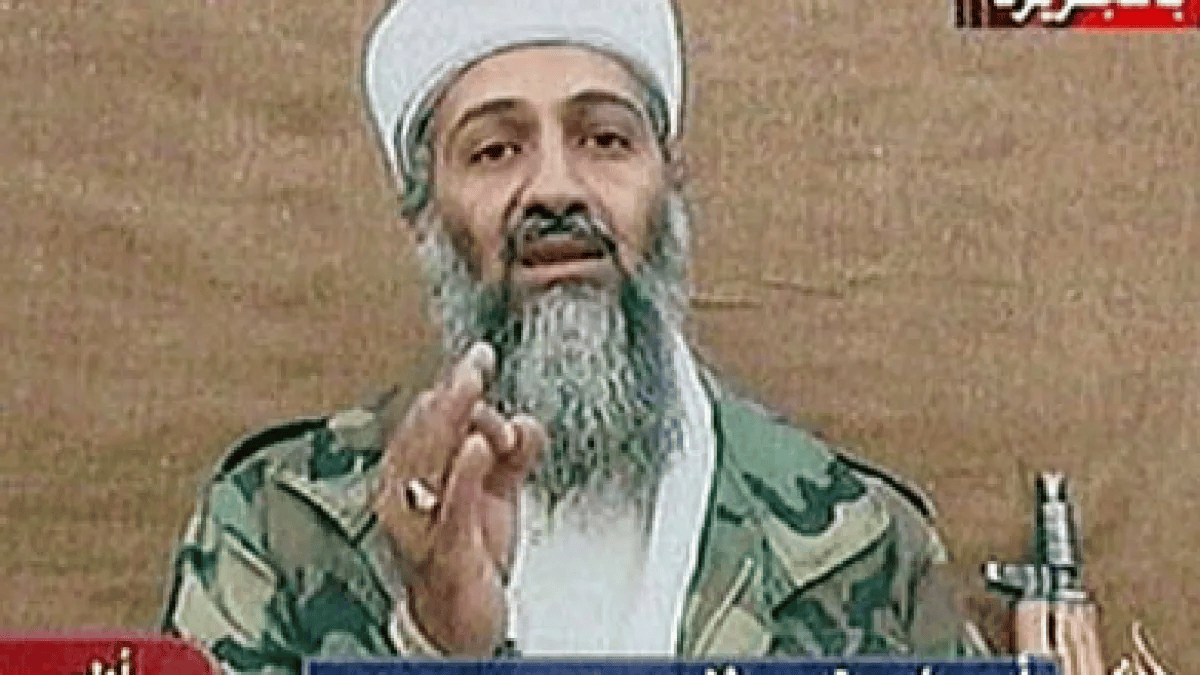
Notably, more than two decades after 11 September, the Palestinian cause has resurfaced in the rhetoric of armed organisation leaders as a cause whose global attention they seek to seize by force. Osama bin Laden placed American support for the Israeli occupation and what was happening in Palestine among the most prominent grievances al-Qaeda used in its rhetoric against the United States, and the 9/11 Commission notes that bin Laden saw striking the United States as a means of supporting the conflict in the Palestinian territories and forcing Washington to change its policies in the region according to a strategy of "striking the head of the snake". His oath, which was circulated by international media, is still on record:
Twenty-two years later, the attack of 7 October 2023, 22 Rabi' al-Awwal 1445 AH, carried from Hamas's side a different logic and a direct Palestinian context, but it shared a broader political objective: breaking a reality perceived as the growing marginalisation of the Palestinian cause, especially as regional normalisation tracks accelerated. Reuters reported from the first days of the attack that the message was that the Palestinians could not be bypassed in any new regional arrangement.
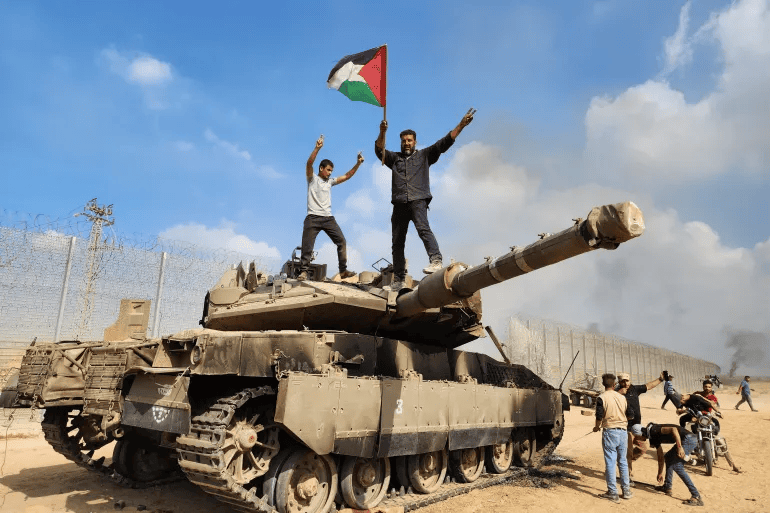
But the resemblance in the attempt to "return Palestine to the centre of the stage" does not mean the two events or the two organisations are equivalent. Al-Qaeda is a transnational jihadist organisation that targeted American territory within a broader project of confrontation with Washington, while the 7 October operation arose in the context of the direct Palestinian–Israeli conflict and was carried out by Hamas within its own political and military project. What the two cases historically share is the use of a major military shock as a means of changing the international agenda; yet in both cases the outcome was accompanied by enormous human and political costs, and in both the repercussions far exceeded the calculations that preceded the moment of attack.
11 September was not merely an attack
The error in studying 11 September is to view it as an incident that began and ended in New York within a few hours.
Historically, the attack was a turning point between two phases of the international system. Before that day, the United States was the sole power emerging from the Cold War at the height of its self-confidence. Afterwards, counter-terrorism became a central axis of its foreign policy.
America entered Afghanistan, then Iraq; the Middle East changed; intelligence agencies expanded; travel and surveillance laws were transformed; wars extended across generations; and new organisations emerged from the womb of older conflicts.
Perhaps for this reason the significance of 11 September is measured not by the number of victims of that day alone, but by the chain of decisions, wars and transformations it set in motion.
A quarter century after the attacks: 11 September is still present inside America
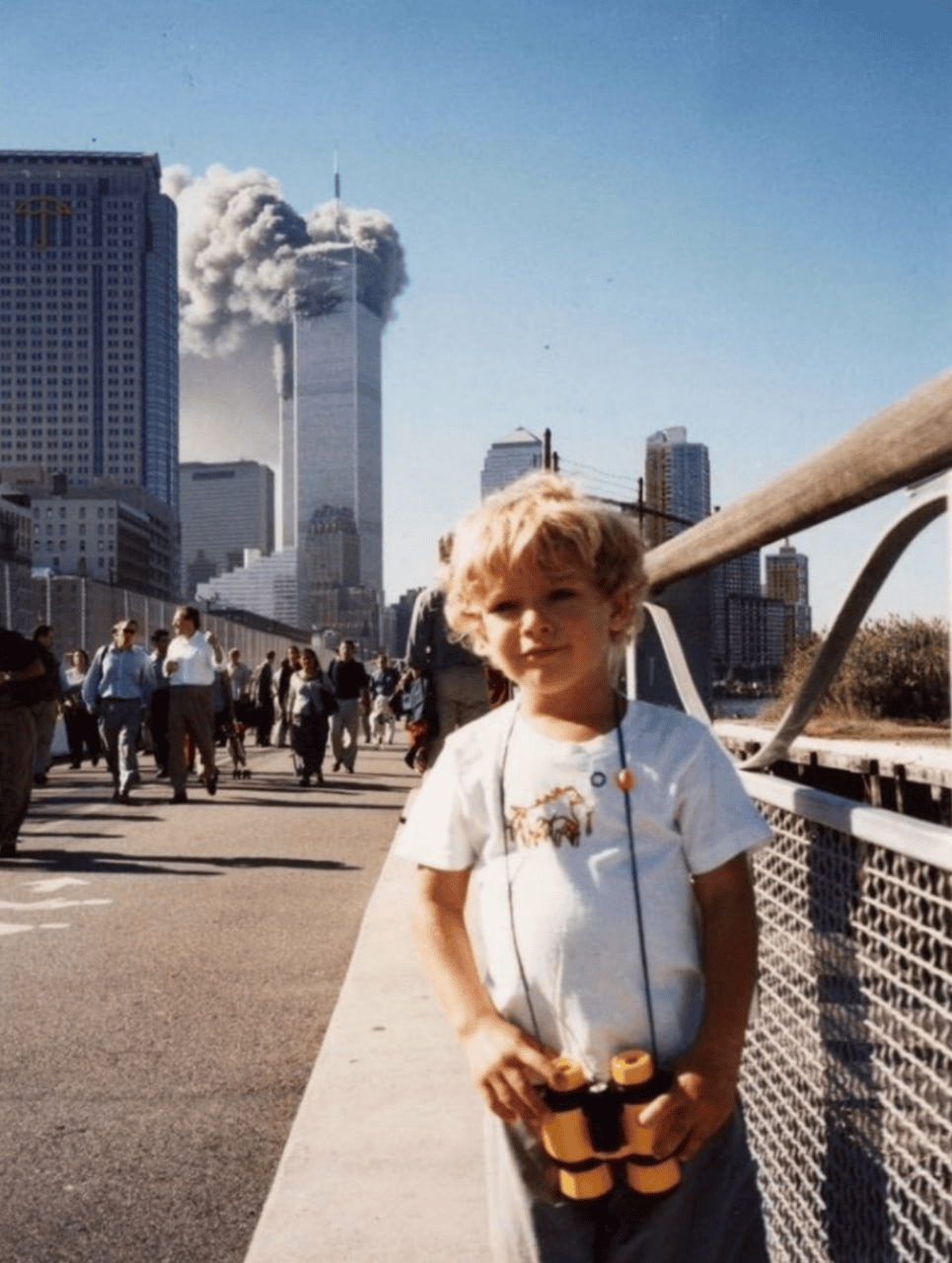
After twenty-five years, the effects of 11 September are no longer measured only by the wars the United States fought beyond its borders, but also by what it changed within American society and the state itself. A recent Pew Research Center survey on the twenty-fifth anniversary shows that 83% of Americans born before 2001 still remember precisely where they were and what they were doing when they learned of the attacks, rising to 93% among those who were ten or older at the time, reflecting the event's continued strong presence in American collective memory.
The deeper impact, however, was institutional and political. Pew research found that 11 September brought a major shift in how Americans viewed security and liberties: immediately after the attacks, 55% said fighting terrorism might require ordinary citizens to give up some civil liberties, compared with only 29% four years before the attacks. Over time this willingness declined, but the debate that began then over the limits of surveillance and government powers did not end, and it intensified after the disclosure of wide-scale surveillance programmes.
The health effects of the attacks themselves also continue. The federal health programme for the World Trade Center still funds and follows hundreds of studies on the diseases and health complications suffered by rescue workers, workers and residents exposed to dust and toxic materials at the attack site, meaning that after a quarter century 11 September remains a live health issue and not merely a closed historical event.
Politically, the attacks left a lasting legacy of laws, powers and institutions established under the banner of counter-terrorism. The debate between "security" and "liberty" became one of the permanent features of American politics; later polls showed that Americans, while supporting the pursuit of terrorism suspects, simultaneously expressed growing objection to the collection of their personal data and the wide-scale monitoring of their communications.
For this reason, it can be said that for the United States 11 September did not end on 11 September 2001: the wars it started have receded, but the security structure it generated, the questions concerning surveillance, privacy and liberties, and the health, psychological and collective-memory effects, continue to extend to this day. Perhaps this is one of the most important aspects of the attacks' legacy: that they changed the way America thinks about danger, the state and security, not only its foreign policy.
A quarter century on, the United States has left Afghanistan, the "War on Terror" has receded from the top of its priorities, and it has entered a phase of confronting its international rivals while burdened by the costs of two decades of war and counter-terrorism. Yet America itself has not fully emerged from the era of 11 September. That day has become a landmark in modern American history, and indeed in the history of the contemporary world as a whole, reshaping concepts of security, war and surveillance, changing the priorities of foreign policy, and setting in motion transformations whose effects continue today.


