


Saudi Arabia has escalated the issue of attacks on humanitarian aid in Sudan to the UN Security Council, accusing the Rapid Support Forces of carrying out a drone attack on a Saudi aid shipment near the city of El Obeid in North Kordofan, at a time when the area is witnessing a rise in the use of drones alongside intensifying fighting between the Sudanese Army and the Rapid Support Forces.
Riyadh filed a complaint with the Security Council and the UN Secretary-General regarding the incident, calling for the protection of humanitarian operations and ensuring that aid workers are not targeted and that the delivery of aid to civilians is not obstructed.
Drone Targets Truck Carrying Saudi Aid
According to a letter sent by Saudi Arabia's Permanent Representative to the United Nations, Abdulaziz Alwasil, to the Security Council and the UN Secretary-General, the attack occurred around midnight on 17 August 2026 near the entrance to the city of El Obeid, capital of North Kordofan State.
Saudi Arabia said a drone targeted a truck carrying aid provided by the King Salman Center for Relief and Humanitarian Aid as part of a food security project implemented by a local partner.
According to the Saudi letter, the attack caused the trailer to burn and destroyed 1,150 food baskets intended for those in need, with no human casualties recorded.
Riyadh said it had received official confirmation from the Sudanese Ministry of Foreign Affairs holding the Rapid Support Forces responsible for the attack.
The Rapid Support Forces have not issued an immediate response to the accusation, and no independent investigation has yet been published that separately establishes which party launched the drone; accordingly, the Rapid Support Forces' responsibility for this incident remains an official Saudi accusation supported by the Sudanese government.
Saudi Arabia Takes the Case to the Security Council
What is new in the case is not the attack itself, which dates back to August, but Saudi Arabia's formal move at the level of the United Nations.
The Saudi envoy requested that the letter be circulated as an official Security Council document, and warned against the targeting of humanitarian operations and their personnel and the obstruction of aid delivery to civilians in Sudan.
Saudi Arabia had previously told the Security Council that facilitating the delivery of humanitarian aid to all affected areas, including Darfur and Kordofan, is a priority, and called for ensuring its unimpeded access and respect for international humanitarian law and the Jeddah Declaration on the Protection of Civilians.
Riyadh had also previously condemned what it described as the Rapid Support Forces' targeting of World Food Programme aid convoys in North Kordofan using drones.
Aid Convoys Enter the Line of Fire
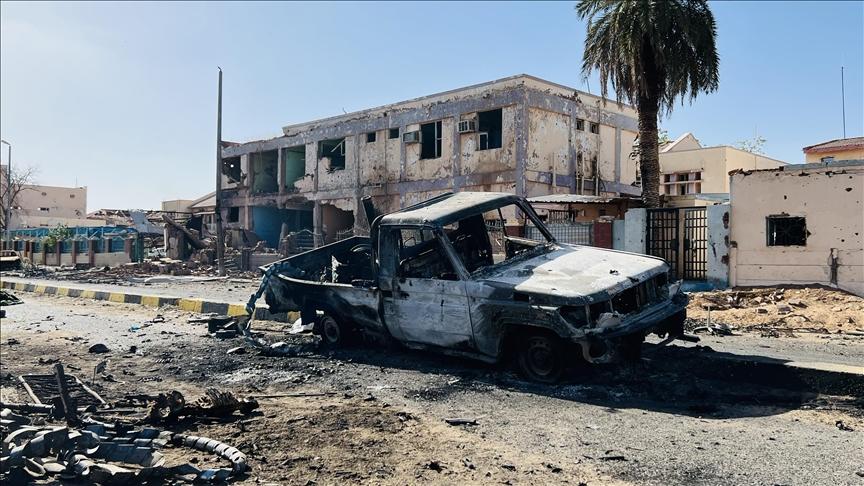
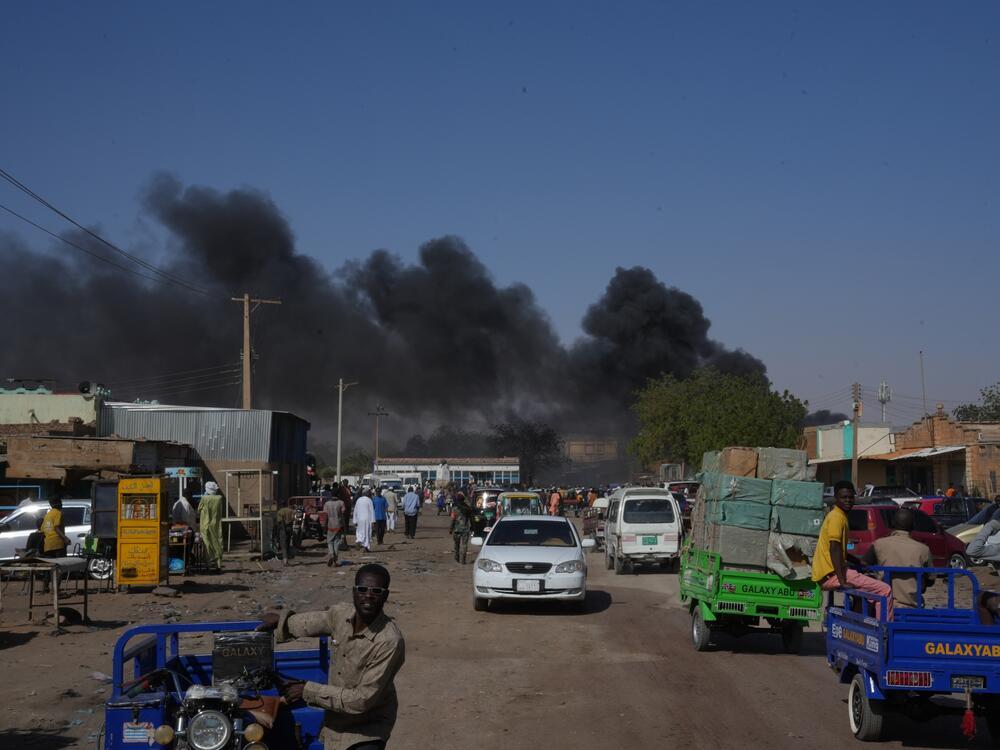
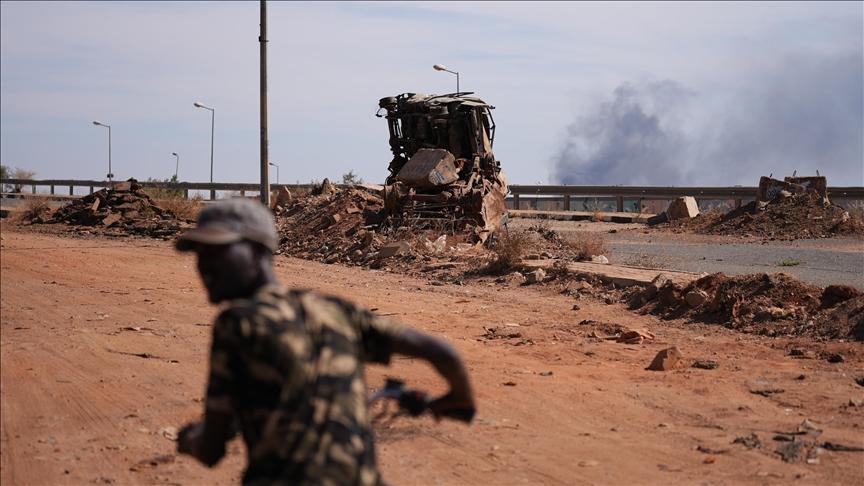
The Saudi complaint comes amid growing reports of relief convoys and humanitarian workers being attacked during the Sudanese war.
In early September, the Sudan Doctors Network said a United Nations-affiliated humanitarian aid convoy was attacked in Dilling in South Kordofan while heading toward Kadugli, resulting, according to the network, in the death of one person and the injury of two truck drivers.
The network accused the Rapid Support Forces of carrying out the attack, saying the convoy was carrying aid for more than five thousand civilians suffering from shortages of food, medicine and basic necessities. This accusation was not the result of a published independent investigation.
Other UN convoys had previously come under attack during the war, making the security of aid routes one of the most pressing issues in the Sudanese humanitarian crisis.
El Obeid Under Drone Pressure
The location of the attack on the Saudi shipment carries additional significance because it occurred near El Obeid, which has become one of the most prominent hotspots of the drone war in Sudan.
United Nations reports indicate that the city has been under increasing pressure in recent months as the Rapid Support Forces and their allies mass around it, while civilian and vital infrastructure, including electricity and fuel facilities, have been struck by drones, disrupting medical and water services.
On 25 September, authorities in North Kordofan said drones belonging to the Rapid Support Forces targeted several civilian sites in El Obeid, including a shelter for displaced people near the police hospital, resulting, according to the authorities, in the deaths of two civilians and the injury of 20 others.
The Rapid Support Forces did not comment on the accusation at the time, and no independent verification of responsibility or the casualty toll was available.
Conflicting Accounts of Civilian Targeting
Accusations of using drones against civilian areas are not limited to the Rapid Support Forces.
On the same day, 25 September, local residents in Al-Mazroub in North Kordofan said a drone strike hit a market crowded with civilians, resulting, according to their testimonies, in the deaths of at least 17 people and injuries to others.
The residents accused the Sudanese Army of carrying out the strike, but neither the army nor the Rapid Support Forces immediately commented on the incident, and the source of the drone could not be independently verified.
The two incidents highlight the importance of distinguishing between competing accounts: accusations of targeting civilians and aid come from the Sudanese authorities, the Rapid Support Forces and their allies, and local residents, while in many cases it is difficult to independently verify the source of the drones.
Army Takes Control of Sudari as the Front Moves West
The humanitarian escalation coincides with significant changes on the military map in North Kordofan.
The Sudanese Army announced on Friday, 25 September 2026 (14 Rabi al-Akhir 1448 AH), that it had taken control of the Sudari area after battles with the Rapid Support Forces.
The armed forces said their troops, with participation from allied forces, entered Sudari and inflicted losses on the Rapid Support Forces.
The Rapid Support Forces have not issued an immediate response to the announcement of the loss of the area, but Radio Tamazuj reviewed footage published through accounts linked to the army showing soldiers of the armed forces and members of the joint force celebrating inside Sudari.
Sudari lies in the northwest of North Kordofan State, on routes linking Kordofan with Darfur, giving it importance for troop movements and supply lines.
A week earlier, the army had announced control of 11 areas in North Kordofan, while military sources reported that its forces were advancing toward Sudari, Humrat al-Sheikh and Al-Mazroub.
As of the morning of Sunday, 27 September 2026 (16 Rabi al-Akhir 1448 AH), no reliable announcement of a further change in control of Sudari had appeared following the army's announcement of entering it.
Kordofan Becomes a Centre of Gravity in the War
Recent developments place North Kordofan at the heart of a new phase of the Sudanese war.
The army and its allies are pushing west along the roads leading toward Darfur, while the Rapid Support Forces are using drones to pressure army-controlled areas, most notably El Obeid, while local sources in turn accuse the army of carrying out air and drone strikes in areas under Rapid Support Forces control.
Between the lines of fighting, humanitarian aid itself has become exposed to danger.
As fighting continues and the drone war widens in Kordofan, humanitarian organisations warn that obstructing or targeting relief routes threatens not only aid workers but also millions of civilians for whom external aid has become one of the main sources of food and medicine.


