


Saudi airstrikes on areas under Houthi control in Yemen have intensified, alongside fierce ground fighting on several fronts, amid reports of civilian and detainee casualties. The United Nations has warned that continued fighting could drive more than 230,000 people to flee within the country.
The escalation comes as clashes widen between the Iran-backed Houthis and Saudi-backed Yemeni government forces, and as Britain joins the military support for Riyadh by announcing it will provide aerial refuelling services to Saudi fighter jets.
The UN High Commissioner for Refugees' representative in Yemen said continued fighting could raise the number of internally displaced people to more than 230,000, warning also that some 10,000 people could flee across the Red Sea to Djibouti in the coming months if the escalation continues.
The warning comes at a time when the humanitarian response faces a severe funding shortfall: UNHCR's operations in Yemen are funded at no more than 18% of their needs for 2026, while the United Nations estimates it needs about $25 million to provide urgent assistance to around 231,000 people.
Earlier UN estimates had already recorded the displacement of more than 100,000 people since the renewed escalation, meaning that continued fighting could double the current wave of displacement.
Saudi Airstrikes Cause Deaths, According to Houthi and Local Sources
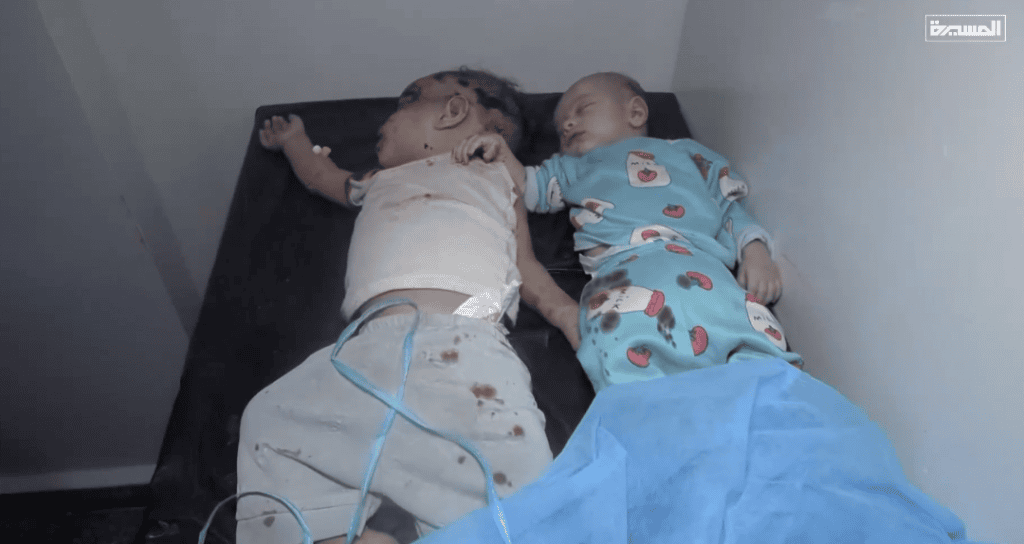
A screenshot of footage broadcast by the Yemeni channel "Al-Masirah" showing two children killed in a Saudi airstrike in Mokha.
Saudi Arabia has stepped up its airstrikes on areas under Houthi control in recent days, alongside fighting on several fronts, particularly in areas overlooking the Red Sea and Bab al-Mandab.
Houthi sources reported that Saudi airstrikes targeted sites in several governorates overnight on Monday and early Tuesday, 21 and 22 September 2026 (10 and 11 Rabi' al-Akhir 1448 AH), resulting in civilian and detainee deaths.
In Mokha, the Houthi-controlled Saba news agency said a strike hit a house, killing six people, including a woman and two children, and wounding six others, including a woman and a child.
In Al-Jawf governorate, Abdulqader al-Murtada, the official in charge of the prisoner file for the Houthis, said airstrikes targeted a prison and killed nine detainees, adding that those killed were members of anti-Houthi forces captured during recent fighting.
Xinhua also quoted local sources as saying another strike in Al-Jawf hit a house, killing a woman and a child and wounding other family members.
These casualty figures and the circumstances of the targeting could not be independently verified, and Saudi Arabia has not issued a detailed confirmation of each individual incident.
Some 169 Killed in Three Days of Fighting and Airstrikes
The Guardian reported that as many as 169 people, combatants and civilians, were killed over three days of fighting and airstrikes, as combat intensified on several fronts.
The Houthis are seeking to consolidate their battlefield gains following their recent advances, while Saudi-backed Yemeni government forces are seeking to halt their advance and recapture the positions they lost.
Britain to Provide Aerial Refuelling to Saudi Fighter Jets
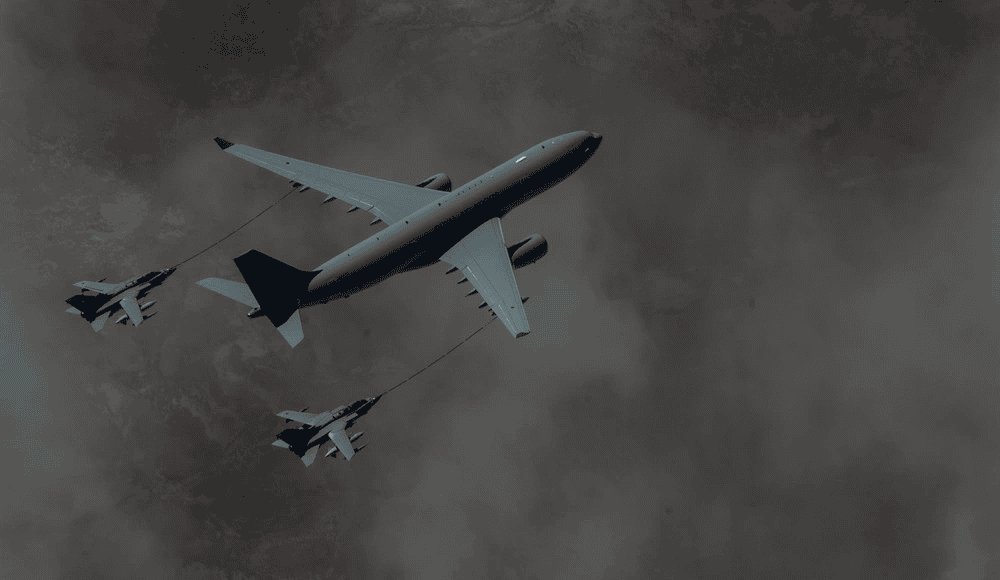
In a notable military development, Britain announced it will provide Saudi Arabia with aerial refuelling services, in response to a Saudi request for support in confronting Houthi attacks.
British Defence Secretary Luke Pollard said a Royal Air Force Voyager aircraft will operate from a British base in Cyprus to refuel Saudi fighter jets in the air.
London stressed that the mission is intended to support Saudi operations that it describes as "defensive," that it will be limited in time to a period of weeks, and that it will be subject to review.
The move follows Britain's deployment of military support to Saudi Arabia in recent weeks, while the United States continues to provide intelligence support and help in identifying targets, without so far directly joining combat operations against the Houthis.
The British decision adds a new dimension to the escalation, as aerial refuelling allows Saudi aircraft to remain airborne for longer periods, while London maintains that its assistance is linked to defending Saudi Arabia against Houthi missiles and drones.
G7 Calls on Iran to Halt Arming of the Houthis
On the political front, foreign ministers of the Group of Seven (G7) called on Iran to halt its arming and support of the Houthis, warning that continued escalation threatens international trade and regional and global stability.
The ministers condemned Houthi attacks inside Yemen and against Saudi Arabia, and called on the group to halt military operations, threats and attacks on civilian shipping, and to return to the political process.
The group's statement also accused Iran of continuing to arm and support the Houthis, while Tehran denies that it controls the group's decisions.
More Than 230,000 People at Risk of Displacement
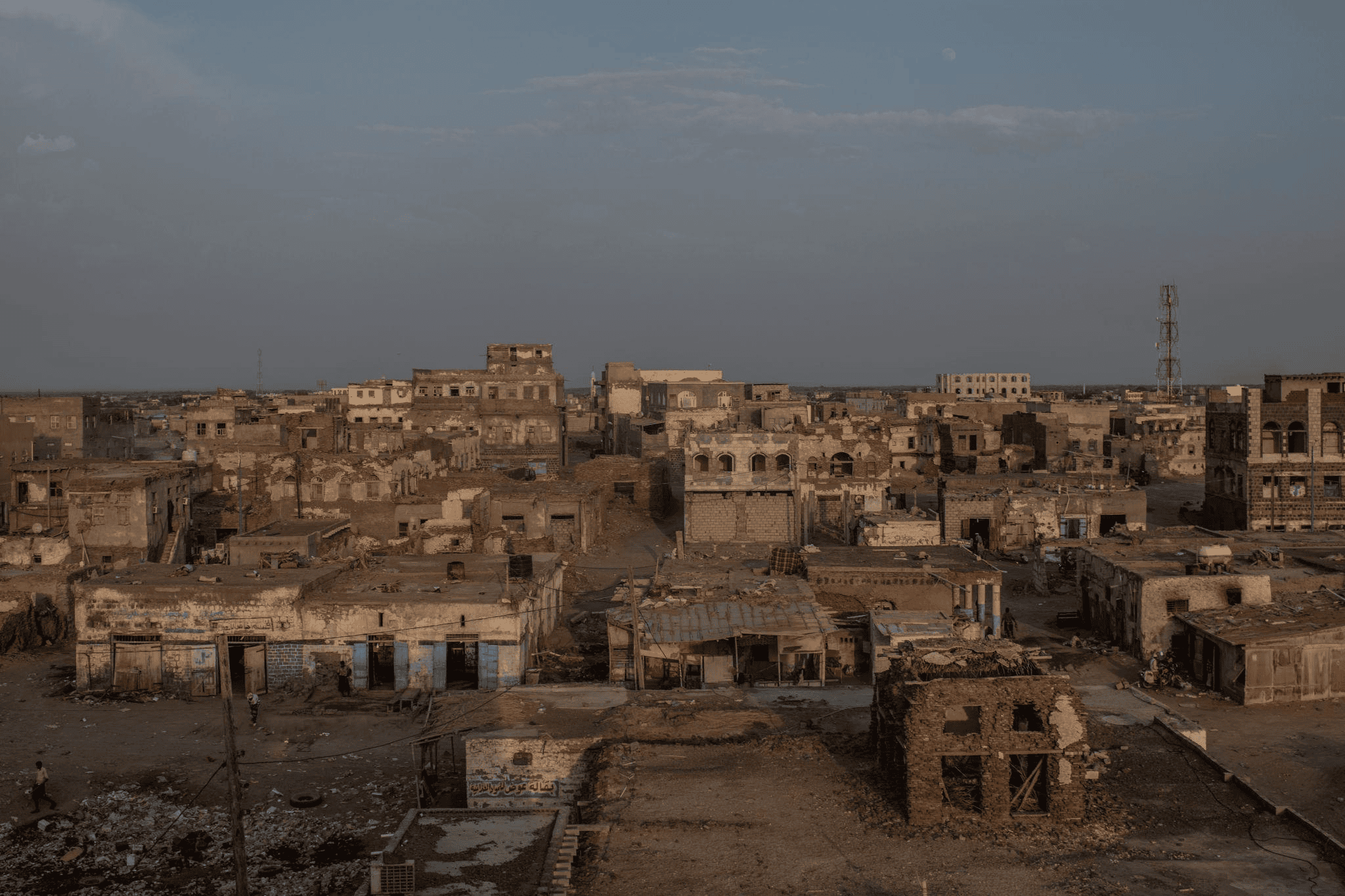
While international attention is focused on the airstrikes and Houthi attacks on Saudi Arabia and the fighting around Bab al-Mandab, UN warnings indicate that Yemeni civilians face the risk of a new and wide wave of displacement.
With the number of displaced people already exceeding 100,000 during the current escalation, reaching more than 230,000 would place additional strain on host communities, displacement camps and a humanitarian system already suffering from a severe funding shortfall.


