

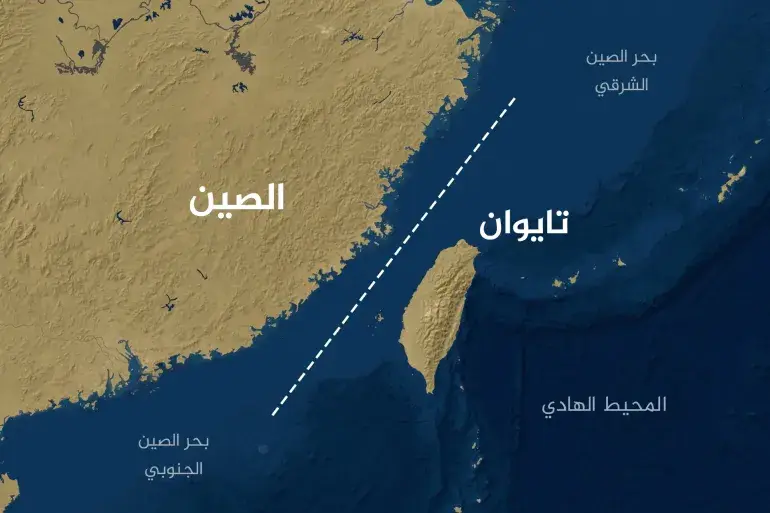
Leaked documents and an analysis by the UK-based Royal United Services Institute (RUSI), reported by The Washington Post, reveal that Moscow signed a military contract with Beijing worth $580 million, aimed at strengthening China's capabilities to carry out airborne and air-mobile operations, as part of potential preparations for an attack on Taiwan.
Details of the Military Contract
The contract includes supplying China with several types of military vehicles and air support systems, most notably:
• 37 BMD-4M combat vehicles: light amphibious vehicles used in airborne landing operations.
• 11 Sprut-SDM1 anti-tank guns: self-propelled guns with advanced offensive capabilities.
• 11 BTR-MDM armoured personnel carriers: designed to transport airborne troops.
• Systems for airlifting heavy equipment: including advanced parachute systems and devices for dropping heavy equipment and weapons from the air.
The contract also provides for training Chinese airborne forces in both Russia and China, and supplying them with advanced field experience in airborne landing and assault operations, drawing on Russia's combat experience gained from modern conflicts, including its war in Ukraine.
The Strategic Objectives of the Cooperation
According to the report, this step aims to:
- Strengthen China's airborne capabilities by developing combat parachuting and the air delivery of equipment.
- Provide Beijing with advanced technologies in the field of joint air-mobile operations.
- Shorten the time China would need to develop these capabilities independently, making it ready more quickly for any possible military operation against Taiwan.
- Build a strategic partnership between Moscow and Beijing in the face of Western alliances led by the United States.
The Political and Military Dimension
Although the report does not confirm an official Chinese decision to invade Taiwan, the nature of these deals and training indicates that Beijing is clearly working to raise the readiness of its forces.
Military experts believe this cooperation gives China greater capacity to carry out surprise landing operations should it decide to use the military option to retake the island.
This Russian-Chinese military alliance also poses a strategic challenge to the United States and its allies in the Indo-Pacific region.
Reactions and Warnings
• Neither Moscow nor Beijing has so far issued any official statement confirming or denying this information.
• Analysts have warned that this step could fuel wide-ranging geopolitical tensions and increase the likelihood of an arms race in the region.
• International monitoring organisations have called for close follow-up of these movements, given their potential impact on stability in East Asia.


