

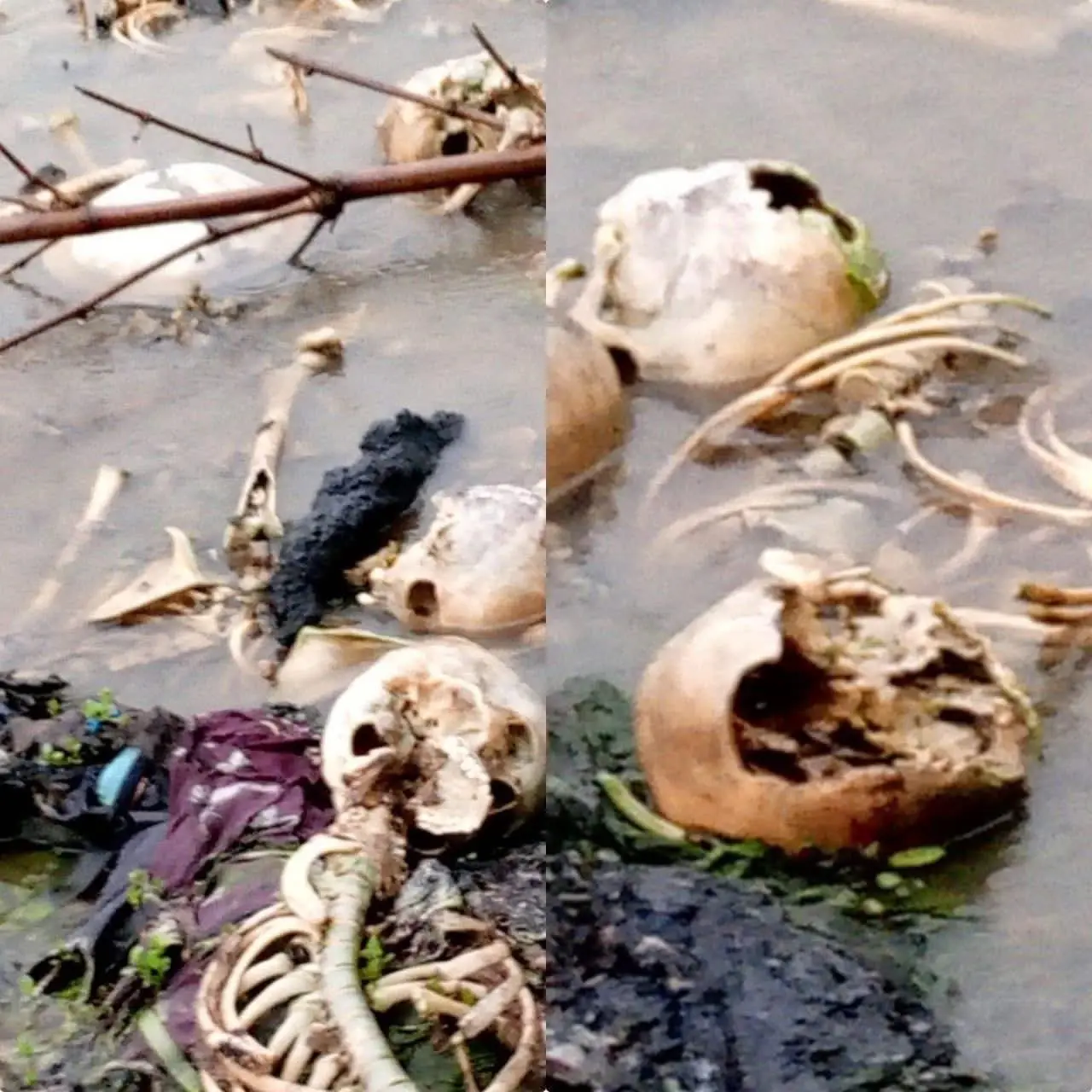
Rohingya Survivors' Accounts of the Naf River Massacre, 1446 AH (5 August 2024)
Arakan Now conducted an interview with an eyewitness, Shawkat Noor (18 years old), from the Myo Kya Yin Than area in Maungdaw township, about the Naf River massacre of 29 Muharram 1446 AH (5 August 2024 CE).
Shawkat Noor shared his full story, recalling what he lived through during the Naf River massacre on 5 August 2024. His words conveyed an account of a long journey of fear, displacement, loss and survival.
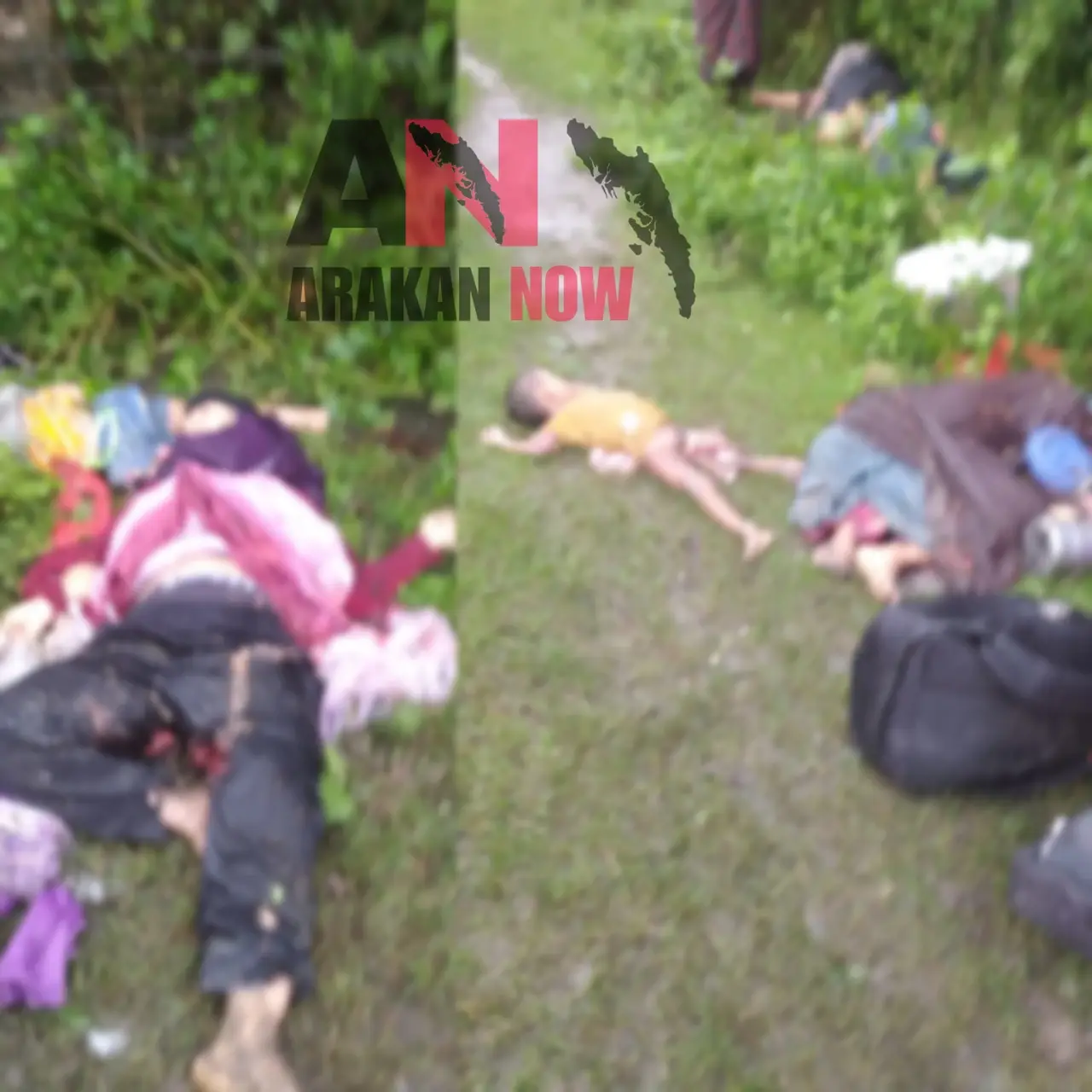
"Drones attacked our village again and again. Many were wounded and others were killed, and I saw it with my own eyes. We could not leave our homes, as the drones were flying over our heads."
"For nearly a month and a half, we sheltered inside sturdy concrete buildings to protect ourselves from the danger. Those drones were sent by the Arakan Army (AA), and life was extremely disrupted."
"After the many drone attacks, we had no choice but to flee. We went to my sister's house in the Second Ward of Maungdaw (Hari Fara), and we stayed there for nearly a month."
"But even in the Second Ward, conditions deteriorated further, as clashes between the Arakan Army and the military forces continued. The Arakan Army established a position in our village, and drones and artillery launched from it without interruption. Many people from our village fled to the Second Ward seeking safety."
"Then the Arakan Army also began shelling the Second Ward with artillery, and people were killed on a daily basis, and staying there was no longer safe."
"We heard that the Arakan Army had reached the area of Mong Ni village, where they killed and abducted civilians, so its residents began fleeing toward the center of the town, trying to cross the border into Bangladesh."
"We also went to the riverbank known locally as Fouzi Fara, near the area of Bin Tau Bin village, trying to cross the river. We were fourteen family members waiting for a boat."
"Five of us were wounded. My eldest brother Anis lost his leg, and my elder brother, his wife and I were wounded. My nephew was also wounded in his leg and stomach."
"We were all scattered, and we could not help one another because of our injuries. Anis was bleeding heavily, so my elder brother carried him toward Bangladesh, but an armed group stopped them and took them away."
"Anis died because his medical care was delayed. After that, my elder brother Amin was released and reached Bangladesh to receive treatment."
"I also saw armed men looting money and gold from the bags of the dead, including our bags. I begged them to help me, but they did not care."
"Later, a friend from my village came and found me and helped me. I asked him to take me to Bangladesh, and he agreed, but the boatman refused to take me because of my critical condition. Nevertheless, my friend managed to carry me to Bangladesh, where a relative found me and took me to the Médecins Sans Frontières hospital in Kutupalong, Cox's Bazar."
"I spent six days there, but my health did not improve because of fragments of bomb shrapnel remaining in my abdomen. They transferred me to another hospital in Cox's Bazar, but they could not treat me properly because they lacked the necessary equipment."
"Then my relatives took me to another hospital in Chokoria, where I spent about three months."
"Eventually I recovered, and I was able to stand and walk again, but we were not given the opportunity to bury the members of my family."
Source: Arakan Now.


