


Rohingya food aid to be cut from next month
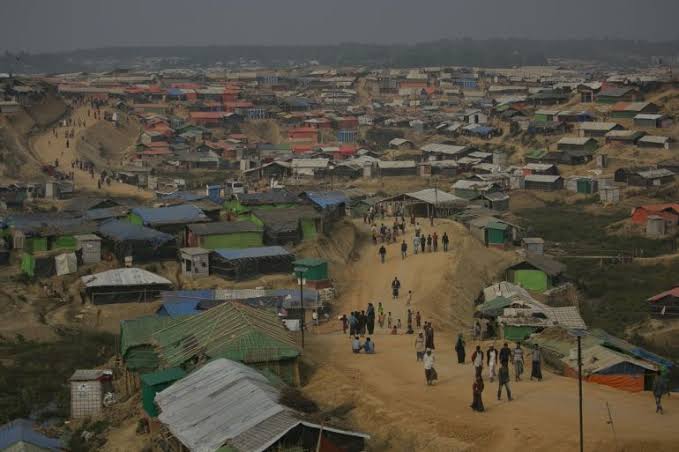
From next month, the World Food Programme of the United Nations will introduce a new system that classifies refugees according to their degree of vulnerability.
At present, each refugee in the camps receives monthly food assistance worth $12.
Under the new system, refugees will be divided into three categories — highly vulnerable, vulnerable, and moderately vulnerable — and the amount of food assistance they receive will vary accordingly. The highly vulnerable category will continue to receive $12 per month.
The moderately vulnerable category will receive $10 per month, while the vulnerable category will receive $7 per month, according to Refugee Relief and Repatriation Commissioner Mohammed Mizanur.
These changes will take effect from next month and will apply to all Rohingya residents in the camps in Cox's Bazar and Bhasan Char island.
Officials said the step is due to a shortage of funding and the need to prioritise the people most in need.
The World Food Programme and partner agencies have faced large funding gaps in recent months, prompting a shift towards a targeted assistance model.
Humanitarian workers have warned that the current level of assistance is already insufficient to meet basic food needs, and that any reduction in aid to large sections of refugees could worsen malnutrition and food insecurity.
Rohingya leaders in the camps expressed concern that these cuts would increase suffering, particularly among families already struggling to secure their basic needs.
Many refugees depend entirely on food assistance, as they are not legally permitted to work in Bangladesh, making them highly vulnerable to any reduction in support.
Bangladesh hosts more than one million Rohingya refugees, most of whom fled a military campaign in Myanmar in 1438 AH (2017 CE).
Officials have repeatedly urged the international community to increase funding, warning that Bangladesh cannot bear the burden of supporting such a large number of refugees on its own.
The Daily Star.


