


As the world marks the 75th anniversary of the adoption of the 1951 Refugee Convention under the slogan "So that everyone is safe", questions are mounting about the fate of millions of refugees who continue to live in difficult conditions, most notably the Rohingya refugees in Bangladesh, amid declining international funding and the absence of any political solution that guarantees their safe return to their homes.
Bangladeshi writer and academic Bilbul Siddiqui, in an article titled "The Global Refugee Crisis and the Rohingya Challenge in Bangladesh" published in the Bangladeshi newspaper The Business Standard, points out that the global refugee crisis is no longer merely a humanitarian issue, but has become a direct result of geopolitical conflicts, policies of exclusion, and the denial of citizenship rights to minorities, factors that have driven millions of people to flee their homelands.
According to data from the United Nations High Commissioner for Refugees, the number of refugees worldwide rose from 21.3 million people in 2015 to 41.6 million by the end of 2025, while the total number of people displaced by force around the world reached approximately 117.8 million.
The Rohingya: Nine Years of Waiting
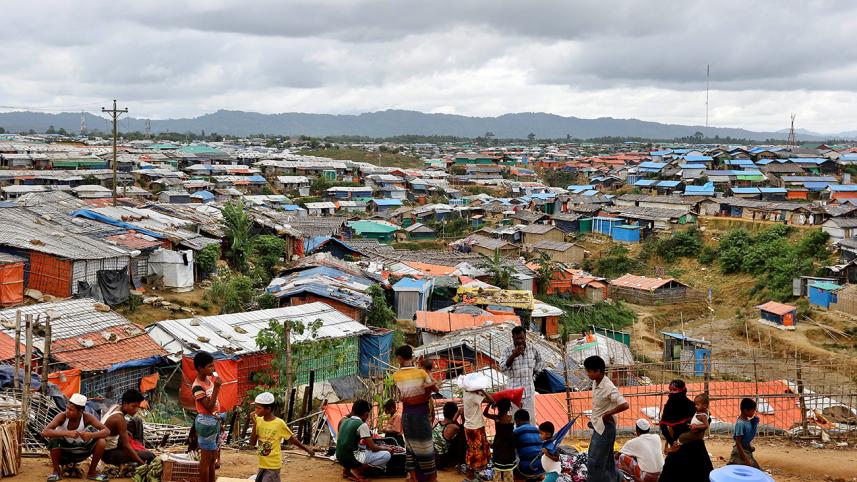
Bangladesh currently hosts nearly 1.2 million Rohingya refugees, including tens of thousands who have sought refuge there since the 1990s, in addition to hundreds of thousands who fled Rakhine State in Myanmar following the widespread wave of violence in 2017.
Nine years after the latest mass displacement, no international initiative or diplomatic effort has succeeded in returning the refugees to Myanmar, while the flow of those fleeing violence continues, with more than 152,000 new refugees arriving in Bangladesh over the past year and a half.
Reports confirm that the absence of any genuine political progress on voluntary return has turned refugee camps into a permanent reality rather than a temporary refuge.
Declining Funding Compounds the Crisis
Bangladesh faces growing challenges in managing the largest refugee settlement in the world, especially as international support declines.
Between 2017 and 2024, Rohingya humanitarian response plans received about $4.8 billion, equivalent to roughly 70% of the financial needs required during that period.
However, the situation has changed markedly in recent years: only 38% of funding needs were met in 2025, while the funding available during 2026 did not exceed about 60% of the targeted amount.
This financial shortfall directly affects essential services inside the camps, including education, healthcare, clean water and nutrition, making it difficult to provide a dignified life for the refugees.
Has Burden-Sharing Become Just a Slogan?
The author argues that the international discourse on "burden-sharing" in managing refugee crises has largely remained within the framework of political rhetoric, while poor and developing countries bear the greatest burden of hosting refugees.
According to the figures presented in his article, low- and middle-income countries host about 68% of the world's refugees, while wealthy countries continue to tighten their border procedures and limit opportunities to resettle refugees on their territories.
The writer considers that merely providing funding without addressing the political causes that led to displacement cannot constitute a genuine solution to the crisis.
An Economic Corridor That Could Change the Equation
Amid the search for new solutions, the writer draws attention to the economic corridor project between Bangladesh, China and Myanmar, which emerged during the visit of the Bangladeshi Prime Minister to China.
Some observers believe the project could give Dhaka a political and economic lever that can be used to bring the Rohingya file back to the forefront, particularly since its implementation is linked to the stability of Rakhine State, the original homeland of the Rohingya.
However, the complexities of the conflict in Myanmar and the conflicting regional interests of China, India and other parties make this path fraught with challenges.
A Humanitarian Crisis or a Political Failure?
The writer concludes that the Rohingya crisis is no longer merely a relief or humanitarian crisis, but has become an example of the international community's failure to address the roots of conflicts and the causes of forced displacement.
Seventy-five years after the adoption of the Refugee Convention, hundreds of thousands of Rohingya children are still being born and growing up in the camps with no clear prospect for the future, while opportunities for return diminish and the resources available to support them shrink.
The writer believes that the continuation of this reality raises a fundamental question about the ability of the current international system to protect refugees and guarantee their rights, or whether slogans of protection and global solidarity have become powerless in the face of political calculations and international interests.


