


The title of this study captures the strategic standing of rockets in modern warfare.
In a world marked by recurring conflicts and technological competition, and under the banner that might makes right, rockets are among the most important instruments of military power, embodying the will of nations to impose dominance or deter aggression. From the fire arrows launched by the armies of ancient China to hypersonic missiles capable of striking any target in the world within minutes, these weapons tell the story of human progress in destruction and innovation alike. Paradoxically, the Islamic civilisation played a forgotten role in this story, as Muslim scientists developed fire rocket technologies that were transferred to Europe, from which the modern military revolution began.
We will address the history of rockets, trace their transformation into a strategic tool, and reveal how they today form the backbone of national security for dominant states.
Rockets saw considerable development in military use, from early inventions in ancient civilisations to today's high-precision technologies. The Islamic world played a prominent role in developing rocket technology during the Middle Ages, before Europe adopted it and modern military powers developed it further.
The Emergence and Early Use of Rockets
A. Ancient China (9th century CE)
The Chinese are considered the first to have used "fire arrows" (early forms of rockets) in their wars during the Song dynasty (960–1279). These rockets operated on gunpowder.
B. The Islamic World (13th–15th centuries CE)
Muslims developed rocket technologies following scientific and cultural exchange across several regions after the Islamic conquests. Primitive rockets were used in several important battles and had a considerable impact, such as the "fire mortars" at the siege of Constantinople (1453). The scholar Najm al-Din Hasan al-Rammah, in his book "Al-Furusiyya wa al-Makaid al-Harbiyya" (1280), described types of rockets and fire bombs used by Islamic armies.
C. The Transfer to Europe
Rocket technology passed to Europe through the Crusades and contacts with the Islamic world, where these experiences were put to use. Some European armies used simple rockets in the fourteenth and fifteenth centuries, but they were neither effective nor accurate.
The Modern Development of Military Rockets
A. The Eighteenth Century
The eighteenth century marked the first major leap in the history of rockets, when the Muslim Sultanate of Mysore in the Indian subcontinent used rockets considered the first of their kind, the "iron rockets." The army of the Kingdom of Mysore developed sturdy and accurate iron rockets, which were used effectively against British forces. This practical and organised use prompted Europeans to hasten to acquire this technology.
B. The Nineteenth Century
The British inventor William Congreve developed rockets with a longer range (up to 3 km), which were effective and were used in the Napoleonic Wars. Congreve acknowledged that his rockets were based on what had been obtained from the Kingdom of Mysore.
C. The Second World War: Ballistic Missiles
The German Wernher von Braun developed the V-2 rocket, the world's first guided ballistic missile. It ran on liquid fuel, had a range of about 320 kilometres, reached supersonic speed, was guided by gyroscopes, and was used against Britain, Belgium and France. After the war, the United States and the Soviet Union seized German scientists to develop their own rockets.
D. The Cold War: The Arms Race
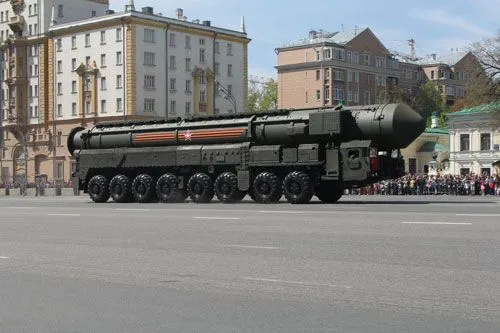
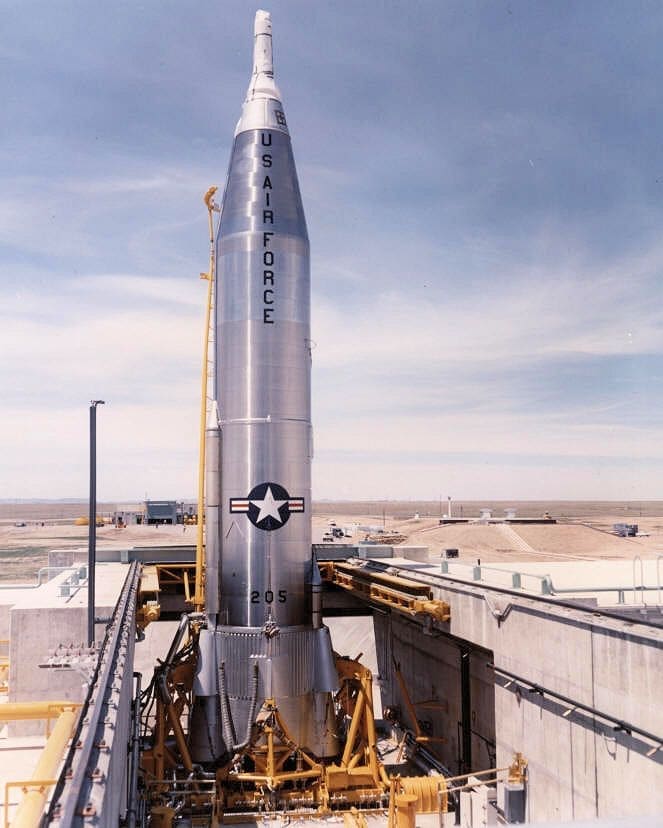
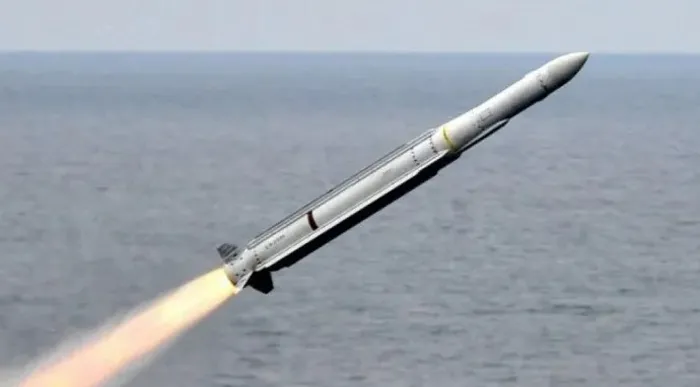
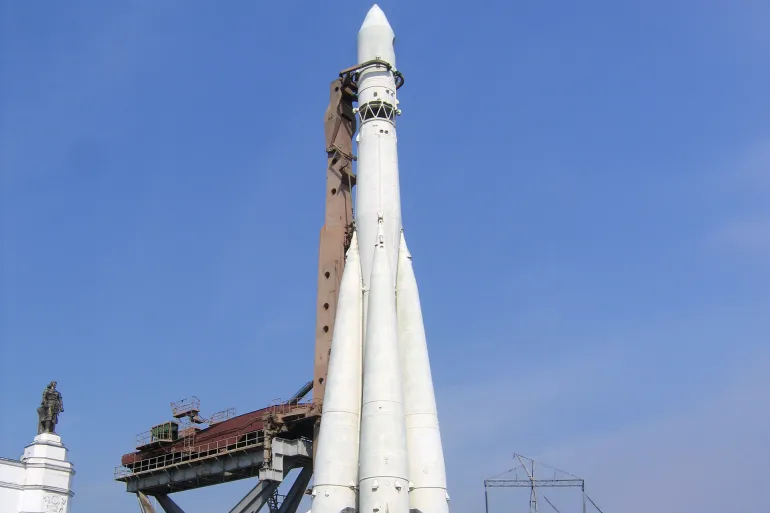
Intercontinental missiles such as the Russian SS-18 and the American Minuteman were developed. Cruise missiles and anti-tank missiles such as TOW and Javelin appeared. In 1957 the Soviet Union launched the R-7 Semyorka, the first intercontinental ballistic missile, which was used to launch the satellite "Sputnik." In 1959 the United States launched the "Atlas," the first American ICBM to run on liquid fuel and capable of carrying nuclear warheads. At the same time, air defence systems appeared, such as the American "Nike Ajax" (1953) and the Soviet SA-2 Guideline (1960), which became known for shooting down the American U-2 spy plane.
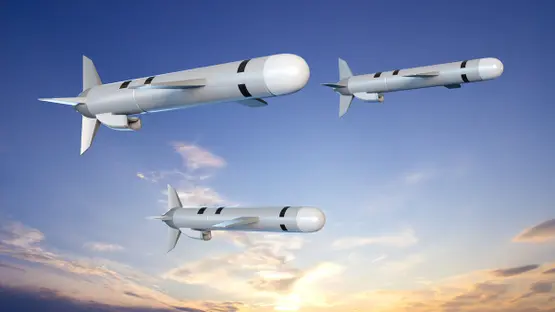
In the 1970s, rockets entered a new phase of development. The Americans introduced the "Tomahawk," a long-range cruise missile capable of flying low and delivering precise strikes over a distance exceeding 1,500 kilometres. Ballistic missiles carrying multiple independently targetable reentry vehicles (MIRVs) also appeared, whereby a single missile carries several nuclear warheads that can be directed at different targets. Among the most prominent were the Soviet SS-18 Satan, a heavy ICBM capable of carrying 10 nuclear warheads, and the American Minuteman III, which remains in service to this day.
E. The Modern Era: Precision and Advanced Guidance
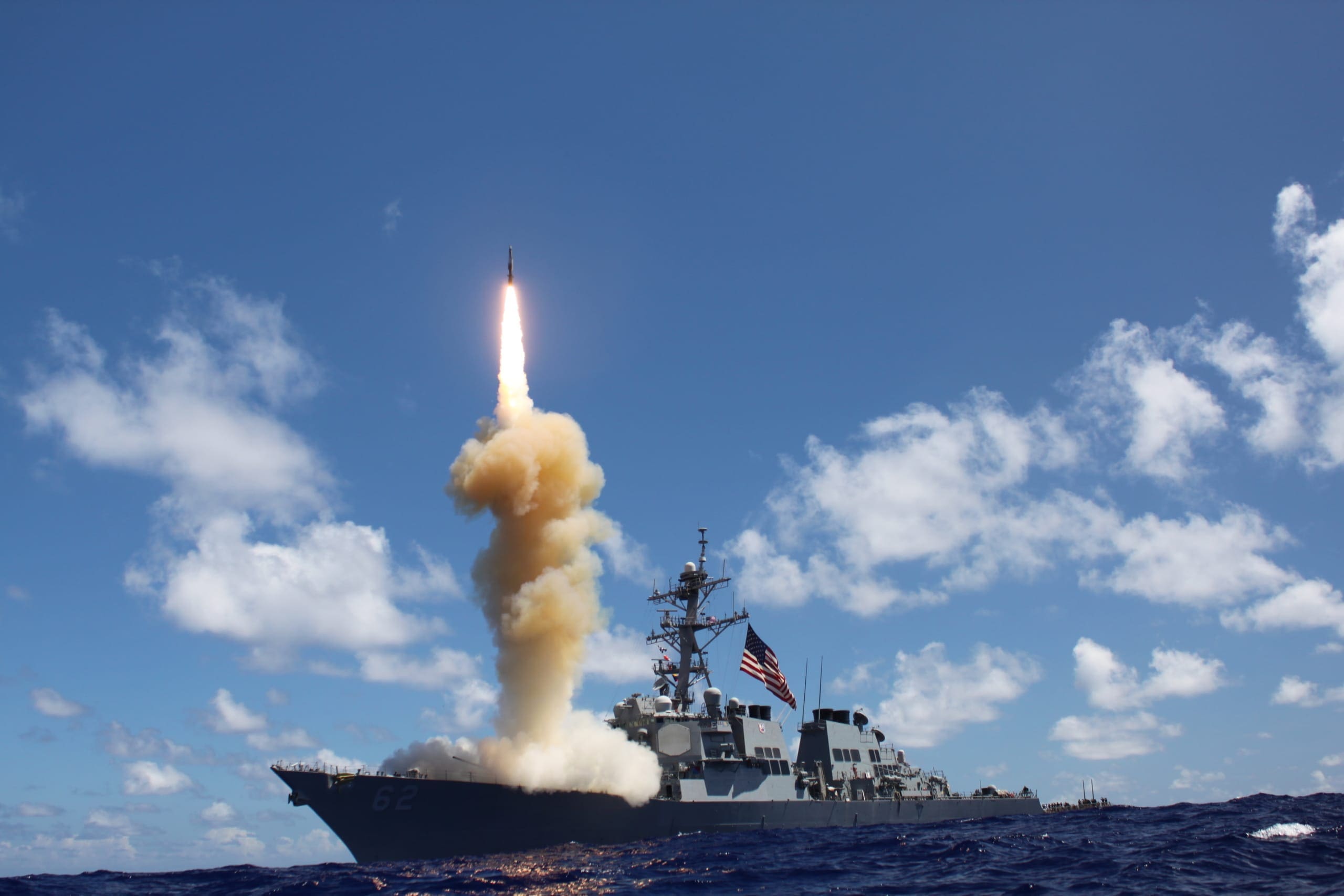
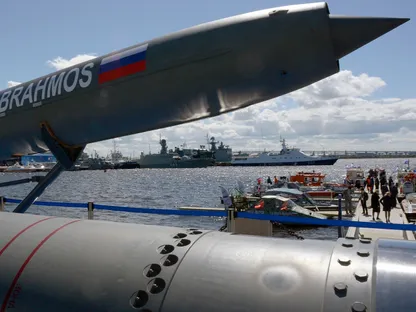
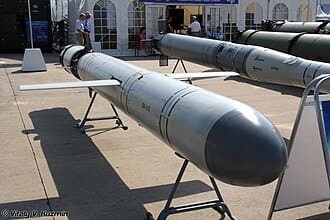
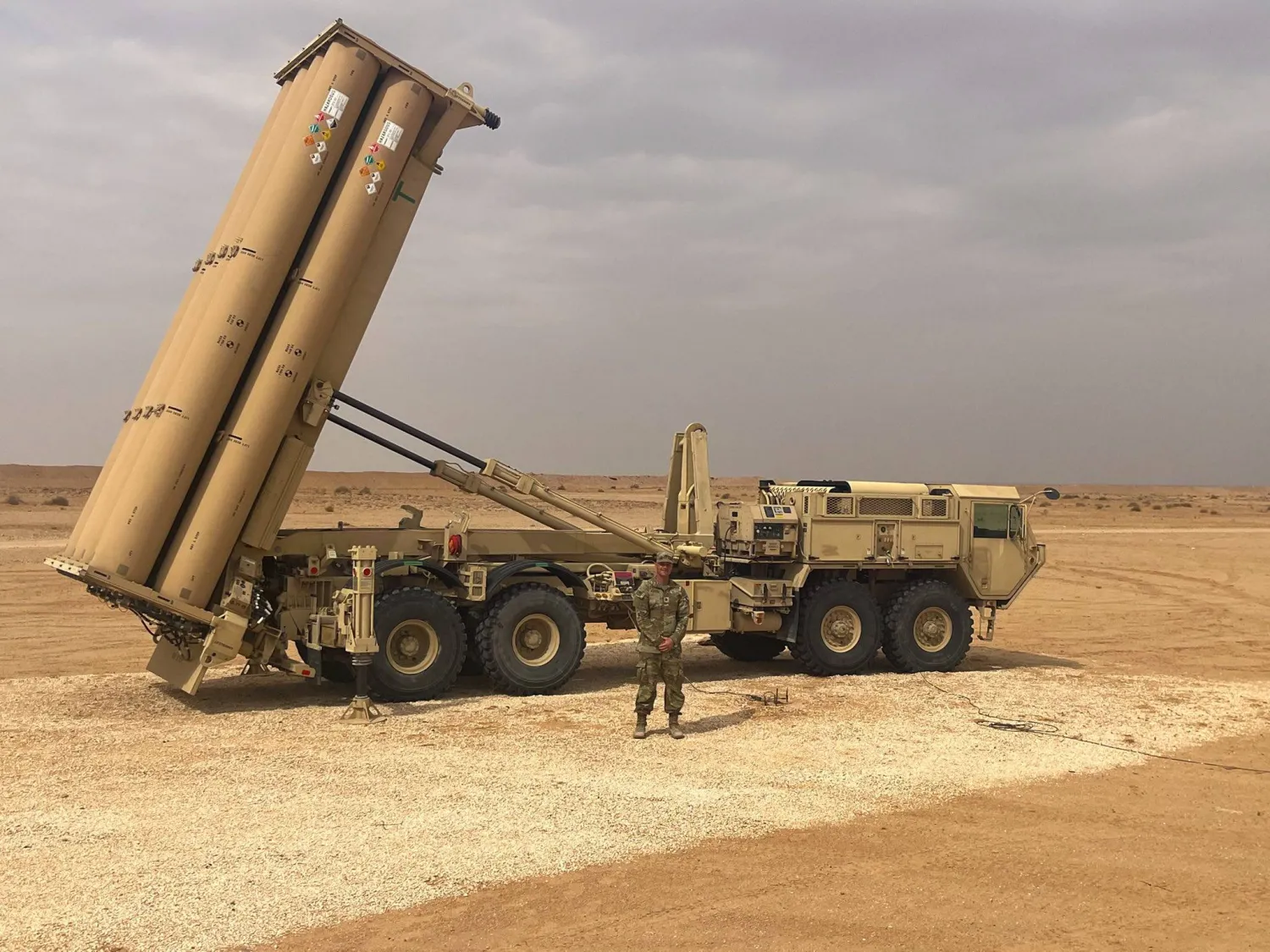
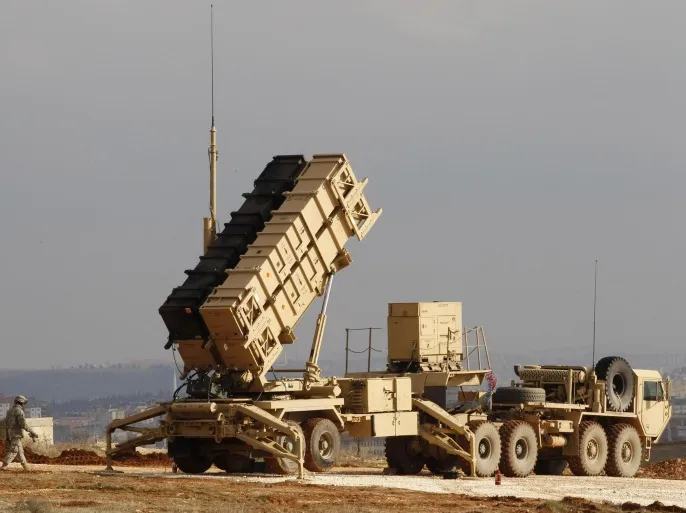
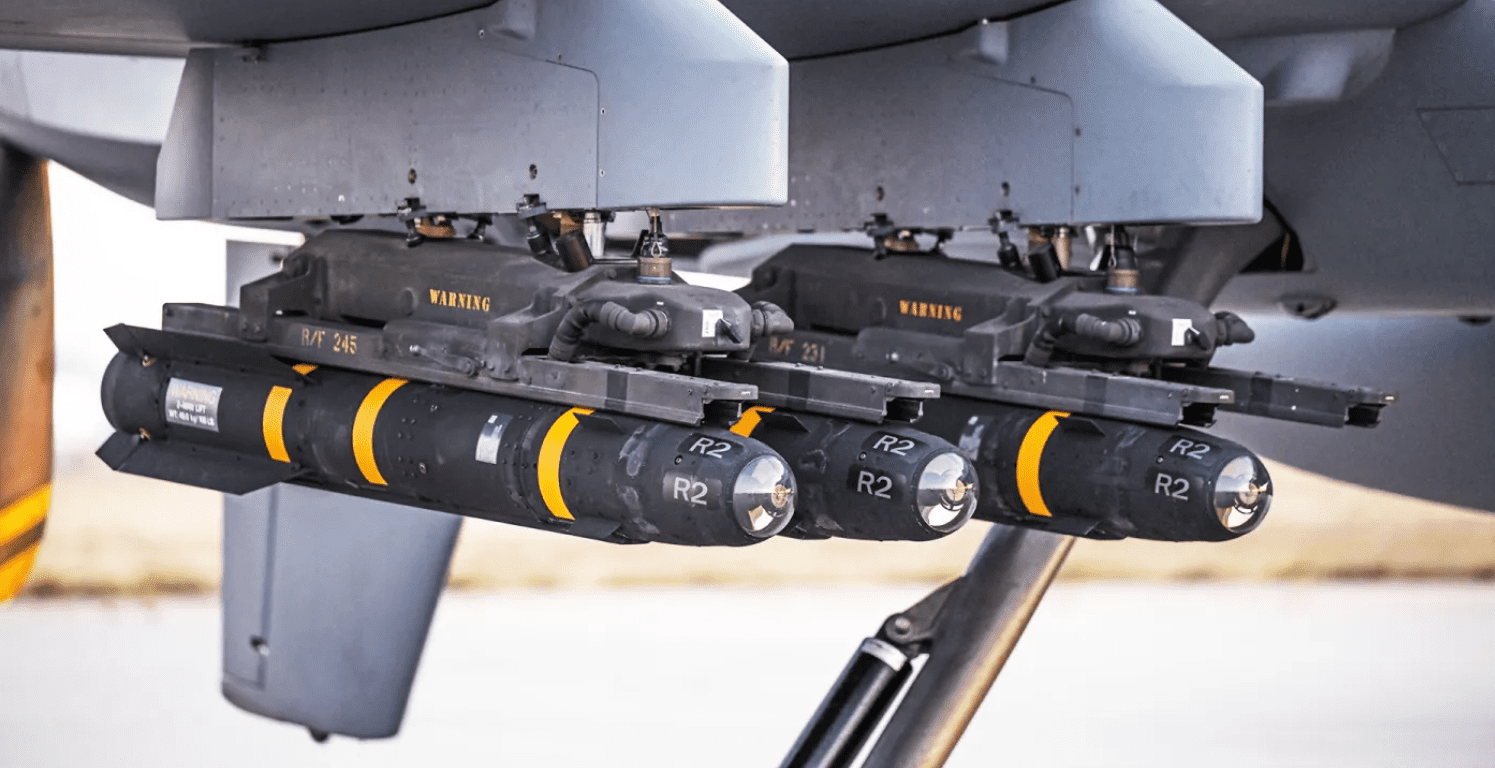
In the 1990s and the new millennium, rockets became precision instruments of military surgery. The American AGM-114 Hellfire came first, a laser-guided anti-armour missile launched from helicopters and drones, with a range of up to 8 kilometres. The American "Patriot" system also stood out, a mobile radar-guided air defence system. In the following decade, the United States developed the "THAAD" system for intercepting ballistic missiles in their terminal phase, with a range of up to 200 kilometres. Russia introduced the 3M14 Kalibr, with a range of up to 2,500 kilometres and a speed of about Mach 3, in addition to the 3M22 Zircon hypersonic missile, whose speed reaches Mach 11 and which is used against ships.
As the second decade of the twenty-first century began, a new generation of hypersonic missiles emerged. China developed the DF-17, a missile equipped with a hypersonic glide vehicle capable of flying at speeds exceeding Mach 5, with the ability to manoeuvre to evade defences. Russia introduced the Avangard, a hypersonic missile distinguished by unpredictable flight paths. The United States is pursuing experimental projects such as the Air-Launched Rapid Response Weapon to achieve a rapid global strike capability.
Types of Military Rockets and Their Uses
- Ballistic missiles: their role is to strike long-range targets (cities, bases). They can be launched from fixed ground launch platforms or from combat aircraft. Among their types are the Scud, the ICBM and the DF-41.
- Cruise missiles: they can strike precise targets (military installations). Among some types are the Tomahawk and the Kalibr.
- Anti-armour missiles: used to destroy tanks and armoured vehicles, such as the Javelin and the Kornet.
- Surface-to-air missiles: they bring down aircraft and drones, such as the S-400 and the Patriot.
- Air-to-surface missiles: used for attacks from aircraft, such as the AGM-65 Maverick.
Rocket technology has developed into one of the most decisive instruments of war. Each generation of rockets has reshaped military doctrine and global politics. The future promises greater complexity, with systems combining hypersonic speed, artificial intelligence and stealth technologies to produce weapons of unprecedented capability.
Sources
"A History of Firearms" – Jonathan Clements.
"Al-Furusiyya wa al-Makaid al-Harbiyya" – Najm al-Din Hasan al-Rammah.
"The Development of Rockets in the Modern Era" – RAND Corporation.
Reports of the Stockholm International Peace Research Institute (SIPRI) on global armaments.


