


Irregular migration routes towards Europe continue to record new incidents as attempts to cross the Mediterranean Sea and the English Channel persist. The European Border and Coast Guard Agency, Frontex, rescued more than 40 migrants off the Greek island of Crete, while European countries are intensifying their legal and security measures to confront human smuggling networks that exploit migrants' desire to reach the continent.
Local Greek authorities said a vessel belonging to Frontex rescued 42 migrants in the waters south of the island of Crete during a night operation, after an aircraft belonging to the agency spotted a small boat about 100 kilometres from the port of Kaloi Limenes, south of the island.
Although it was not clear whether the boat faced an immediate danger or was in a state of distress, Frontex launched a rescue operation and requested assistance from three cargo ships that were in the area. All the migrants were then transferred to the Greek port, where they are undergoing registration procedures and the assessment of asylum applications.
The nationalities of those rescued were not immediately known. However, European authorities note that in recent years Crete has become one of the most prominent transit points for irregular migrants arriving from the Libyan coast towards the European Union.
The Mediterranean: A Perilous Route
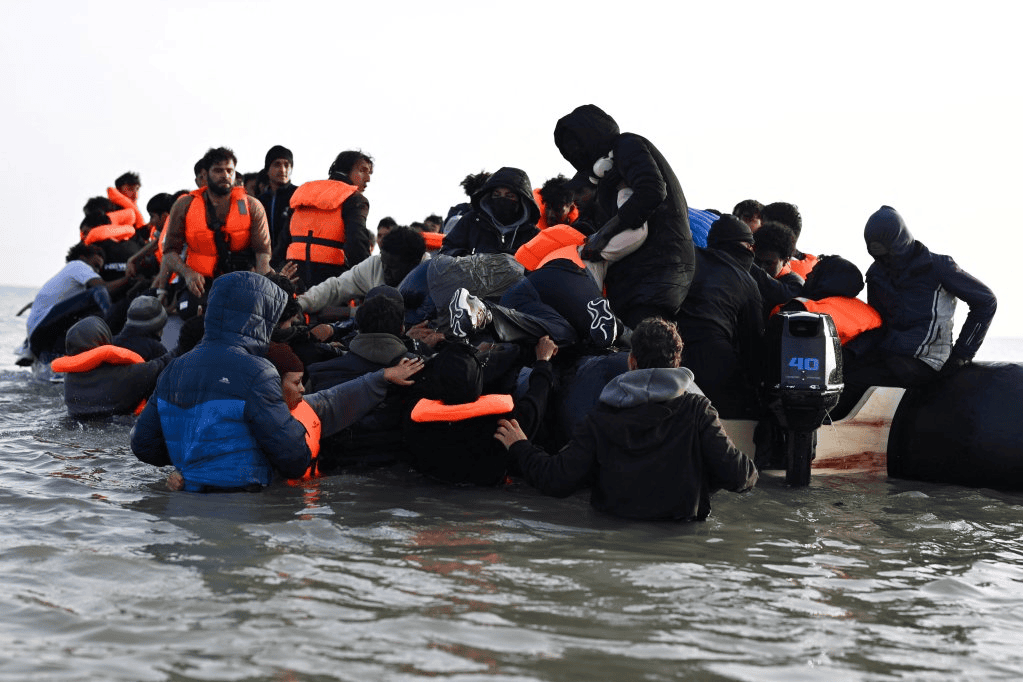
With temperatures rising during the summer months, the region sees an increase in the number of boats departing from North Africa towards Europe, as smuggling networks exploit the most favourable weather conditions to organise perilous sea voyages.
Reports indicate that a large proportion of these journeys depart from the Libyan coast, which has become a gathering point for hundreds of thousands of people arriving from various parts of the world, including refugees fleeing conflict and persecution, alongside migrants seeking economic opportunities and a better life in European countries.
However, these journeys often fall under the control of criminal groups specialising in human smuggling, where many migrants are subjected to exploitation, extortion, violence and detention before being allowed to board the boats.
International organisations confirm that thousands of people lose their lives each year while attempting to cross the Mediterranean Sea, whether due to the sinking of unseaworthy boats or as a result of abuses they suffer at the hands of smuggling networks.
British Crackdown on Small-Boat Crossings
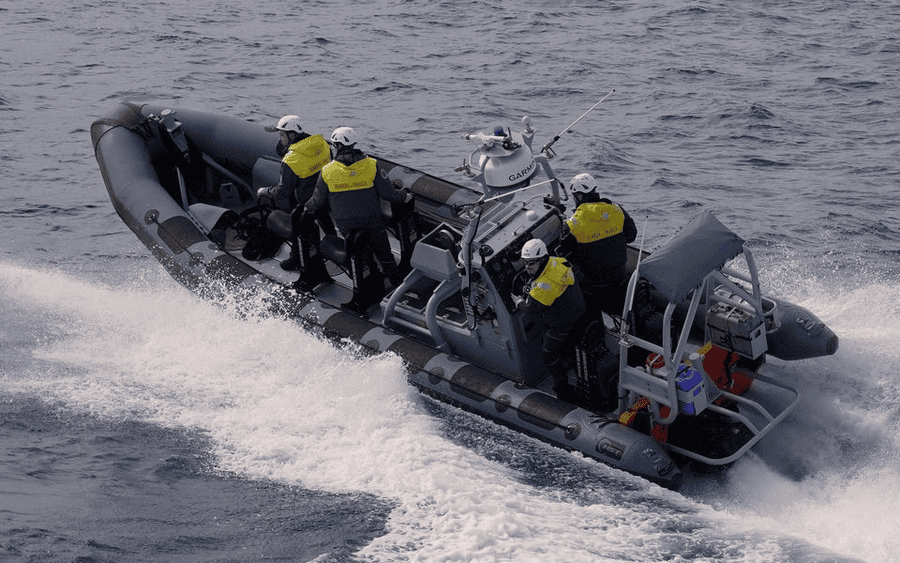
In Britain, debate over irregular migration has intensified following the sentencing to two years in prison of an Afghan young man named Basser R., after he was convicted of piloting an inflatable boat overcrowded with migrants while attempting to cross the English Channel from the French coast.
According to the British prosecution, the boat carried 53 people, and video evidence showed that he had been steering the boat for more than two hours, which the court considered to be endangering the lives of others.
His lawyer defended his client, saying that he had fled Taliban rule in Afghanistan, and that he was not the person who chose to pilot the boat, but had taken on the task after the smugglers abandoned control of the situation amid dangerous waters.
However, the court affirmed that the boat was overcrowded and that some passengers did not have adequate means of protection, noting that the English Channel, although its narrowest point is only about 33 kilometres, is one of the busiest and most dangerous shipping lanes in the world.
New Laws to Confront Boat-Based Migration
These sentences come within the framework of new British legislation aimed at curbing irregular crossings, under which endangering the lives of others during sea journeys has become an offence punishable by law with imprisonment for up to six years.
British authorities say these laws primarily target smuggling networks and the individuals who pilot the small boats used in crossings.
British law enforcement bodies stated that the new measures have contributed to an increase in prosecutions against those involved in smuggling operations, while the government announced that maritime interventions and security measures have helped reduce the number of small-boat crossing attempts.
An Ongoing Crisis Between the Drivers of Migration and the European Response
The repeated incidents off Crete and in the English Channel reveal that the issue of irregular migration remains a major challenge for the European Union and Britain, as European governments face the dilemma of balancing border protection with their humanitarian obligations towards asylum seekers.
While European states try to tighten the noose around smuggling networks and strengthen laws, factors such as war, poverty and political instability continue to push thousands of people to undertake dangerous sea journeys in hope of reaching Europe.


