


The human rights organisation Hengaw said it documented the detention by Iranian authorities of 315 children under the age of eighteen, along with 59 teachers, retirees and university professors, over one year, in a new report monitoring violations against children and education workers in Iran.
The organisation published its report on 21 September 2026, coinciding with the start of the new academic year in Iran, and said the figures cover the period from late September 2025 to late September 2026.
Detention of 315 children
According to Hengaw, Iranian security and judicial bodies detained at least 315 children under the age of eighteen during the period covered by the report.
The organisation said Iranian courts also issued prison sentences against eight children during the same period, totalling 22 years and 11 months in prison.
The report notes that the detentions affected children in various regions of Iran, and that the figures are not limited to any one ethnicity or religious sect.
Detention of teachers and university professors
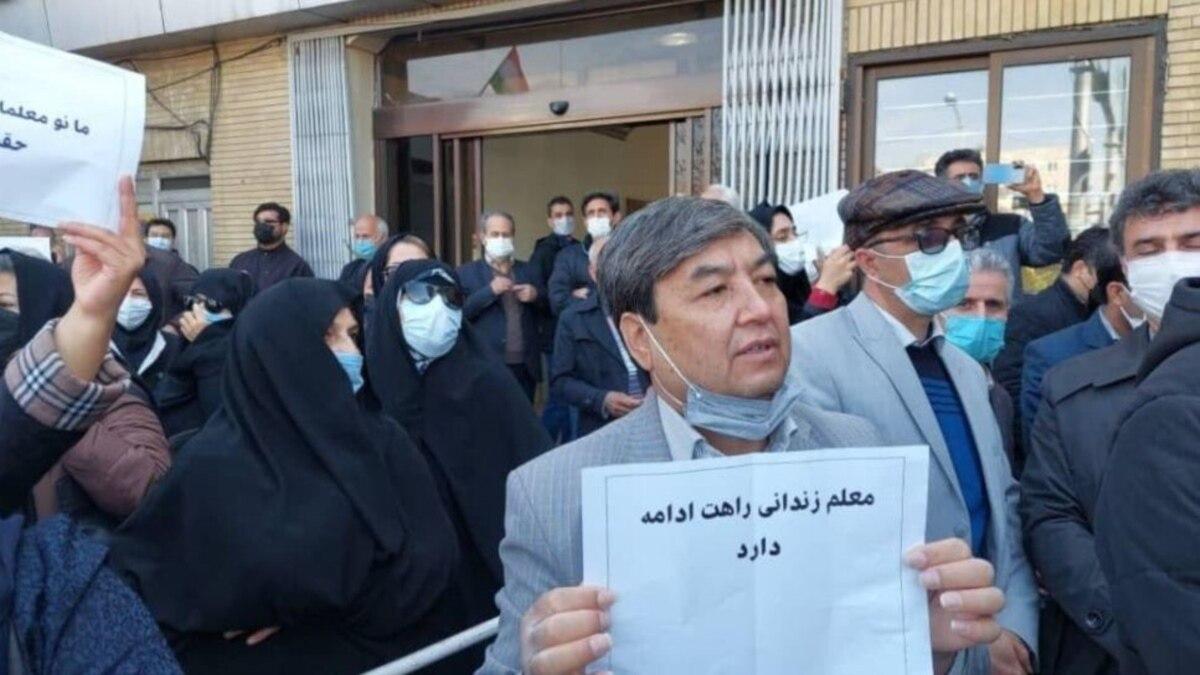
In the education sector, Hengaw said it documented the detention of 59 people, including teachers, university professors and retirees, over the past year.
According to the organisation, the courts also issued prison sentences against 16 education workers totalling 33 years and 10 months, in addition to other sentences that included dismissal from work or deprivation of social rights.
These figures come amid continued human rights reporting on the prosecution of teachers, trade unionists and activists in Iran over protests or trade union, political and civil activities.
The figures in the report cannot be considered a comprehensive count of all detentions in Iran, as independent human rights organisations in many cases rely on networks of local sources and on the reports they are able to document.
Baloch file reaches Geneva
On the same day the report was issued, 21 September, a human rights event was held in Geneva addressing what its organisers described as "transnational repression" practised by Iranian authorities against opponents and human rights defenders.
The event was held under the title "Iran: Repression Without Borders," on the sidelines of the sixty-third session of the United Nations Human Rights Council.
Participants included activists and human rights defenders, among them the Baloch activists Nasser Boldaji and Fariba Baloch, alongside the United Nations Special Rapporteur on the situation of human rights in Iran Mai Sato, and the chair of the United Nations Independent International Fact-Finding Mission on Iran Sara Hossain.
According to the Baluchistan Human Rights Group, participants discussed methods that the group said Iranian authorities use to pursue opponents and human rights defenders inside and outside the country, including threats and pressure against the families of activists.
A distinction should be drawn between the participation of two UN officials in the event and the content of the event being issued by the United Nations; the meeting was held on the sidelines of the Human Rights Council session, while the details published about it came from the Baluchistan Human Rights Group.
The raising of the Baloch file in Geneva comes amid ongoing reports from human rights organisations about arrests, executions and security restrictions in Sistan and Baluchestan Province, which has a large Sunni Baloch population.


