


The Yemeni Network for Rights and Freedoms has accused the Houthi group of committing 4,896 violations against mosques in 14 Yemeni governorates, during the period from January 2015, corresponding to Rabi' al-Awwal and Rabi' al-Thani 1436 AH, to 30 August 2026, corresponding to 17 Rabi' al-Awwal 1448 AH.
In a recent human rights report, the network said the documented violations included killings, injuries, shelling, bombing and looting, as well as arrests, abductions, enforced disappearance and torture targeting imams, preachers, worshippers and mosque workers.
The network said the Houthis used some mosques for ideological and sectarian mobilisation, turning them into platforms for spreading the group's discourse and recruiting supporters, while imams and preachers were threatened or removed for refusing to comply with directives imposed on them.
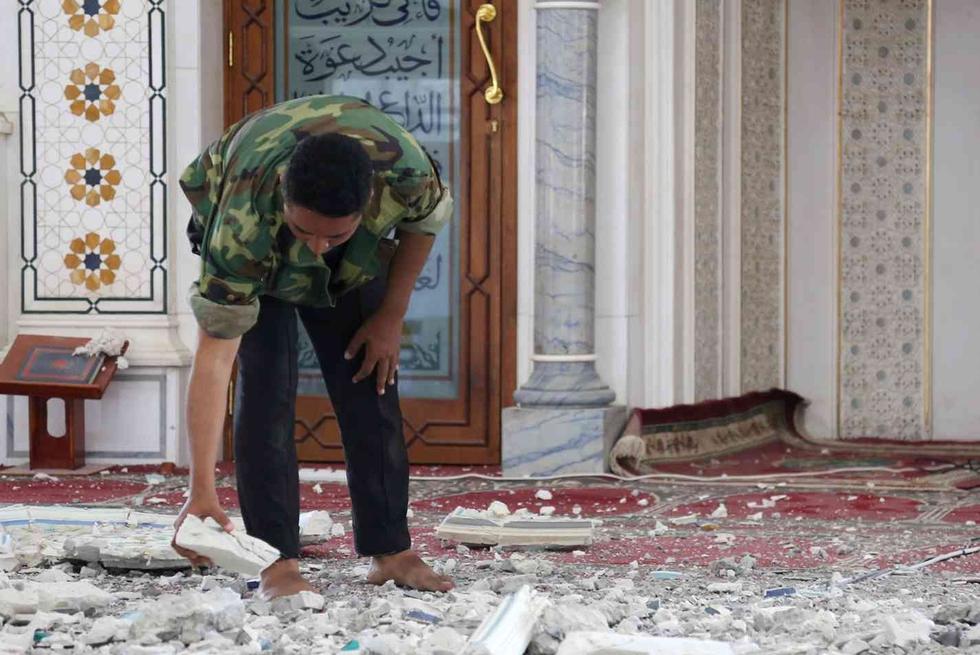
The report noted that some mosques were subjected to shelling, bombing, or storming and looting during the years of war, while others were converted into headquarters, military sites or places for storing weapons, according to the network.
The organisation also described cases of arrest and abduction targeting preachers and imams, in addition to changes imposed on the administration of a number of mosques and the replacement of their officials with individuals affiliated with the group.
These accusations come amid repeated complaints of Houthi interference in religious affairs in the areas under their control, including the replacement of mosque preachers and the imposition of religious and educational activities linked to the group's ideas.
Organisations and Yemeni activists say these practices have over the past years narrowed the space for independent religious life, particularly in mosques previously run by imams or associations not affiliated with the group.
The report sheds light on a less visible aspect of media coverage of the Yemeni war: the impact of the conflict on mosques and religious life, and attempts to control pulpits and religious discourse alongside the military and security confrontations.


