


In a lengthy article published by Middle East Eye on 5 August 2026 under the title "The resurrection of Hezbollah", journalists Daniel Hilton and Adam Shamsuddin trace how Hezbollah, despite the harsh Israeli strikes it sustained since 2024, managed to rebuild its military wing and change its approach to confrontation. The piece draws on interviews with seven figures knowledgeable about the party, along with sources close to it, Lebanese politicians and officials, and Arab diplomats, most of whom spoke on condition of anonymity.
From Collapse to Reorganisation
The article begins with the extremely difficult moment Hezbollah faced in September 2024, after Israeli strikes destroyed its headquarters and killed a number of its senior leaders, foremost among them Hassan Nasrallah, in conjunction with a broad penetration of its communication networks. The article describes how surviving leaders were forced to abandon phones and rely on face-to-face meetings to reorganise the leadership and restore communication among the party's members.
The core argument the article seeks to establish, however, is that this blow did not lead to the end of the party, but rather drove its leadership to rebuild its military organisation in a different way.
Whereas the military wing had relied on a broad, centralised structure, the party, according to the sources Middle East Eye spoke to, moved to break its units into more independent entities, with prior plans allowing them to act without awaiting orders from the central command. The new model thus came closer to guerrilla warfare and was better able to continue should the top leadership be struck again.
Technology Instead of Conventional Force
The article highlights another shift in the party's way of operating: an increasing reliance on technology, particularly FPV drones.
As part of its conventional capabilities declined, the party focused on developing these drones and using them against Israeli forces, also drawing on the expertise of young Lebanese who have been associated with video game culture. The article considers this shift to reflect an attempt to compensate for part of the military strength the party had lost by relying on weapons that are less costly and more flexible.
Hezbollah Is No Longer What It Was
Nevertheless, the article does not present a picture of the party returning to its former strength.
On the contrary, it stresses that Hezbollah is militarily weaker than it was before the 2024 war, that it has lost most of its old military leadership, and that its missile capacity and the supply networks that once extended across the region have declined. Its declared objectives have also changed: the idea of advancing into the Galilee is no longer as present as it once was, and the focus has shifted more toward protecting Lebanon.
The article thus presents a fundamental paradox: Hezbollah is no longer the organisation it was in 2023, but nor has it disappeared as its opponents expected. It has lost much of its strength, but has reshaped what remains of it along a more decentralised and flexible model.
The Cost Within the Shia Community
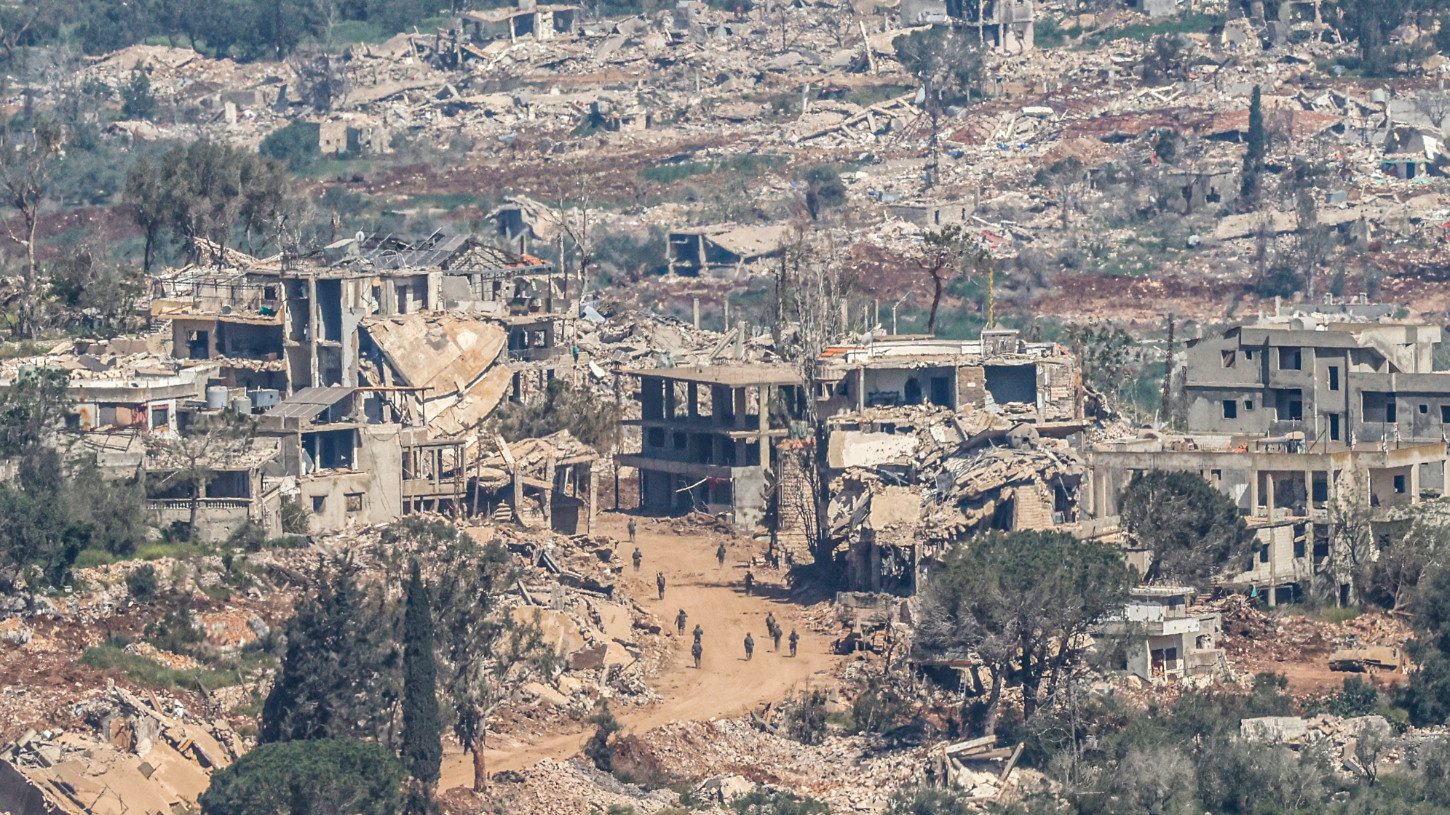
The review does not stop at the military dimension but moves to a more sensitive question: what has the war done to the party's social base?
The article notes that around 600,000 people remain displaced from southern Lebanon, while wide areas have been destroyed. The sources reveal growing discontent within the Shia community over human losses and destruction, in addition to a decline in the party's ability to provide the social services it previously offered, as a result of its financial crisis and damage to supply and funding routes.
At the same time, the article indicates that this resentment has not turned into an organised and broad Shia opposition to the party, and that Israeli pressure and sectarian rhetoric directed at residents of the south may push some members of this community to rally further around it.
Naim Qassem and a New Phase
The article devotes space to the leadership of Naim Qassem, who assumed the Secretary-General post after the killing of the previous leader.
According to sources close to the party, Qassem succeeded in managing the process of restructuring and re-establishing the leadership, despite lacking the presence that Hassan Nasrallah enjoyed. The article also reveals that discussions have taken place within the party about its political and military future and the possibility of raising the question of disarmament in the future, but these discussions have not translated into concrete proposals, especially with the continuation of the war and the pressures.
Conclusion
The conclusion reached by the review of the Middle East Eye article is that talk of the end of Hezbollah appears premature, but talk of its return to its former strength would also be misleading.
The party emerged from the 2024 war exhausted, having lost a large number of its leaders, fighters, capabilities and supply networks, and it simultaneously faces financial, popular and political pressures. Yet it exploited the post-war period to rebuild its military wing and transform it into a force that is more decentralised and reliant on technology and guerrilla warfare.
Accordingly, the picture the article paints is not that of "Hezbollah returning as it was", but of a party that has reshaped itself to survive a major blow: weaker than before, yet still capable of influencing the Lebanese and regional equation.
Source: Middle East Eye, "The resurrection of Hezbollah", Daniel Hilton and Adam Shamsuddin, 5 August 2026.


