


A wide-ranging press report has documented more than 2,100 cases linked to demolition, removal and eviction measures affecting mosques, religious schools, and religious and community property belonging to Muslims in various parts of India since 2020, amid growing controversy over removal campaigns carried out by the authorities, a large number of which have been concentrated in states governed by the Bharatiya Janata Party.
According to the investigation published by the Indian outlet «Millat Times» on 13 September 2026 (2 Rabi al-Akhir 1448 AH), its compilers gathered data from government statements, court records, media reports and documented cases, and arrived at a total of no fewer than 2,166 cases, facilities or figures included within government and administrative measures during the period from 2020 to 2026.
However, the report itself stresses that this figure does not mean that 2,166 individual Islamic facilities were documented as demolished; the database includes full and partial demolitions, removals and evictions, in addition to aggregate figures announced by local governments that may overlap with cases documented separately.
From Mosques to Madrasas and Shrines
The measures recorded by the report included mosques, Islamic schools, shrines and sanctuaries, and community property in states including Uttar Pradesh, Uttarakhand, Gujarat, Delhi, Maharashtra, Madhya Pradesh, Rajasthan, Telangana and Assam.
The implementing bodies varied between municipal authorities, district administrations, development authorities, forest departments and public works departments.
In most cases, the Indian authorities justified these measures on legal and administrative grounds, including unlicensed construction, encroachment on government land or forest land, the establishment of structures on public land, as well as road-widening and infrastructure development projects.
In contrast, Islamic organisations and committees managing a number of the affected mosques and properties challenged some of the decisions before the courts, while the judiciary upheld the authorities in other disputes relating to land and eviction.
Uttarakhand and Gujarat Among the Highest Figures
Among the most notable figures in the compilation is that relating to Uttarakhand, where government data cited in the report indicated the removal of 538 Islamic shrines up to July 2025, as part of a campaign which the authorities said targeted encroachments on public land and forests.
In Gujarat, the state's Home Minister Harsh Sanghavi announced before the Legislative Assembly in 2024 that the authorities had removed 108 buildings as part of a campaign against what he described as encroachments.
In September of the same year, nine mosques and other buildings were demolished in an area of Gir Somnath district, and these operations later reached the Supreme Court of India.
Historic Mosques Hit by Bulldozers
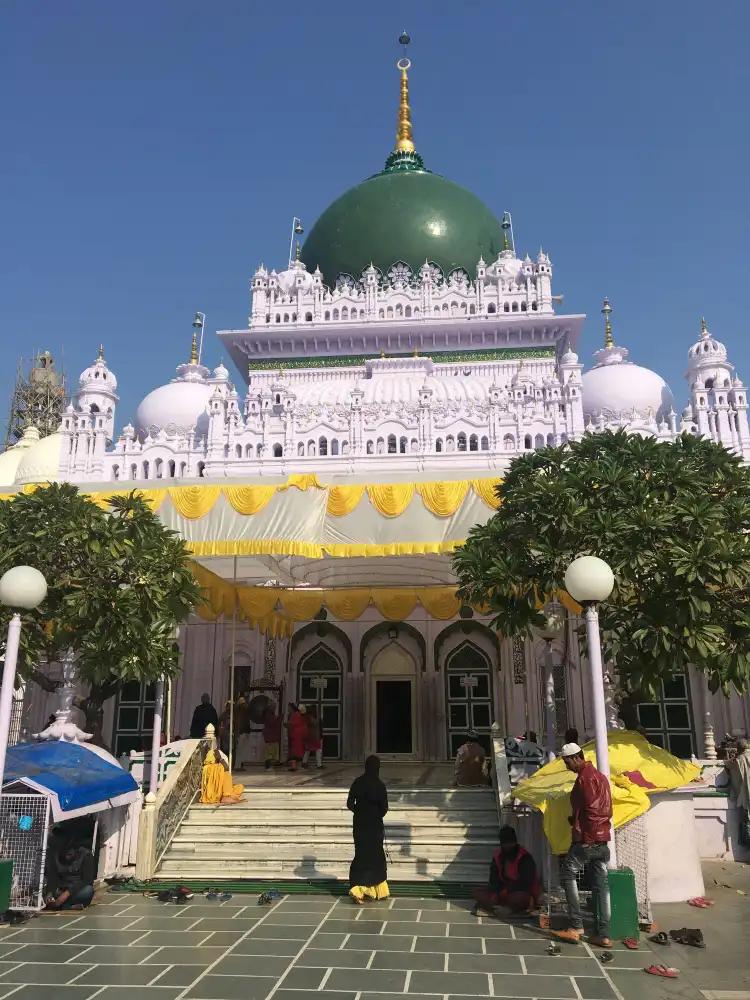
Gharib Nawaz Mosque – Barabanki, Uttar Pradesh
The six years also included the demolition of a number of old mosques.
Among the cases cited in the report are the Gharib Nawaz mosque in the Barabanki area of Uttar Pradesh in 2021, the Akhoondji mosque and its affiliated madrasa in Delhi in 2024, a historic mosque in Sitapur in 2025, and the Chowkhwa Jame Masjid in Assam, whose construction dates back more than a century.
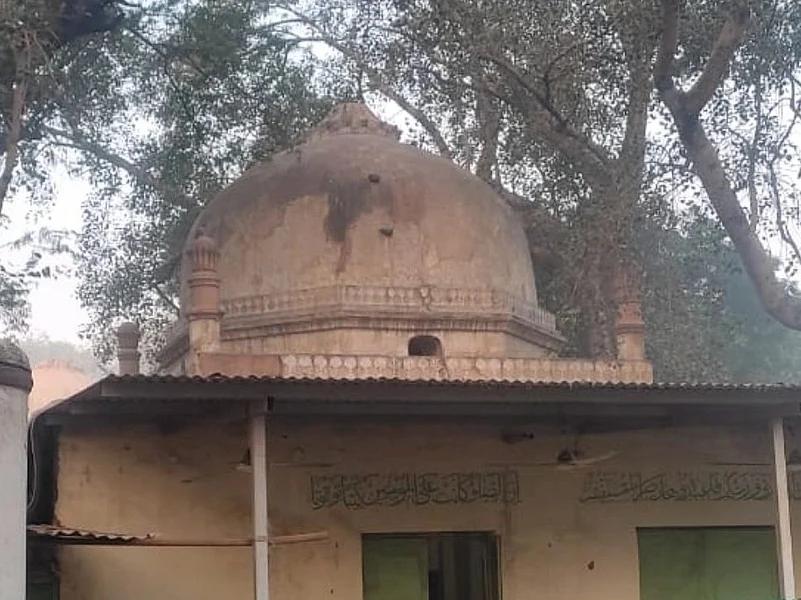
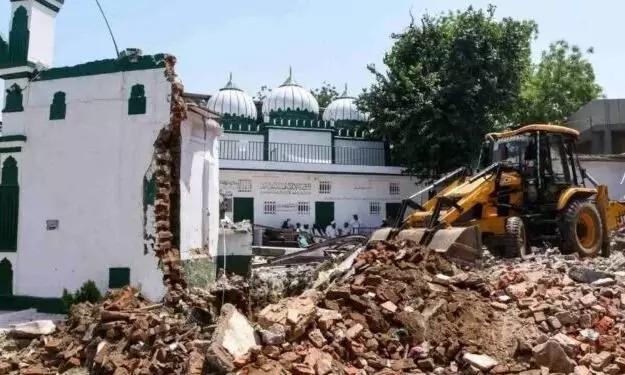
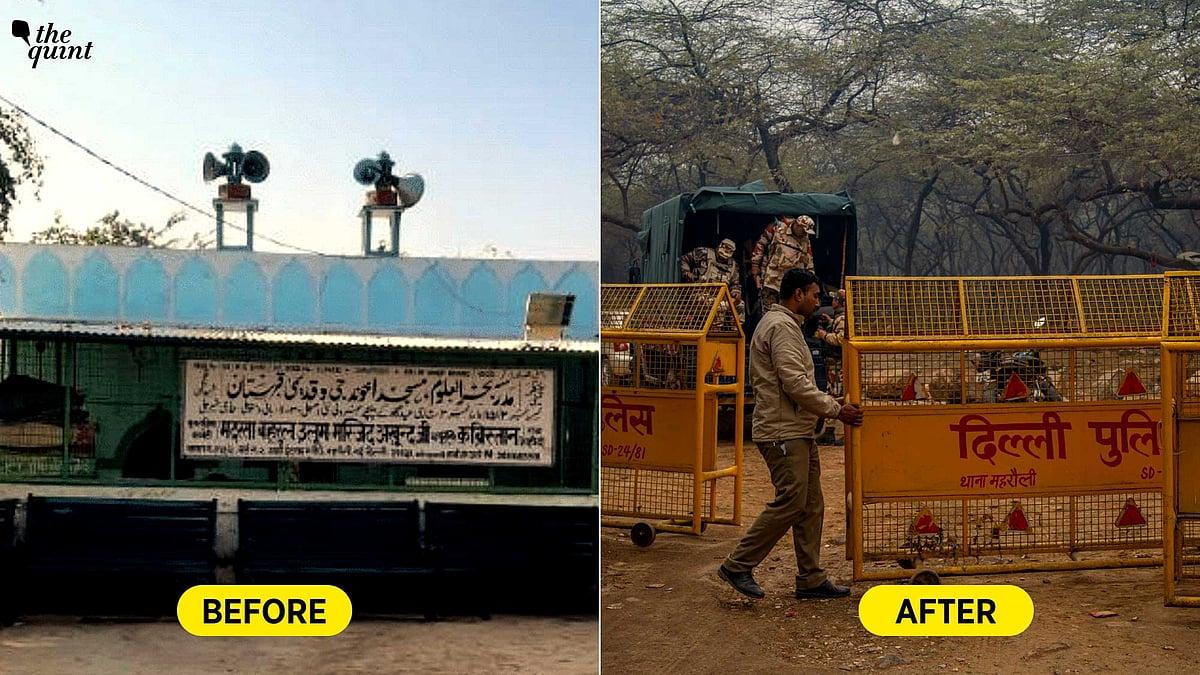
Akhoondji Mosque – Mehrauli, Delhi
Demolition and removal operations continued during 2026 in several states.
Among the most recent cases is the demolition of a mosque within the local administration complex in Saharanpur, Uttar Pradesh, on 5 September 2026 (25 Rabi al-Awwal 1448 AH), following a long dispute over the land and the issuance of an eviction order.
A New Wave in 2026
Other human rights reports support the continuation of demolition and eviction of Islamic facilities during the current year, although they do not independently establish the aggregate figure of 2,166.
The «South Asia Justice Campaign», in its report on 2026, stated that the authorities in a number of states governed by the Bharatiya Janata Party continued demolition, closure and eviction measures against mosques, madrasas, buildings and Islamic cemeteries, noting that the authorities usually rely on allegations of encroachment on government land or building violations.
The human rights report, citing a separate monitoring effort, noted that no fewer than 23 Islamic religious facilities were demolished between May and late June 2026 in states including Delhi, Gujarat, Haryana, Maharashtra, Rajasthan and Uttar Pradesh.
In Rajasthan, a field report documented more than 50 mosques, madrasas and buildings that received demolition notices in border areas, with at least seven religious facilities recorded as demolished.
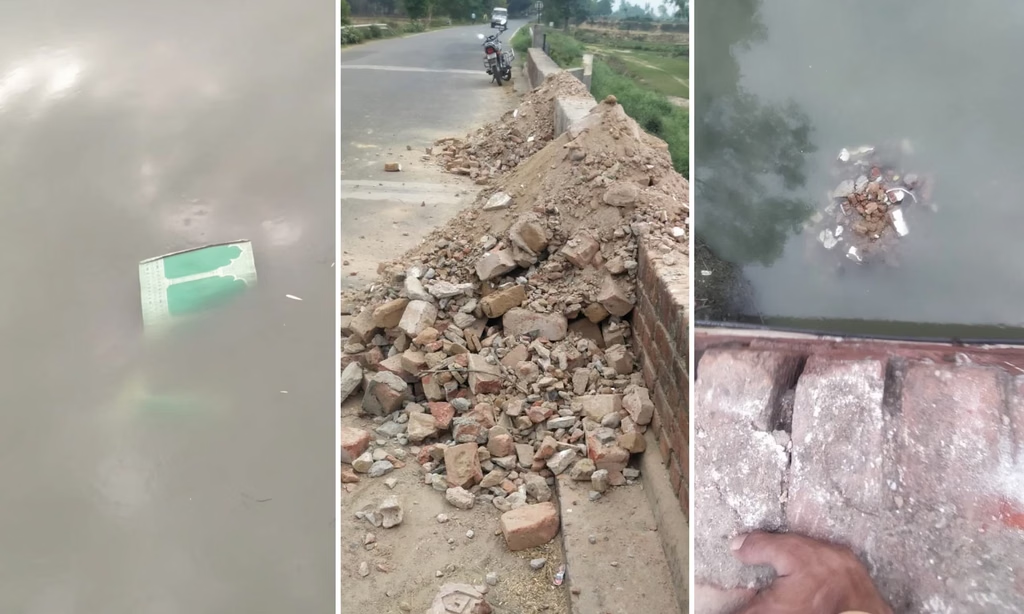
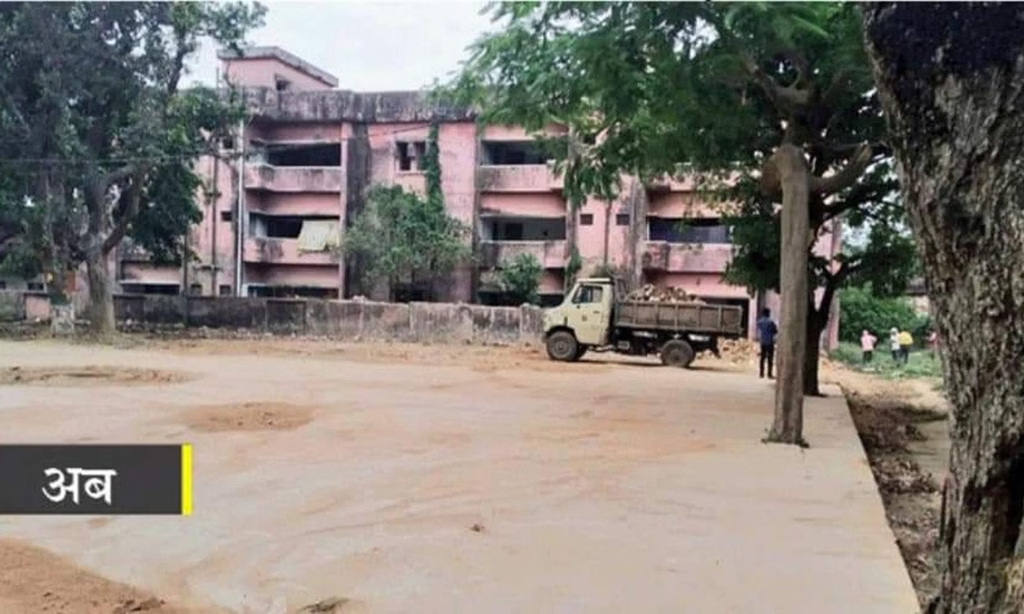
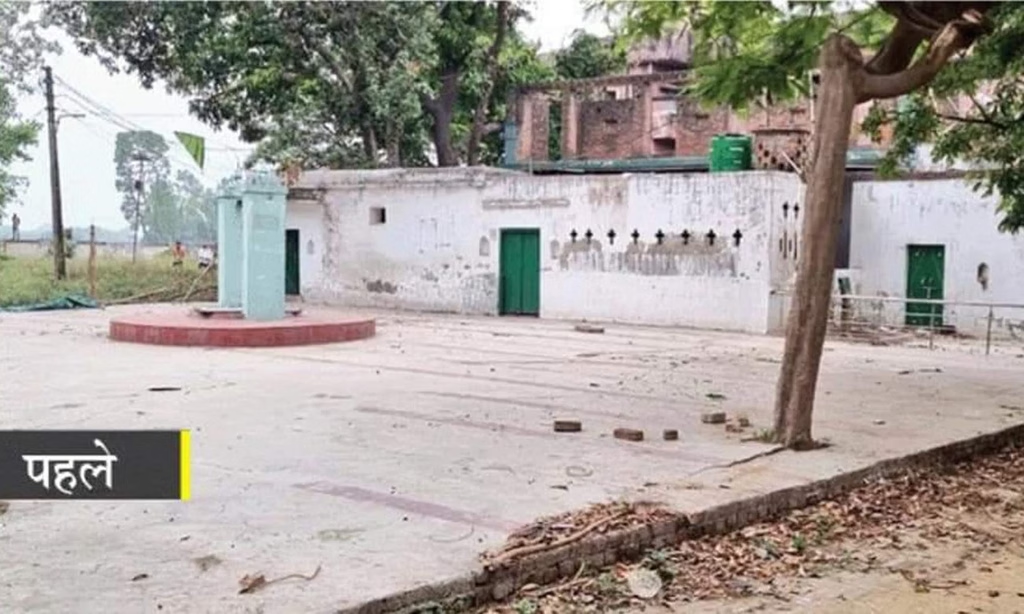
Gharib Nawaz before and after demolition
Were They Targeted Because They Are Islamic?
The «Millat Times» compilation provides no evidence that all 2,166 cases were part of a single nationwide campaign centrally directed against Islamic facilities, and the legal grounds and circumstances differ from one case to another.
The authorities say that demolition campaigns target unlawful construction and encroachment on public property regardless of religion.
On the other hand, Islamic and human rights organisations argue that the repeated demolitions affecting Muslim property, particularly in states governed by the Bharatiya Janata Party, raise questions about the selective application of building and land laws and the protection of freedom of religion.
The importance of this issue increases in light of the intervention of the Indian judiciary itself in what is known as "bulldozer justice". In November 2024, the Supreme Court set restrictions and procedures to be followed before demolishing property, affirming that the executive authority cannot use demolition as a means of punishing persons accused of crimes without following legal procedures.
Accordingly, the circulated figure of more than 2,100 Islamic facilities offers an indication of the extent of the disputes, demolitions, removals and evictions that have affected Islamic property in India over the past six years.


