

Summary
The World Food Programme warns of a "alarming" hunger crisis in Myanmar's Rakhine State
The WFP says around 16 million people in Myanmar are suffering from acute food insecurity
An aid organisation says Rohingya arriving in Bangladesh are in far worse health
Britain and the United States are providing $96 million to support Rohingya refugees
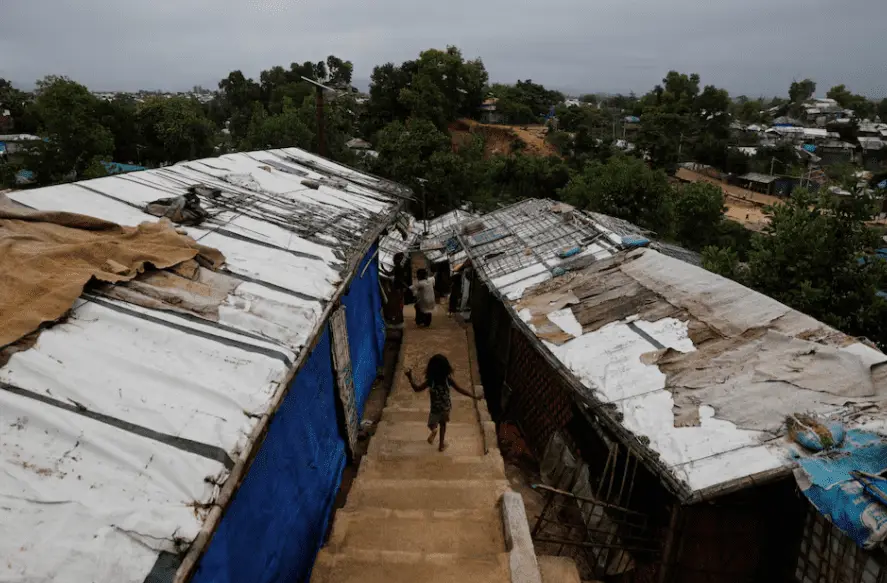
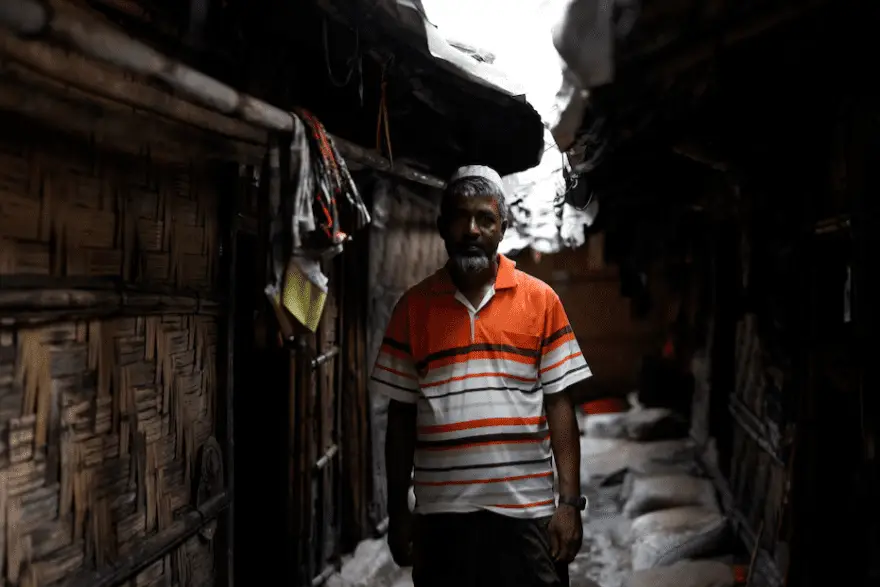
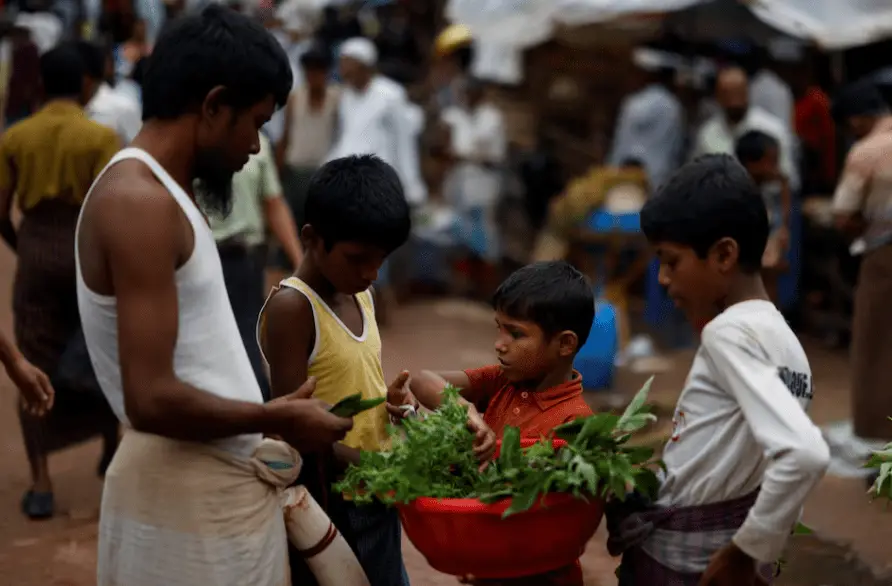
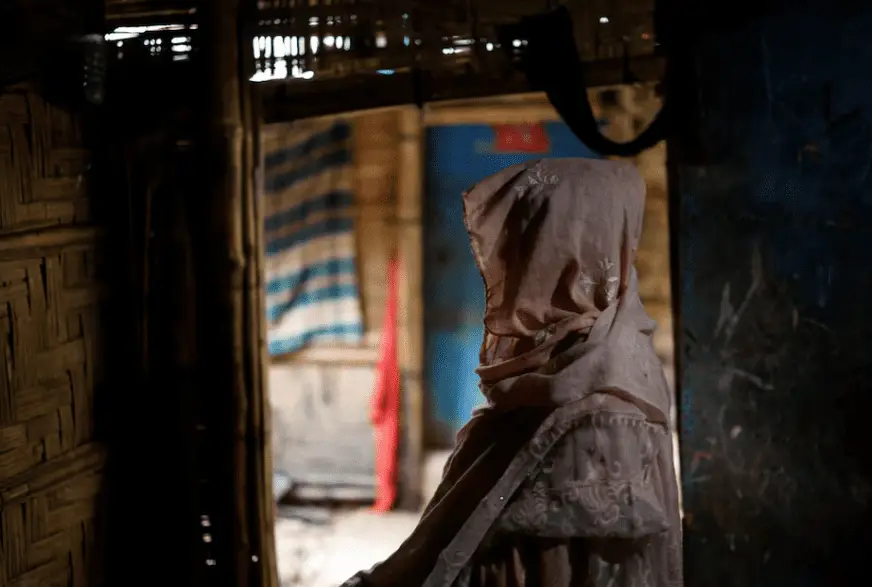
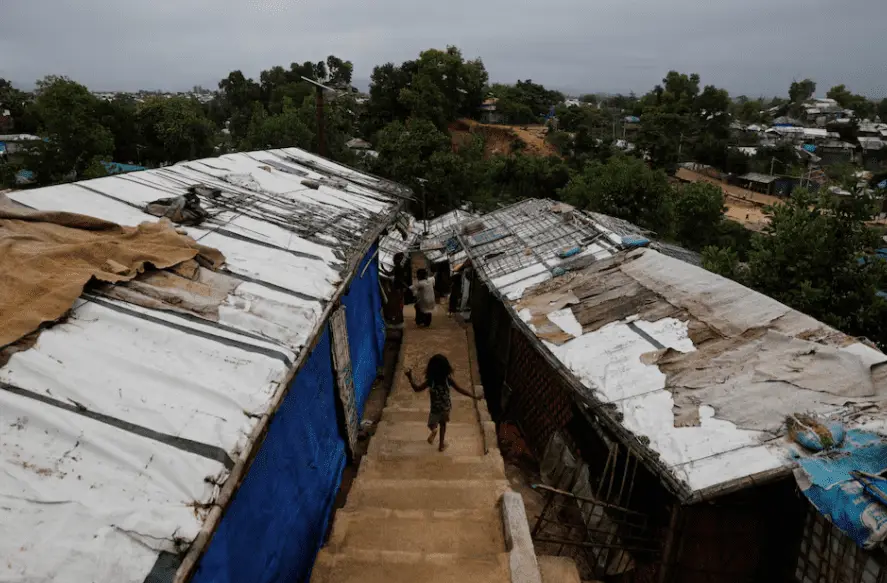
After six-month-old Ajiz Bahar's death last year in Myanmar's war-torn Rakhine State, the 38-year-old Rohingya mother said she had no medicine or food to give him. The baby died in her arms.
Speaking from a refugee camp in Cox's Bazar, Bangladesh, where she and her family sought safety after fleeing violence and hunger in Myanmar, Bahar said: "My children cried all night from hunger. I would boil grass and give it to them just to quiet them." Reuters' daily brief gives you all the news you need to start your day. Subscribe here.
Rakhine State, a western coastal region that has for years suffered conflict and ethnic violence, largely targeting the Muslim Rohingya minority, faces an "alarming" hunger crisis caused by a "deadly mix of conflict, blockade and funding cuts," according to the UN World Food Programme.
At a high-level UN conference on minorities in Myanmar held in New York on Tuesday, the United States and Britain announced an additional $96 million in aid to support refugee camps in Bangladesh that shelter more than one million Rohingya who fled Rakhine.
Living on tree leaves
Myanmar has been in crisis since the military seized power in 2021 and brutally suppressed protests, which led to a nationwide armed uprising and reignited a simmering conflict in Rakhine, opening a new front between the military council and the powerful armed group the Arakan Army.
Five Rohingya, including Ajiz Bahar and her husband, told Reuters they survived severe malnutrition in Rakhine before fleeing to Bangladesh in the past six months, by eating tree leaves, roots and herbs.
More than 100,000 children in Rakhine suffer from severe malnutrition, and fewer than 2% of them receive treatment, according to previously unpublished data provided by aid workers.
They refused to be named for fear of reprisals. Myanmar's ruling military council has blocked information about the crisis by pressuring researchers not to collect data on hunger and aid workers not to publish it, according to Reuters reporting last year.
UN Myanmar mission acting head Michael Danford said security concerns and restrictions imposed by the military council and the Arakan Army mean the UN cannot move food beyond Sittwe, the state capital controlled by the military council, into the central and northern parts of Rakhine. Danford, who is also the WFP representative in Myanmar, said: "Clearly this is contributing to the rising hunger rates we are seeing." He added: "We are extremely frustrated because we know there are people who need our support."
Khine Thu Kha, spokesperson for the Arakan Army, said the military council is obstructing the flow of aid, including food and medicine, and that the group is cooperating with the UN and relief agencies.
He added that their data indicates one in four children is suffering from malnutrition, but the situation has not reached famine levels, blaming the military blockade. He said the conflict has made it difficult to provide medical treatment, but the Arakan Army is trying to keep prices of essentials as low as possible and to reduce taxes.
A spokesperson for the military council in Myanmar did not respond to a request for comment.
Aid blocked
The situation is critical in the camps for tens of thousands of internally displaced people in the state, many of them Rohingya who fled their homes during earlier waves of violence and face severe restrictions on their movement. Data provided by aid workers show acute malnutrition is widespread in the camps, with parents giving up meals to feed their children. It also shows the number of people living in these conditions rose about tenfold between September 2023 and August of this year.
Danford said he spoke to residents of a Rohingya camp outside Sittwe earlier this year. The agency had been supporting them before funding cuts forced it to limit food supplies.
"There was a man, crying, who said to me: if the WFP cannot feed us and if the authorities do not support us, please bomb us. Get rid of our misery."
"Severe wasting"
The International Rescue Committee, a non-profit organisation working in refugee camps, reported last month that Rohingya arriving in Bangladesh are in far worse health than earlier waves of refugees, with rising rates of malnutrition, particularly among children under five and pregnant and breastfeeding women.
The IRC added that the rise in new arrivals coincided with a severe shortfall in aid funding worldwide and overstretched health and nutrition services.
"There was not enough food to eat." Mohammed Idris, Bahar's husband, a farmer from the town of Buthidaung, said: "We were eating only one meal most days," adding that he gave his food to the children and ate what was left over.
He said food prices had risen sharply, and at times there was nothing to buy.
"I cannot remember the last time we ate an egg or meat."
Bahar is now in her eighth month of pregnancy. Although the family is grateful to be living in peace, conditions in the camp are difficult, she said.
"I wonder - will this child also be born hungry?"
Reuters


