

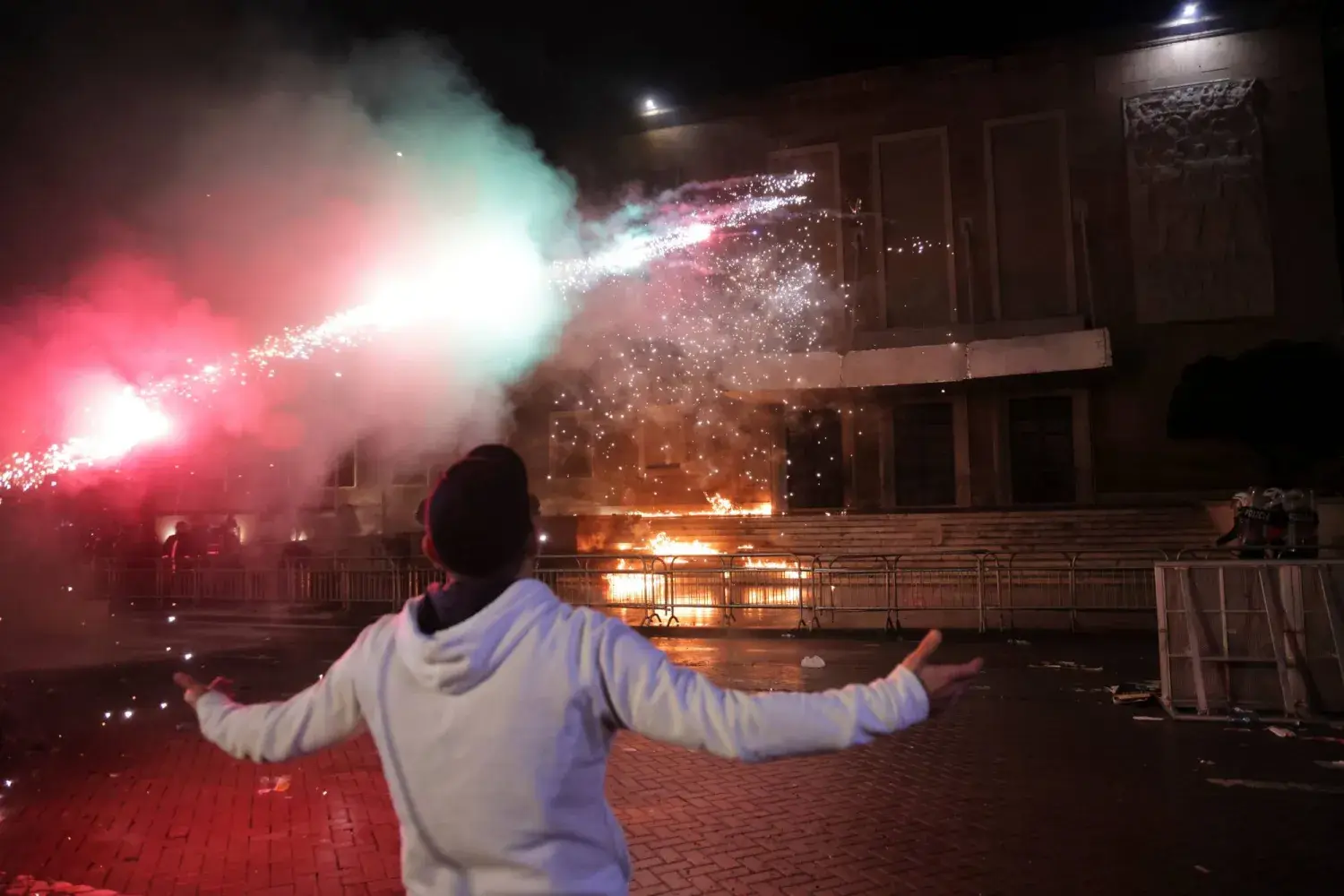
The Albanian capital Tirana has witnessed a growing wave of protests against the government, expressing mounting public anger over the deterioration of basic services and declining living standards, amid repeated allegations of corruption and the state's failure to meet citizens' needs.
The most prominent demands of the protesters centre on improving water and electricity services, in addition to reforming the education and healthcare sectors, which citizens say have long suffered from chronic weakness, according to local and international reports.
A Trust Crisis Years in the Making
These protests come during the rule of Prime Minister Edi Rama, who has led the country for nearly 13 years. Many citizens have expressed their frustration at the absence of tangible changes in infrastructure and public services.
Protesters argue that the continuation of the status quo reflects political and administrative failure, particularly given Albania's relatively weak performance in the health and education sectors compared with other Western Balkan countries.
Political and Media Tensions
Adding to the controversy, the prime minister appeared in a television interview in which he responded angrily to questions about his government's performance, accusing the presenter of "inaccurate talk," before abruptly ending the interview. This drew further criticism of him and was seen as an indicator of rising political tension.
Further Dimensions of Public Anger
Reports also indicate that part of the public anger is linked to controversial investment projects in the country, including projects associated with Jared Kushner, which has heightened a sense among sections of society that economic and political decisions are being made far from citizens' priorities.
The protests in Albania reflect a deeper crisis than service demands alone. They point to the erosion of trust between the street and the government after many years in power, amid growing calls for political change and an improvement in quality of life.


