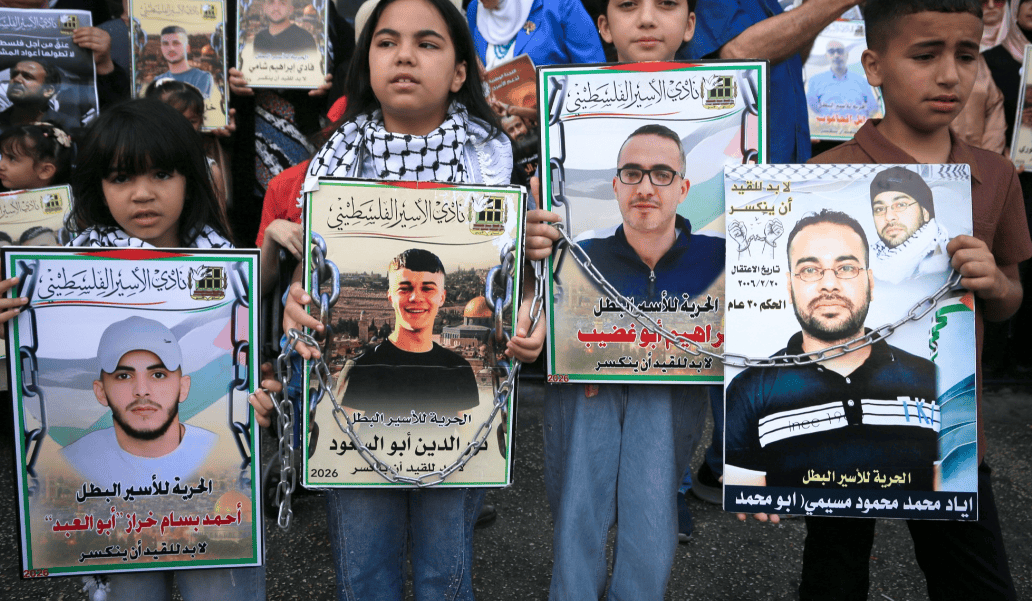
"I would rather die than go back there." With these words, a Palestinian teenager sums up an experience that lasted nearly ten months inside Israeli prisons, at a time when data points to a sharp rise in the number of Palestinian children detained since October 2023.
An investigation published by the Israeli-Palestinian publication +972 Magazine on 30 September 2026, documents, through the testimonies of children, their families, lawyers and human rights organisations, the conditions in which Palestinian minors are detained, from the raiding and interrogation of their homes to prisons and military courts.
At the heart of the investigation is the story of a boy given the pseudonym Zaid, who was arrested at the age of 15 and spent about nine and a half months in prison. He says that during that period he was beaten, starved and fell ill, while being almost entirely cut off from his family.
Fifty soldiers to arrest a 15-year-old
Zaid's story began in the middle of the night of 15 February 2025, when some 50 Israeli soldiers raided his family's home near Ramallah in the occupied West Bank.
According to the testimony of his parents to the magazine, the soldiers demanded to see their 15-year-old son. When an officer saw the boy, he was surprised that he was the one wanted, given his young age and size.
But Zaid was the person they had come to arrest.
His family says the soldiers beat him when he resisted arrest, then dragged him out of the house and put him inside a military vehicle, without the officer in charge telling his parents why he was being arrested or where he would be taken.
After the family obtained legal representation, they discovered that their son had confessed to throwing stones. Zaid now strongly denies this, saying he gave the confession after hours of beatings during interrogation.
On the basis of this confession, the Israeli military prosecution brought formal charges against him, and a detention lasting about nine and a half months began.
"Stop talking.. just sign"
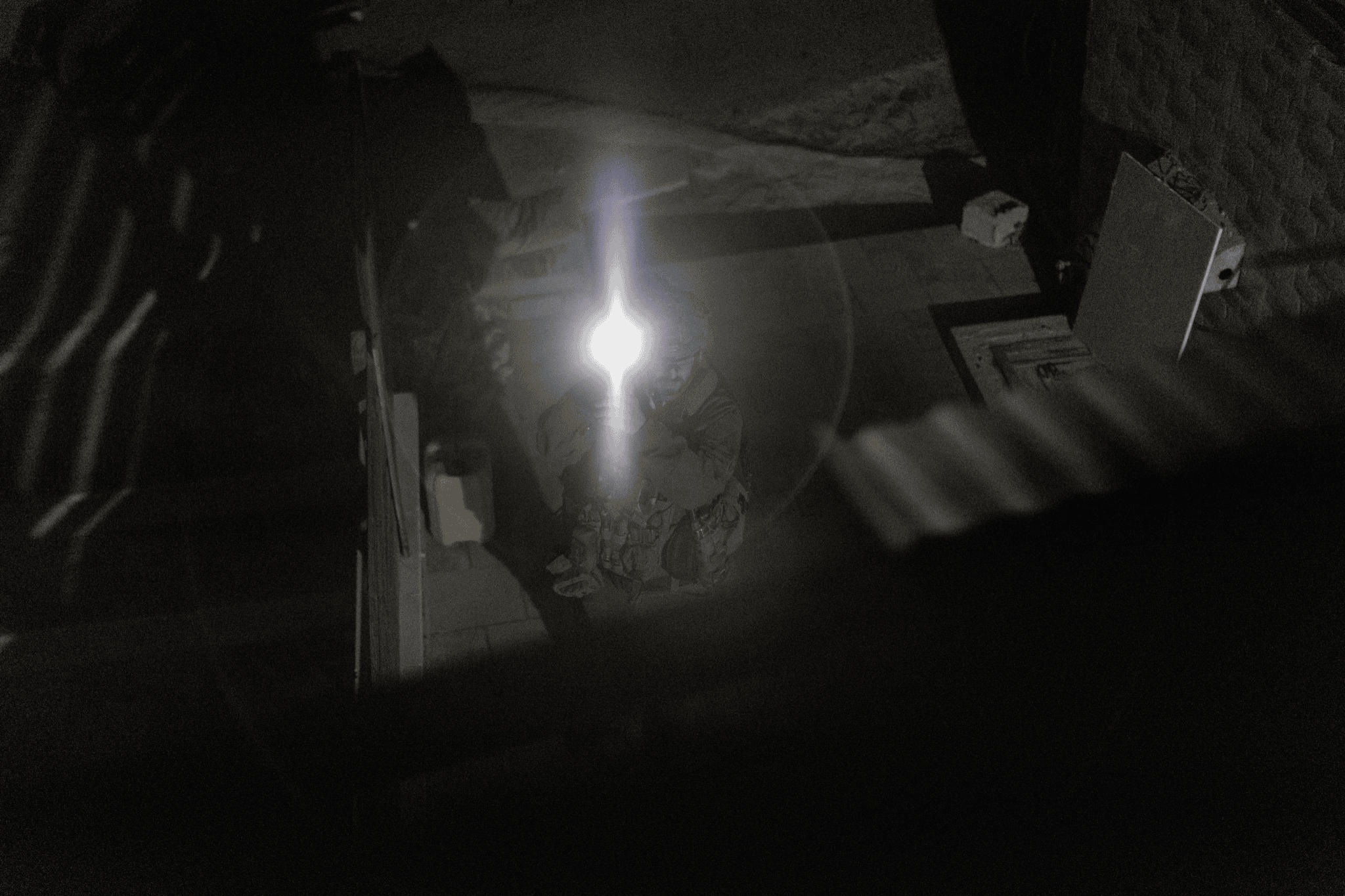
Zaid says that his interrogation at the Beit El military base turned into violent beating after one of the commanders was not convinced by his account of what he had been doing on the day of his arrest.
According to his testimony, he later discovered that two of his ribs had been fractured.
He says that when the pain became so severe that he could no longer breathe, he told the interrogators what they wanted to hear and confessed to throwing stones, and the beating stopped.
After that, a document was placed in front of him to sign.
Zaid says he told the interrogators that he does not speak Hebrew and asked them what was written on the paper, and the reply, according to his account, was: "Don't talk, just sign."
The organisation Save the Children says it has multiple reports of children who were forced to sign documents written in languages they do not understand, without a lawyer present.
Another boy speaks of being burned with a cigarette
The investigation also includes the testimony of another Palestinian boy, given the pseudonym Ibrahim, who is 15 years old and comes from the Arroub camp.
Ibrahim says soldiers broke into his family's home and smashed furniture before taking him to a military base in a nearby settlement.
According to his testimony, the interrogators accused him of throwing a Molotov cocktail, beat him during the interrogation, forced him to take off his clothes until he was left in his underwear, and prevented him from using the toilet.
He recounts that one of the soldiers offered him a cigarette, then put it out on his arm.
The interrogators asked him to sign a confession in Hebrew, but he refused because he does not understand it. When they gave him a copy in Arabic, he told them he could not read. He was released the following day.
Hundreds of children behind bars
Zaid's story is not an isolated case.
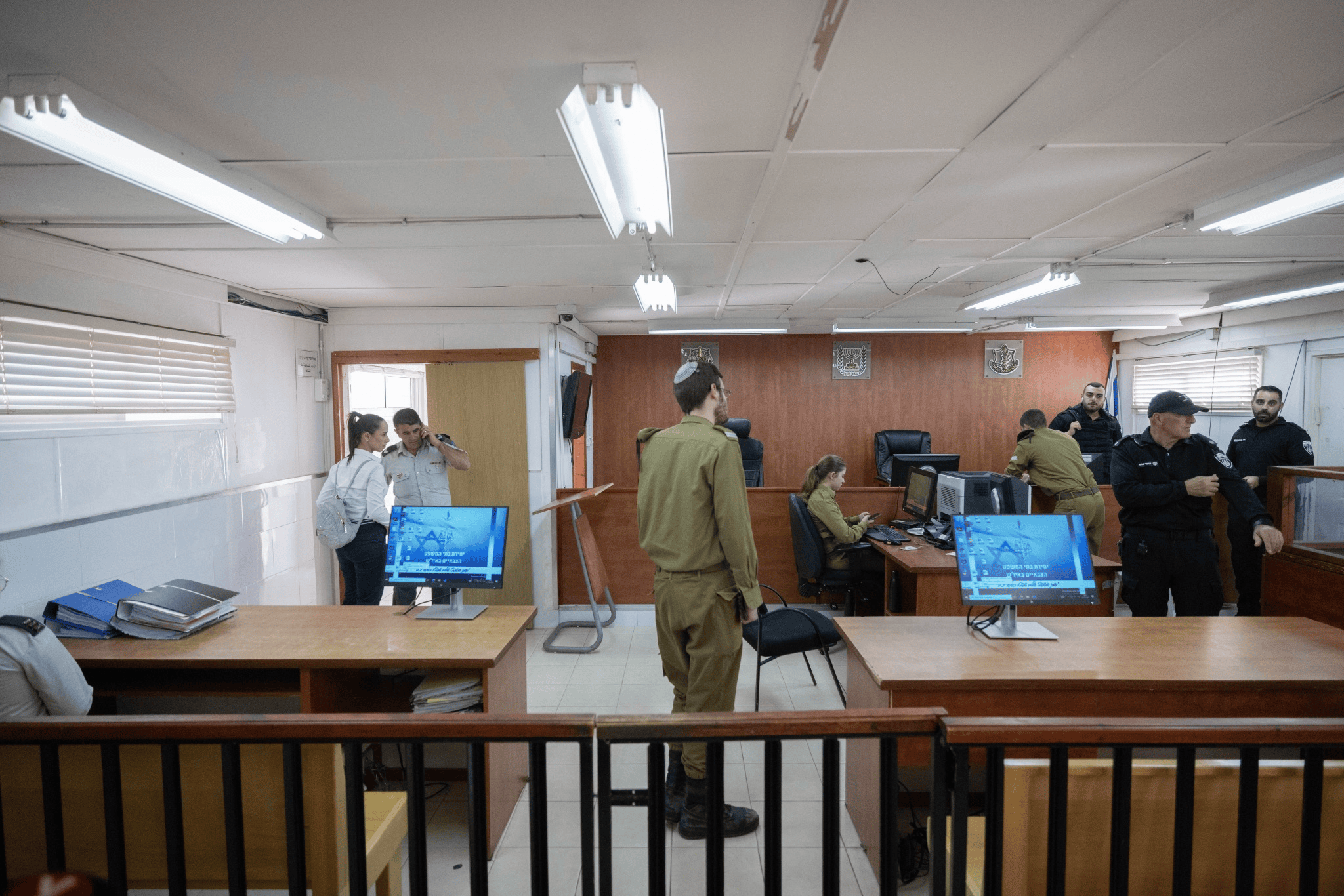
According to data the investigation cites from the Israeli human rights organisation B'Tselem, at the end of June 2026 the Israel Prison Service was holding 376 Palestinian minors on what Israel describes as security grounds, in addition to 94 minors held for being inside Israel illegally.
A comparison with United Nations data from three years earlier shows a large increase in the number of Palestinian minors detained since the attacks of 7 October 2023.
The increase is most clearly visible in administrative detention, which allows people to be held without charge or trial, based in many cases on secret evidence, with detention orders renewable.
According to figures from the organisation Parents Against Child Detention, cited by the investigation, the number of Palestinian minors held in administrative detention reached 191 children in March 2026, compared with 103 children a year earlier.
Of these, 50 had been held for more than a year, compared with only six in the same period of the previous year.
Inside Megiddo prison
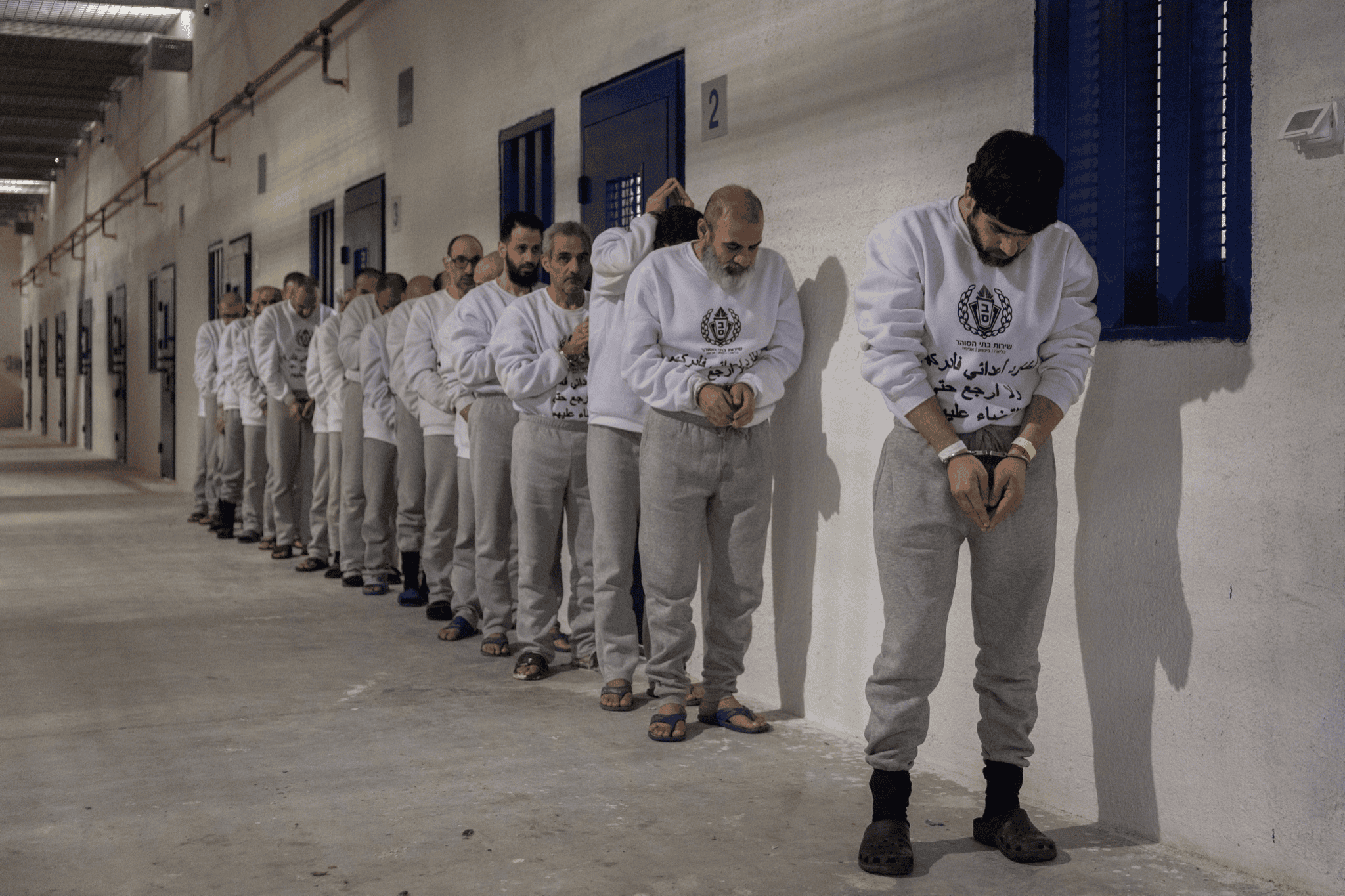
Zaid spent most of his detention at Megiddo prison in northern Israel.
He says he lived in a cell with ten other boys, while the lights remained on throughout the day and night.
He did not speak to a lawyer for the first time until four days after his arrest, during a court session. Sessions continued after that, but almost every session ended with a new postponement and an extension of his detention.
According to his father, 12 court sessions were held in the case.
Zaid also speaks of hunger as part of daily life in the prison, saying that the prison administration sometimes provided one plate of rice for ten prisoners.
Ramadan came about two weeks after his arrest. He says food was served during the day while the boys were fasting, and by sunset it had been left out for hours, becoming, in his account, hard and sometimes spoiled.
He says a number of the boys developed stomach problems, and that he and others contracted scabies.
The death of Walid Ahmad
Among those detained alongside Zaid was the Palestinian boy Walid Ahmad, aged 17.
According to the investigation, Walid suffered for weeks from severe diarrhoea, dizziness and vomiting, while Zaid said he did not receive treatment despite repeated requests.
On 22 March, about a month after Zaid's arrest, Walid collapsed while detainees were being taken out to the prison yard.
Zaid says the boy hit a pole and blood ran from his face, while the detainees shouted for help.
Walid later died, and the investigation notes that an Israeli doctor concluded he had been suffering from severe malnutrition, with sharp weight loss and muscle wasting.
According to +972, Walid is so far the only known Palestinian minor to have died in Israeli detention.
"Torture has become systematic"
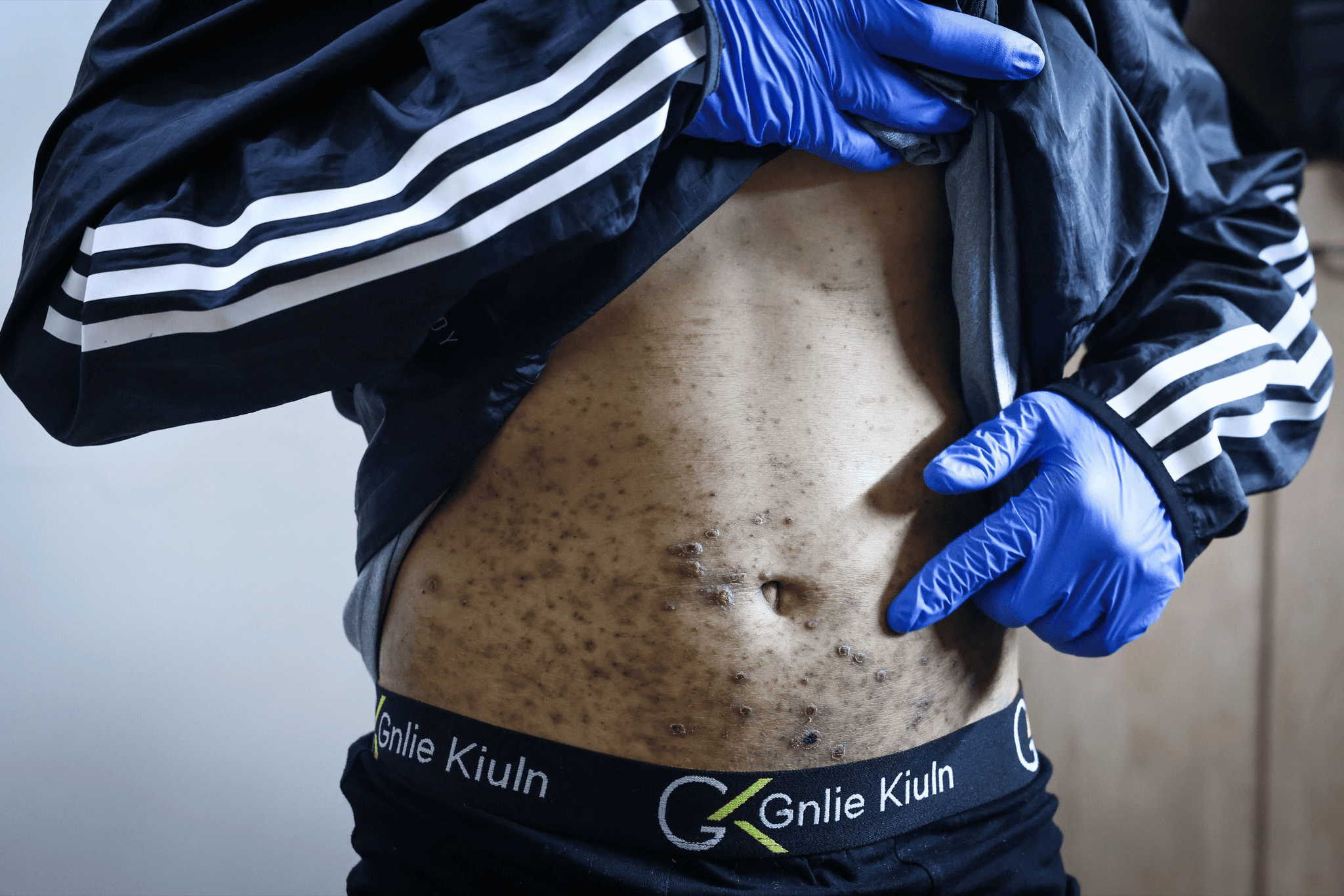
Sari Bashi, executive director of the Public Committee Against Torture in Israel, says that, according to her organisation's assessment, torture and other cruel, inhuman and degrading treatment have become systematic against Palestinian detainees, including children.
In June 2026, the United Nations said that arrests and detention had helped create a widespread sense of despair among Palestinian children.
Khaled Qazmar, former chair of the Global Campaign for Children's Defence – Palestine, believes that the arrest of children affects the entire family: the child loses his education and his health and life are harmed, while the family bears the continuing consequences of the arrest.
Gaza's children and a different detention regime
The issue is not limited to children in the West Bank.
Palestinian children in Gaza fall under a different legal framework, and those suspected of taking part in combat activities against Israel can be detained under what is called the "Unlawful Combatants Law", which permits detention without trial.
Teti Carmel, executive director of Parents Against Child Detention, said that Prison Service data available to the organisation indicates that some five to seven children from Gaza are currently detained under this law inside Prison Service facilities, but she said the organisation does not know whether other children are held in military facilities.
Since October 2023, Israel has detained some 4,000 people from Gaza under this law, including an unknown number of minors, according to figures cited by the Public Committee Against Torture in Israel.
The investigation includes a testimony gathered by United Nations investigators from a 15-year-old boy from Gaza, who said he was arrested during a mass arrest campaign in December 2023.
According to his testimony, he was handcuffed and blindfolded and transferred to an unknown location, was deprived of water, and was beaten, stripped and interrogated about Hamas and the 7 October attacks.
He said that during 54 days of detention he was subjected to several forms of torture, including electric shocks, before being released through the Kerem Shalom crossing.
Children cut off from their families
Human rights organisations say that one of the most damaging aspects of detention for children is their almost complete separation from their families.
According to Teti Carmel, there have been no family visits or even telephone calls for these children since 7 October 2023.
Zaid was only able to get news to his family through boys who were released, in the hope that they would reach the families of the other detainees.
His parents were only able to see him during court sessions, where they sat in a separate room and followed the proceedings on a screen.
His mother says that when she first saw him a week after his arrest, she noticed bruises on his face and scratches on his neck.
Eventually, after 12 sessions and repeated postponements, Zaid was offered a guilty plea in exchange for the time he had already served in prison. He agreed, and was released the following day.
"I would rather die than go back"
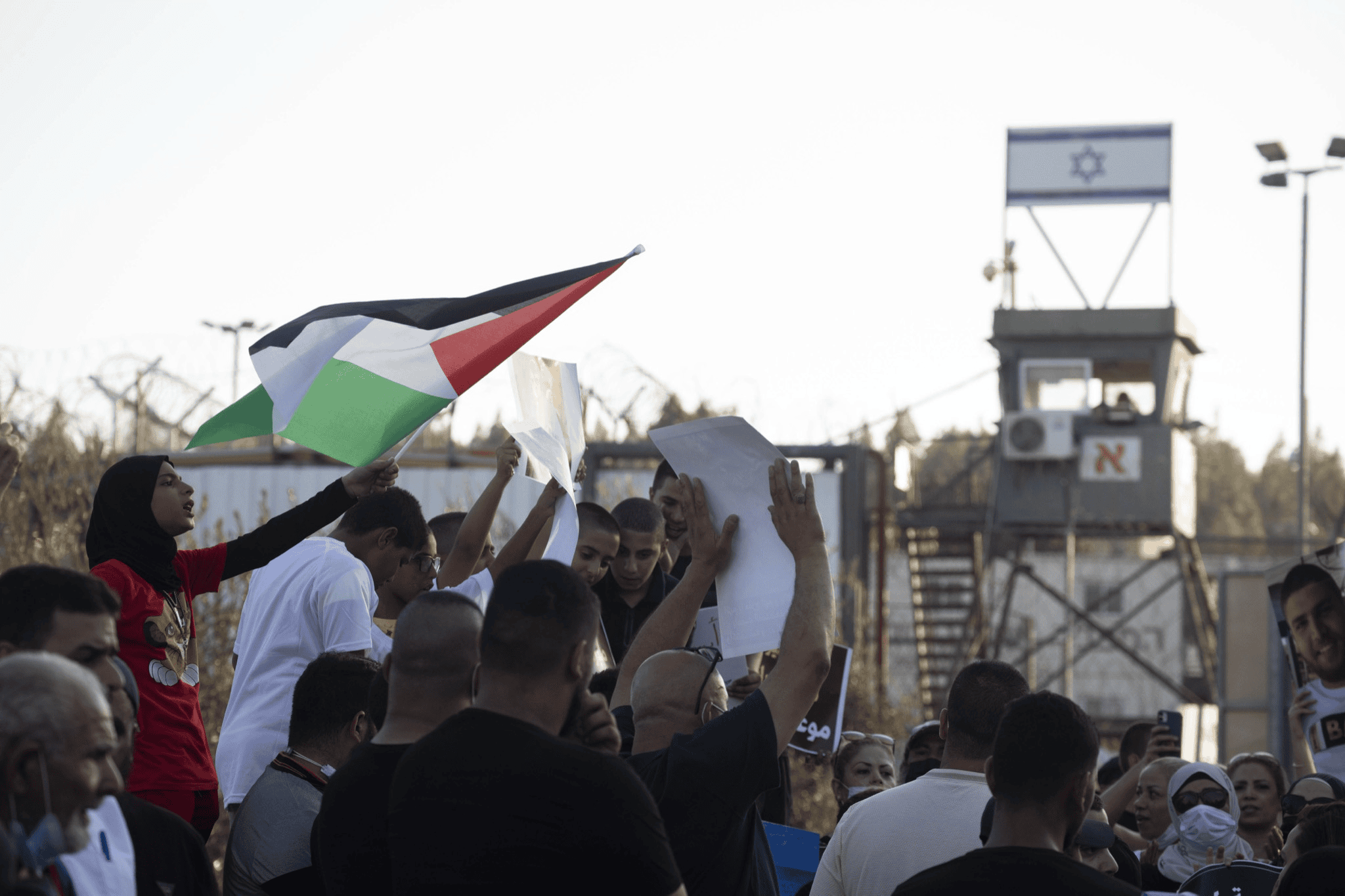
Zaid returned to his family, and is now 17 years old. He has enrolled in a vocational school to train as a mechanic.
But prison, according to his family, did not end the moment he walked out of its gate.
His mother says his personality has changed, and that the quiet boy she knew before the arrest has become quick to anger, while his father says his son suffers from recurring nightmares.
The family now tries to keep him away from soldiers and checkpoints, and calls him to come home whenever the army raids the village.
As for Zaid himself, he says he tries not to think much about what happened.
But when the investigation's reporter asked him what he would do if soldiers came to arrest him again, his answer revealed the extent of what the experience has left inside him:
"I would run until they shoot me.. I would rather die than go back there."
+972 said it had contacted the Israel Prison Service for comment on the contents of the investigation, and that it would add its response when received.