


On the thirtieth of August each year, the world marks the International Day of the Victims of Enforced Disappearances. In many countries of the Islamic world, however, the occasion does not commemorate a crime that has ended; it opens a file that is still bleeding: thousands of people who were taken — by night or by day — from their homes, from the streets, from checkpoints or from their workplaces, after which the authorities that detained them denied their presence, concealed their places of detention, or cut them off from the outside world, leaving behind families who do not know whether to wait for their return or begin mourning them.
The date of 30 August 2026 carries a particular significance, as it coincides with the twentieth anniversary of the adoption of the International Convention for the Protection of All Persons from Enforced Disappearance. The United Nations has chosen for the occasion the slogan: "Victims first: act now," at a time when it affirms that enforced disappearance is still being committed in all regions of the world by regimes and governments that are themselves members of the United Nations, and that hundreds of thousands have disappeared during periods of conflict and repression in no fewer than 85 recognised countries.
Despite decades since the establishment of the United Nations mechanisms on enforced disappearance, the same question continues to be asked from Palestine, Syria, Iraq, Yemen, Egypt, Libya and Sudan, to Pakistan, Bangladesh and East Turkestan: Where are they?
Not a "missing persons" case, but a crime built on erasing a human being from their reality
Enforced disappearance does not simply mean that a person has gone missing. According to the international definition, the crime is committed when a person is deprived of their liberty at the hands of state agents, or of persons acting with the state's authorisation, support or acquiescence, and their detention is then denied or the fate or whereabouts of the person are concealed, thereby placing them outside the protection of the law. This may last hours, days or years; the decisive element is the concealment of the fact of detention or of the person's fate.
For this reason, enforced disappearance is sometimes described as one of the most cruel violations, because it combines within a single crime several violations: liberty and security, physical integrity, a fair trial, protection from torture, recognition of the person before the law, and the right to know the truth. It may also end in a violation of the right to life itself if the disappeared person is killed and their body hidden. When enforced disappearance is committed as part of a widespread or systematic attack against a civilian population, it rises to the level of a crime against humanity.
The victim here is not the disappeared person alone. Their family members are also victims. The wife who cannot prove whether her husband is dead or alive, the mother who waits for years for a knock on the door, and the children who grow up without knowing their father's fate all live as an extension of the crime. The immense psychological, financial and administrative burdens borne by families make women and girls the most affected, particularly when the disappeared person was the family's main provider.
Palestine: detention that may turn into disappearance for an indefinite period
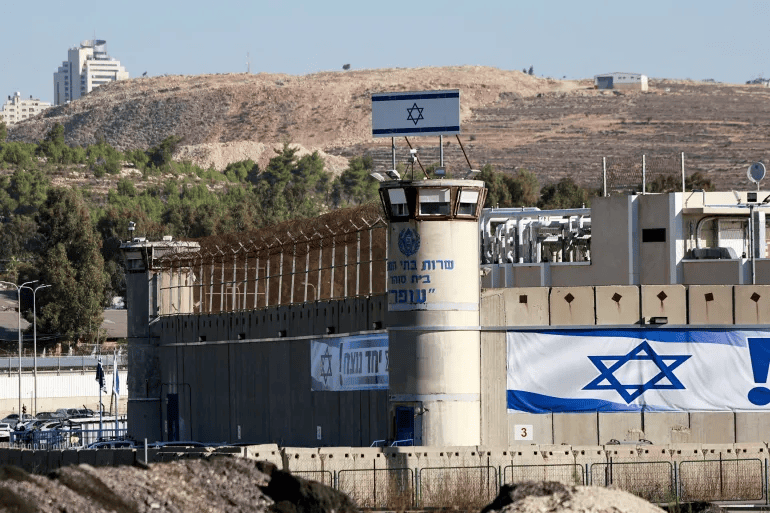
In occupied Palestine, the file of detainees from the Gaza Strip has become one of the clearest recent examples of the overlap between detention incommunicado and enforced disappearance.
In June 2025, United Nations experts sent a letter to the Israeli authorities concerning what they described as the enforced disappearance and arbitrary detention of key health-sector workers in Gaza. The information they received pointed to the arrest of more than 250 health workers since October 2023, with about 150 of them still in detention at the time, and the fate and whereabouts of a number of them unknown. The information also contained widespread allegations of torture, physical, psychological and sexual violence, medical neglect and starvation.
In a United Nations report issued in 2026 on the human rights situation in the occupied Palestinian territory, the Office of the United Nations High Commissioner for Human Rights stated that the routine use of administrative detention, and detention without charge or trial, exposed Palestinians to arbitrary detention, torture and other ill-treatment and "enforced disappearance." United Nations experts had previously stressed that refusing to acknowledge the detention of a Palestinian or concealing their place of detention from their family and from the legal parties concerned contains the elements of enforced disappearance.
The fact that a detainee is held within a known prison system does not eliminate the risk of disappearance. A person may be held by a state, yet their family does not know where they are, their lawyer cannot reach them, and the responsible authority does not acknowledge their location. It is precisely here that the dangerous gap between "detention" and "disappearance" begins.
Syria: a change of authority, but the question remains: where are tens of thousands?
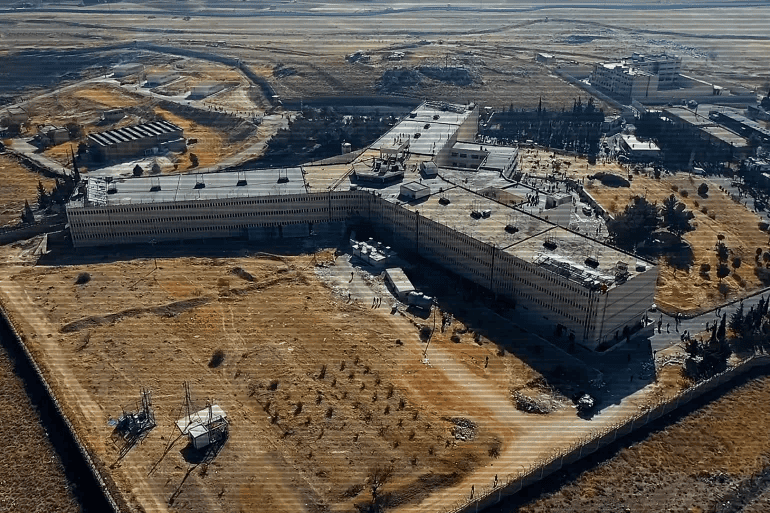
Saydnaya Prison: the "human slaughterhouse"
The Syrian file may be one of the heaviest files of missing and disappeared persons in the region. The fall of security systems or the change of authorities in control does not automatically return the disappeared, nor does it answer the question of families who have spent years searching prisons, mass graves and records.
For this reason, the "Independent Institution on Missing Persons in the Syrian Arab Republic," affiliated with the United Nations, continued in 2026 to hold meetings with victims' families and civil society organisations to develop mechanisms for searching for missing and forcibly disappeared persons, reflecting the scale of a file that has not been closed with the end of one political phase and the beginning of another.
More importantly, the matter is not solely a legacy of the past. In a United Nations update issued in 2026 following a visit to Hasakah, the United Nations human rights team received testimonies of killings, enforced disappearances and arbitrary detention, including accounts from families who said their relatives disappeared while held by the "Syrian Democratic Forces" (SDF) or coalition forces. This came at the same time as the transfer of thousands of detainees from north-eastern Syria to Iraq.
In its latest reports on Syria, the United Nations Working Group on Enforced or Involuntary Disappearances welcomed the establishment of national mechanisms for missing persons and transitional justice, but also noted that the file of older cases remains open and that allegations of new disappearances after December 2024 have been received.
Transitional justice without disclosure of the fate of the disappeared is thus incomplete justice. It is not enough to open the prison doors; the archives must be opened, mass grave sites protected, DNA testing carried out, the identities of bodies determined, and those who ordered, carried out and concealed the evidence held to account.
Egypt: from short disappearances to years of absence
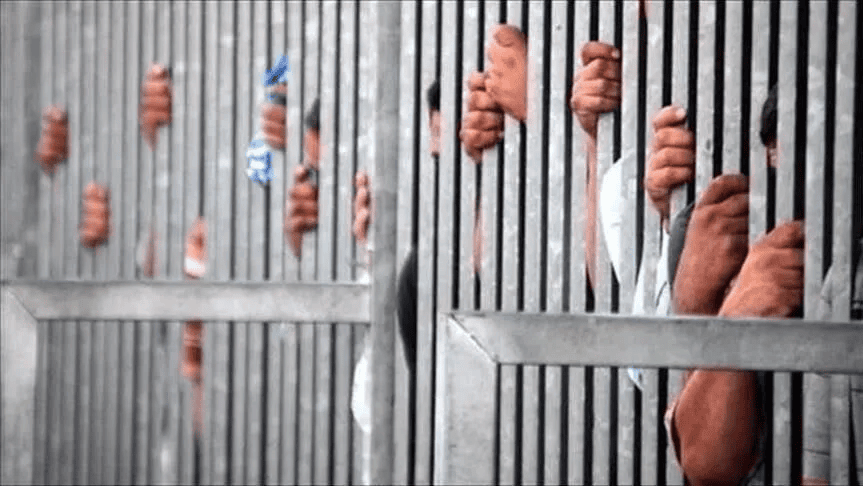
In Egypt, international organisations continue to document the use of enforced disappearance against people detained for political reasons. Amnesty International states that security forces, including the National Security Agency, continued during 2025 to subject detainees to enforced disappearance or detention incommunicado, while torture and other forms of ill-treatment remained recurrent in prisons, police stations and National Security facilities.
This did not stop in 2026. In July, Amnesty International documented the arrest of at least 50 people in connection with a youth group on the "Discord" platform, and investigated the cases of six men who it said had been subjected to enforced disappearance for periods ranging from six to 40 days.
In North Sinai, a joint letter from United Nations experts in April 2026 raised more serious allegations relating to years of counter-terrorism operations: enforced disappearances, secret detention, torture, unlawful killings, and the discovery of a mass grave said to contain the remains of around 300 people. The letter pointed to allegations of involvement by Egyptian security forces and government-backed tribal militias, with Bedouin communities disproportionately affected by these violations.
Here appears one of the most dangerous gateways to enforced disappearance in the world: turning a security exception into a permanent system. It begins with detention "for security reasons," then the detainee is hidden from their family and lawyer, then they appear weeks later in a prosecution office, a prison or even a mass grave, as though the period in which they disappeared were not a crime in its own right.
Yemen: a crime not monopolised by a single party
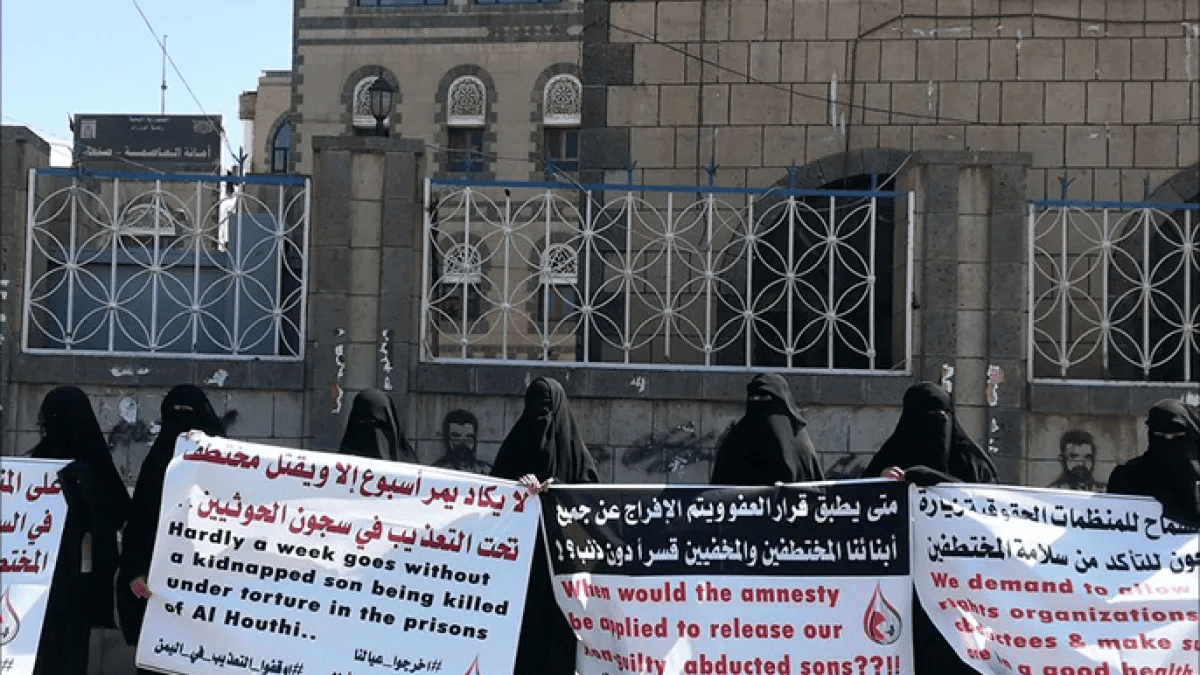
In Yemen, the picture reveals another tragedy: the multiplicity of parties committing violations.
According to Human Rights Watch, parties to the conflict, including the Houthi authorities, the Yemeni government, and forces backed by the UAE such as the Southern Transitional Council and the joint forces, continued during 2025 to commit arbitrary detention, enforced disappearance, torture and ill-treatment of detainees. The organisation spoke of hundreds of Yemenis held in official and unofficial facilities.
Apart from the Houthi arrest campaign that began in May 2024 against United Nations staff, civil society organisations, embassies and companies, dozens of Yemeni detainees have remained deprived of contact with their families, of the right to defend themselves, and of news about them. These people have not found a voice as the United Nations staff did in speaking about their plight.
The value of this example is that it prevents the case from becoming a selective political tool: the rights of a victim of enforced disappearance do not change with the banner of the party to which the perpetrators belong. Authorities are obliged to reveal their prisons, de facto authorities are obliged to do likewise, and forces that are affiliated with or backed by external powers do not gain immunity because they operate within a military or security coalition.
Iraq: thousands of men and boys and a right deferred for years
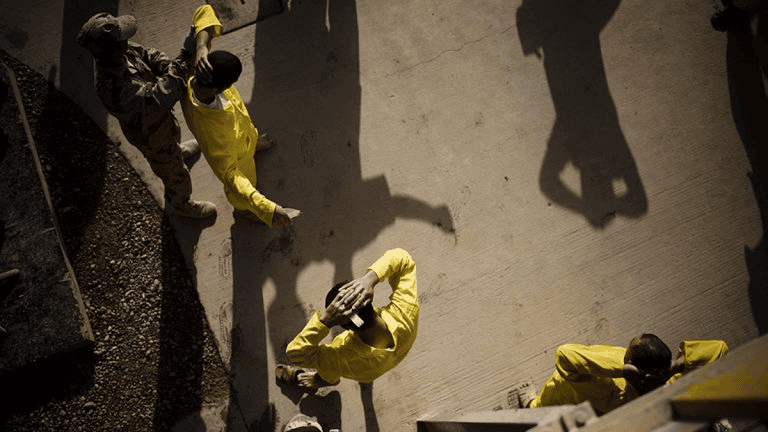
In Iraq, the legacy of wars, the fight against the "Islamic State" group, militias and security divisions continues to cast its shadow over thousands of families.
In August 2026, Amnesty International said that families of thousands of victims of enforced disappearance remain deprived of truth and justice. It specifically pointed to thousands of men and boys who were arbitrarily arrested or abducted and disappeared following military operations against the "Islamic State" group, including at least 643 people who disappeared after being abducted from al-Sqlawiya in Anbar Governorate in 2016, whose fate remains unknown ten years later.
Amnesty International reports also indicate that the fate of thousands of men and boys held by Iraqi security forces and factions of the Shia "Popular Mobilisation Forces" since 2014 remains undisclosed, while Iraq has made no tangible progress towards adopting the long-awaited law that would criminalise enforced disappearance as a separate offence, despite its accession to the international convention.
Libya: the power of weapons and prisons that do not appear on maps
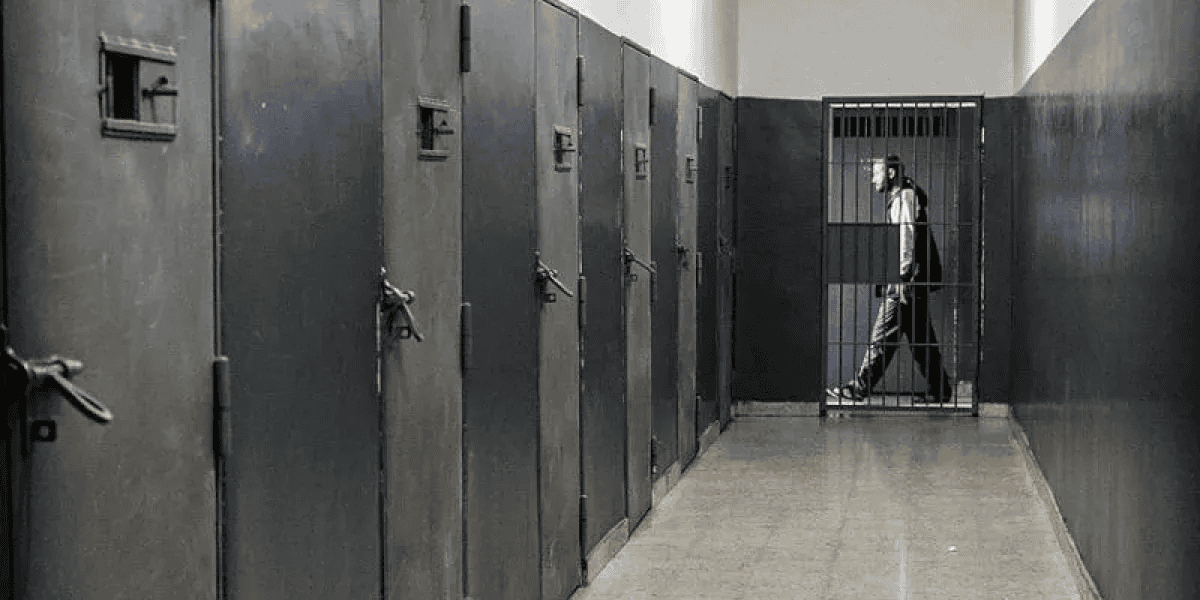
In Libya, political divisions, the multiplicity of armed groups and security authorities have created a highly dangerous environment for secret detention and disappearance.
In February 2026, Amnesty International said that systematic impunity continues to fuel killings, torture and enforced disappearances committed by militias and armed groups, while justice and reparations remain out of reach for victims and their families.
Amnesty International documented authorities in eastern Libya concealing the precise place of detention of eight activists who took part in a humanitarian convoy heading to Gaza, for several days in May, and considered this enforced disappearance for that period.
Sudan: war does not cancel a detainee's right to have their whereabouts known
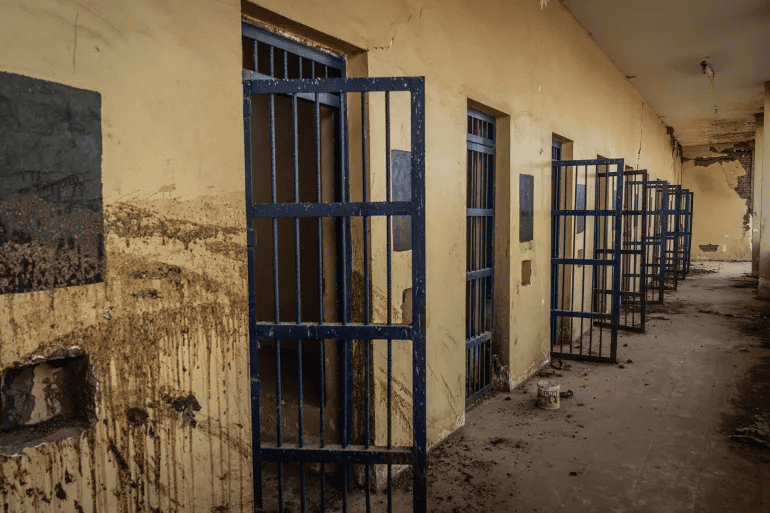
In Sudan, where the war has caused a vast breakdown of security and judicial institutions, Human Rights Watch documented in April 2026 the detention of people incommunicado by the Sudanese army and forces linked to it, and said that in some cases the authorities refused to acknowledge the detention or disclose the whereabouts of the individuals, which amounted to enforced disappearance.
The organisation's investigations covered areas controlled by the army or retaken from the Rapid Support Forces, including Khartoum, Al-Jazira, Gedaref, the Red Sea and Northern State. It documented the case of a 25-year-old man who was taken from his home by armed men in February 2026, and whose fate remained unknown until March despite his family's repeated attempts to learn his whereabouts.
In March of the same year, United Nations experts addressed Sudan regarding allegations of abduction, enforced disappearance and torture of the lawyer and human rights defender Izdihar Juma Saeed.
War may make the search for missing persons more complex, but it does not give any party the right to create a vacuum of justice that swallows the human being.
Pakistan: Balochistan and the cycle of "the disappeared"
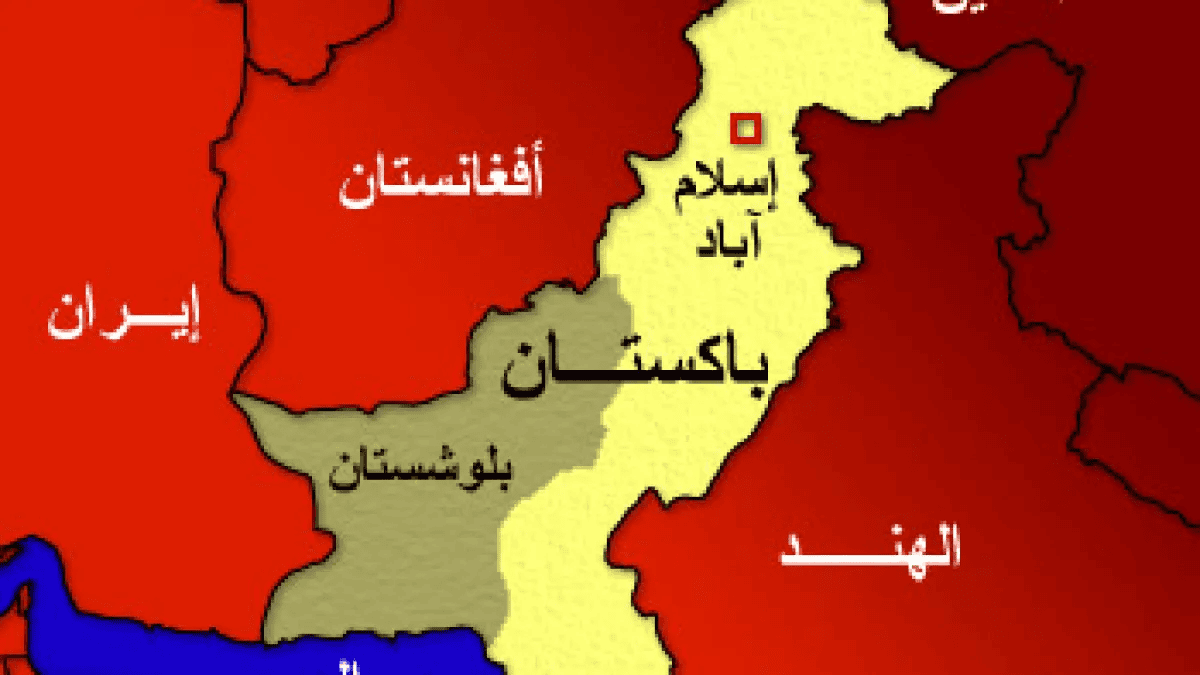
In Pakistan, particularly in the province of Balochistan, the file of the disappeared has become one of the most entrenched and sensitive human rights issues.
The government Commission of Inquiry on Enforced Disappearances recorded 125 new cases during the first half of 2025, according to Amnesty International, while civil society organisations say that other numbers never reach the commission at all, and Baloch organisations put estimates much higher. In February 2025, United Nations experts raised allegations of enforced disappearances, arbitrary arrests, extrajudicial killings and ill-treatment in the context of counter-terrorism operations in Balochistan.
New cases continued even in 2026. In July, Baloch student leader Jiyand Baloch was forcibly disappeared for 11 days before returning home on 3 August. Notably, according to Amnesty International, this was the third time he had been subjected to disappearance: he had previously disappeared for nine months in 2018, and for another month in 2024.
In May 2026, the organisation also documented the case of Dad Shah, brother of human rights defender Faozia Baloch, who she said was taken from his home in Karachi by officials believed to be from the Counter Terrorism Department, while members of his family were later harassed for demanding the disclosure of his fate.
Here appears a highly dangerous cycle: a person disappears, their family comes out to demand them, and then the family itself becomes a target of pressure, arrest and intimidation. This frequently happens under the cover of what is called "counter-terrorism."
Bangladesh: when the "secret rooms" were exposed
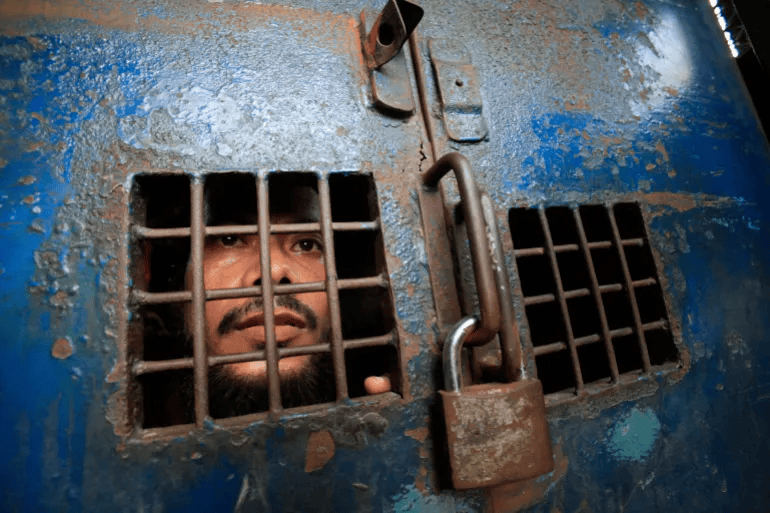
After the fall of Sheikh Hasina's government, Bangladesh provided an important example of what can happen when the wall of denial begins to crack.
The transitional authorities established a commission of inquiry into the enforced disappearances committed during the years of Awami League rule. By 2026, the commission had documented a systematic pattern of disappearance and torture within secret detention facilities, and had received 1,569 complaints, while the fate of 287 victims remained unknown according to human rights organisations.
The investigations showed that disappearance was not a series of isolated excesses, but was used as a tool to suppress opponents, activists and critics, with secret detention facilities operated by security agencies.
But the danger did not disappear with the change of government. In July 2026, Human Rights Watch reported on the first known case suspected to be an enforced disappearance since the 2024 uprising, concerning Mirage Sheikh, who was last seen in the custody of the Coast Guard. This is an important warning that dismantling the culture of disappearance requires institutional reform, not merely replacing one set of people with another.
East Turkestan: when absence becomes part of the system of repression
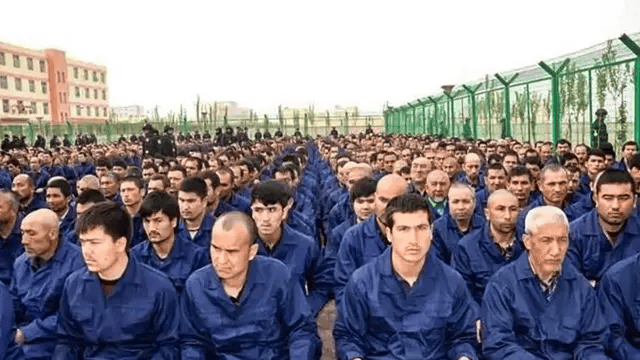
As for the Uyghurs and other Turkic Muslims in East Turkestan ("Xinjiang"), the issue of disappearance takes on another dimension because of the system of mass detention and the enormous restrictions on communication between detainees and their families.
In its most recent assessment on 27 August 2026, Human Rights Watch said that severe repression against Uyghurs and other Turkic Muslims continues a decade after its escalation, and that evidence still points to widespread arbitrary detention, unjust sentences, mass surveillance, religious and cultural restrictions, and the separation of families. The organisation said hundreds of thousands have suffered grave abuses, while a large number of Uyghurs abroad remain unable to communicate freely with their families inside the region.
In April 2026, a Uyghur researcher at Human Rights Watch wrote that his father has been missing for eight years without his family knowing his whereabouts, his health condition, or the charges that led to his imprisonment, and that dozens of his relatives have disappeared within the Chinese mass detention system.
The matter is not merely historical. In 2025, the UN Working Group on Enforced or Involuntary Disappearances issued an urgent appeal to China calling for the disclosure of the fate and whereabouts of 40 Uyghur men whom Thailand forcibly returned to China in February of that same year. UN experts also separately addressed the enforced disappearance of Uyghur academic Rahile Dawut.
In July 2026, Amnesty International launched an action regarding Kazakh writer Zhanges Rysqan from East Turkestan, who was arrested in March and whose family has not received official notification of his whereabouts or legal status, and has not been able to contact him.
Enforced disappearance in Kenya, under-spotlighted, targeting Muslims
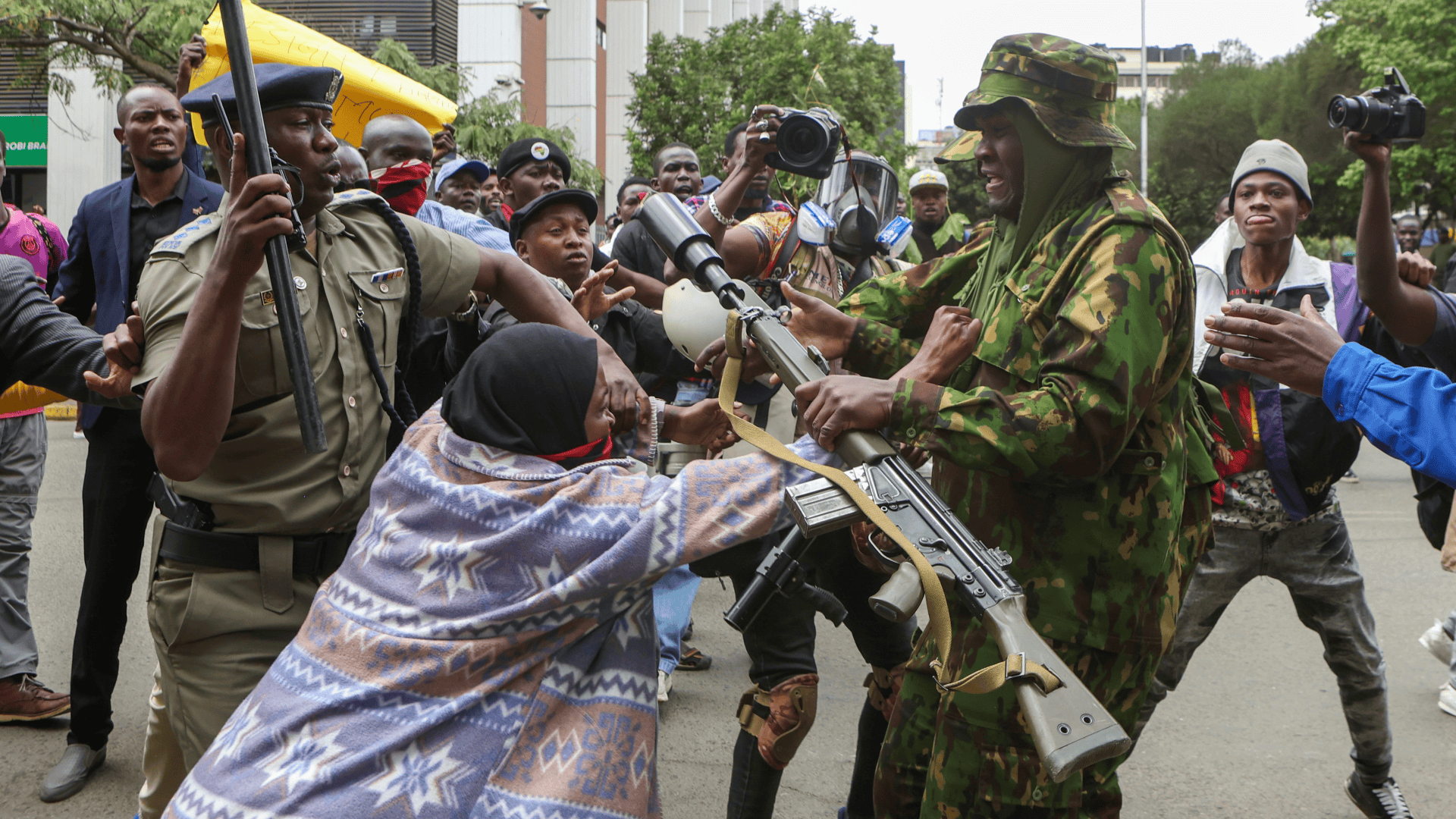
In Kenya, the issue of enforced disappearance has for years been linked to "counter-terrorism" operations that widely targeted Muslims and Kenyans of Somali origin, particularly in Mombasa and Nairobi and in the counties of Garissa, Wajir and Mandera in the northeast of the country. Human Rights Watch documented 34 cases of enforced disappearance in Nairobi and northeastern Kenya between 2013 and 2015, and said Kenyan security forces arrested individuals and then denied holding them or refused to disclose their fate. Among those targeted were imams and teachers in Islamic schools, and students and youths associated with mosques, after they were suspected of links to al-Shabaab.
The organisation had also earlier documented ten other cases of enforced disappearance attributed to the anti-terrorism police unit in the Majengo neighbourhood of Nairobi in 2014, and confirmed that security operations in that period targeted Muslim and Somali communities to a large degree. Human rights organisations continued to criticise the absence of investigation and accountability for these violations, which during those years linked "counter-terrorism" in Kenya, for sections of the Muslim community, with fear of secret detention and disappearance outside the framework of the judiciary.
When crime crosses borders
The danger grows when the operation does not take place within the borders of a single state, but several authorities cooperate to arrest a person and transfer them across borders.
Among the most prominent recent examples is the case of Egyptian-Turkish poet Abdulrahman Youssef al-Qaradawi, whom Lebanese authorities arrested in December 2024 and then handed over to the UAE in January 2025 despite human rights warnings. Amnesty International said that upon arrival in the UAE he was subjected to enforced disappearance and was denied contact with his family and lawyer, and that this situation was still ongoing as of the end of 2025.
Such cases reveal the gravity of what may be called "cross-border disappearance": a security request issued by one state, arrest carried out by a second state, and handover to a third state, after which the person disappears from the system of legal protection. Here, security cooperation and extradition agreements that lack judicial oversight and guarantees against return to danger can become a means of expanding the circle of violation rather than combating it.
The "counter-terrorism" pretext
The United States and the military alliances it leads were not immune to this pattern of violations. Since the launch of what was called the "war on terror" after the 11 September attacks, US policy has been linked to a network of secret detention, "extraordinary rendition" operations, and the transfer of suspects between different countries outside judicial safeguards. The UN Committee against Torture said these practices included torture, ill-treatment and enforced disappearance within the programme of the US Central Intelligence Agency.
The effects of this approach did not end with the closure of the CIA's secret prisons. In north-eastern Syria, Amnesty International documented the detention of tens of thousands of men, women and children on suspicion of links to the "Islamic State" group, inside prisons and camps run by local authorities and the Syrian Democratic Forces with support from the US government and other members of the international coalition. It said detainees were subjected to arbitrary and open-ended detention, enforced disappearance, and extremely poor detention conditions, without fair trials or effective judicial review in many cases.
In 2026, the US military transferred around 5,700 detainees from these prisons to Iraq, including people who for years had been held without charge or adequate judicial review, and Human Rights Watch warned of their exposure to the risk of enforced disappearance, torture and unfair trials.
Thus, the pretext of "counter-terrorism" has at more than one stage become an exceptional space in which safeguards are suspended, safeguards that should not lapse even for those accused of the gravest crimes; meanwhile local forces backed by Washington or allied states carry out part of the arrests, guarding and interrogation, allowing responsibility to be spread among multiple parties, while the detainee and their family remain the weakest party: without a fair trial, and sometimes without contact or confirmed information about their fate and whereabouts.
الولايات المتحدة: تمثال الحرية أو سجن غونتنامو والسجون السرية؟
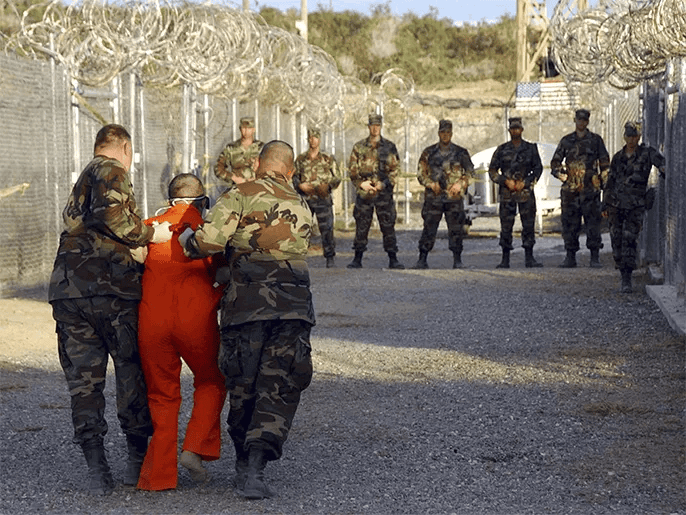
Among the most prominent symbols of this approach is the Guantanamo Bay prison, which the United States opened in 2002 and which still exists today, where for nearly a quarter of a century more than 700 Muslim men and boys were held, many of them without charge or fair trial, and several of them were subjected to torture and other forms of cruel treatment. Alongside it, the US Central Intelligence Agency ran a network of secret "black sites" outside US territory in cooperation with local agents and operatives from governments and security services, to which detainees were secretly transferred through what became known as "extraordinary rendition" operations; some were denied any contact with the outside world, and their places of detention were concealed from their families and lawyers, practices that human rights organisations regarded as a form of enforced disappearance. This system remained one of the bleakest chapters of the "war on terror", combining secret detention, torture, denial of trial and impunity.
Why does the crime continue despite all warnings?
The problem is not that the world does not know what is happening. The reports exist, the names are documented, UN communications are sent, and appeals are repeated every year. The fundamental problem is that the cost of enforced disappearance to the perpetrating party remains, in many cases, far lower than its security or political benefit as that party sees it.
Under the banner of "counter-terrorism" or "protecting national security", people are detained outside the usual safeguards. In wars, government agencies become intermingled with militias, auxiliary forces and external allies. In states with weak judiciaries, a judge may not even be able to reach the place of detention. In other cases, laws permit lengthy periods of detention, or enforced disappearance is not criminalised as an independent offence at all.
Then comes the most dangerous link: impunity.
If the officer who made a person disappear knows that the state will deny it, the prosecution will not investigate, the prison will not open its records, witnesses will fear to speak, and the family will be threatened if they raise their voice, then disappearance will not be an "excess" within the system; it may become one of its tools.
For this reason, international mechanisms, on the occasion of 30 August 2026, warned against shifting the burden of proof onto families; a family is not required to enter a secret prison to prove that their son is inside it. It is the state that must keep an accurate record of every person deprived of liberty, provide information, search immediately for the disappeared person, investigate independently, and prosecute those responsible.
A right that does not lapse with the news cycle
The greatest injustice that may befall the disappeared person is that they become old news.
A year passes, and a new war covers his. Five years pass, and his image disappears from the media. Rulers, ministers, alliances and military frontlines change, but his mother is still waiting for the same answer.
For this reason, the cause of the disappeared in Syria does not end with a change of political regime; the cause of the disappeared in Iraq does not end with the conclusion of the battle against the "Islamic State" group; the rights of the disappeared in Yemen do not lapse through a political agreement between the parties; the disappeared in Gaza do not become unknown numbers merely because the war continues; and the disappeared in Balochistan and East Turkestan do not lose their right to the truth because the world has grown used to hearing about them. The same holds for every case of enforced disappearance anywhere in the world.
Behind every number, a waiting home
The problem with the language of statistics is that it can hide the human being it should reveal.
We say "thousands of the disappeared", and forget that the number means thousands of families whose lives stopped at the moment of a knock on the door, or a car without number plates, or a security checkpoint, or a last phone call.
There is a mother who kept her son's room as he left it. A wife who could not become a widow, nor remain a wife in the ordinary sense. A child who memorised his father's photograph more than his face. A brother who knocked on prison doors one after another and each time heard the same answer: "We don't have him."
This is the essence of enforced disappearance: the authorities do not stop at depriving a person of their liberty; they deprive their relatives even of knowing the truth.
"Victims first" must not remain a slogan
On the International Day of the Victims of Enforced Disappearances, statements of solidarity, photographs of the missing and republished statistics are not enough.
What families need is a full disclosure of detention records in official and unofficial prisons, independent access to all places of detention, protection of mass graves and forensic evidence, DNA testing, independent investigations into every case, protection for witnesses, lawyers and families, criminalisation of enforced disappearance as an independent offence, prosecution of those responsible whatever their positions or the bodies to which they belong, return of the remains of the dead to their families, and reparations for victims and guarantees that the crime will not be repeated.
As for telling families year after year that "the investigation is ongoing", while the prison remains closed, the records remain secret and the perpetrator remains in office, that is not merely delayed justice; it is the continuation of the violation in another form.
From Gaza to Damascus, from Cairo to Baghdad, Sanaa, Tripoli and Khartoum, and from Balochistan to Dhaka and East Turkestan, the names, flags and agencies differ, but the scene repeats: a person taken by a force greater than himself, and then his family is asked to live with his absence.
Twenty years after the adoption of the international convention, the world still possesses more data and charters than many victims possess answers.
On the day of the forcibly disappeared, the demand should be simpler and clearer than any speech:
Tell the families where their children are.
Return the living.
Disclose the fate of the dead.
And hold accountable those who believed they could erase a human being from existence without reckoning.
#اليوم_العالمي_للاختفاء_القسري


