


On this day, 21 August 2013, the Ghouta region of the Damascus countryside awoke to one of the most horrific massacres of the Syrian revolution, when populated areas were attacked with chemical weapons while most residents were asleep in their homes.
It was not the sound of explosions alone that announced the catastrophe; this time, death was silent. Children, women and men suffocated without visible wounds, and entire families collapsed under the effect of toxic gases, while hospitals and medical points filled with hundreds of casualties suffering from suffocation, convulsions and loss of consciousness.
The massacre came at a time when Syrians had spent more than two years in their revolution demanding freedom and dignity, and on that night Ghouta became a witness to an unprecedented level of violence against civilians.
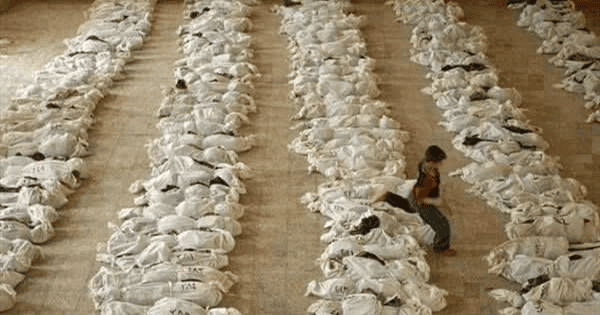
The images of the children laid side by side, without blood on their bodies, remain among the most enduring scenes in Syrian memory: children whose bodies appeared to be sleeping, but the gas had stopped their breath before they could even understand what was happening around them.
The Ghouta massacre was not merely another stop in the record of the Syrian war; it became a symbol of the victims of chemical weapons, and of the international community's failure to prevent the repeated use of these weapons or to achieve the justice that victims' families have long awaited.
Thirteen years later, the names and images of the victims are still present, and the demand for accountability remains. Years may pass, but memory of massacres does not lapse with time, and time cannot erase the scene of the children who were killed without blood and without noise.
May God have mercy on the victims of the Ghouta massacre, and may He heal the hearts of believers in retribution against those who committed it, those who assisted it, and those who approved of it.


