


Northern Lebanon, particularly the city of Tripoli and its surroundings, is attracting growing attention in political and economic circles as talk resumes about reactivating Rene Mouawad Airport in Qlayaat and developing the Port of Tripoli, amid the economic crises shaking the country and the rapid changes the region is witnessing.
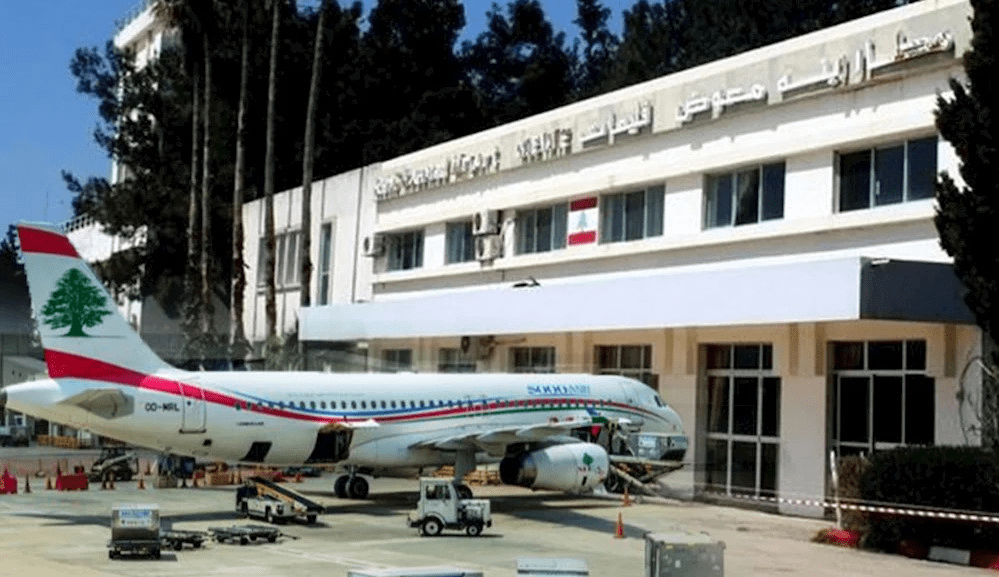
Qlayaat Airport, located in the Akkar Governorate in northern Lebanon, is one of the most prominent projects that have been proposed for years with the aim of strengthening air transport infrastructure and easing pressure on Rafic Hariri International Airport in Beirut. Supporters of the project believe that operating the airport would stimulate economic development in the north and create new job opportunities, in addition to enhancing transport, trade and tourism.
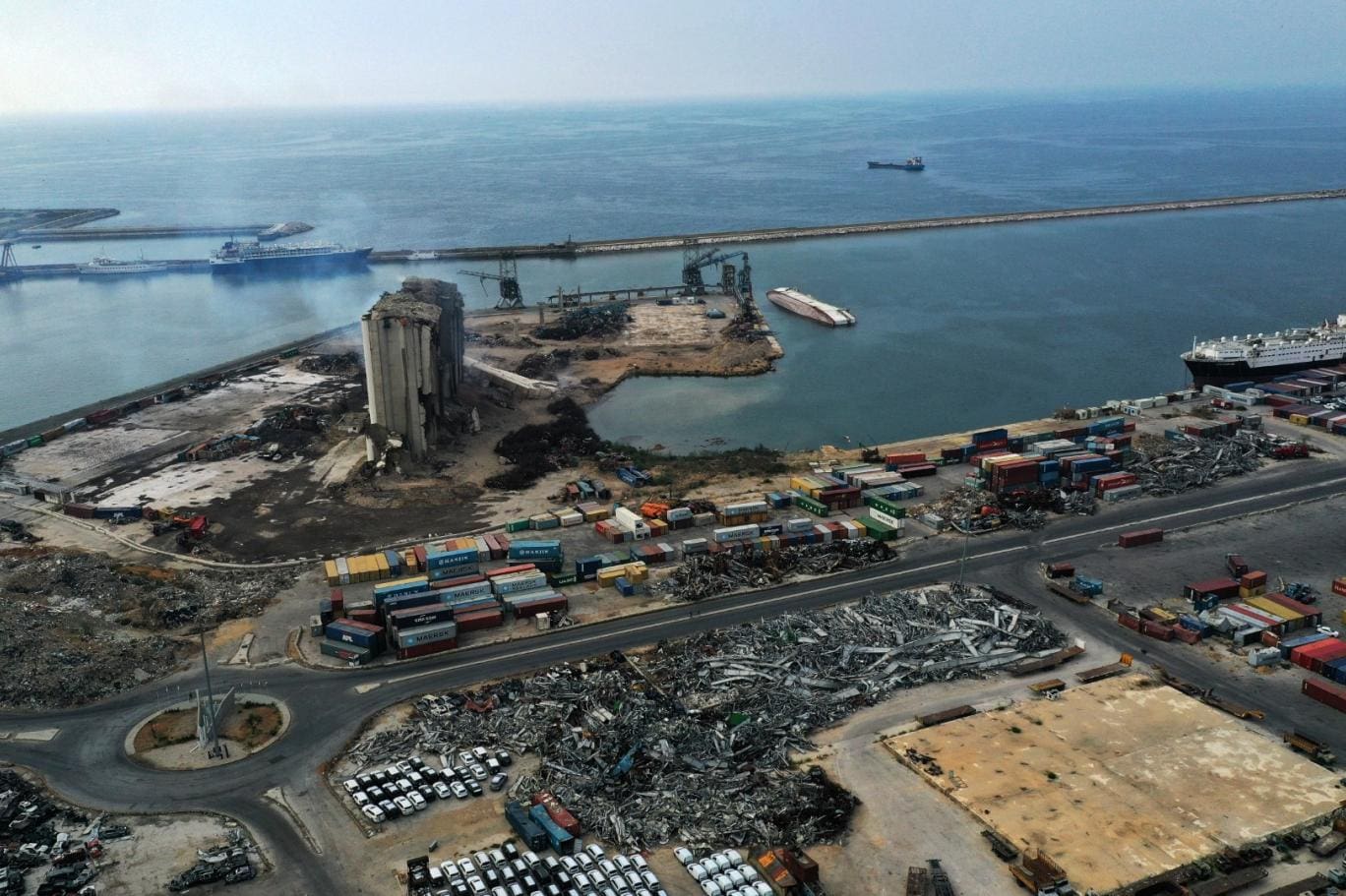
As for the Port of Tripoli, Lebanon's second-largest port, it is receiving increasing attention given its strategic location on the Mediterranean coast and its proximity to the Syrian border. Economic bodies regard it as a potential gateway for contributing to future reconstruction efforts and regional trade, particularly should political and security conditions in Syria improve.
On the other hand, these projects are generating wide debate within Lebanese political circles. While some view them as essential development projects to revive the Lebanese economy, others argue that they are linked to broader geopolitical calculations amid intensifying international competition for influence in the Eastern Mediterranean and over trade and energy corridors.
This debate comes at a time when Lebanon faces unprecedented political and economic challenges, including an ongoing financial crisis and a decline in public services and infrastructure, which makes any strategic project in the country a matter of interest both domestically and abroad.
Political analyst and researcher Ahmad al-Qassas believes that the projects proposed in northern Lebanon, foremost among them the reactivation of Qlayaat Airport and the development of the Port of Tripoli, cannot be read from a purely economic perspective, but rather fall within wider regional and international arrangements seeking to reshape the balance of influence in the region. He considers that the strategic location of Tripoli and northern Lebanon makes them part of a geopolitical struggle that extends beyond Lebanon's borders, warning that some development projects could be exploited to serve external political and security agendas under the banners of investment and development.
Observers note that the future of these projects will depend largely on the Lebanese state's ability to secure the necessary financing and achieve domestic political consensus, as well as on regional developments that directly affect Lebanon's position and role within the economic and security equations of the region.
As discussions about the future of northern Lebanon continue, Tripoli and Akkar remain at the heart of both challenges and opportunities, between the urgent need for economic development on the one hand and the political and regional tensions surrounding major projects on the other.


