


The military escalation between the United States and Iran has entered a more dangerous phase, after US Central Command (CENTCOM) announced a new wave of air strikes on targets inside Iran for the second consecutive night, while US President Donald Trump declared the memorandum of understanding between the two countries over and threatened further attacks if Tehran continues to target shipping in the Strait of Hormuz.
CENTCOM said the new operations aim to "degrade Iran's ability to threaten freedom of navigation in the Strait of Hormuz," while Reuters quoted a US official as saying that the current strikes will be more intense than those carried out the previous night.
Explosions in coastal cities
Iranian media reported explosions in a number of coastal cities, including Bandar Abbas, Sirik, Kangan and Chabahar, and confirmed that Iranian air defences engaged what it described as "hostile targets."
The official Islamic Republic News Agency (IRNA) also reported that a US strike targeted facilities at Iranshahr Airport in southeastern Iran, killing a member of a firefighting crew.
Trump: the agreement is over
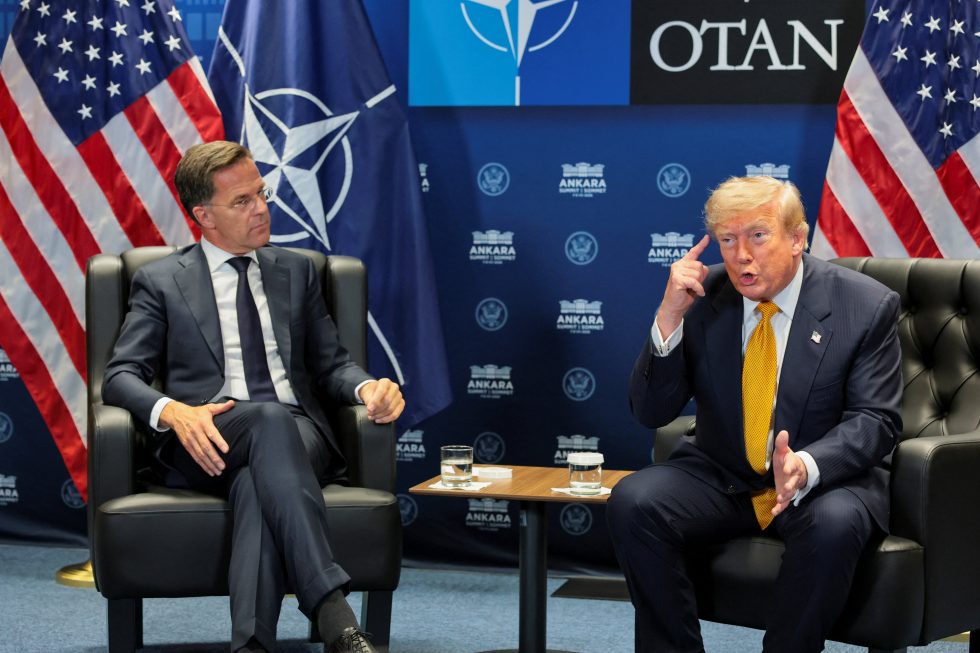
In remarks made on the sidelines of the NATO summit in Ankara, US President Donald Trump announced that the memorandum of understanding between Washington and Tehran had "ended," attacked the Iranian leadership in sharp terms, and described continuing negotiations with it as "a waste of time."
Trump also announced that the United States would carry out new strikes against Iran, stating that his country would "hit hard" if Iranian attacks on ships in the Strait of Hormuz continue.
In later remarks, Trump escalated his rhetoric, raising the possibility of targeting Iranian civilian infrastructure, including bridges and desalination plants, if necessary. The remarks drew legal criticism, as targeting civilian facilities is prohibited under international humanitarian law.
Iran announces deaths and retaliates by striking US bases
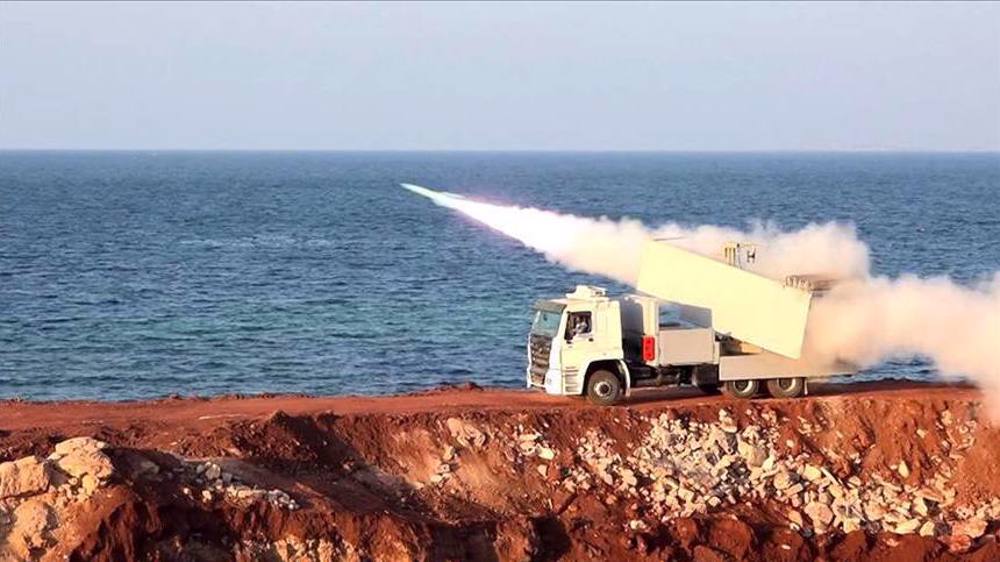
For its part, Iran's armed forces announced that eight soldiers were killed in the US strikes carried out during the first night, confirming that the raids targeted coastal bases and facilities in the areas of Qeshm, Bandar Abbas, Sirik and Mahshahr.
The Islamic Revolutionary Guard Corps (IRGC) accused the United States of violating the ceasefire and the memorandum of understanding signed between the two sides, and announced a counterattack targeting 85 US military targets in Bahrain and Kuwait, including sites in the area of the US Fifth Fleet at Salman Port in Bahrain and Ali Al Salem Air Base in Kuwait.
The IRGC added that it shot down a US MQ-9 Reaper drone over Bushehr Province, with no official US comment confirming or denying this account.
Background to the escalation
The United States began its military operations against Iran after three commercial tankers were attacked by drones while transiting the Strait of Hormuz, which Washington considered a direct threat to the security of international navigation.
Tehran, in turn, maintains that the memorandum of understanding signed with the United States stipulates that Iran is the sole party authorised to regulate navigation in the strait, and that any alternative arrangements constitute a violation of the agreement.
Iranian media also quoted informed sources as saying that Tehran warned it would close the Strait of Hormuz completely if US strikes continue, and affirmed that its next response would be "twice as strong" should the attacks be repeated.
Fears of a wider confrontation
The continuation of US strikes and the reciprocal Iranian responses reflect an unprecedented rise in tensions between the two countries, amid fears that the confrontation could develop into a broad regional conflict that could threaten maritime security and global energy supplies, particularly in the Arabian Gulf and the Strait of Hormuz, through which roughly one-fifth of seaborne oil trade passes.
The contours of diplomatic efforts to contain the crisis are not yet clear, while statements from both sides indicate that military escalation will continue in the near term, with exchanged threats and preparations for new rounds of confrontation.


