

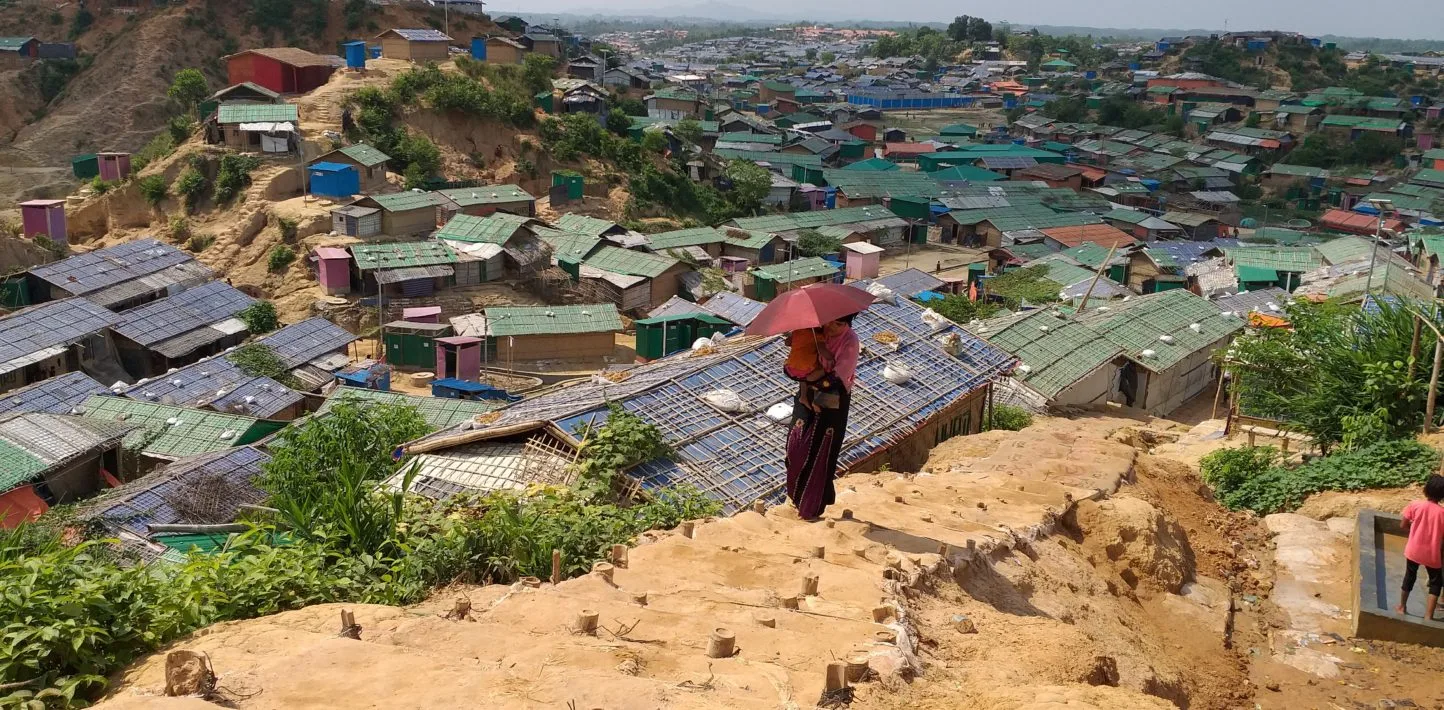
A recent research report has warned of a worsening humanitarian crisis in Rakhine State in western Myanmar, where between 500,000 and 600,000 internally displaced people live in areas under the control of the administration linked to the Arakan Army, amid ongoing conflict, reduced aid and shortages of food and essential services.
Development Media Group reported on 10 November 2026 the findings of a study issued by the Arakan Studies Centre on 6 November, which examined the conditions of displaced residents between January and October of this year.
The study covered civilian protection, shelter, food, education, healthcare and livelihoods.
Hundreds of thousands in unstable conditions
The Arakan Studies Centre estimated that between half a million and 600,000 internally displaced people are present in areas under the control of the "United League of Arakan", the political wing of the Arakan Army.
The report described displaced people living in temporary camps, schools, monasteries and areas lacking basic services, after they were forced to leave their homes due to military operations.
This estimate includes displaced people from various communities in Rakhine, not the Rohingya alone, and the figure has not been independently verified.
Airstrikes and landmines hinder return
The report identified airstrikes, artillery shelling and landmines as among the most serious dangers facing civilians, preventing many families from returning to their areas.
It noted that the number of displaced people in the Kyaukphyu area reached about 50,000 in May, amid shortages of drinking water, food, medicine and suitable shelter.
In Buthidaung, about 2,000 displaced people in the Kyeintali camp faced difficulties accessing water and job opportunities.
The study also documented the deterioration of sanitation facilities in a camp in the Maungdaw area, where flooding put ten of 14 toilets out of service, raising health concerns.
Education and healthcare at the heart of the crisis
The consequences of displacement extended to education: children have dropped out of school, while other families face rising education costs and security concerns around civilian areas.
Children and the elderly also face growing difficulties in accessing healthcare and essential services, while the loss of farmland and sources of income, along with rising prices, has deepened dependence on aid.
Declining aid and restrictions on access
The report accused the military authorities in Myanmar of imposing restrictions that obstruct the delivery of humanitarian aid to areas controlled by the Arakan Army.
The Centre called on the United Nations, humanitarian organisations, neighbouring governments and parties controlling the ground to facilitate aid access and protect civilians.
The study's findings highlight the humanitarian challenges facing the people of Rakhine as military and political developments continue, and the need to provide food, water, healthcare and education without discrimination between population groups, including the Rohingya.


