


Heavy monsoon rains that fell on southeast Bangladesh in recent days have caused widespread flooding and landslides, killing dozens of people and causing extensive damage to residential areas, at a time when hundreds of thousands of residents, including thousands of Rohingya refugees, are facing deteriorating humanitarian conditions.
According to Caritas Bangladesh, continuous rainfall between 5 and 9 July killed 34 people, including 20 Rohingya refugees, while more than 241,000 people were affected in the Chittagong division, which includes the districts of Bandarban, Khagrachhari, Rangamati, Cox's Bazar and Chattogram.
The damage included more than 7,400 Rohingya refugees living in 25 camps that were hit by floods and landslides. The torrents flooded temporary shelters and damaged roads and pathways, making it harder to reach clean water, health services and relief supplies.
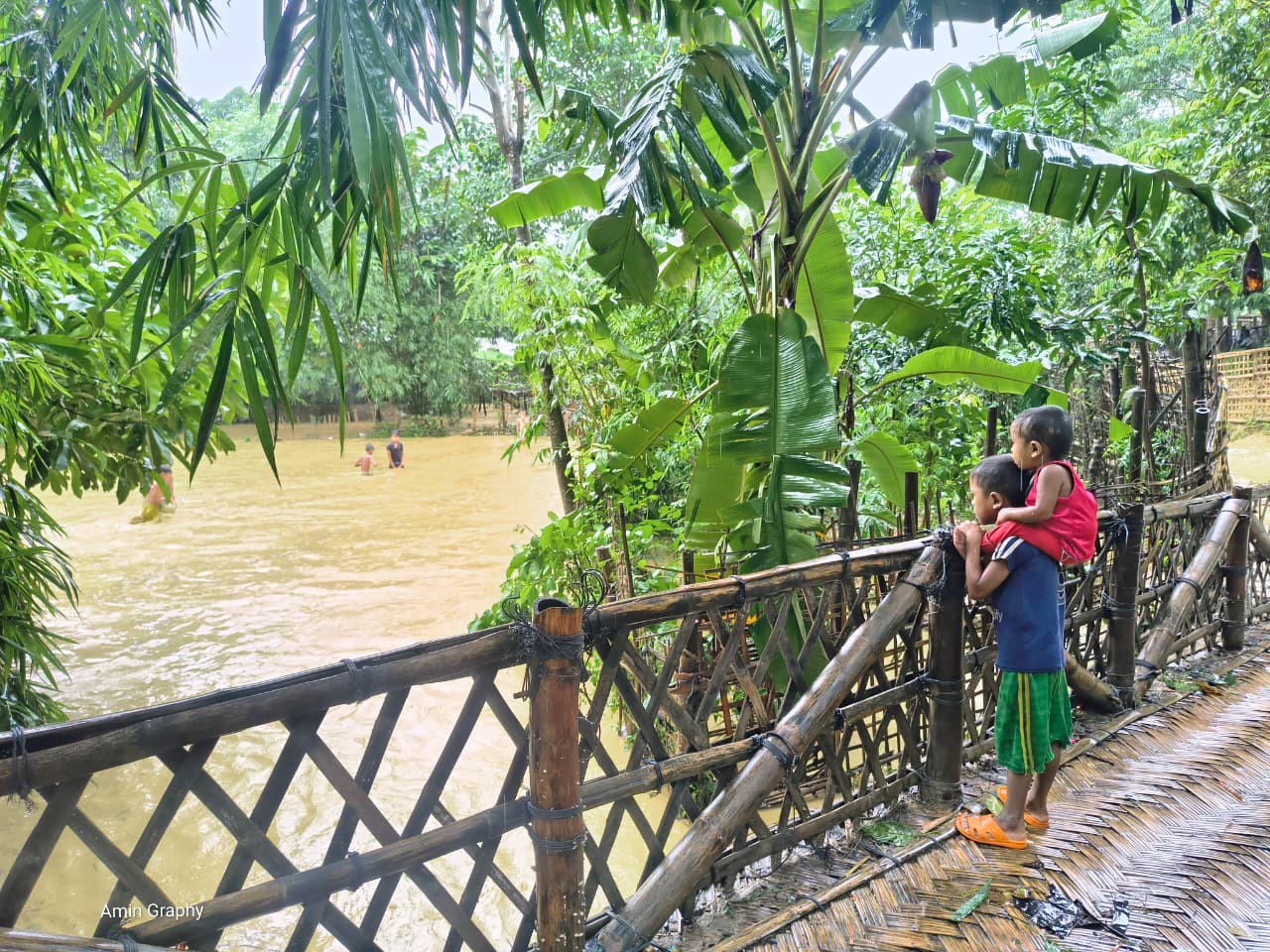
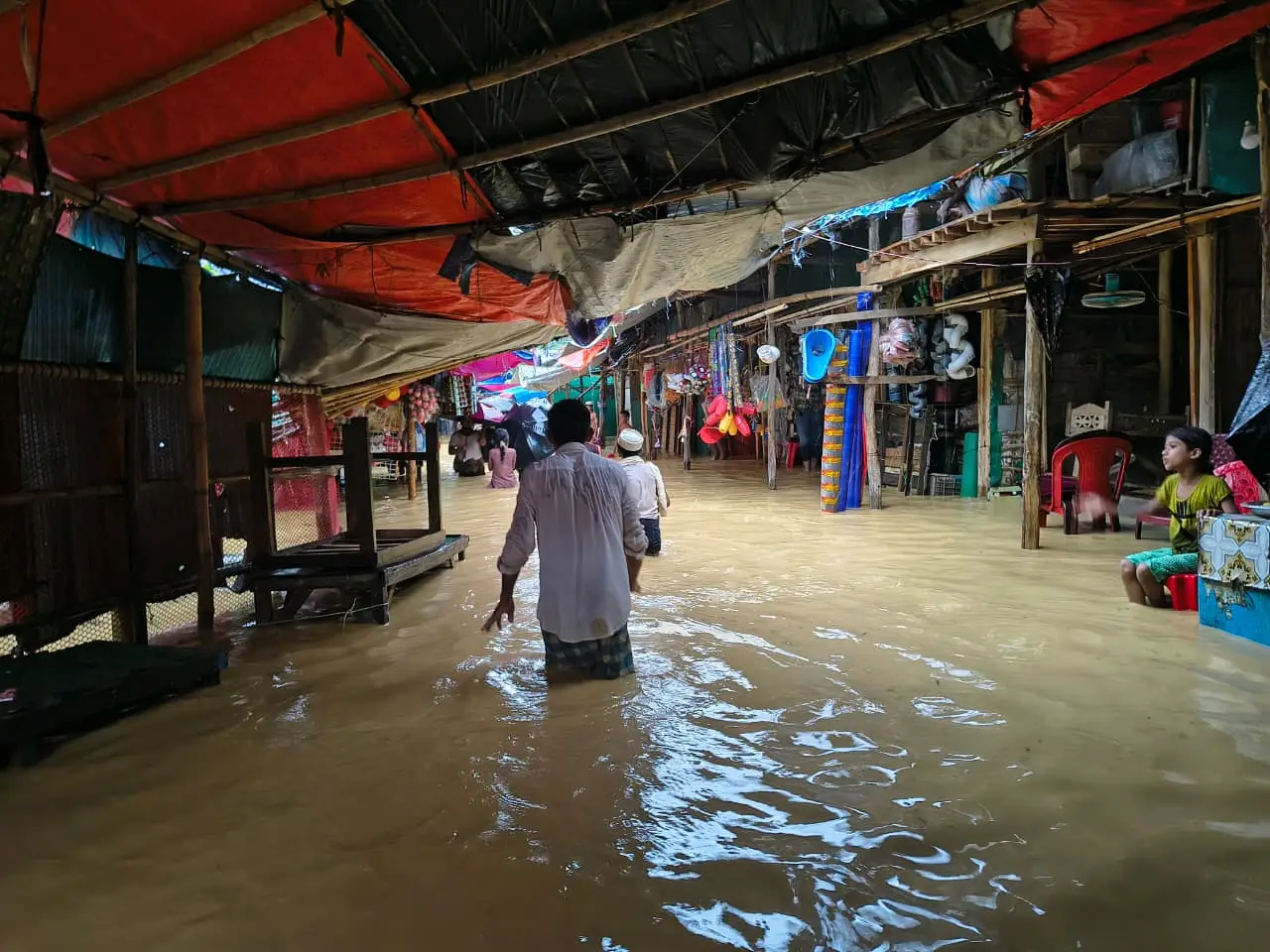
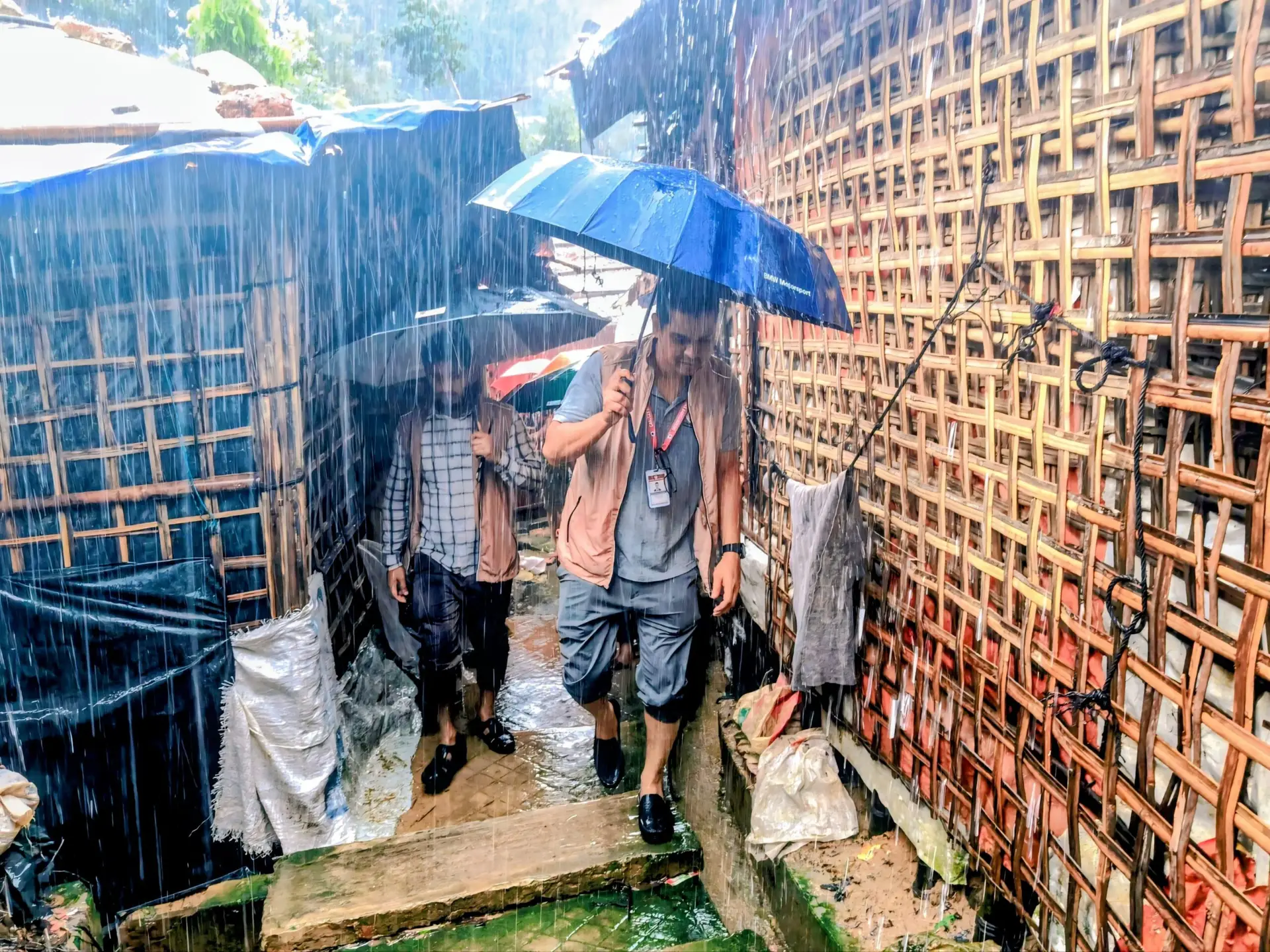
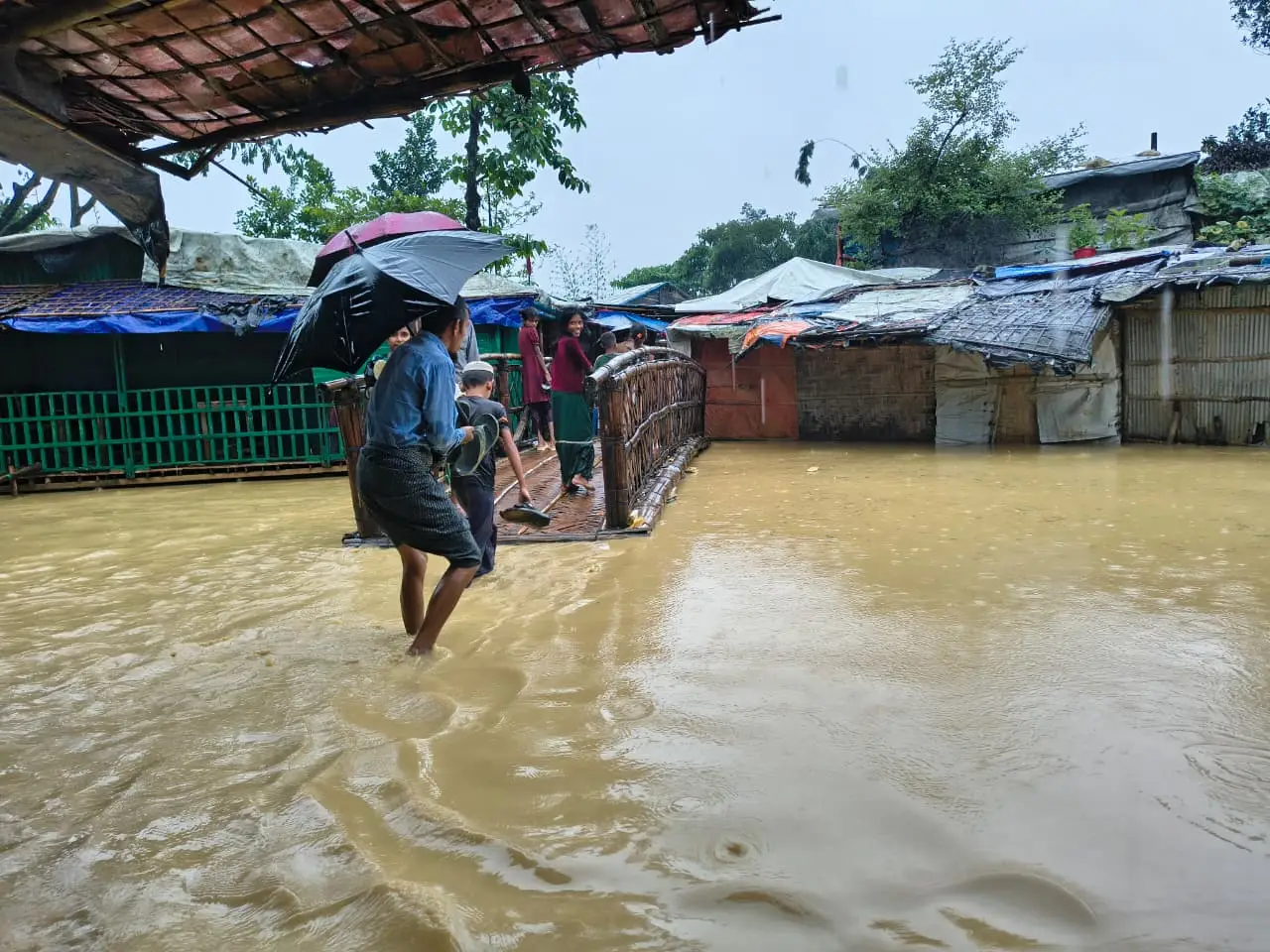
The Rohingya camps, which are built on the slopes of steep hills, are among the areas most vulnerable to landslides during the monsoon season, leaving thousands of families in a state of repeated anxiety with each wave of seasonal rain. The organisation noted that among the victims were a number of children, a scene that reflects the scale of the risks faced by families inside the camps.
The effects of the floods were not limited to the refugee camps. Thousands of families in the surrounding areas were affected after water swept through homes and farmland and cut off roads due to the floods and landslides, isolating many villages and hindering the delivery of humanitarian aid.
Many residents also lost their sources of income, particularly those working in agriculture, fishing and daily labour, and a large number were forced to seek temporary shelter in uncertain conditions regarding when they could return to their homes.
This disaster comes at a time when funding for the humanitarian response to the Rohingya crisis is declining, which increases the risk of food insecurity and limits the ability of humanitarian organisations to provide essential services and support those affected.
With forecasts of further rainfall in the coming days, humanitarian organisations have warned of a growing scope of humanitarian needs, stressing that thousands of families in the affected areas need urgent support for food, safe drinking water, healthcare and shelter, and assistance to recover from the effects of the disaster.
In this context, an urgent appeal is made to all donors to help the Rohingya affected by the disaster amid the dilapidated shelters.


