


The Palestinian-Israeli conflict is one of the longest armed conflicts in contemporary history, and missiles have emerged within it as a decisive strategic tool that has shifted the balance of power between two sides unequal in resources and technology. On one side, the Palestinian resistance in the Gaza Strip has evolved from locally made, rudimentary rockets into a missile arsenal covering the entire occupied territory. On the other, "Israel" has built a multi-layered missile defence system considered the most advanced in the world, alongside a nuclear offensive missile arsenal that places it among the global military elite. In this report we will review the experience of each side in developing missiles, the strategic role they play in the equation of the conflict, the current types and their capabilities, their field uses, the models under development, and the countries to which they are exported.
The Strategic Role of Missiles in the Palestinian-Israeli Equation: Between Limited Deterrence and Technological Superiority
The heart of the Islamic world, "al-Sham", today stands at a critical strategic crossroads, where missiles have shifted from a conventional military tool into a fundamental pillar in the balance of power between two unequal sides. On one side, the Palestinian resistance in the Gaza Strip faces a tight siege imposed by the occupation by land, sea and air, with the assistance of the frontline states, and under a crushing Israeli military superiority in all conventional fields of combat. On the other side, "Israel" seeks to protect its strategic depth by building a multi-layered missile defence system considered the most advanced in the world, alongside a nuclear offensive missile arsenal that places it among the global military elite.
First: Palestinian Missiles as a Tool to Break the Military Equation
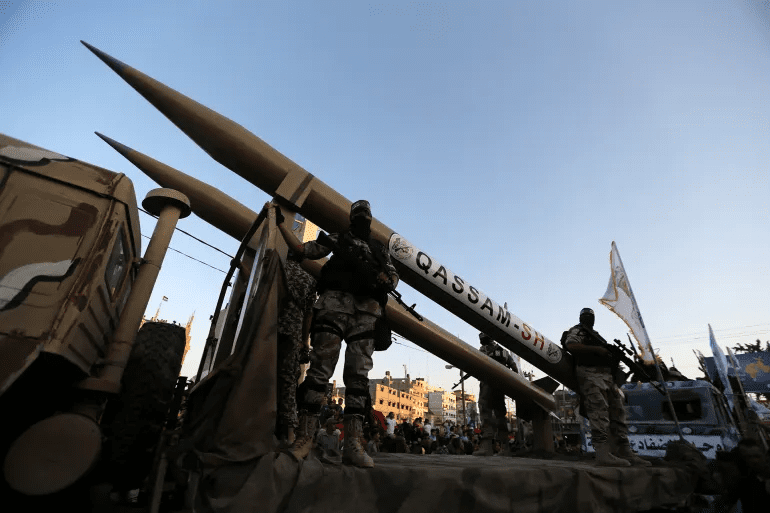
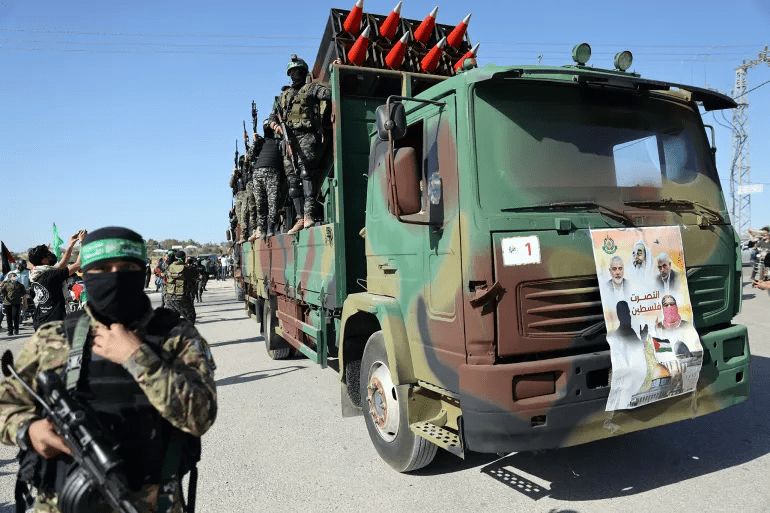
Under a tight siege imposed by the occupation on the Gaza Strip since 2007, the resistance found in missiles the only available means to break the tilted military equation. These missiles are not merely weapons; they are political and psychological messages sent by the resistance to the occupation, to Israeli society and to the world: that Gaza, despite the siege, is still able to respond, and that the Israeli depth is no longer safe. From the rudimentary Qassam 1 rocket of 2001, 70 centimetres long with a range of 3 kilometres, which was mocked by Abbas with his words "absurd, silly rockets",, to the Ayyash 250 rocket of 2021, which reaches a range of 250 kilometres and targets Ramon Airport in the far south of occupied Palestine, the Palestinian missile arsenal has undergone a qualitative leap that changed the rules of the game.
The resistance keeps secret what it produces and possesses of missiles in terms of number, type, range and explosive capacity, so that in every confrontation it has something to reveal and surprise the occupation with. These missiles, despite their simplicity compared with Israeli technology, achieved a central strategic objective: making the Israeli depth vulnerable to strikes, and creating a psychological and political deterrence that compels the occupation to submit and negotiate.
Second: The Israeli Defence System Between Success and Gaps
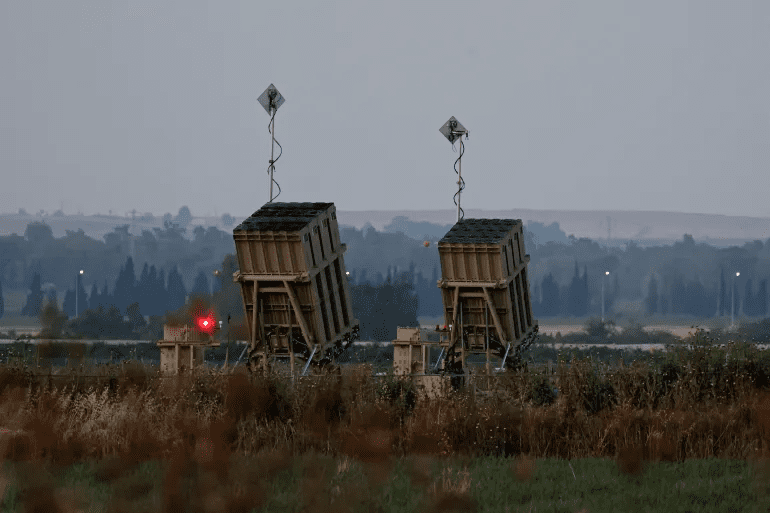
"Israel" has built a multi-layered missile defence system considered the most advanced in the world, consisting of the Iron Dome for intercepting short-range rockets, David's Sling for the middle layer, and Arrow 2 and Arrow 3 for long-range ballistic threats. However, this system, despite its success in limited engagements, faced critical gaps in confronting intensive attacks. During Operation Al-Aqsa Flood on 7 October 2023, the Al-Qassam Brigades launched more than 4,000 rockets in just 20 minutes, which is more than half of the total launched in the Sword of Jerusalem battle of 2021, which lasted 11 days. This enormous volume disrupted the defensive system and showed that the high cost of Israeli defence, compared with the low cost of Palestinian rockets, constitutes an economic and strategic dilemma.
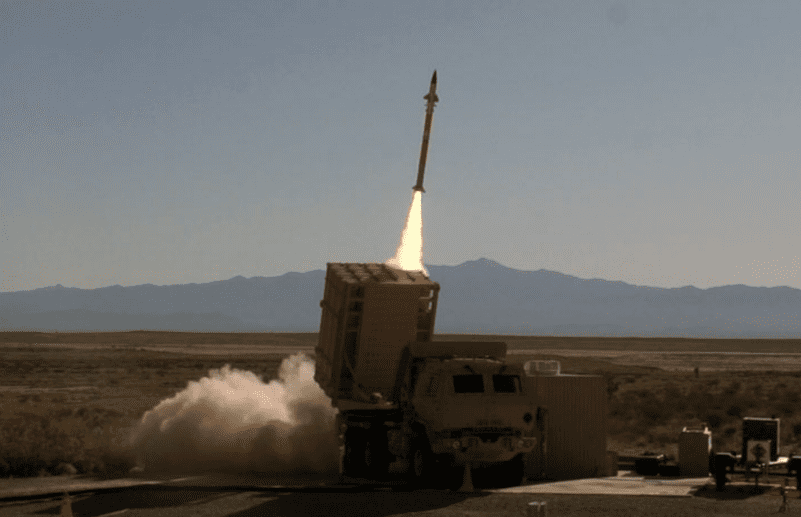
The Tamir interceptor missile of the Iron Dome costs between 40,000 and 50,000 dollars, while a Qassam rocket costs no more than a few hundred dollars. The Stunner interceptor missile of David's Sling costs one million dollars. This enormous cost gap makes interception economically unsustainable in cases of intensive attack. Moreover, the Israeli system, despite its development, has not been able to protect all areas at the same time, which created gaps that the resistance exploited.
The missile equation in the Palestinian-Israeli conflict reflects a profound contradiction: one side possesses technology, money and international support, while the other possesses will, steadfastness and the capacity for innovation under siege. The Palestinian resistance has transformed missiles from a rudimentary military instrument into a strategic tool that changes the equation of the conflict. Despite the crushing Israeli technological superiority, Palestinian missiles have demonstrated that the ability to inflict harm on the Israeli depth remains a deterrent.
التجربة الفلسطينية
تاريخ التطوير
The Qassam 1 rocket was the first born of the Palestinian missile arsenal. It was launched by the Izz al-Din al-Qassam Brigades, the military wing of Hamas, on 26 October 2001 towards the settlement of Sderot. The rocket was extremely rudimentary: 70 centimetres long and 8 centimetres in diameter, with a range not exceeding 3 kilometres, carrying an explosive warhead weighing one kilogram of TNT. Yet this rudimentary rocket was the beginning of a qualitative shift, as it proved that the resistance was able to manufacture weapons despite the siege.
In 2002 the Qassam was developed into the Qassam 2, 120 centimetres long, with a warhead of between 5 and 6 kilograms of TNT and a range reaching 12 kilometres. In 2005 the Qassam 3 appeared, with a range of between 15 and 17 kilometres, reaching for the first time the occupied city of Ashkelon. In the same year the Al-Quds Brigades, the armed wing of the Islamic Jihad Movement, entered the field of manufacturing with the Jenin rocket, whose range is between 9 and 12 kilometres.
In 2007 the Grad rocket appeared for the first time. It is between 180 and 240 centimetres long and weighs 77 kilograms, and consists of three parts: the head, the body and the base. The 2009 offensive marked a shift in the resistance's thinking, as work began on developing locally made rockets that were more accurate and capable of striking the cities of the centre.
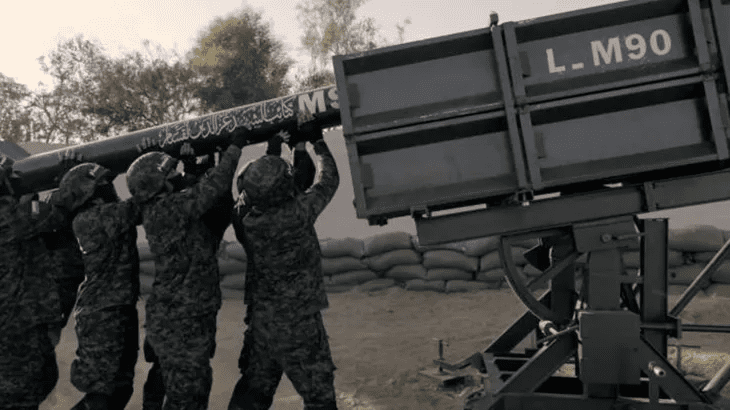
In the second war, in 2012, the Al-Qassam Brigades introduced the M-75 rocket, named after the martyred commander Ibrahim al-Maqadma, whom "Israel" assassinated in 2003. Its range reached 80 kilometres, and it targeted for the first time the cities of Jerusalem and Tel Aviv. It was followed by the Al-Quds Brigades with the Fajr 5 rocket, which is similar in capabilities.
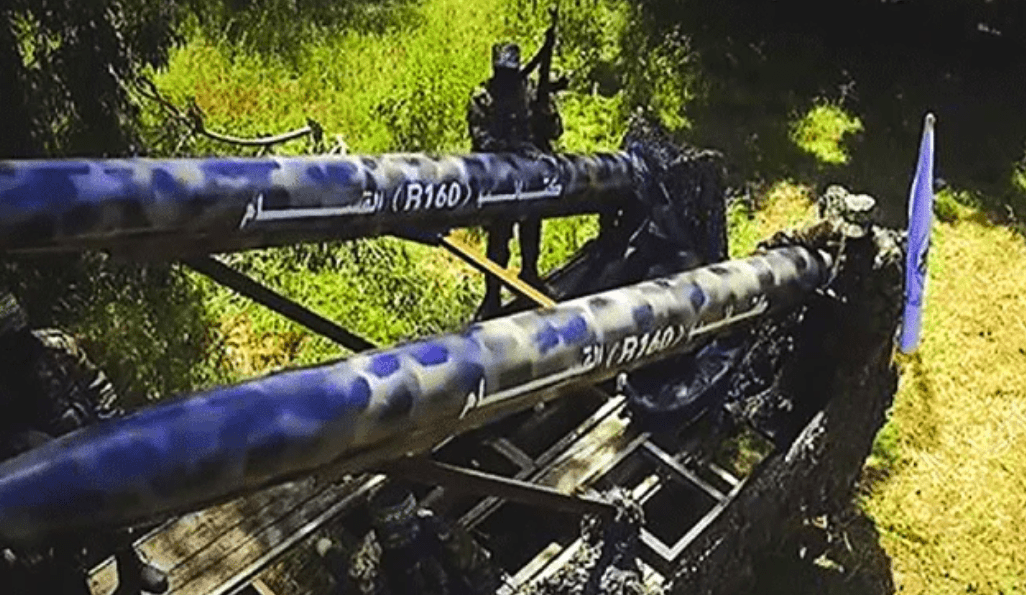
In the third war, in 2014, the Al-Qassam Brigades unveiled the R-160 rocket, the first letter of whose name refers to the martyred commander Abd al-Aziz al-Rantisi. It struck the Israeli depth for the first time in the cities of Haifa and Jerusalem, with a range exceeding 160 kilometres. In the same year the J-80 rocket appeared, named after the martyred Ahmed al-Jabari, and was distinguished by its ability to deceive the Iron Dome. The S-55 rocket also appeared, which struck the city of Lod and Ben Gurion Airport.
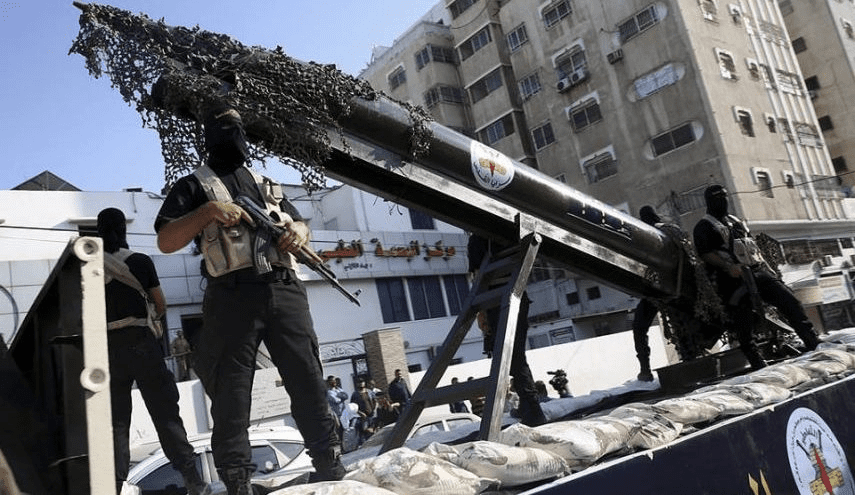
In 2019 the pace of missile armament escalated, as the payload of the Buraq 120 rocket was raised to 300 kilograms of explosive material. The Badr 3 rocket surpasses it with an explosive load reaching 350 kilograms, in addition to its ability to release 1,400 fragments. In 2021 the Al-Qassam Brigades unveiled the Q-20 high-explosive rocket, made from the remnants of British shells and American M-48 shells.
In the Sword of Jerusalem battle of 2021, the Al-Qassam Brigades placed all of historic Palestine under the range of its rockets by launching the Ayyash 250 rocket, named after the martyred engineer Yahya Ayyash. It targeted Ramon Airport, 220 kilometres away in the far south of occupied Palestine, with a range reaching 250 kilometres. This rocket was the occupation's greatest surprise, as it placed the entire occupied territory under the fire of the Palestinian resistance.
Current Types and Their Capabilities
The Qassam 1 is the first rudimentary rocket, 70 centimetres long, 8 centimetres in diameter, with a range of 3 kilometres and a payload of 1 kilogram of TNT. The Qassam 2 is 120 centimetres long, with a range of 12 kilometres and a payload of 6 kilograms of TNT. The Qassam 3 has a range of 17 kilometres and a payload of 10 kilograms, and reaches Ashkelon.
The M-75 has a range of 80 kilometres and targets Jerusalem and Tel Aviv. The R-160 has a range of more than 160 kilometres and targets Haifa and Jerusalem. The J-80 has a range of 80 kilometres and is distinguished by its ability to deceive the Iron Dome. The S-55 has a range of 55 kilometres and targets Lod and Ben Gurion Airport.
The Buraq 120 has a payload of 300 kilograms of explosives. The Badr 3 has a payload of 350 kilograms and releases 1,400 fragments. The Qassam rocket carries an explosive warhead weighing 400 kilograms of TNT. The Q-20 is two metres long and 155 millimetres in diameter, and was made from the remnants of occupation shells.
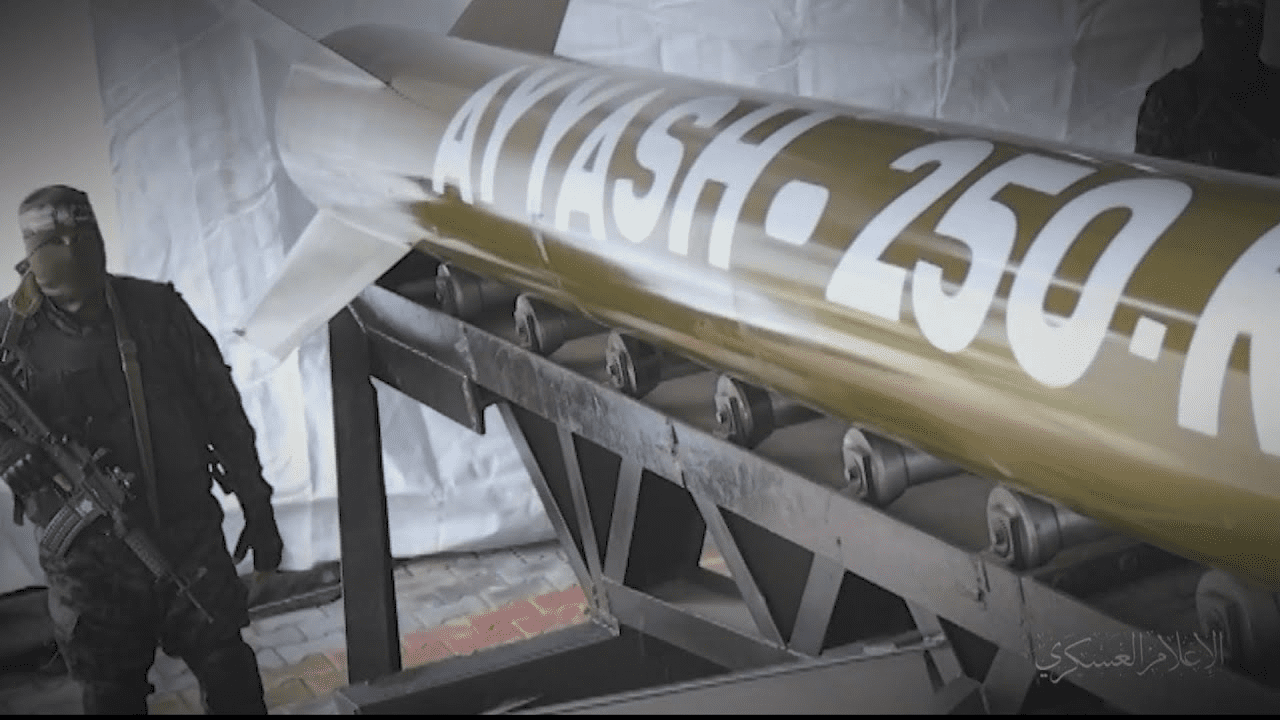
The Ayyash 250 is the newest and longest-range, reaching 250 kilometres and targeting Ramon Airport. The A-120 has a range of 120 kilometres and carries a warhead with high destructive capacity. The SH-85 has a range of 85 kilometres and targets Tel Aviv and Ben Gurion Airport.
The resistance keeps secret what it produces and possesses of missiles in terms of number, type, range and explosive capacity, so that in every confrontation it has something to reveal and surprise the occupation with.
Field Uses
In the first war at the end of 2008, the Al-Qassam Brigades used the Qassam 3 rockets for the first time, whose range covers the settlements of the Gaza envelope. In the second war in 2012, the Al-Qassam Brigades targeted the cities of Jerusalem and Tel Aviv with the M-75 rocket in response to the assassination of al-Jabari. In the third war in 2014, the Al-Qassam Brigades shelled the city of Haifa with the R-160 rocket.
In the Sword of Jerusalem battle of 2021, the Al-Qassam Brigades used the Ayyash 250, A-120 and SH-85 rockets for the first time. In Operation Al-Aqsa Flood in October 2023, the Al-Qassam Brigades launched more than 4,000 rockets in just 20 minutes, which is more than half of the total launched in the 2021 war, which lasted 11 days. The Ayyash 250 was also used to target the city of Safed in northern "Israel", where the military command centre of the northern front is located.
Models Under Development
The resistance keeps its development programmes secret, but leadership sources have confirmed that the enemy will discover in every confrontation that the resistance has something new that disrupts its calculations. Expected developments include increased range, accuracy and destructive capacity.
The Israeli Experience
"Israel" relies on its missile arsenal as a tool for three integrated strategic objectives. First, nuclear deterrence, which guarantees its survival as an occupying entity in a hostile region. Second, technological superiority, which maintains its qualitative military advantage over its neighbours. Third, building a multi-layered missile defence system that protects its territory from growing missile threats. Its missiles are not only for deterrence; they are also tools for pre-emptive and deep strikes in the region.
History of Development
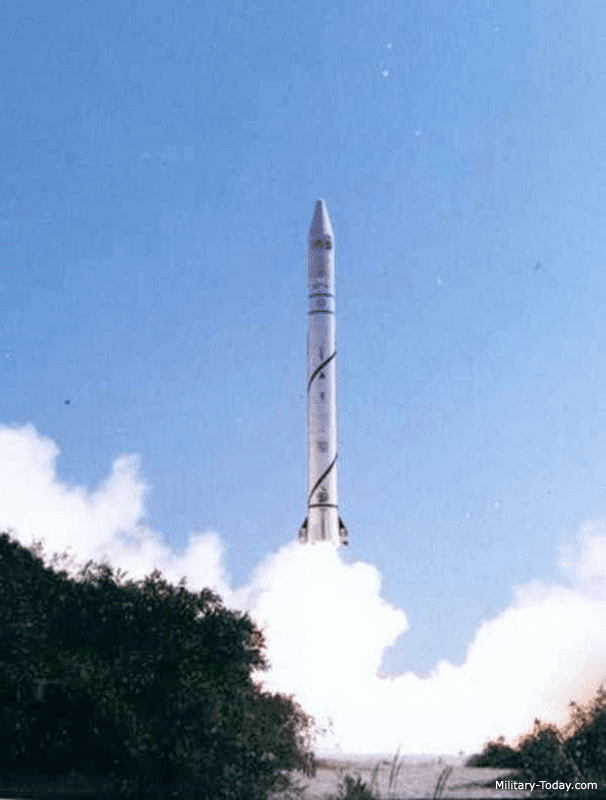
In the 1960s "Israel" began developing its ballistic missiles with French assistance. The Jericho 1 was the first Israeli nuclear missile and entered service in the 1970s, but was withdrawn in the 1990s. In the 1980s the Jericho 2 was developed with a range of up to 3,500 kilometres, and it is the basis of the Shavit space launcher. In 2008 "Israel" tested the Jericho 3, which is believed to have entered service in 2011.
In the 1990s development began on the Arrow anti-ballistic missile system in cooperation with the United States. After the First Gulf War of 1991, when Iraq fired 39 Scud missiles at "Israel", "Israel" concluded that the American Patriot system was ineffective. It therefore established the Israeli Missile Defense Organization as the body responsible for developing the national missile defence concept.
After the Second Lebanon War of 2006, when the Hezbollah militia fired more than 4,000 rockets at northern "Israel", development of the Iron Dome began. In 2007 the system's development programme began, and it entered service in April 2011. In 2017 the David's Sling was announced as entering service. In 2017 the Arrow 3 was also announced as entering service as the upper layer.
Current Types and Their Capabilities
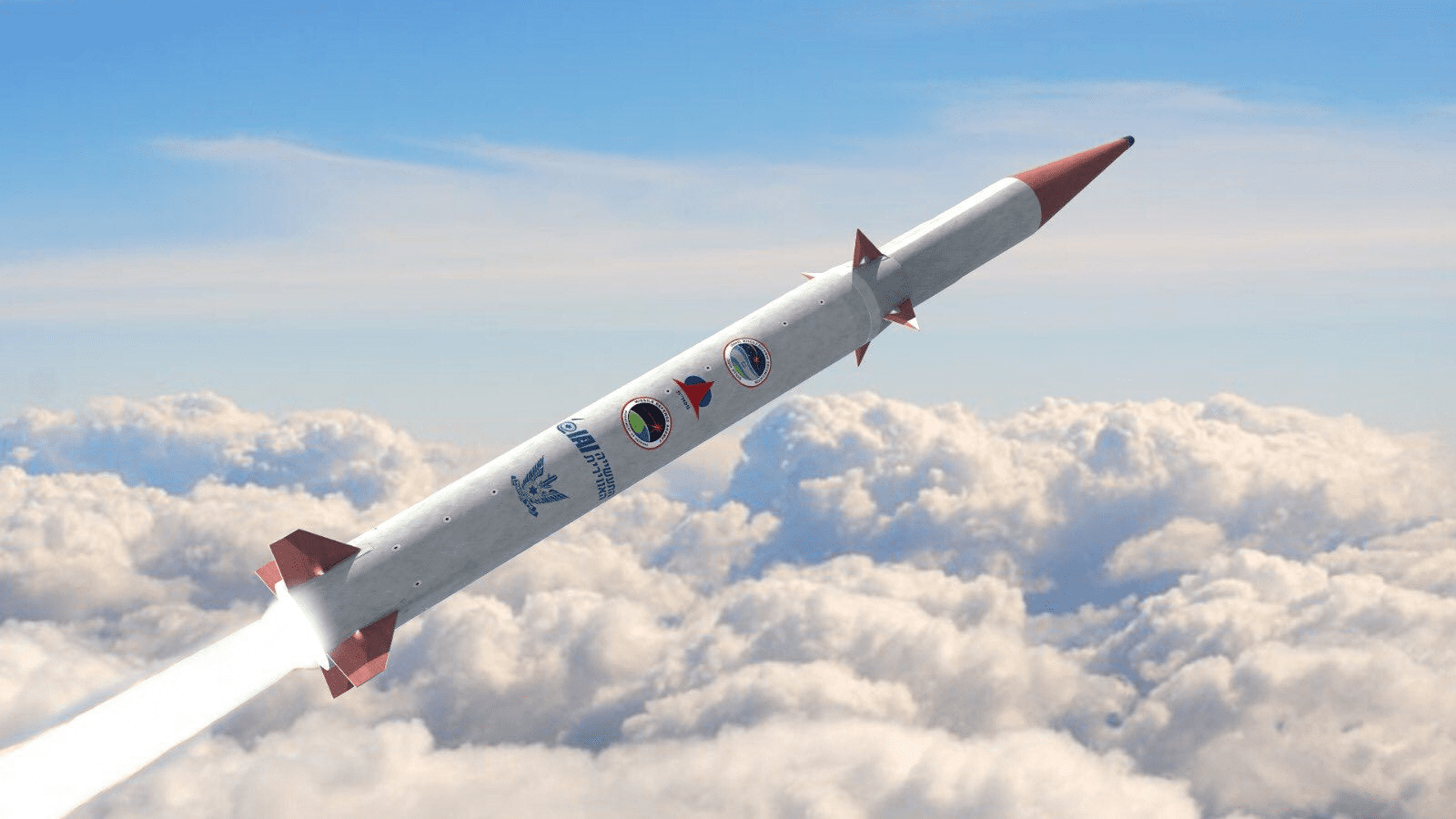
The Jericho 3 is a three-stage solid-fuel ballistic missile. It is 15.5 metres long, weighs 30,000 kilograms and has a diameter of 1.56 metres. It carries a payload of between 1,000 and 1,300 kilograms, which may be a single nuclear warhead weighing 750 kilograms with a yield of between 150 and 400 kilotons, or multiple low-yield warheads. Its range is between 4,800 and 6,500 kilometres, and may reach 11,500 kilometres depending on the payload. It is believed to give "Israel" the capacity for nuclear strikes in the Middle East, Africa, Europe, Asia and large parts of North America, South America and Oceania. The launch platforms are buried very deep to withstand a first nuclear strike.
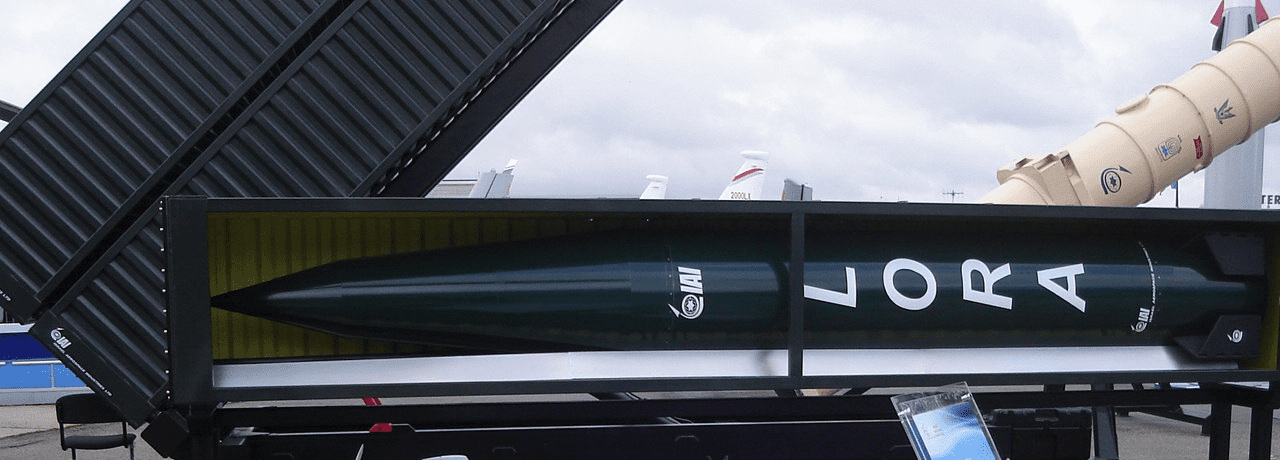
The Lora is a short-range solid-fuel ballistic missile. It is 5.2 metres long, with a range of 280 kilometres with a 400-kilogram payload, or 180 kilometres with a 600-kilogram payload. It uses a GPS guidance system and an inertial navigation system with an accuracy of up to 10 metres. It is launched from land or sea platforms concealed in shipping containers. Azerbaijan bought the system and used it in the Nagorno-Karabakh conflict.
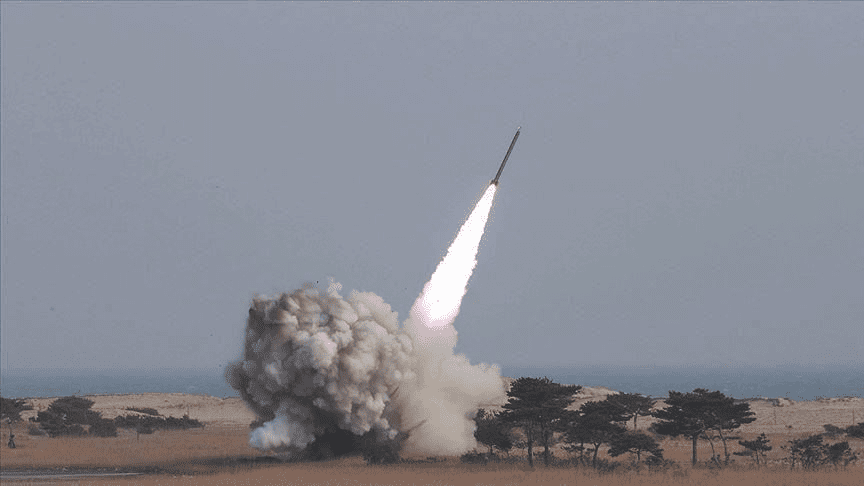
The Rocks is an air-launched ballistic missile developed by Rafael with a range of about 300 kilometres. The Golden Horizon is an air-launched ballistic missile with a range of up to 2,000 kilometres. The Blue Sparrow is an air-launched ballistic missile with a range of up to 2,000 kilometres.
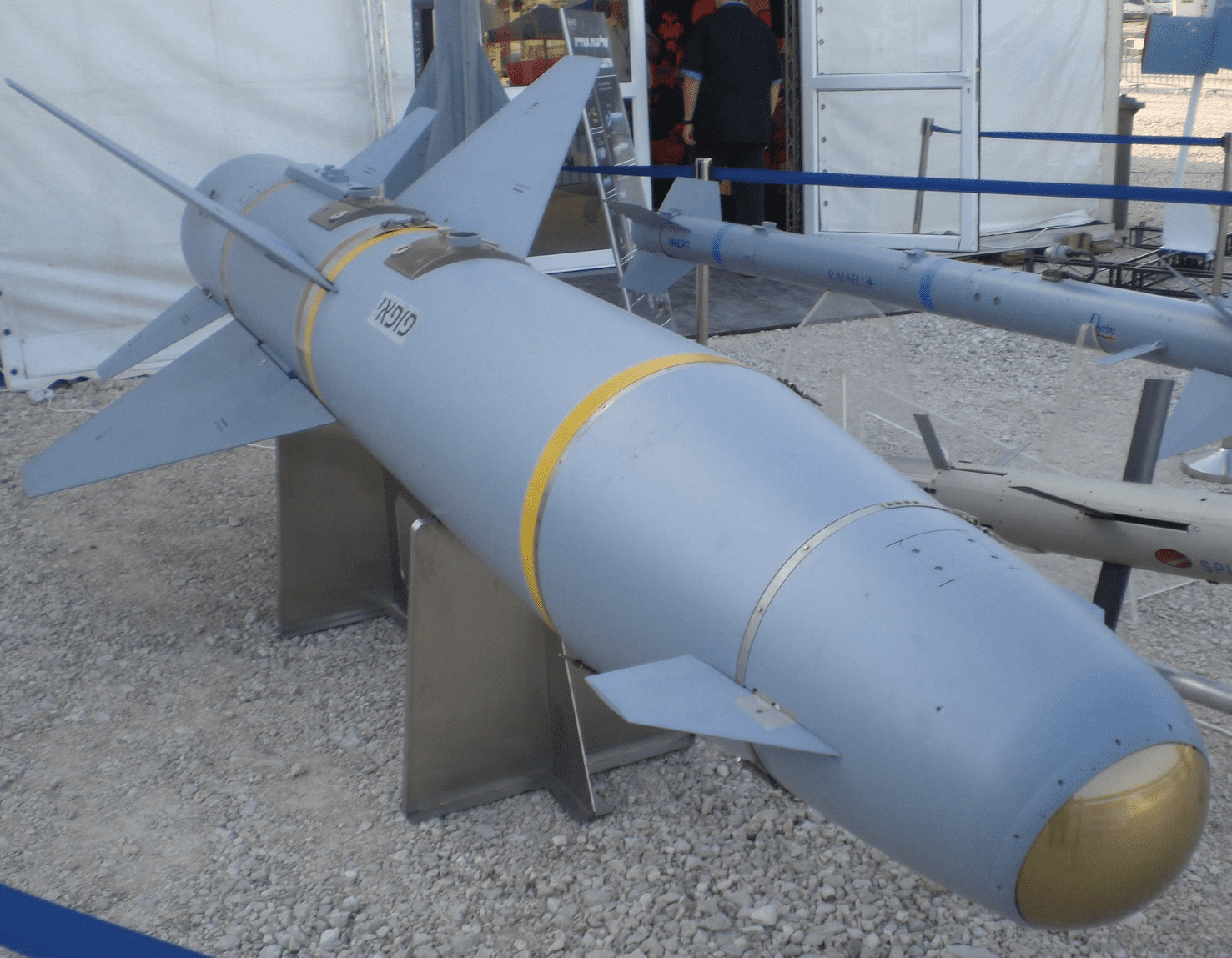
The Popeye is a submarine-launched cruise missile believed to carry a nuclear warhead, with a range of up to 1,500 kilometres.
The Iron Dome system is designed to intercept short-range rockets and shells between 4 and 70 kilometres. The cost of the Tamir interceptor missile is around 40,000 to 50,000 dollars. It has intercepted and destroyed more than 1,500 rockets and shells since 2011. However, it has faced difficulties in confronting intensive attacks, as occurred in October 2023, when 4,000 rockets were launched in 20 minutes.
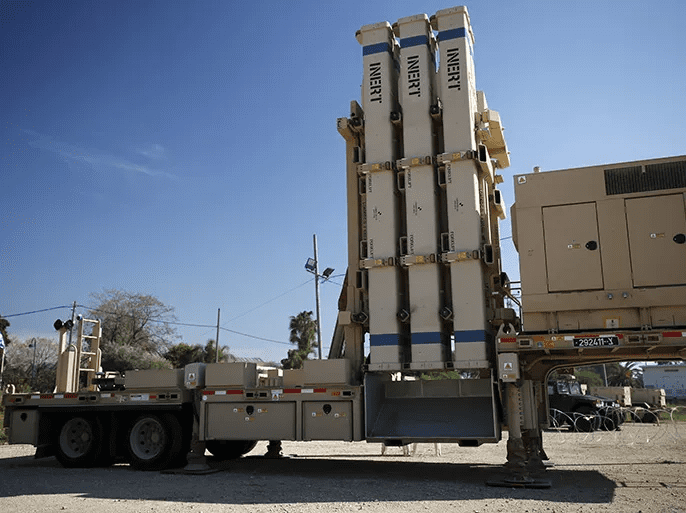
The David's Sling system covers the middle layer between 70 and 300 kilometres. The cost of the Stunner interceptor missile is one million dollars. Finland bought it under a contract worth 316 million euros, and Germany has expressed interest in a contract worth 600 million dollars.
The Arrow 2 system targets medium-range ballistic missiles between 300 and 500 kilometres. The Arrow 3 system targets long-range ballistic missiles above the atmosphere with a range exceeding 2,400 kilometres. It entered service in 2017 and was jointly funded by the United States with more than 3.5 billion dollars.
Field Uses
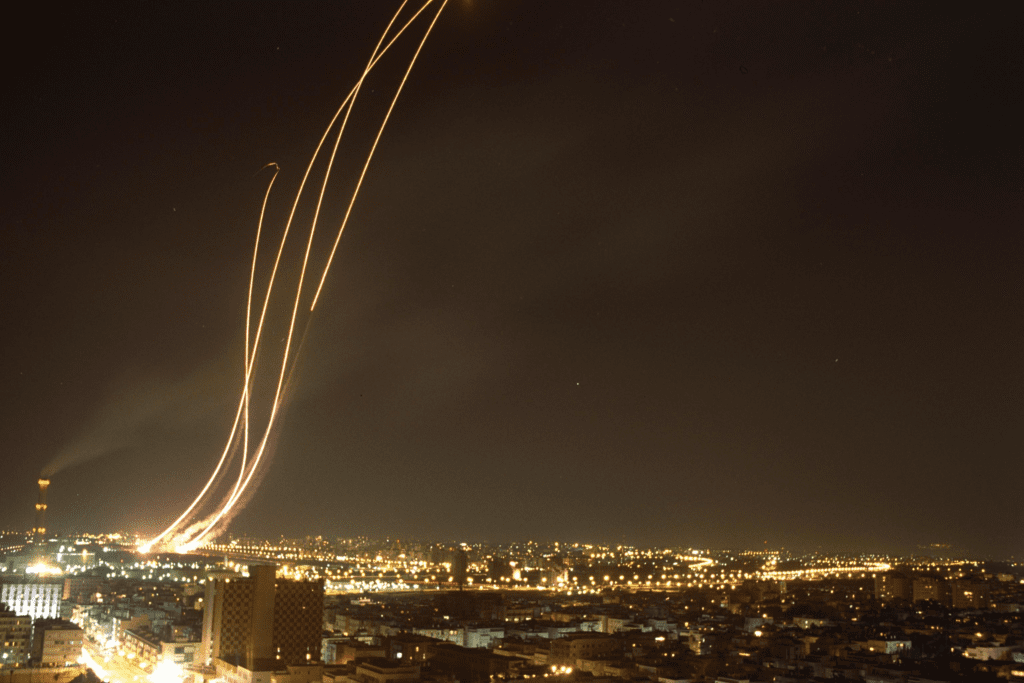
In Iraq in 1991, "Israel" was hit by 39 Iraqi Scud missiles. In Lebanon in 2006, Hezbollah fired more than 4,000 rockets at northern "Israel", which led to the development of the Iron Dome. In Gaza from 2011 until now, the Iron Dome has intercepted thousands of Palestinian rockets.
In Syria in 2017, the Arrow 2 intercepted a Syrian SA-5 missile, although it was not designed for this purpose. In Gaza in May 2023, David's Sling was used for the first time in real combat to intercept Badr 3 rockets. In Gaza in October 2024, David's Sling intercepted an Ayyash 250 rocket.
In Iran in April 2024, "Israeli" systems, in cooperation with America and its allies, intercepted about 400 Iranian missiles and drones. In Iran in October 2024, David's Sling was used against Iranian strikes. In Iran in June 2025, David's Sling intercepted a ballistic missile for the first time during the 12-day war.
Models Under Development
The Iron Beam is a laser system under development to fill gaps in missile defence. The Jericho 3A or 4 is a new generation of ballistic missile under development. The SN4G is a joint French-Israeli missile under development.
Export
Azerbaijan bought Lora missiles and used them in Nagorno-Karabakh. The UAE bought the Iron Dome. India co-develops the Barak system with Israel and bought Spike missiles. Morocco bought the Barak system. Singapore bought the Iron Dome. The United States owns the Iron Dome. Finland bought David's Sling for 316 million euros. Germany concluded a major deal regarding the Arrow 3 system. Vietnam is among Israel's major importers.
References
Al Araby TV, "From Qassam 1 to Ayyash 250: How the Palestinian resistance's missiles developed", 2023. Al Jazeera Net, "From Qassam 1 to Ayyash 250: A qualitative leap in the development of the resistance's missiles in Gaza", 2022. Quds News Network, "The story of the resistance's missiles in Gaza, from Qassam 1 to Ayyash 250", 2021. Al Jazeera Net, "Military analyst: Qassam's use of Ayyash 250 is outside Israel's calculations", 2023. Al-Mujtama magazine, "5 Qassam weapons that surprised the Zionist enemy in the Sword of Jerusalem battle". CSIS Missile Threat, "Jericho 3", 2017. IISS, "Israel's ballistic missile programme", 2021. TWZ, "Could Israel use conventionally armed Jericho ballistic missiles to strike Iran?", 2024. Wisconsin Project, "Israeli missile update", 2005. Missile Defense Advocacy, "Israel's long-range Lora weapons system", 2017. Publishers Panel, "Development of Israel's national missile defence". UNPacked Media, "15 things you don't know about Israeli air defence systems", 2025. ABC News, "Inside the Iron Dome, David's Sling and Arrow", 2025. Norwegian Luftvern, "David's Sling: cost and performance analysis", 2025. Times of Israel, "As the Israeli military rethinks, some argue air-missile doctrine is moving onto firmer ground", 2024. NTI, "Design characteristics of Israeli missiles", 2012. Haaretz, "Israel's biggest arms clients: India, Azerbaijan and Vietnam", 2018. BESA Center, "Arms export diplomacy: how Israel's defence industry enhances foreign policy", 2024. Britannica, "Israel–Hamas war", 2023. ICWA, "Power and proxies: assessing Israel's conflict with Gaza, its strategy and capabilities", 2025. Lieber Westpoint, "Qassam rockets: weapons reviews and mass terrorism as a targeting strategy", 2024.


