


While attention has focused on the missile race between the United States, Russia and China, Europe today is passing through a critical strategic turning point not seen since the end of the Cold War. On one side, the escalating Russian threat poses the greatest direct danger to continental security, as the Ukrainian invasion of 2022 revived the specter of conventional conflict at the gates of the continent. On the other side, the shift in US policy towards isolationism and prioritising the Pacific raises profound questions about the reliability of the American nuclear umbrella that has protected Europe for decades. In this doubly dangerous context, European missiles emerge as a strategic tool that is indispensable, and even as the backbone of a military autonomy that European states have begun to consider working towards.
In this report we review the experiences of every major European power in developing missiles, the strategic role they play in foreign and defence policies, the current types and their capabilities, their operational uses, the models under development, and the countries to which they are exported.
The United Kingdom's Experience
The United Kingdom relies on its missile arsenal as the backbone of its strategic independence and global influence. After leaving the European Union, missiles became a tool for demonstrating that Britain remains a global power. Its missiles are not merely weapons but instruments for precise conventional strikes anywhere.
Development History
In 1958 Britain and the United States signed the Mutual Defence Agreement, followed by the Nassau Agreement, which paved the way for the Polaris sales agreement of 1963. These agreements allow the United Kingdom to purchase Trident II missiles from the United States for its submarine-launched ballistic missiles. Construction of the Resolution-class submarines began shortly after the agreement was signed, and the first HMS Resolution entered service in 1968. By 1969 Britain had begun the Continuous At-Sea Deterrence mission, which has not stopped since.
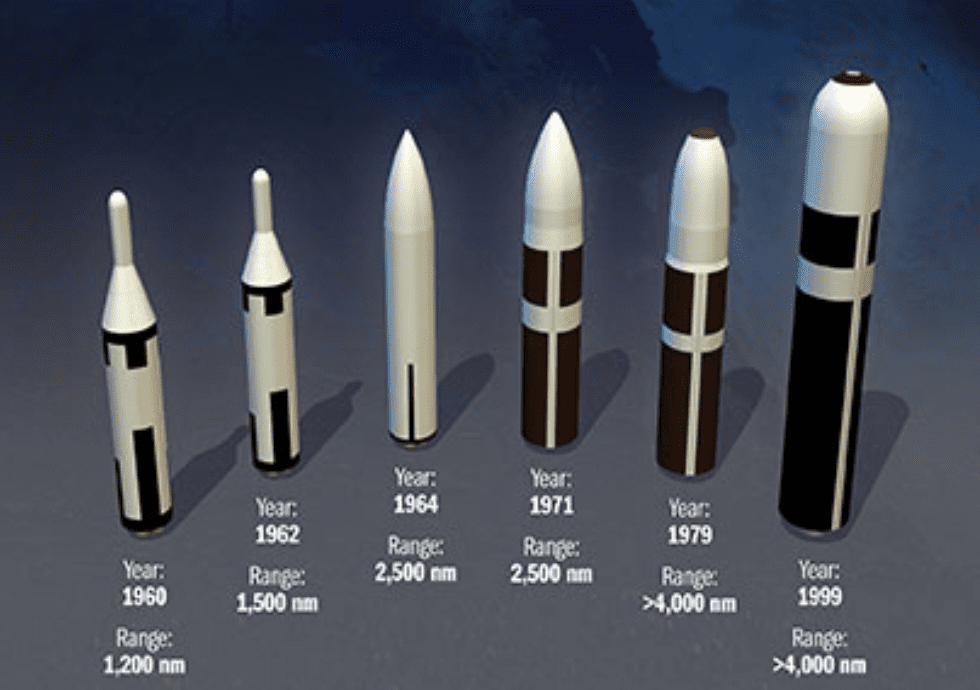
In the 1980s the British government began studying options to replace the Resolution-class submarines and Polaris missiles. On 15 July 1980 the government decided to purchase the Trident I C4 missile system, but on 11 March 1982 it was upgraded to the more advanced Trident II D5 system. Construction of the Vanguard-class submarines began in the mid-1980s at the shipyard in Barrow-in-Furness. It was the largest, most complex and most costly military construction programme in Western Europe at the time, with an estimated cost of 19.8 billion dollars.
HMS Vanguard entered service in August 1993, followed by Victorious in January 1995, Vigilant in November 1996, and Vengeance in November 1999. The first Trident patrol began in December 1994, and since then at least one submarine has been at sea at all times.
Current Types and Capabilities
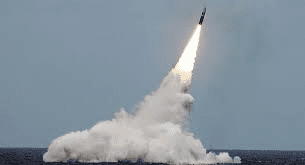
The UGM-133 Trident II D5 is a submarine-launched ballistic missile 13 metres long and weighing 58.5 tonnes. Its range reaches 11,300 kilometres and its speed exceeds 21,600 kilometres per hour, equivalent to 17.4 Mach. It carries multiple nuclear warheads with a yield of up to 100 kilotonnes per warhead. It uses an inertial navigation system with a star tracker and does not rely on the American Global Positioning System. The missile's accuracy reaches just a few feet. The United Kingdom bears five per cent of the research and development costs, and participates in a common pool with the US Navy at Kings Bay base, where missiles are randomly selected for loading onto submarines of either country.
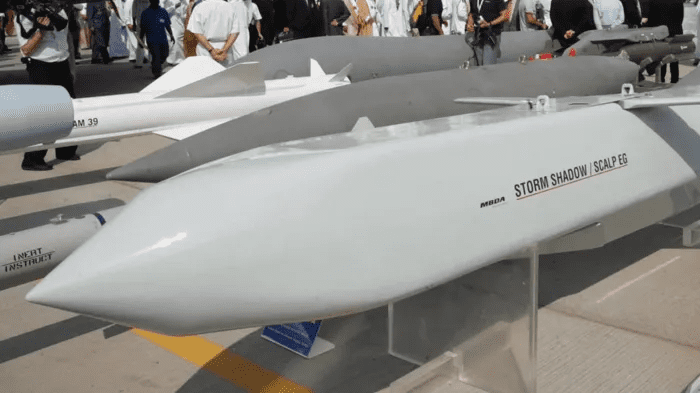
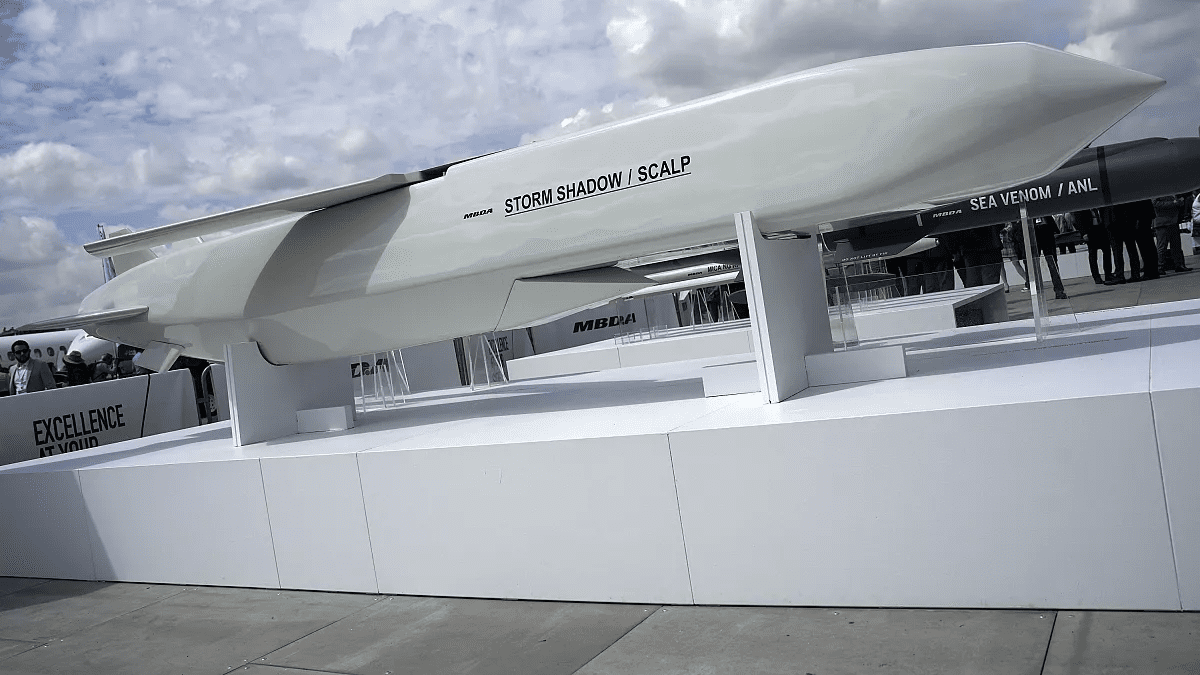
The Storm Shadow is a air-launched winged cruise missile designed to strike hardened fixed targets. Its range exceeds 250 kilometres and it carries an anti-hardened explosive warhead called BROACH. Its guidance system consists of an inertial measurement unit updated through digital terrain profile matching and GPS, with an infrared seeker head in the final phase. It is launched from Tornado, Typhoon and F-35 aircraft. The cost of a single missile is about 790,000 pounds sterling, including the production costs of the complete weapon system. Around 2,000 missiles were produced at a total cost of 981 million pounds sterling for the British stockpile.
Operational Uses
As with most Western weapons in the modern era, the testing, use and marketing grounds have been regions of the Islamic world.
In Iraq in 2003, the Storm Shadow was used for the first time in a military conflict, when Tornado aircraft of 617 Squadron, known as the Dambusters, fired 27 missiles, although the missile had not yet formally entered service. In Libya in 2011, missiles were launched against Gaddafi-linked targets by British Tornado aircraft and French Rafale aircraft. In Syria in 2018, eight British Storm Shadow missiles were used against a chemical weapons facility near Homs, alongside nine American Tomahawk missiles, three American MDCN missiles and two French SCALP missiles. In Iraq in 2016, four missiles were used against a Daesh (ISIS) hideout. In Ukraine, from May 2023, Britain announced it would supply Ukraine with Storm Shadow missiles, and in November 2024 they were used for the first time inside Russian territory, against a military facility in Kursk.
Models Under Development
The Dreadnought programme is the next generation of nuclear ballistic missile submarines, to replace the Vanguard class. The programme aims to ensure the continuation of the Continuous At-Sea Deterrence mission without interruption. HMS Dreadnought is the first of the new class, and it is expected to enter service in the 2030s.
The Future Anti-Surface and Cruise Missile is a joint project between Britain and France to replace Storm Shadow and SCALP. It is known as FCAS-W to the British and FMAN/FMC to the French. It is planned to be in service between 2030 and 2035.
The joint project between Britain and Germany for a long-range missile was announced in May 2025. It aims to develop a precision missile with a range exceeding 2,000 kilometres within the framework of the European approach to deep strike. It will exceed the capabilities of Storm Shadow and Germany's Taurus, and is expected to include stealth features, high-precision guidance systems and modular warheads. It involves BAE Systems of Britain and MBDA Germany.
Exports
Saudi Arabia is the largest importer of Storm Shadow missiles. In 2009 Britain and Saudi Arabia reached an agreement under the Tornado support programme worth 1.2 billion pounds sterling, which included missiles. In October 2016 the British government confirmed Saudi use of the missiles in Yemen. In 2021, talks began between Saudi military industries and the British MBDA over local manufacture of a version of the missile. The UAE bought an export version called Black Shaheen in the 1990s. Qatar bought 140 missiles in 2015. India bought an undisclosed number in 2016 as part of the Rafale deal. Egypt bought more than 100 missiles. Greece bought 90 missiles between 2000 and 2003. Croatia bought an undisclosed number as part of the Rafale deal.
Britain is trying to strike a balance between military dependence on the American army and local development projects to meet its weapons needs, most notably missiles. At present the balance still tilts towards reliance on American systems, with some movements noted in the direction of attempting self-sufficiency and independent decision-making.
The French Experience
Development History
France began its nuclear programme in the 1950s independently of the United States. In the 1960s it developed medium-range land-based ballistic missiles deployed in silos on the Albion plateau. However, these missiles were dismantled in 1996 after the collapse of the Soviet Union. In the 1980s development began on the M45 submarine-launched ballistic missile, which later evolved into the more advanced M51.
Current Types and Capabilities
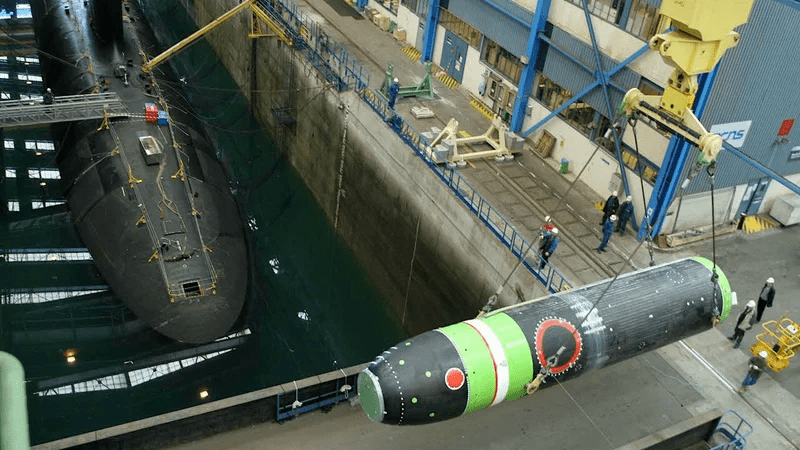
The M51 is a submarine-launched ballistic missile 12 metres long and weighing more than 50 tonnes. It consists of three solid-fuel stages and rises to a height of more than 2,000 kilometres before re-entering the atmosphere at a speed of 20 Mach. Its range exceeds 9,000 kilometres and it carries between four and six TN-75 nuclear warheads with a yield believed to be 100 kilotonnes per warhead, more than six times the Hiroshima bomb. Each nuclear ballistic submarine is equipped with 16 missiles of this type.
The M51.3 variant, which entered service in October 2025, features new nuclear warheads, an improved range and a greater ability to penetrate enemy missile defences. Its range is estimated at more than 9,500 kilometres, compared with more than 9,000 for the previous version. Work on the M51.4 variant has already begun. The M51.3 carries the new TN 75 2 warheads, which have been developed since 2013.
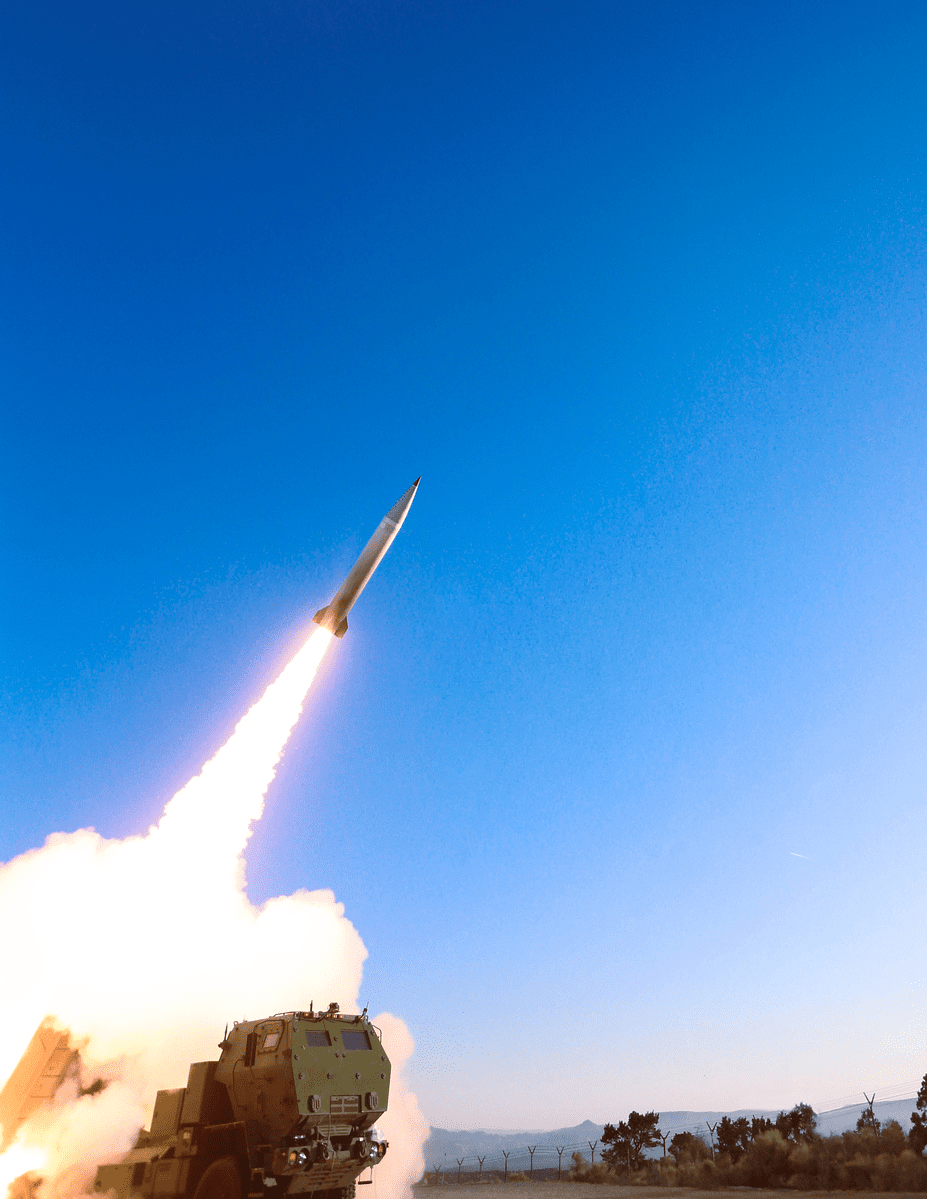
The ASMPA is a nuclear air-launched cruise missile carried by Rafale fighters. Its range is about 500 kilometres and its speed about Mach 3. It carries a thermonuclear warhead with a yield of up to 300 kilotonnes. Forty nuclear warheads are available to the strategic air forces and ten to the naval nuclear forces.
The SCALP EG is the French version of Storm Shadow. Its range exceeds 250 kilometres and it uses a similar guidance system. France bought 500 missiles in 1998. The naval version, the MDCN, has a range of more than 1,000 kilometres and is launched from ships. The French Navy bought 50 missiles in 2006 and a further 150 in 2009.
Operational Uses
In Libya in 2011, French Rafale aircraft launched SCALP missiles against Gaddafi-linked targets. In Syria on 15 December 2015 and 2 January 2016, France fired 12 missiles against Daesh targets as part of Operation Chammal. In Ukraine, from May 2023, France announced it would supply Ukraine with SCALP missiles, and delivery of the first batches was confirmed by August 2023.
Models Under Development
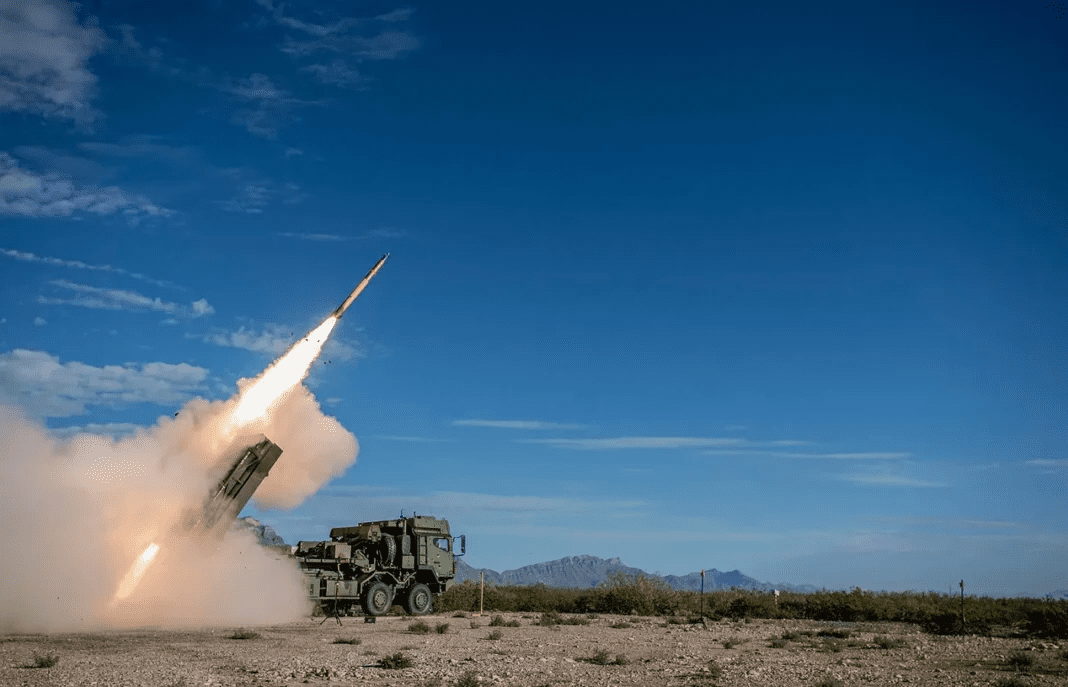
The ASN4G is a nuclear air-launched hypersonic missile intended to replace the ASMPA. It will be integrated with the future Rafale F5 standard. It is distinguished by its hypersonic manoeuvrability, which makes it difficult to intercept.
The SNLE 3G submarines are the third generation of French nuclear ballistic missile submarines. The first steel was cut in March 2024, and the first submarine is expected to enter service around 2035. They will operate until the end of the 2080s. They will be equipped with M51.3 missiles, and later transition to the M51.4.
The Future Combat Air System is a French-German-Spanish project that has stalled due to disputes between Dassault Aviation and Airbus. France requires the aircraft to be capable of carrying a nuclear weapon and operating from an aircraft carrier.
Exports
The UAE bought the Black Shaheen version in the 1990s, despite objections from the United States, which saw the deal as violating the Missile Technology Control Regime guidelines. Greece bought 90 missiles between 2000 and 2003 and bought additional batches in 2022 as part of the Rafale deal. Qatar bought 140 missiles in 2015. Egypt bought more than 100 missiles as part of Rafale deals, but the deal faced obstacles due to US international arms trade regulations, as the missiles contain American components. India bought an undisclosed number in 2016 as part of the Rafale deal, and an additional deal worth 3,200 crore rupees is expected. Saudi Arabia has negotiated to buy the missiles. Croatia bought an undisclosed number as part of the Rafale deal.
France is trying to play a leading role within the European Union and to draw the Europeans towards working for military autonomy from America, exploiting its nuclear capabilities in doing so. Nevertheless, there is no actual movement on the ground to establish a European entity capable of defending the continent against the threats looming on the horizon.
The German Experience
Germany is a unique case among the major European states. After the Second World War it was subjected to strict restrictions on possessing offensive weapons, but the Russian invasion of Ukraine in 2022 brought about a radical shift. Despite its technological capacity and scientific excellence, Germany is living through a phase of slow erosion at the level of individuals.
Development History
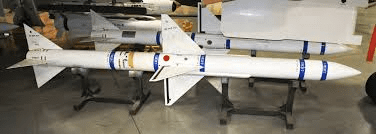
In August 1980 the United States, the United Kingdom, Germany and France signed a memorandum of understanding to develop two types of air-to-air missiles. The United States developed the AMRAAM to replace the AIM-7 Sparrow, while the European team developed the IRIS-T to replace the AIM-9 Sidewinder. In 1987 the United States proposed a requirement to use Sidewinder rails instead of a universal missile rail adapter, which delayed the project by a year. After German reunification in 1990, Germany found itself with large stocks of Soviet R-73 missiles and reached a conclusion that its capabilities were much higher than had been believed. In 1990 Germany withdrew from the IRIS project and began developing what became the IRIS-T missile.
In 1995 Germany announced the start of development of the IRIS-T missile in cooperation with Greece, Italy, Norway, Sweden and Canada. Germany invested more than 500 million Deutsche Mark in the project and holds 46 per cent of it. Italy took 20 per cent, Sweden 18 per cent, Greece 8 per cent, Canada 4 per cent and Norway 3 per cent. Canada later withdrew, while Spain joined as a supply partner in 2003. The German Air Force received the first batch in December 2005.
Current Types and Capabilities
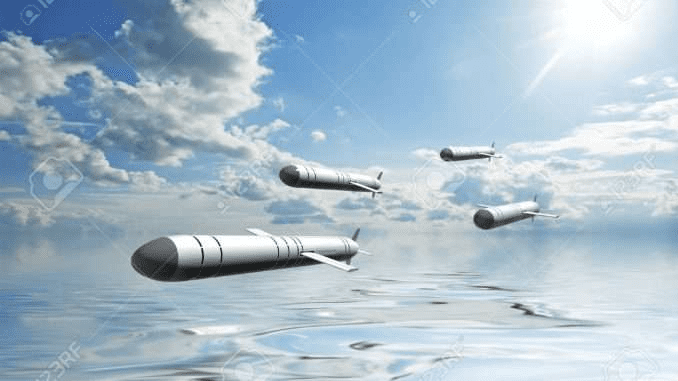
The Taurus KEPD 350 is an air-launched winged cruise missile. It uses a low-altitude flight path pre-programmed with the locations of air defences and the planned ground route. It uses an inertial navigation system, image matching, terrain reference navigation and GPS. It is capable of navigating long distances without GPS support. Its range is about 500 kilometres and it carries an anti-hardened explosive warhead called MEPHISTO. It uses a high-resolution thermal camera during the flight phase for guidance through digital image matching. If it fails to match the image, it reverts to other navigation systems or heads to a predetermined crash point to avoid collateral damage.
The IRIS-T is a short-range air-to-air missile weighing 87.4 kilograms and measuring 2.94 metres in length. It uses an infrared seeker with a high ability to distinguish the target from other objects. It is distinguished by high manoeuvrability of up to 60 g, which makes it effective in close-range air combat. It is launched from Eurofighter Typhoon, F-16, F-18 and Gripen aircraft. Germany has bought large batches of it, and Italy, Sweden, Greece, Spain, Austria and Norway have also bought it.
Operational Uses
German missiles have not been used directly in recent international conflicts. However, the Taurus was supplied to South Korea and Spain. In Ukraine, the Ukrainian government has repeatedly requested Taurus missiles, but the German government has so far refused, fearing escalation.
Models Under Development
The joint project between Germany and Britain for a long-range missile was announced in May 2025. It aims to develop a precision missile with a range exceeding 2,000 kilometres within the framework of the European approach to deep strike. It will include stealth features, high-precision guidance systems and modular warheads. It involves MBDA Germany and the British BAE Systems, with potential contributions from Rheinmetall and Rolls-Royce in propulsion and integration.
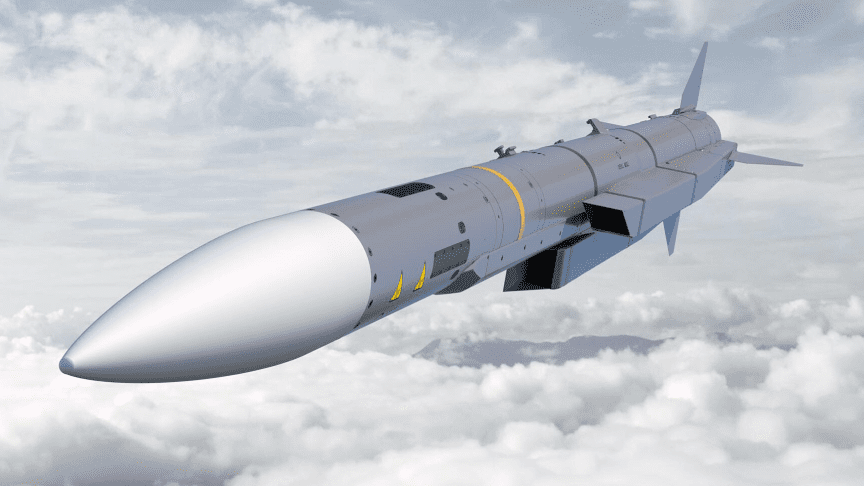
The Meteor is a long-range air-to-air missile developed by a consortium of six European countries led by MBDA. It uses a ramjet engine that provides sustained thrust until the target is intercepted, giving it the largest no-escape zone of any air-to-air missile. It weighs 190 kilograms and is 3.7 metres long. It is launched from Eurofighter Typhoon, F-35, Rafale and Gripen aircraft. In 2025 Germany signed a new contract to purchase additional batches. In November 2025 the Brazilian Air Force confirmed a successful launch from Gripen E aircraft.
Export
South Korea bought KEPD 350 Taurus missiles. Spain also bought Taurus missiles. The IRIS-T missile has been exported to Greece, Italy, Sweden, Spain, Austria, Norway and Brazil. The Meteor missile has been exported to Brazil and South Korea, and is being integrated into the Korean KF-21 Boramae aircraft. In 2025 MBDA and Korea Aerospace Industries signed an agreement to deepen cooperation on integrating Meteor, Spear, Asraam and Brimstone missiles into KF-21 and FA-50 platforms, with joint export opportunities.
The experience of the major European powers ranges between attempting to achieve some degree of self-sufficiency and breaking away from the American umbrella, and attempting to bring the continent together to work on a joint defensive and offensive system. The continent remains far from achieving this, compared with the threat it faces.
References
Dreadnought Alliance, The History of British Nuclear Deterrence, 2026.
Nuclear Companion, Vanguard-class Ballistic Missile Submarines, 2025.
Think Defence, History of the Storm Shadow Missile, 2026.
Deagel, Storm Shadow.
Declassified UK, Britain's Linking of Storm Shadow Use to Nuclear Weapons, 2024.
Arms Control Wonk, Storm Shadow, Saudi Arabia and the Missile Technology Control Regime, 2011.
Defense News, France Modernises Its Naval Ballistic Missile amid Arms Race, 2025.
Arms Control Center, Inventory of French Nuclear Weapons, 2025.
The Trebuchet, French Nuclear Forces in 2025, 2025.
SIPRI, French Nuclear Forces.
Hudson Institute, What Has Really Changed in French Nuclear Doctrine, 2026.
Think Defence, History of the Meteor Missile, 2026.
MBDA, Meteor.
MBDA, New Meteor Order from Germany, 2026.
Airforce Technology, MBDA and KAI Sign Missile Integration Agreement, 2023.
Universal Defence, Britain and Germany Unite to Develop a Next-Generation Long-Range Missile System, 2025.
Army Recognition, Britain and Germany Launch Joint Programme for a 2,000 km Missile, 2025.
UNN, Britain Joins France and Germany in Developing Long-Range Missiles, 2024.
Defense Express, How Many Storm Shadow and SCALP Missiles Do Britain, France and Others Possess, 2024.
Tactical Report, Saudi Arabia, the British MBDA and Storm Shadow Missiles, 2021.
AeroTime, Egypt Confirms Order of 30 Rafales from France, 2021.
Defense Mirror, France Obtains US Approval to Export SCALP to Egypt, 2018.
Defense News, Missile Sales from France to Egypt Depend on US Permission, 2018.
INSS, A Bridge across the Mediterranean: The French-Egyptian Arms Deal, 2015.
Middle East Eye, EU Member States Approve Arms Sales to Saudi Arabia and the UAE Worth 55 Times Aid to Yemen, 2018.
SIPRI, Recent Trends in International Arms Transfers to the Middle East and North Africa, 2025.
Stop Wapenhandel, Europe Militarises at the Expense of Arms Export Controls, 2024.
Stimson Center, The UAE Moves from Arms Importer to Competitor of the West, 2025.
CAAT, British Arms to Saudi Arabia, 2025.
Popular Mechanics, United Kingdom Gives Ukraine Storm Shadow, 2023.


