


Missiles in America, Russia and China: Pillars of Strategic Deterrence in the 21st Century.
Missiles of all kinds (ballistic, cruise and hypersonic) are essential pillars of military power and strategic deterrence in the 21st century. The major powers are competing sharply in this field, with each reshaping the balance of global power through advanced missile arsenals.
This report sheds light on the experiences of the United States, China and Russia. It examines each country's experience in developing missiles, the strategic role these play in its foreign and defence policies, the current types and their capabilities, their field uses, the models under development, and the countries to which they are exported.
The American Experience
Strategic Role: Protecting the International System and Conventional Deterrence
America was the first country to develop a nuclear and strategic missile weapon, and it used this superiority to build an international system under its control after the Second World War. Its missiles are not merely weapons; they are tools for the prompt global strike that allows it to hit any target in the world within one hour.
Development History
After the Second World War, America built its missile programme on the expertise of German scientists, and this formed the technical foundation for its subsequent programmes. During the Cold War, from 1950 to 1991, America developed the Minuteman missile as the first intercontinental ballistic missile to use solid fuel, which allowed it to be launched rapidly without the need to fuel liquid propellant. It also developed the Trident missile as a submarine-launched ballistic missile, which became the backbone of American naval deterrence. It further developed the Tomahawk as a cruise missile that can be launched from land, sea or air.
After the Cold War, America focused on precision conventional missiles for rapid strikes rather than relying solely on nuclear weapons, and it launched the concept of the prompt global strike, which aims to hit any target in the world within one hour using conventional missiles.
Prominent Current Types and Their Capabilities
- LGM-30 Minuteman III, a land-based ballistic missile with a range of approximately 13,000 kilometres and a speed of approximately Mach 24, with a nuclear mission.
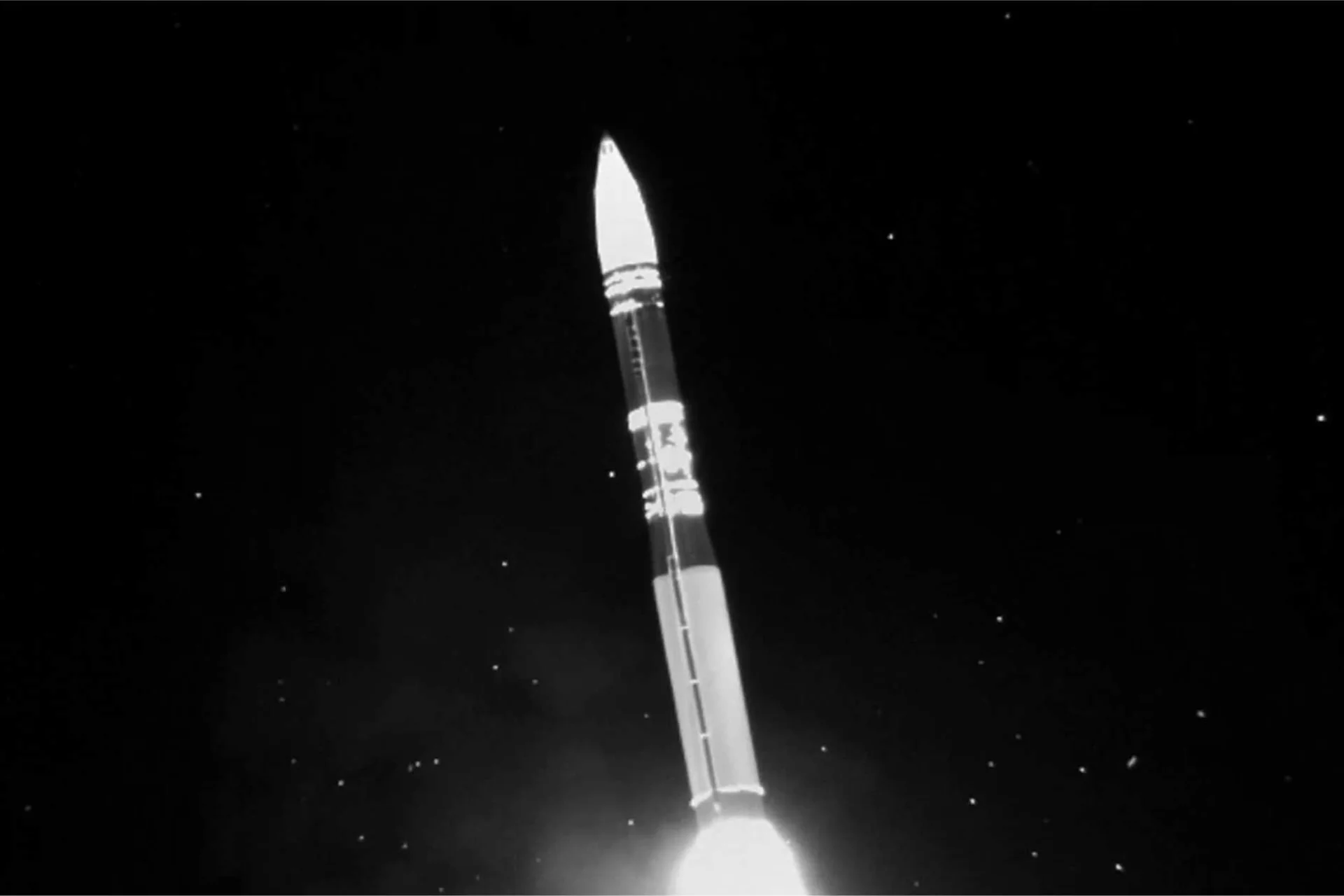
LGM-30 Minuteman III missile.
- UGM-133 Trident II, a submarine-launched ballistic missile with a range of approximately 12,000 kilometres and a speed of approximately Mach 24, also with a nuclear mission.
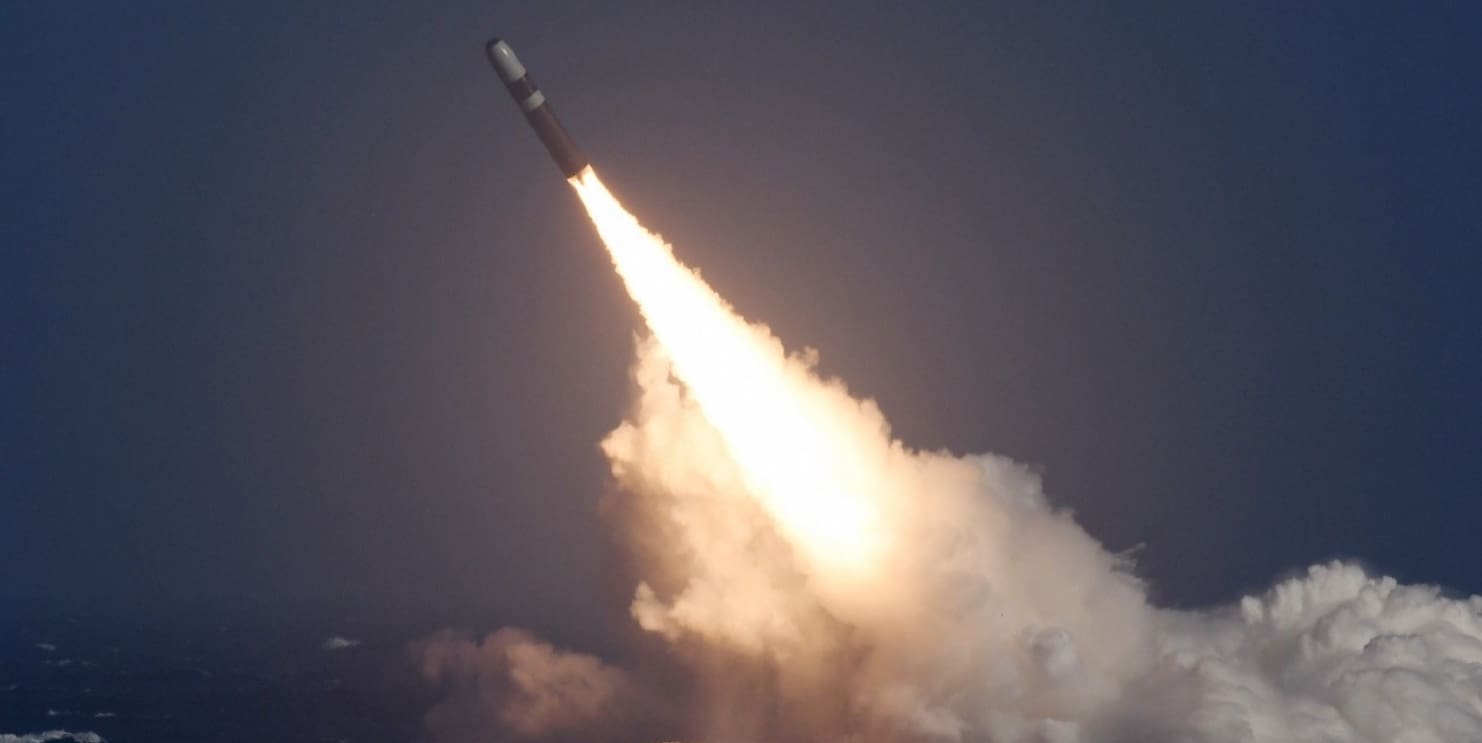
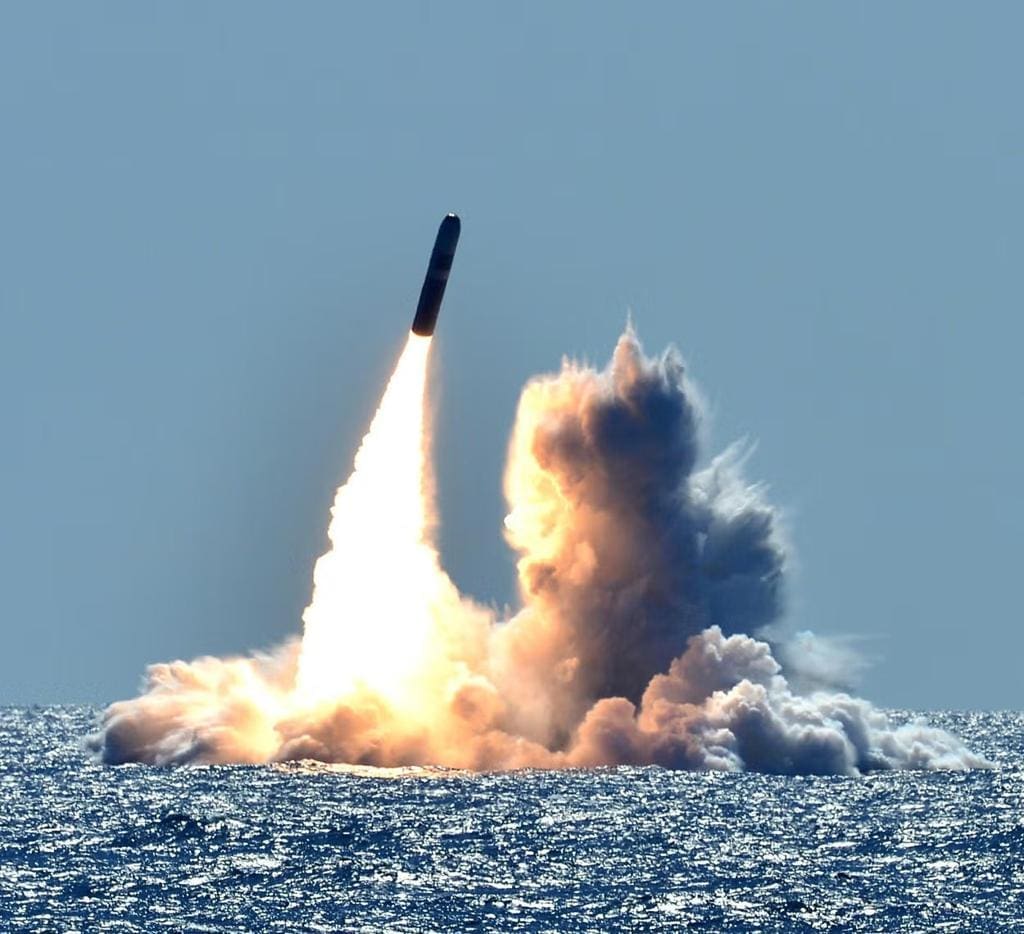
UGM-133 Trident II missile.
- BGM-109 Tomahawk, a cruise missile that can be launched from land, sea or air, with a range of approximately 2,500 kilometres and a speed of approximately Mach 0.7, with a conventional mission.
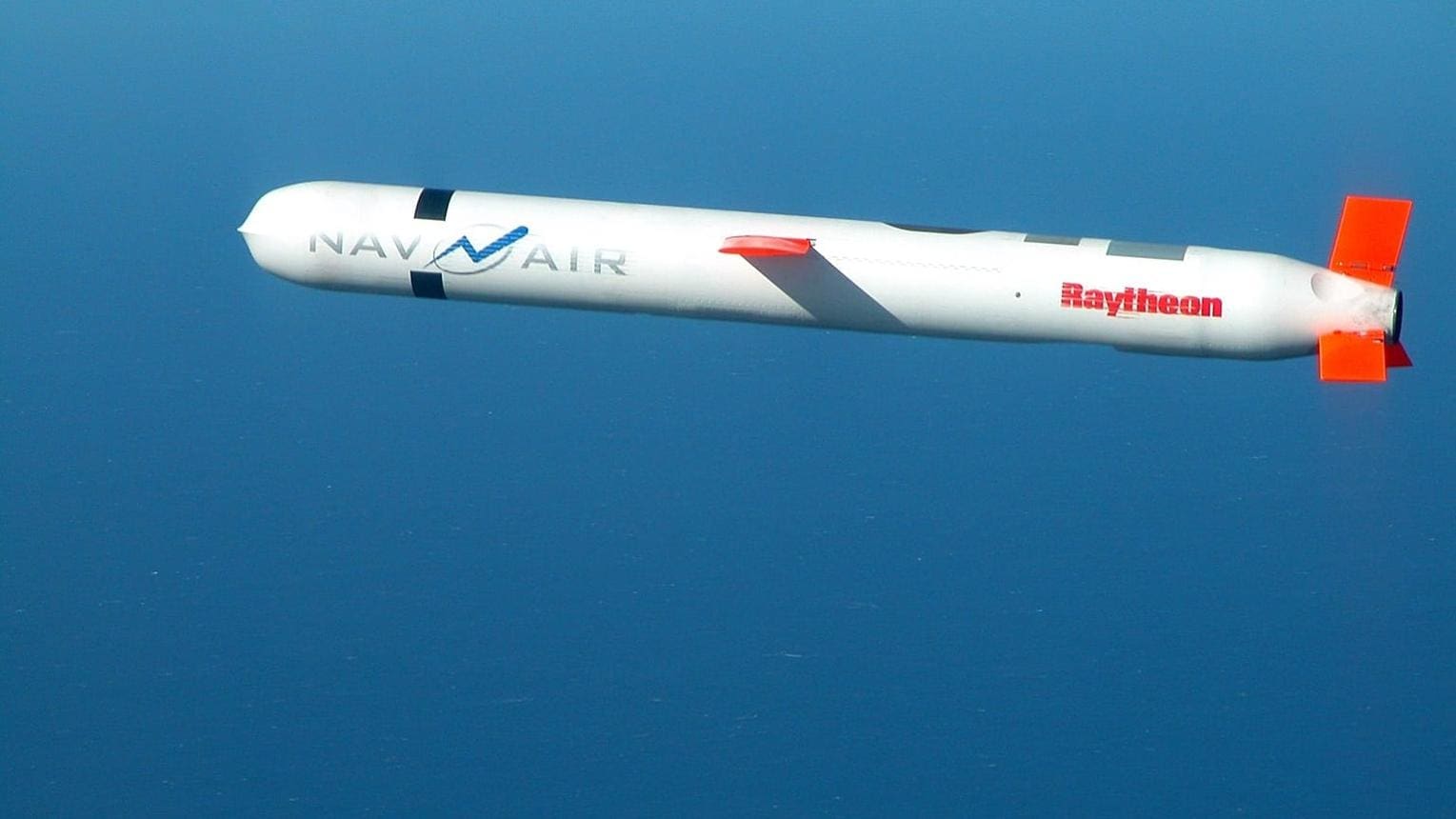
BGM-109 Tomahawk missile.
- SM-6 Standard, a multi-platform missile with a range of approximately 240 kilometres and a speed of approximately Mach 3.5.
- AGM-183 ARRW, an air-launched hypersonic missile with a range of approximately 1,600 kilometres and a speed exceeding Mach 20.
- PrSM, a land-based hypersonic missile with a range of more than 500 kilometres.
- JASSM-ER, a conventional subsonic air-launched missile with a range of approximately 900 kilometres.
- LRASM, an anti-ship missile with a range of approximately 900 kilometres.
Field Uses
Prominent Models Under Development
- LGM-35A Sentinel, the next generation of intercontinental ballistic missiles to replace the Minuteman III by the 2030s, at an estimated cost exceeding 100 billion dollars.
- The Long-Range Hypersonic Weapon system, a land-based hypersonic system developed jointly by the Army and the Navy.
- SLCM-N, a nuclear naval cruise missile under development, aiming to enter service by 2034.
Exports
America exports several types of missiles to states within its military and political sphere of influence. The following is an overview of some of these states:
- The United Kingdom buys Trident missiles, which it uses in its nuclear submarines.
- Japan, South Korea and Australia import Patriot and SM-6 missiles and Tomahawks.
- Poland and the Baltic states receive American missile defence systems.
- Taiwan receives Harpoon and Patriot missiles on a periodic basis.
- The UAE and Saudi Arabia import THAAD and Patriot systems.
- Ukraine has received HIMARS, Patriot and Javelin missiles.
The Russian Experience
Strategic Role: Nuclear Deterrence and Preserving Geopolitical Influence
Russia relies on its missile arsenal as a guarantee of its survival as a great power, especially after the collapse of the Soviet Union. Its missiles are not only for nuclear deterrence; they are also tools of political and military pressure in its near abroad. The war in Ukraine has shown that missiles have become a strategic pillar of Russia in modern warfare.
Development History
From 1945 to 1950, the Soviets benefited from German expertise, as the Americans did, and they founded Scientific Research Institute No. 88 under the supervision of Korolev. During the Cold War they developed the R-7 Semyorka as the first Soviet intercontinental ballistic missile, which was used to launch the first artificial satellite, Sputnik. They also developed the Satan and Topol missiles as a new generation of intercontinental ballistic missiles. They tested the Fractional Orbital Bombardment System for placing warheads in low Earth orbit before directing them at targets, a concept that China has recently re-tested.
After the collapse of the Soviet Union, Russia worked to modernise its arsenal with new missiles such as the Topol-M, Yars, Iskander and Kalibr.
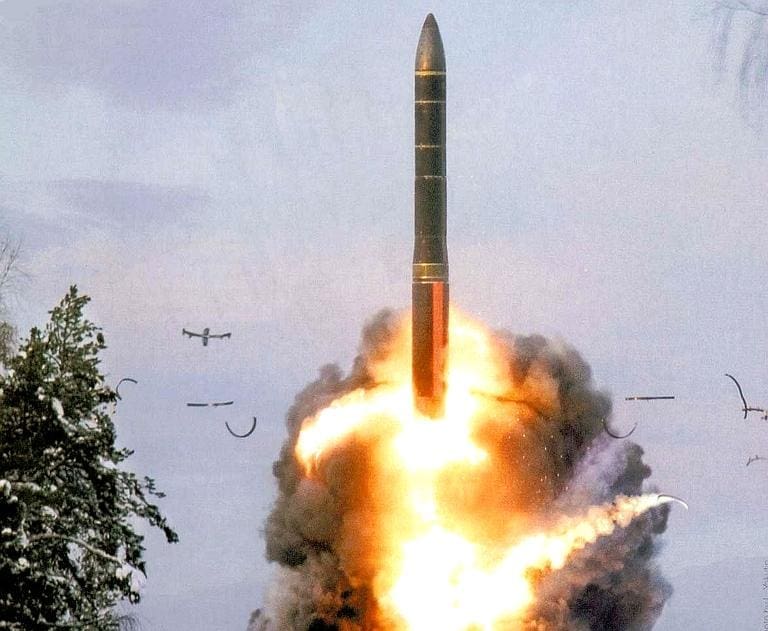
Topol-M missile.
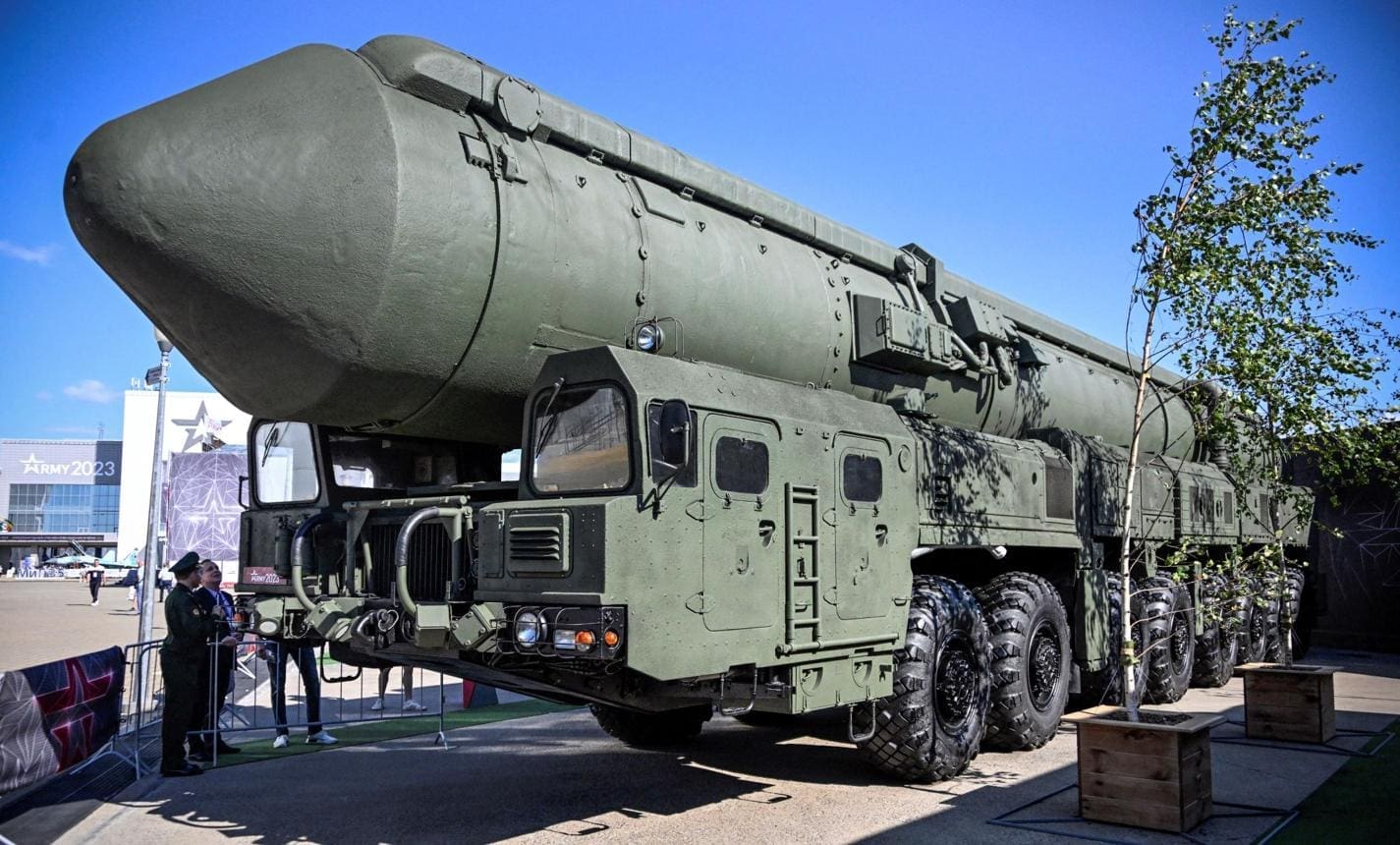
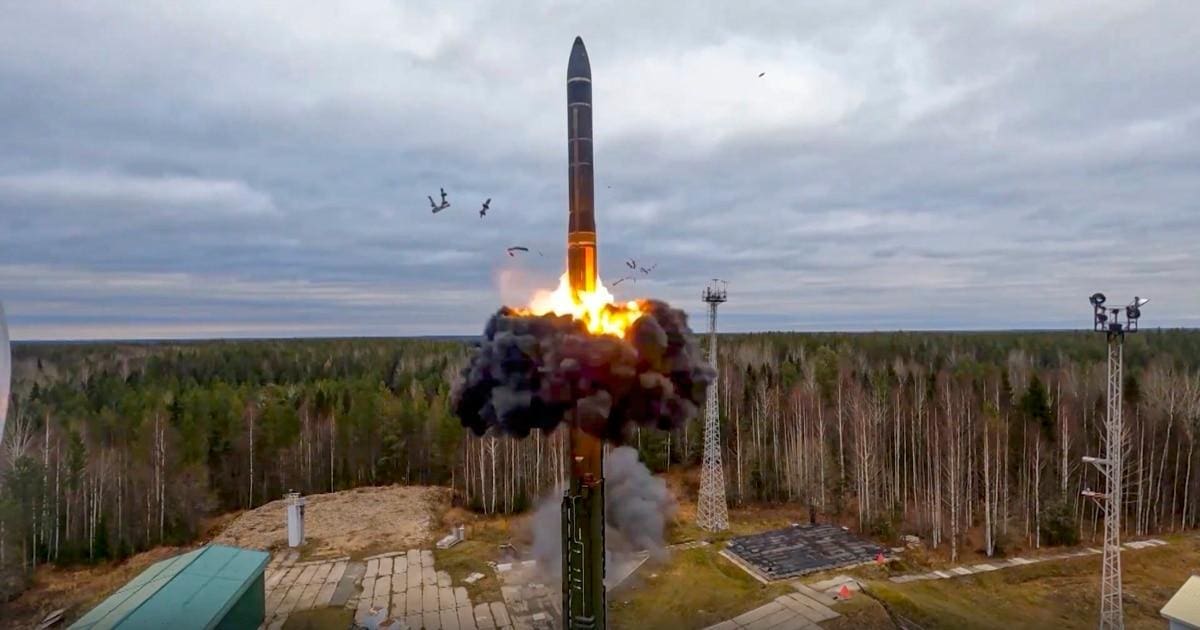
Yars missile.
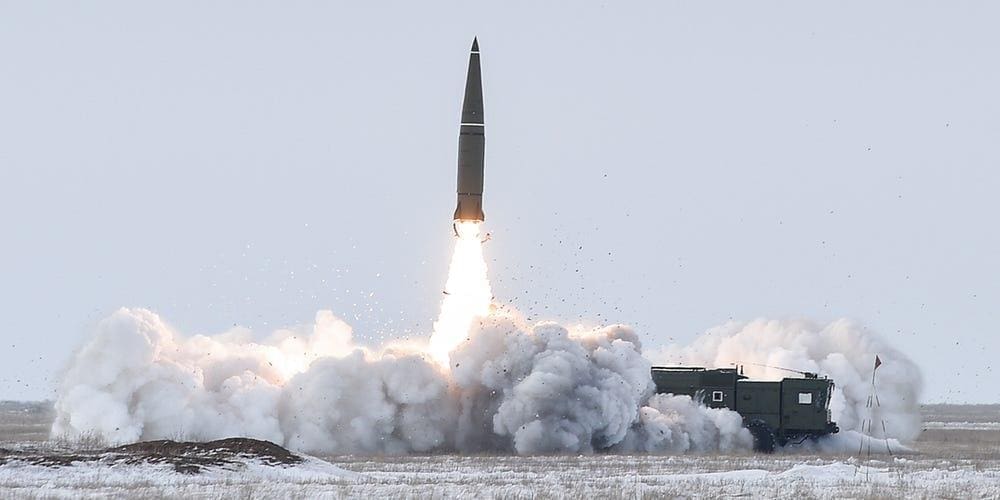
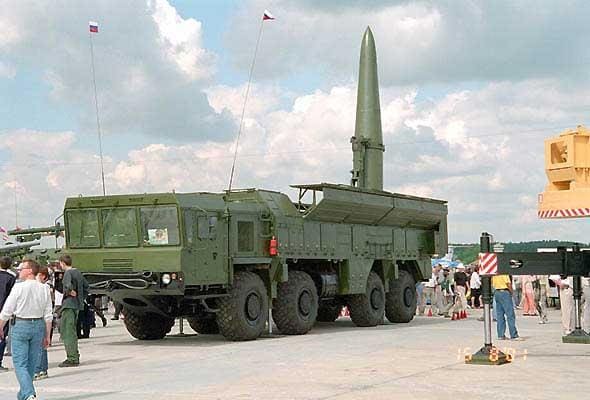
Iskander missile.
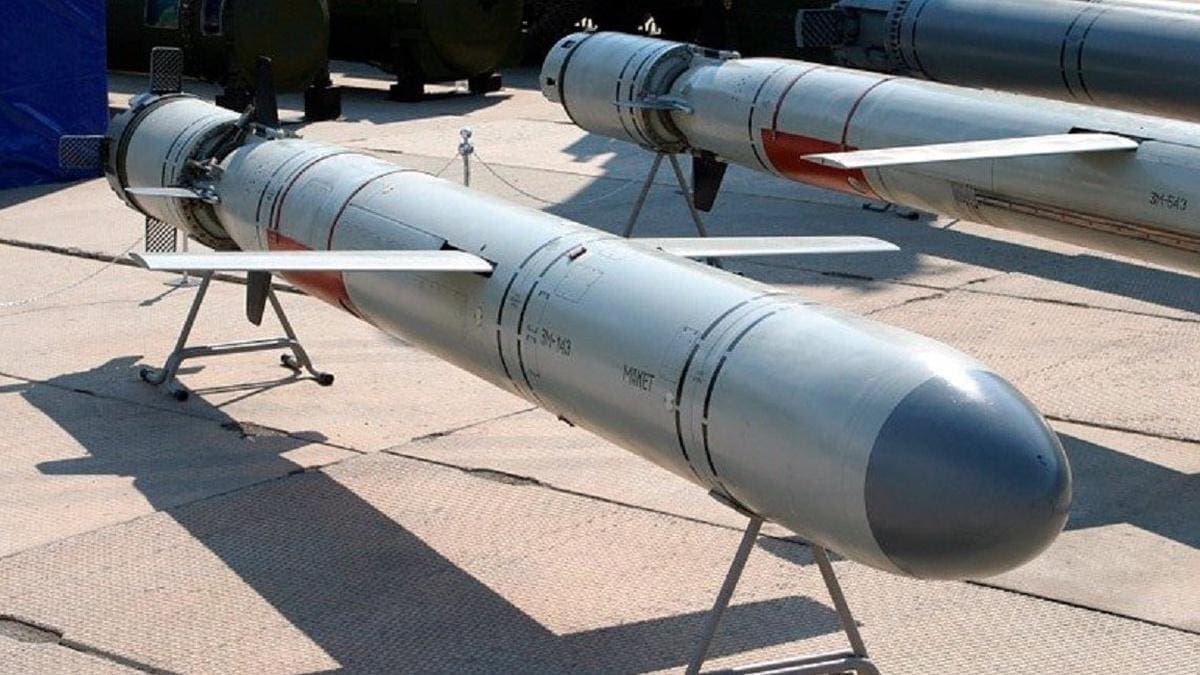
Kalibr missile.
Current Types and Their Capabilities
The RS-28 Sarmat is a heavy land-based ballistic missile with a range of approximately 18,000 kilometres and a speed exceeding Mach 20, with a nuclear mission.
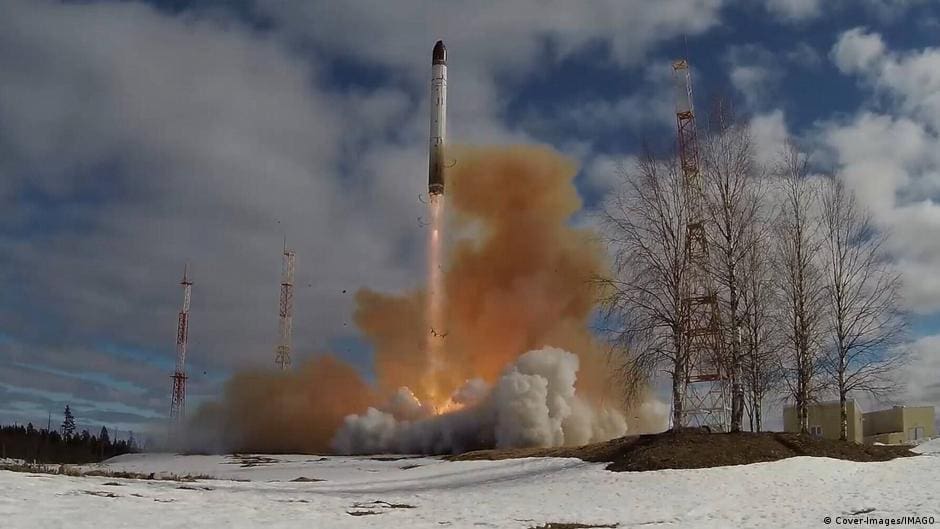
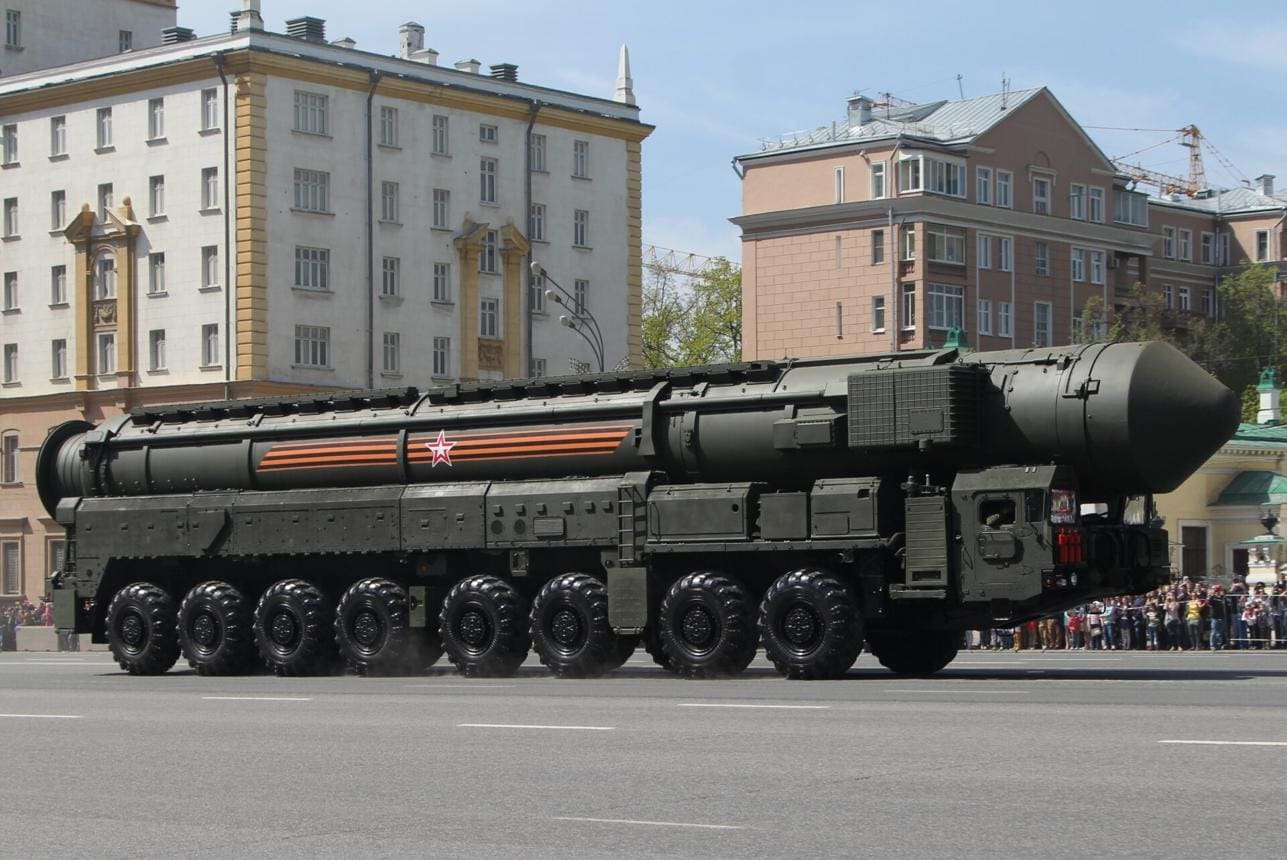
RS-28 Sarmat missile.
- RT-2PM2 Topol-M, a land-based ballistic missile with a range of approximately 11,000 kilometres and a speed of approximately Mach 22.
- RS-24 Yars, a land-based or rail-mobile ballistic missile with a range of approximately 12,000 kilometres.
- Bulava, a submarine-launched ballistic missile with a range of approximately 9,300 kilometres.
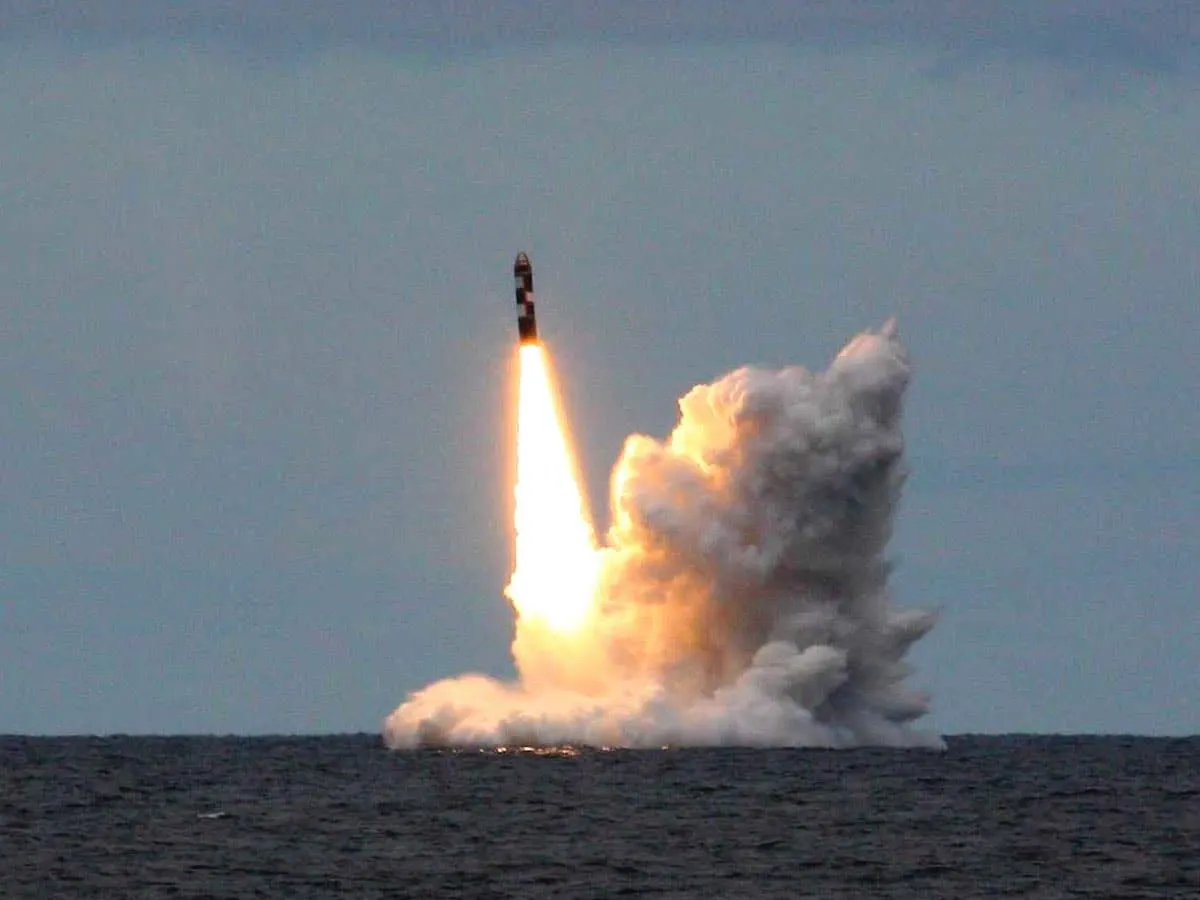
Bulava.
- 9M723 Iskander-M, a land-based ballistic missile with a range of approximately 500 kilometres and a speed of between Mach 6 and Mach 7, with a conventional mission.
- 3M14 Kalibr, a cruise missile launched from sea or land with a range of between 1,500 and 2,500 kilometres.
- Kh-101, an air-launched cruise missile with a range of more than 2,500 kilometres.
- Kh-47M2 Kinzhal, an air-launched hypersonic missile launched from a MiG-31 aircraft, with a range of between 2,000 and 3,000 kilometres and a speed of approximately Mach 10.
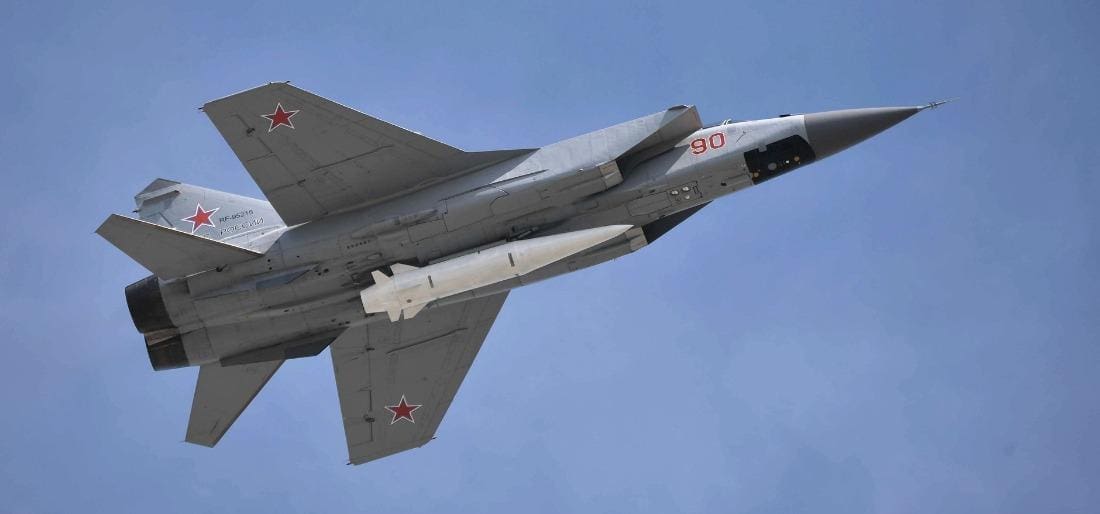
Kh-47M2 Kinzhal missile.
- 3M22 Zircon, a sea-launched or land-launched hypersonic missile with a range of approximately 1,000 kilometres and a speed of between Mach 9 and Mach 11.
- Avangard, a land-based hypersonic missile with a range of more than 10,000 kilometres and a speed exceeding Mach 20.
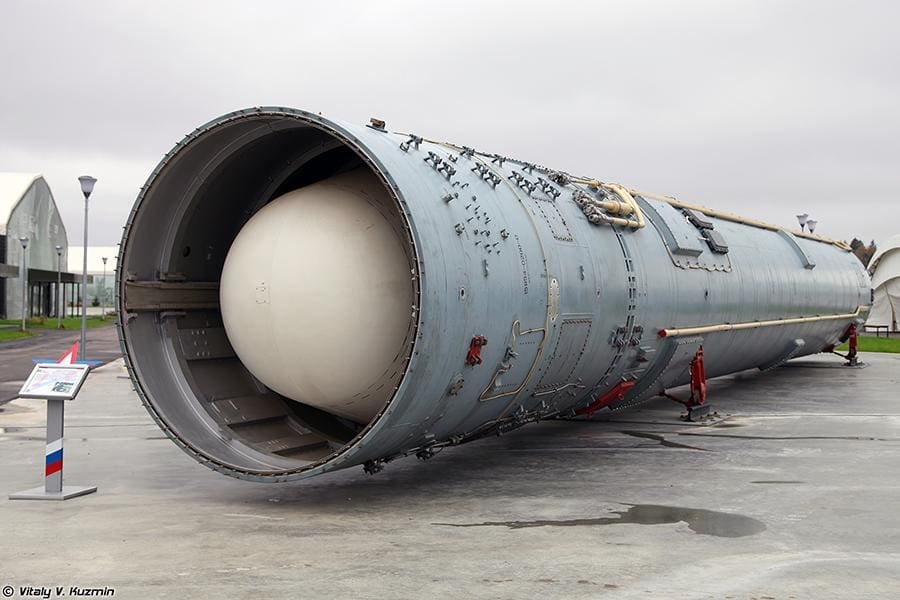
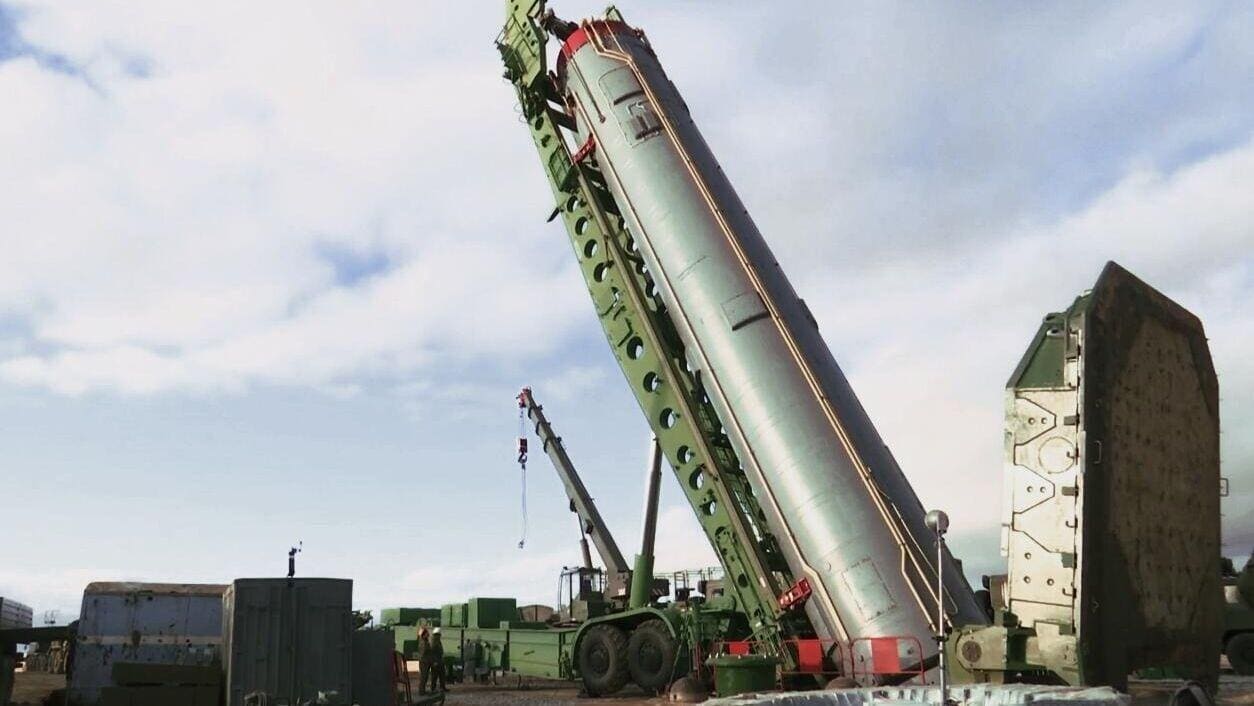
Avangard missile.
Field Uses
Models Under Development
- RS-28 Sarmat, a heavy ballistic missile that will replace the Satan, carrying between 10 and 15 nuclear warheads and able to fly over the North or South Pole.
- Burevestnik, a nuclear cruise missile with unlimited range, but it faces technical problems.
- Poseidon torpedo, a nuclear torpedo with unlimited range for striking coastlines.
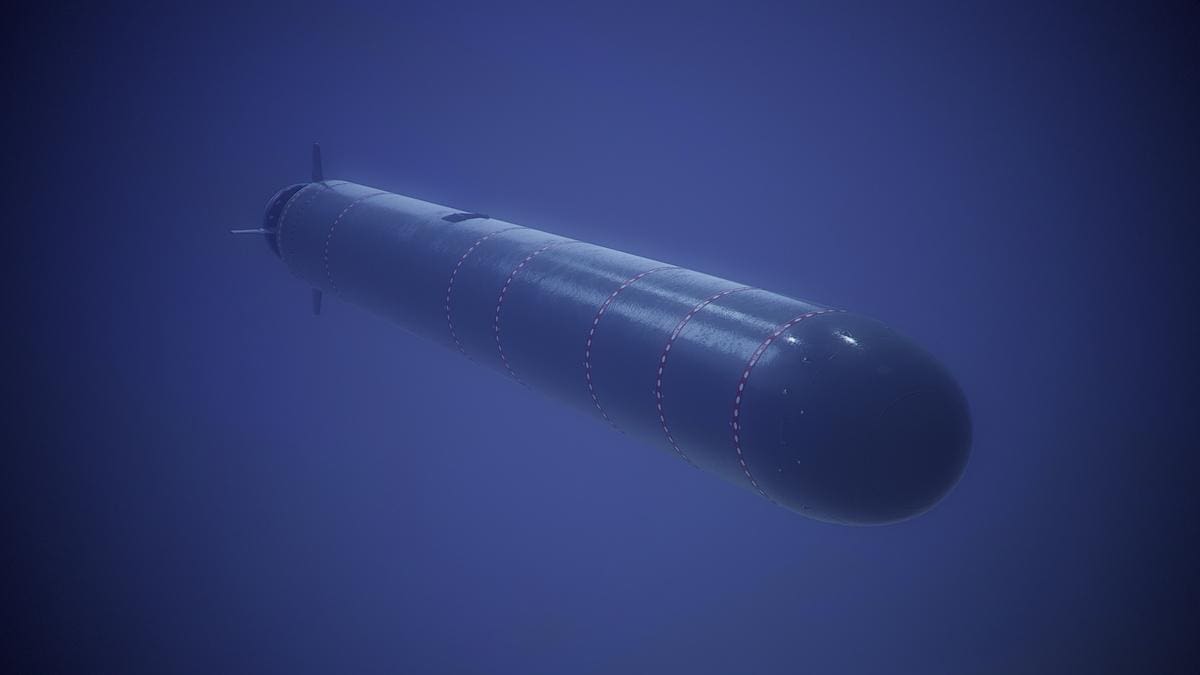
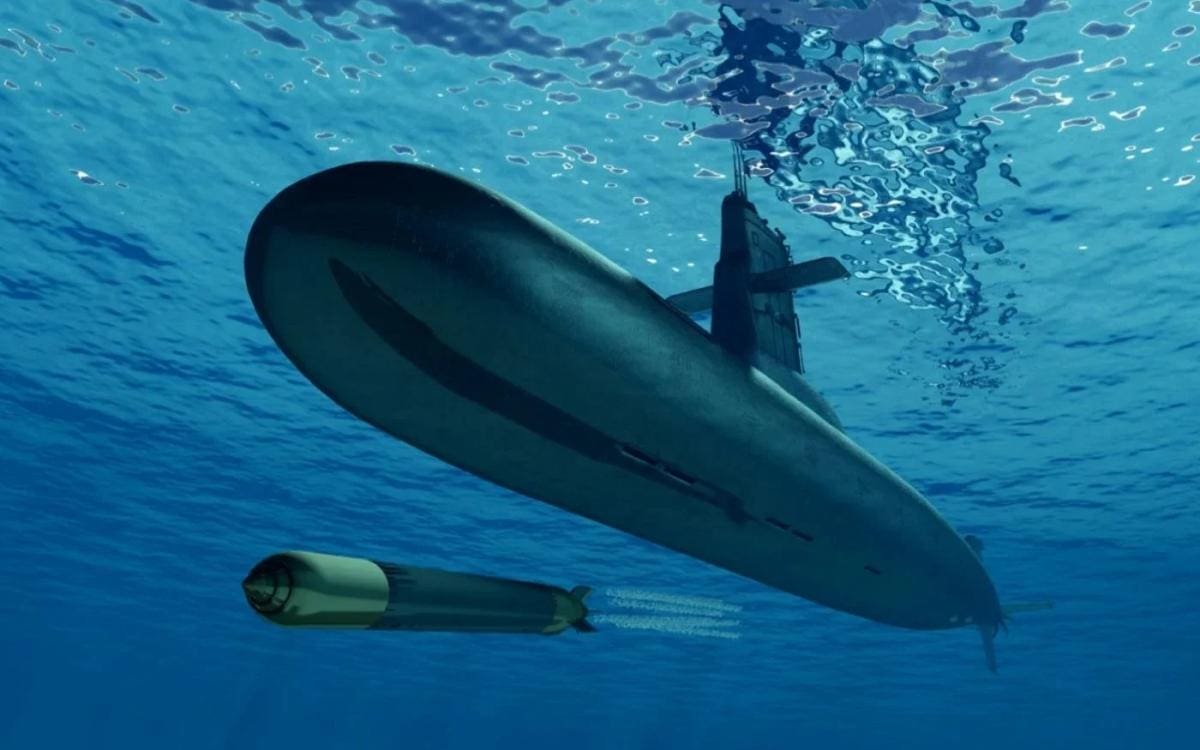
Poseidon torpedo.
- Kh-BD, the successor to the Kh-101, at a cost of approximately 4.2 million dollars per missile.
- 9M729 Iskander-1000, a long-range version of the Iskander with a range of more than 2,000 kilometres, which was a factor in the collapse of the Intermediate-Range Nuclear Forces Treaty.
Exports
- India is the largest importer of Russian weapons, including the S-400 and cruise and ballistic missiles.
- China received Russian missile technologies in the 1990s but has now become more of a competitor than a customer.
- Iran received S-300 systems, cruise missiles and technical support for its missile programme, and in 2025 and 2026 it is negotiating new deals including shoulder-launched Verba systems.
- Algeria and Egypt are major traditional importers of Russian weapons.
- Saudi Arabia has bought several types, most notably the S-400 system.
- Turkey obtained the same system, which led America to remove it from the F-35 programme.
The Chinese Experience
Strategic Role: Breaking the American Siege and Building Global Power
China seeks to convert its economic strength into military power, and missiles are the fastest means of achieving this. Its missiles are not only for deterrence; they are intended to prevent an adversary from gaining access in the South China Sea and East Asia.
Development History
China began its missile programme in the 1950s with Soviet support, but relations deteriorated in the 1960s, forcing it to develop independently. The DF-1 in 1960 was China's first short-range missile. The DF-5 in 1971 was China's first intercontinental missile and gave China genuine nuclear deterrence capability. The DF-21 in the 1980s was a medium-range missile, which later evolved into the DF-21D, the anti-carrier missile.
China made a qualitative leap in the last two decades, especially in hypersonic missiles, which caused serious concern in Washington. According to reports, China is far more advanced than Americans had believed.
Prominent Current Types and Their Capabilities
- DF-41 is China's most powerful missile at present, with a range of approximately 15,000 kilometres and a speed of approximately Mach 25, land-based or rail-mobile, carrying 10 nuclear warheads.
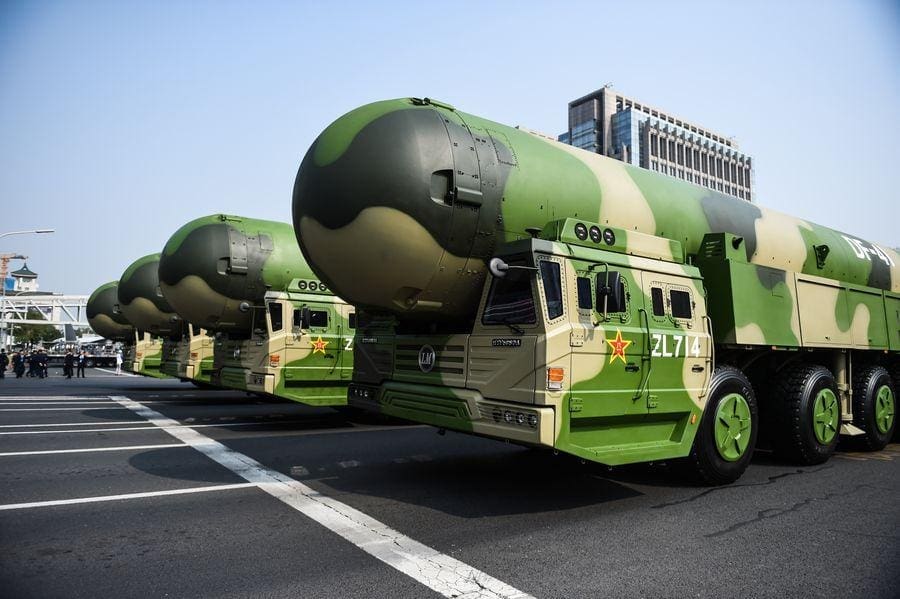
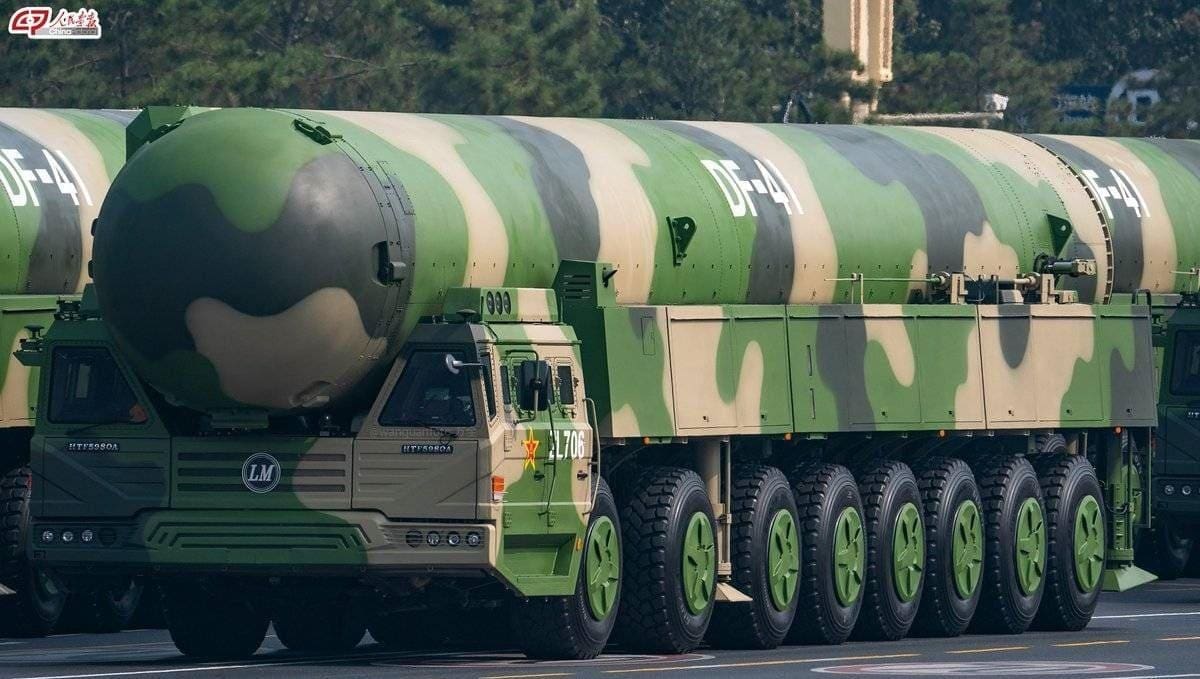
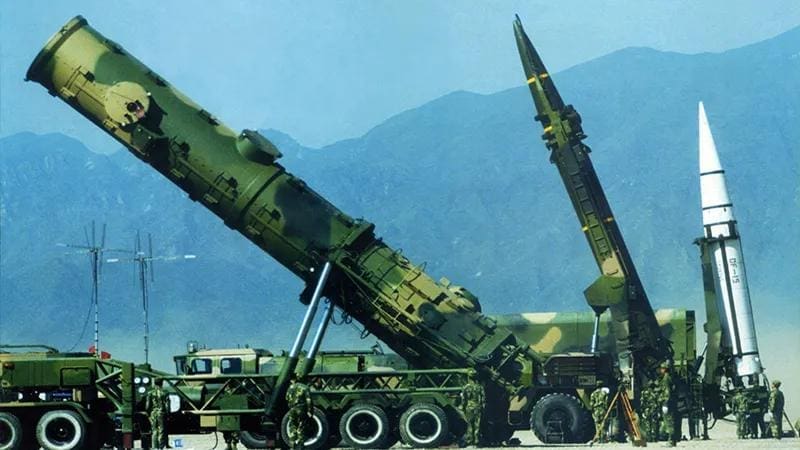
DF-41 missile.
- DF-31AG, with a range of approximately 11,000 kilometres.
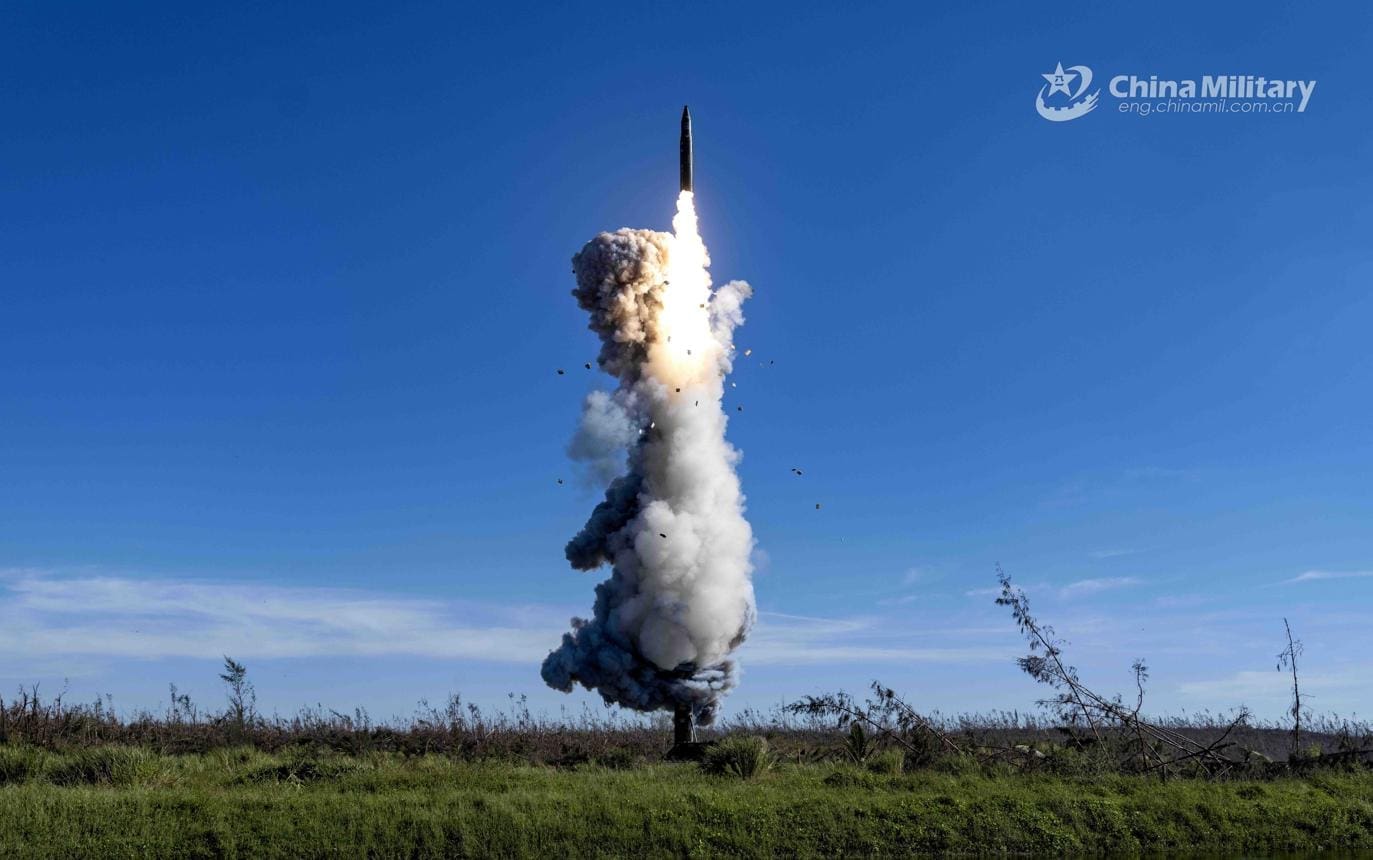
- DF-5B/C, with a range of between 13,000 and 15,000 kilometres.
- DF-26, with a range of approximately 4,000 kilometres and a speed of approximately Mach 18, nuclear and conventional.
- DF-21D, with a range of approximately 1,500 kilometres and a speed of more than Mach 10, anti-ship.
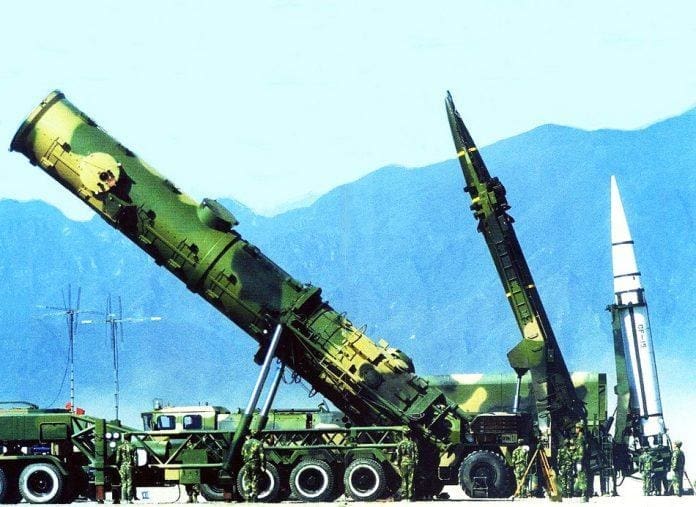
DF-21D missile.
- DF-17, a hypersonic glide vehicle missile announced at a 2019 military parade, with a range of between 1,800 and 2,500 kilometres and a speed of approximately Mach 10.
- DF-100, a cruise missile with a range of between 2,000 and 3,000 kilometres.
- DF-ZF, a hypersonic glide vehicle with a range of approximately 1,200 kilometres.
- JL-2, with a range of approximately 7,400 kilometres, submarine-launched.
- JL-3, the new generation, with a range of approximately 12,000 kilometres, submarine-launched.
- CM-401, an anti-ship missile with a range of approximately 290 kilometres.
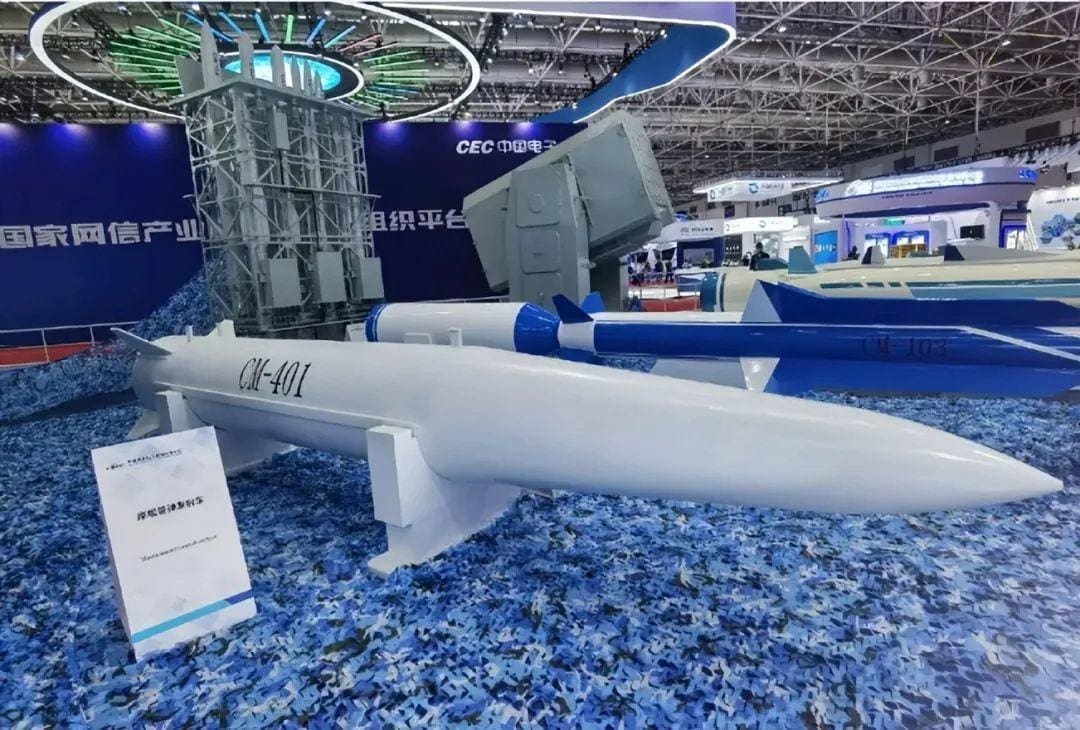
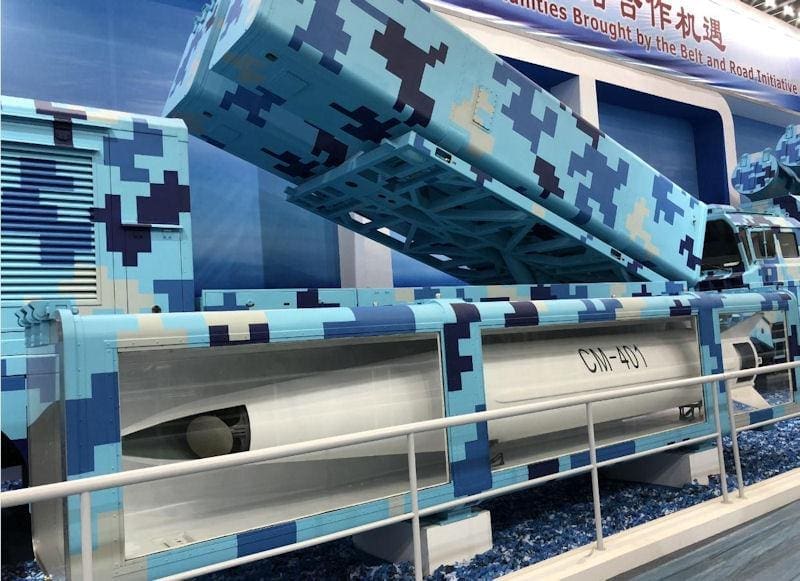
CM-401 missile.
Field Uses
China has not so far used its missiles directly in international conflicts, but it used Dong Feng missiles in large military exercises around Taiwan in 2022 and 2024 as a deterrent message. It also used DF-21D and DF-26 missiles in exercises against naval targets simulating aircraft carriers.
Models Under Development
- DF-27, a long-range missile believed to carry a hypersonic glide vehicle and anti-ship and land-attack capabilities.
- Starry Sky-2, a hypersonic wave-rider vehicle that uses self-propulsion and will enter service soon.
- Type 096 submarine, the next generation of Chinese strategic nuclear submarines, which will carry JL-3.
- The Fractional Orbital Bombardment System, a system that places warheads in low Earth orbit before directing them, which China tested in 2021.
Exports
China is one of the largest exporters of ballistic missiles in the world.
- Saudi Arabia bought medium-range DF-3A missiles in 1988 and later DF-21, reportedly with the approval of the American Central Intelligence Agency.
- Pakistan received Chinese ballistic missiles and nuclear technologies and produces joint missiles such as the JF-17.
- Iran is supplied by China with missile and drone components, and is currently negotiating for CM-302 anti-ship missiles.
- Bangladesh, Myanmar and Nigeria are major importers of Chinese weapons.
- Serbia bought advanced Chinese air defence systems in 2020.
- The UAE bought Chinese L-15 training aircraft in 2022.
Strategic Comparison
America works to protect its international system and conventional deterrence. It possesses approximately 1,550 deployed nuclear warheads, is the most advanced in conventional precision, has used its missiles worldwide in Iraq, Syria and Afghanistan, and exports to its allies, dependent states, NATO and Asia.
Russia plays the role of nuclear deterrence and preserving geopolitical influence. It possesses approximately 1,588 deployed nuclear warheads, is advanced in hypersonics with the Kinzhal and Zircon, has used its missiles in Ukraine and Syria, and exports to India, Iran and Algeria.
China seeks to break the siege and build global power. It possesses approximately 500 nuclear warheads but is expanding rapidly, is the most advanced in hypersonics with the DF-17 and the Fractional Orbital Bombardment System, has used its missiles as a deterrent in exercises around Taiwan, and exports to Saudi Arabia, Pakistan and Iran.
The Chinese experience cannot be judged conclusively without testing its weapons in the field.
List of references:
- Congressional Research Service, Selected Foreign Ballistic and Cruise Missiles, report no. RL30427, 2026.
- Association of the United States Army, Development of Hypersonic Weapons in China, Russia and the United States, LWP143.
- Defense Intelligence Agency, Nuclear Challenges 2024.
- Atlantic Council, From Drones to Missile Fuel: China and Russia Help Iran Through Supply Chains, 2026.
- Congressional Research Service, Hypersonic Weapons: Background and Issues for Congress, report no. R45811, 2025.
- US Department of Defense, Weapons Budget for Fiscal Year 2026, 2025. Al Jazeera Net reports.
- Defense Arabia, The Chinese Army: A Massive Military Force Seeking Technological Superiority, 2025.
- Sputnik Arabic, Information on the Russian missiles Kalibr and Iskander, 2024.
- Bulletin of the Atomic Scientists, American Nuclear Weapons 2026.
- Arms Control Association, US Nuclear Modernisation Programmes, update 2024.
- Congressional Research Service, China: Nuclear and Missile Proliferation, report no. IF11737, 2025.
- War on the Rocks, How the Trump Administration Can Restrict Chinese Arms Exports, 2025.
- Spencer Guard, The War Reveals the Truth: Backward Russian and Chinese Weapons, 2026.
- Washington Institute, What Russian-Iranian Arms Deals Mean for the Middle East, 2023.
- Defense and Security Monitor, Iran Turns to Russia and China for Missiles After the 12-Day War, 2026.
- Arms Control Association, Global Ballistic Missile Inventory, 2020. Al-Khandaq; Wall Street Journal, Hypersonic Missiles Change the Rules of the Game and America Does Not Have Them, 2023.


