


The United Nations refugee agency said Mauritanian authorities rescued more than 200 migrants in recent days off the country's coast, while 144 people were reported dead or missing after two boats heading for the Spanish Canary Islands ran into difficulties in the Atlantic Ocean.
These incidents again highlight the dangers of the migration route from West Africa to the Spanish archipelago, which has become one of the deadliest sea migration routes in the world due to the long distance, difficult sea conditions, and migrants' reliance on dilapidated boats.
Boat Adrift for 25 Days
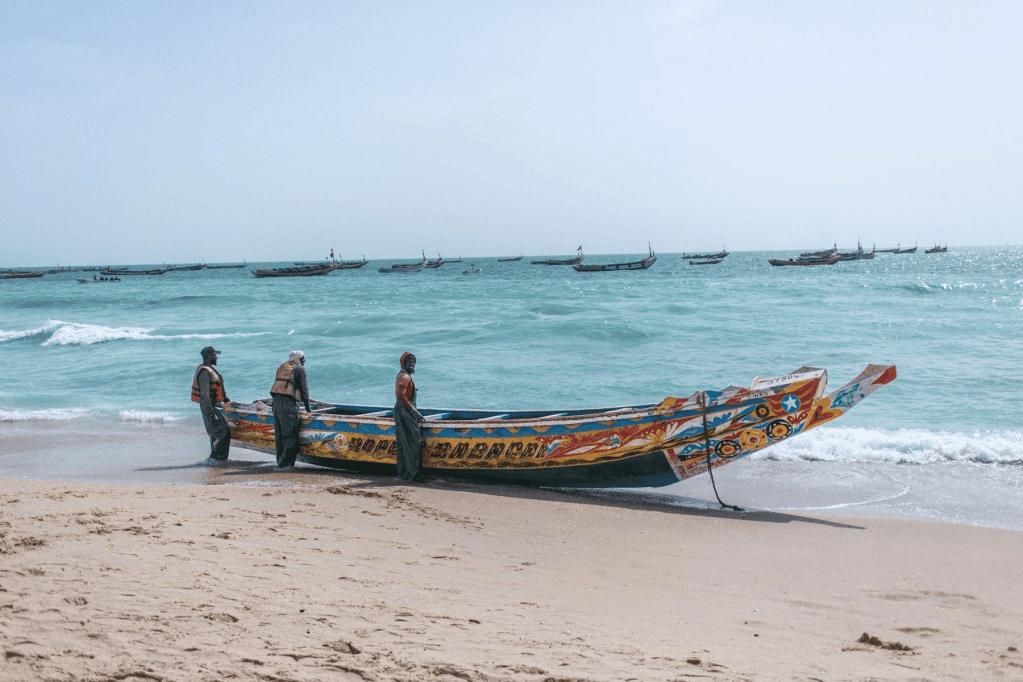
One rescue operation began after Mauritanian authorities received a report about a boat carrying around 160 people that had departed from the Bufalotto area in Gambia. The boat suffered a technical failure and ran out of fuel, remaining adrift at sea for about 25 days before entering Mauritanian waters.
The UN agency said rescue teams found 37 survivors and recovered the body of at least one person when the boat reached the shore on 18 July.
Among the survivors are two children who lost all members of their families during the journey and are receiving treatment in hospital, according to the agency's spokesperson Matt Saltmarsh.
Another deceased person was found on a separate boat that reached Mauritania on 14 July.
Rising Deaths on the Atlantic Route
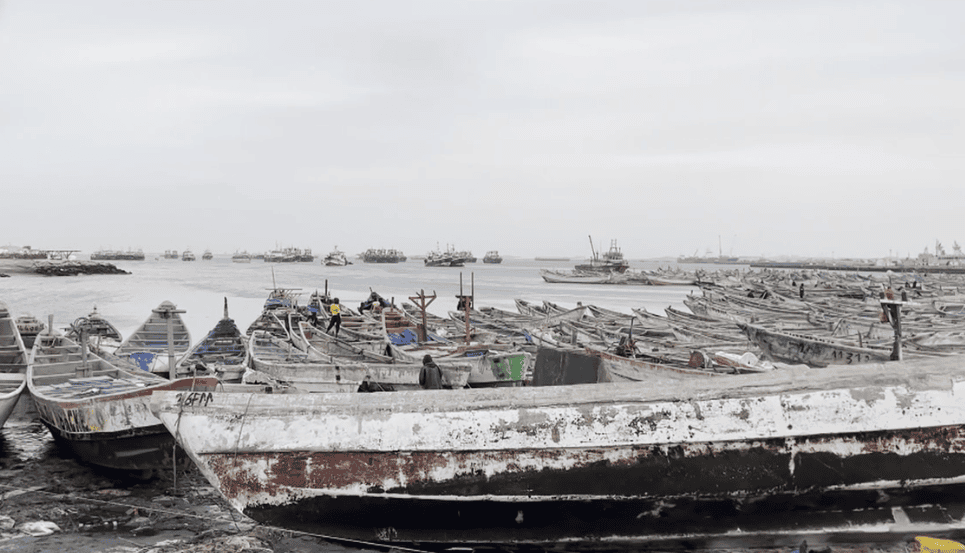
The refugee agency confirmed that these incidents are part of a recurring pattern of deaths and disappearances on the Atlantic route, where migrants from West Africa continue to attempt to reach the Canary Islands despite the great risks.
The agency called for more education and employment opportunities in African countries to reduce young people's reliance on unsafe migration routes, noting that deaths remain at worrying levels despite a decline in the number of arrivals in Europe compared with last year.
Mauritania Between Hosting Refugees and Tightening Border Control
Mauritania faces increasing pressure due to its geographic location close to the Atlantic migration route, in addition to the influx of large numbers of people fleeing crises in the Sahel region, particularly from Mali, which is witnessing conflicts between armed groups, government forces, and Russian-backed groups.
Mauritania has received large numbers of Malian refugees, but it has also become a stopping point where some migrants wait after tighter coastal surveillance under cooperation agreements with European countries aimed at curbing irregular migration.
Critics argue that reducing transit routes without providing safe and legal alternatives pushes more people to risk their lives at sea.
Germany Strengthens Cooperation with Nouakchott on Migration
The recent rescue incidents coincided with Germany and Mauritania strengthening their cooperation in the fields of migration, security, and development.
German Foreign Minister Johann Wadephul visited the Mauritanian capital, Nouakchott, to discuss political relations, economic cooperation, and investments, at a time when Berlin and the European Union increasingly rely on African partners to help reduce irregular migration.
Germany affirmed its interest in cooperating with Mauritania in the areas of renewable energy, green hydrogen, infrastructure, and trade, alongside migration and security files.
Berlin also praised Mauritania's role in stabilising the Sahel region and its hosting of more than 300,000 refugees from Mali, describing it as an important partner in a region experiencing growing security instability.
The recent incidents reaffirm the scale of the challenges facing Mauritania, Spain, and the European Union in dealing with the Atlantic migration route. While rescue and surveillance efforts continue, the sea keeps claiming the lives of those seeking a path to Europe.


