


Mauritania is positioning itself as one of the largest countries on the African continent in hosting refugees, while facing mounting humanitarian and climate challenges amid the arrival of thousands of people fleeing conflicts and crises in neighbouring countries, particularly Mali and other neighbours.
Refugee Numbers and Distribution
According to data from the Office of the United Nations High Commissioner for Refugees, Mauritania hosts more than 288,000 refugees and asylum seekers, most of them from Mali, with the number expected to rise to around 318,000 by the end of 2025 as the flow of people fleeing conflict and deteriorating security in the Sahel region continues.
The Mauritanian government follows an "open door" policy, granting refugees the right to residence and work, and encouraging their integration into the education and health systems alongside citizens, an example of humanitarian practice praised by international organisations.
Climate and Economic Challenges
However, this humanitarian role has not come without cost. The desert region of Mauritania is experiencing rising climate challenges such as drought and increasing desert temperatures, which compound the difficulties of livelihoods for both host communities and refugees, who barely find sufficient resources for water, farming and herding.
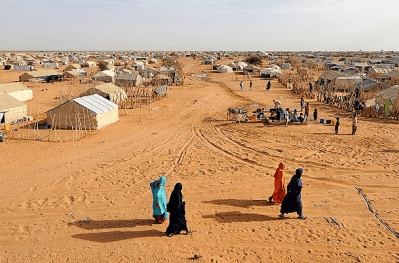
The Mbera refugee camp in the Hodh Ech Chargui region faces a difficult humanitarian situation due to severe overcrowding and a shortage of basic services, while a large number of refugees living outside the camp endure fragile conditions, facing challenges in accessing education, healthcare and food security.
Experts believe that Mauritania's refugee crisis results from complex interactions between armed conflict and climate pressures that push families to seek safe refuge, while the capacity of the state and the international community to respond to these vast numbers remains limited due to available resources.
Mauritania provides a humanitarian haven by hosting refugees in Africa, but mounting climate pressures and growing humanitarian needs pose a significant challenge to its government and the international community, at a time when the flow of people towards its territory in search of safety and stability is intensifying.


