

Mali's fuel crisis reaches a critical stage as war continues
Facing the repercussions of tensions in the Strait of Hormuz and internal security challenges affecting fuel convoys, the Malian government is relying on a monitoring system and structural measures to protect its strategic sectors, amid heavy dependence on regional trade.
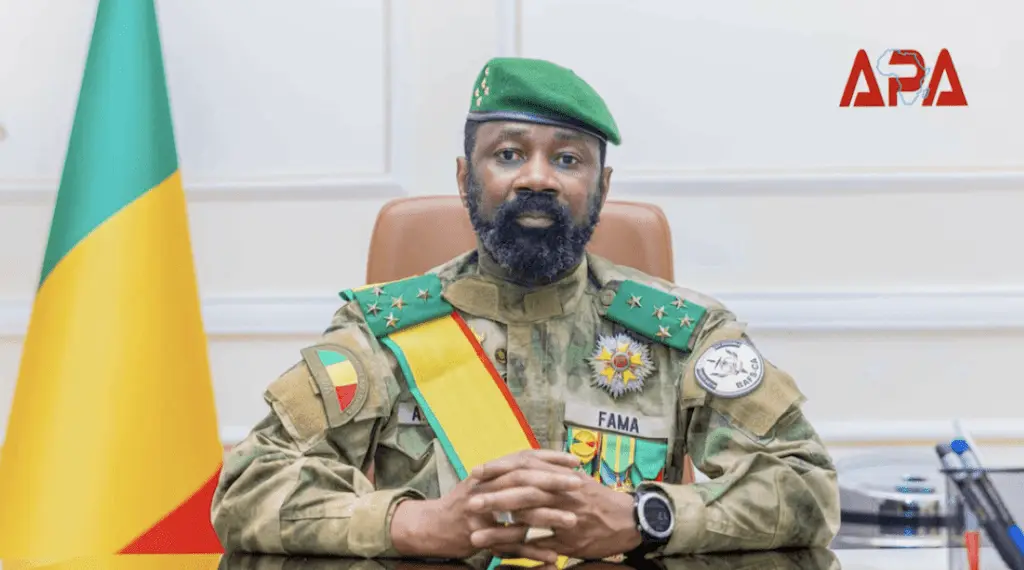
The Malian government expressed concern about the impact of geopolitical tensions in the Middle East on the national economy during a Council of Ministers meeting held on Thursday, 26 March, at the Koulouba Palace, chaired by Head of State General Assimi Goïta.
The regional crisis is unfolding amid continued instability in the Gulf, with disruptions to maritime navigation in the Strait of Hormuz, a strategic waterway through which a large share of global oil trade passes, posing risks to energy supplies for importing countries such as Mali.
According to the Minister of Industry and Commerce, this situation may affect supply chains linking Asia, Europe and Africa, impacting access to petroleum products and essential goods.
This vulnerability is compounded by Mali's heavy reliance on regional trade corridors, particularly with Senegal. According to the monthly bulletin of external trade statistics issued by the National Agency for Statistics and Demography, Mali was Senegal's largest trading partner in January 2026, absorbing 17.5% of Senegalese exports, out of a total export volume estimated at about 412.6 billion CFA francs.
This central position highlights the strategic importance of trade flows between the two countries, especially in terms of energy, food and manufactured goods.
In anticipation of the combined effects of these dependencies and international tensions, a response plan has been drawn up in cooperation with the Ministry of Economy and Finance, centred on ten key areas. The plan includes a monitoring system based on indicators with alert thresholds, allowing the government to adjust its measures according to developments in the situation.
This caution comes in a national context already marked by tensions in fuel supply chains, linked to attacks targeting logistics convoys.
However, in recent months a relative improvement in the situation has been observed on some roads.
According to unconfirmed reports, this calm is linked to negotiations between the Malian authorities and jihadist groups, which reportedly led to the release of around one hundred fighters. The transitional authorities have not yet confirmed these details.
In this dual context of external and internal pressures, the government intends to strengthen the resilience of the national economy and secure strategic supply chains.
APA News


