


In a move that reflects the sensitivity of the Rohingya refugee file, Malaysia has announced that its plan to return a first group of some 5,000 Rohingya refugees to Myanmar will not proceed if it is established that their return would expose them to persecution or threaten their lives.
Malaysian Communications Minister Fahmi Fadzil said on Wednesday, 5 August 2026, that the government is still studying the details of the proposed return plan, including determining the individuals who will be covered by the decision, affirming that the safety of refugees will be a priority before any step is taken.
This follows an announcement by Malaysian Prime Minister Anwar Ibrahim on 29 July that Myanmar had agreed to receive 5,000 refugees currently in Malaysia, following bilateral negotiations between the two countries.
However, the new Malaysian announcement places the safety condition at the forefront of any return process, at a time when Myanmar continues to suffer from internal conflict and a deep humanitarian crisis, while the Rohingya face a long history of persecution and deprivation of citizenship.
Return Conditioned on Safety
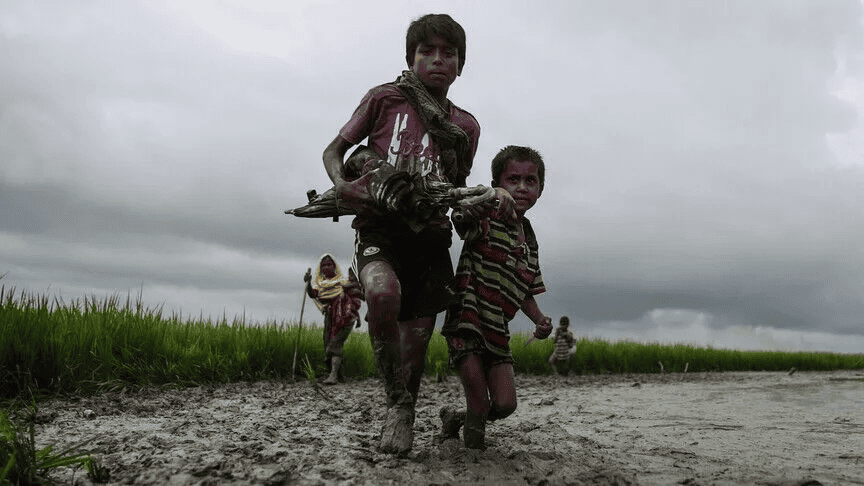
The Malaysian government has affirmed that Myanmar's agreement to receive refugees does not automatically mean that the return process will begin.
Fahmi Fadzil said that Malaysia "will not send" refugees if they are at risk of persecution or if their lives could be endangered, noting that the Ministry of Foreign Affairs and the relevant government bodies are studying a number of issues with the military council government in Myanmar before moving forward.
But the harder question remains: are the conditions currently present in Myanmar that would make the return of the Rohingya safe and sustainable?
A Crisis That Has Not Ended
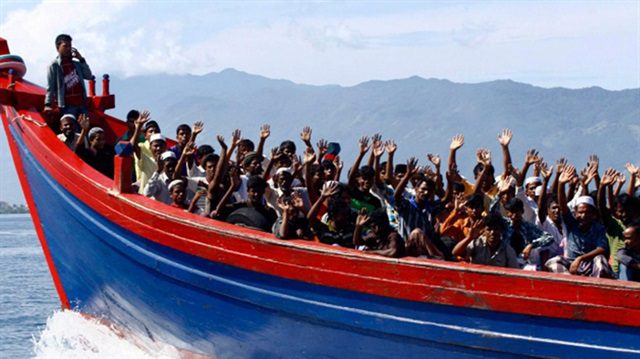
The Rohingya are a stateless Muslim minority in Myanmar who have been subjected to decades of discrimination and persecution, with hundreds of thousands fleeing Rakhine State since the military crackdown of 2017.
The humanitarian crisis remains ongoing to this day. In July, the United Nations High Commissioner for Refugees and the International Organization for Migration warned of reports that more than 500 people went missing after two boats carrying refugees, most of them Rohingya, capsized off the coast of Myanmar.
These incidents reveal that the conditions driving the Rohingya to risk their lives at sea have not disappeared; rather, continued conflict and instability in Myanmar remain key factors in the displacement crisis.
Between Diplomacy and the Reality on the Ground
For Malaysia, the agreement with Myanmar represents an attempt to address the refugee file, which has become a complex domestic and regional issue. However, dealing with the Rohingya specifically is more sensitive, because Myanmar does not recognise them as a legal ethnic group, raising questions about their status and rights if they return.
There is also a divergence in accounts regarding the identity of the individuals covered by the return plan. The Malaysian Prime Minister spoke about the Rohingya, while Malaysian authorities said in a different context that verification processes target citizens of Myanmar, with confirmation that determining the beneficiaries of the process and their legal status is still under review.
This makes the process of verifying refugees' identities and legal status an essential step before any return.
A Crisis Beyond Malaysia
The Rohingya are not experiencing a transient refugee crisis, but one of the longest humanitarian crises in Southeast Asia.
Malaysia hosts a large number of Rohingya, while more than one million live in Bangladesh, particularly in the Cox's Bazar camps, after fleeing Myanmar.
Amid shrinking humanitarian aid and deteriorating living conditions, some Rohingya continue to attempt to reach Southeast Asian countries by sea. In July, the UNHCR and the International Organization for Migration announced that more than 500 people are believed to have lost their lives in two maritime incidents off Myanmar.
Thus, the return of 5,000 people from Malaysia to Myanmar cannot be viewed merely as a deportation or refugee return operation, but as a test of both countries' capacity to provide security, basic rights and protection from persecution.
The Real Test: Is Return Safe?
Through its recent statements, Kuala Lumpur is attempting to affirm that the return will not be carried out blindly, and that the lives of the Rohingya will be a fundamental criterion in the decision-making process.
However, the success of any return operation will not be measured by the number of people leaving Malaysia, but by their ability to return to a safe and stable life, with their basic rights guaranteed and without facing renewed persecution or displacement.
The UNHCR affirms that sustainable return requires addressing the root causes of displacement, along with providing freedom of movement, access to services, documentation and livelihood opportunities, as well as conditions that allow for safe and dignified return.
In this way, the plan to return the 5,000 Rohingya appears suspended between Malaysia's desire to address the refugee file and the reality in Myanmar, which has not yet reached a stage where safe return can be guaranteed.
The real decision will not lie in signing an agreement to return refugees, but in answering one question: can the Rohingya return to Myanmar without the fear that drove them to flee in the first place returning with them?


