

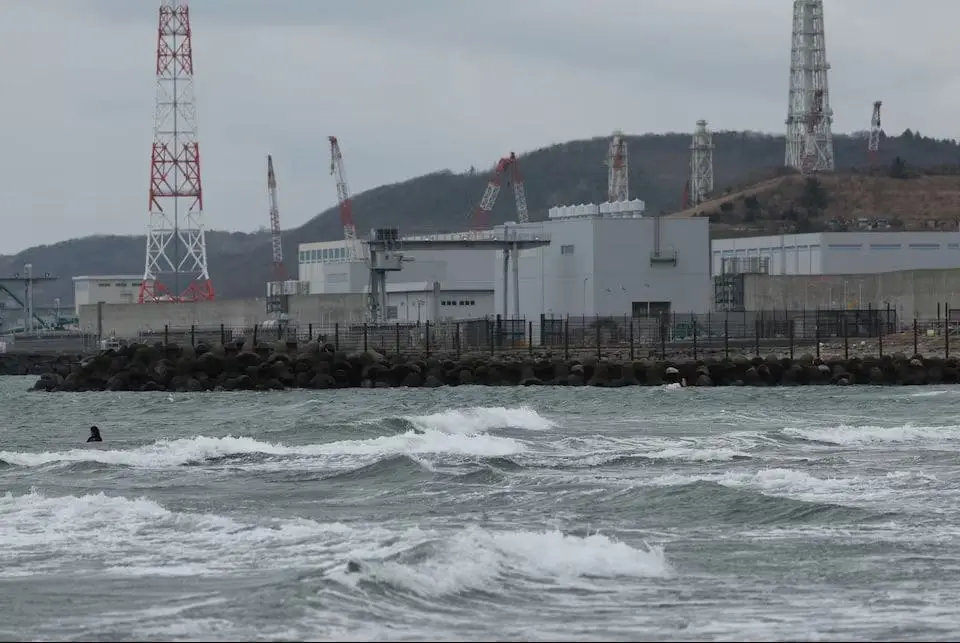
Japan has taken the final step to allow the world's largest nuclear power plant to resume operations, through a regional vote on Monday, at a turning point marking the country's return to nuclear energy nearly fifteen years after the Fukushima disaster.
The Kashiwazaki-Kariwa plant, located about 220 kilometres northwest of Tokyo, was among 54 reactors shut down after the earthquake and tsunami of 1432 AH (2011 CE) caused severe damage to the Fukushima Daiichi plant, in the worst nuclear disaster since Chernobyl.
Since then, Japan has restarted 14 of the 33 reactors that remain serviceable, in an effort to reduce its dependence on imported fossil fuels. The Kashiwazaki-Kariwa plant will be the first to be operated by Tokyo Electric Power Company (TEPCO), which managed the tragic Fukushima plant.
On Monday, the Niigata Prefectural Assembly approved a vote of confidence in the prefecture's governor, Hideo Hanazumi, who had supported the restart last month, effectively paving the way for the plant to begin operating again.
One member of the assembly opposed to the restart told his fellow lawmakers before the vote: "This is nothing but a political compromise that does not take into account the will of the people of Niigata."
Outside, some 300 protesters stood in the cold holding placards reading "No to nuclear," "We reject the restart of Kashiwazaki-Kariwa," and "Support Fukushima." One protester asked into the microphone: "Is TEPCO qualified to run Kashiwazaki-Kariwa?" and the crowd loudly responded: "No!"
TEPCO is considering reactivating the first of the plant's seven reactors on January 20, according to the public broadcaster NHK.
TEPCO spokesperson Masakatsu Takata said: "We remain firmly committed to not repeating such an accident and ensuring that the people of Niigata do not go through a similar experience," noting that he declined to comment on the timing of the restart.
Earlier this year, TEPCO pledged to invest 100 billion yen (641 million dollars) in the prefecture over the next ten years in an effort to win the support of the people of Niigata. However, a survey published by the prefecture in October showed that 60% of residents do not believe the conditions necessary for the restart have been met, while about 70% expressed concern about TEPCO's management of the plant.
Reuters.


