


Israeli occupation forces continue to expand their military operations inside Syrian territory, while the political and military leadership affirms that it does not intend to withdraw from the areas it controls in Gaza, southern Syria and southern Lebanon. This signals an Israeli direction towards entrenching a long-term presence on these fronts, despite international criticism and ongoing regional tensions.
Growing incursions in Daraa and Quneitra countryside
Southwestern Syria witnessed a new escalation in recent days, as Israeli forces carried out a series of military operations in the governorates of Daraa and Quneitra, amid reports documenting at least 22 Israeli incursions into the area since the beginning of the month.
Among the most prominent areas to witness the latest escalation was the town of Maariyah in the western Daraa countryside, located between the occupied Syrian Golan and the Jordanian border, after residents protested the increasing Israeli military presence around the town.
According to reports, residents closed the rural road leading to one of the Israeli military sites with stones, in an attempt to prevent the movement of military vehicles, before Israeli forces forcibly removed the obstacles.
Gunfire on civilian homes
The matter did not stop at removing the barriers. Reports indicated that Israeli forces opened heavy machine-gun fire towards civilian homes in the town of Maariyah, damaging a number of houses and causing panic among residents.
No confirmed information was available on deaths or injuries resulting from the attack. However, the targeting of residential areas has raised fears of a new escalation that could aggravate the suffering of civilians in the area.
Raids in Quneitra
In the Quneitra governorate, Israeli forces continued carrying out incursions into a number of villages. Their forces entered the village of Basali and searched residents' homes, and carried out another operation in the town of Al-Mualaqa, where they set up a temporary military checkpoint.
Reports indicate that these checkpoints often last only a few hours and disrupt the movement of civilians. It was also reported that one person was detained during one of the operations before being released after less than an hour.
Tel Aviv: We will not withdraw from Gaza, Syria or Lebanon
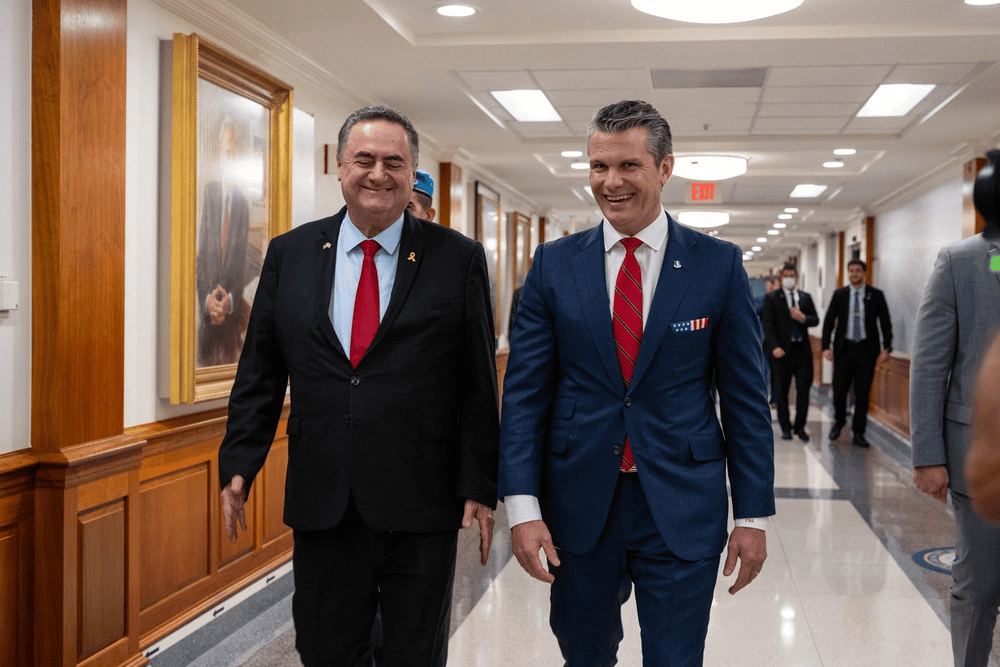
Alongside these field movements, Israeli Defense Minister Israel Katz announced during a phone call with US Defense Secretary Pete Hegseth that "Israel" does not intend to withdraw from the areas it controls in Gaza, Syria and Lebanon.
According to a statement issued by the office of the Israeli occupation's defense minister, Katz stressed that the Israeli army will continue to remain in what he described as "security zones" to protect Israeli borders and prevent what he considered threats from armed groups.
He added that Tel Aviv "has never asked the United States to defend it on its borders," affirming that the Israeli army will continue to carry out its military missions on its own.
Insistence on occupation and expanding settlements
This position comes days after statements by Katz in which he affirmed that what is called "Israel" will not leave the Gaza Strip even if the Hamas movement disarms, while also announcing plans to establish three "Nahala"-type outposts, settlements that begin as military sites and later turn into permanent civilian settlements.
American media reports also indicated that US President Donald Trump asked Israeli Prime Minister Benjamin Netanyahu to redeploy some forces in Syria and Lebanon. However, current indicators do not show any actual American pressure forcing the occupation to withdraw.
Indeed, following the call with Trump, Netanyahu's office confirmed that the prime minister stressed the need to maintain "security zones" along the border of occupied Palestine, while reports spoke of a desire among Israeli ministers to establish new settlements in southern Lebanon and southwestern Syria.
Continued coordination regarding Iran
The call between Katz and Hegseth also addressed developments in the war between the United States and Iran, amid continued American strikes against Iranian targets.
Although Tel Aviv has not directly participated in those attacks so far, Israeli officials, including the defense minister, have repeatedly affirmed that the Israeli occupation army is ready to participate if circumstances require.
Escalation raises concerns
Recent Israeli movements in southern Syria, alongside the announced commitment to remain in the territories it controls, reflect a trend towards consolidating a new field reality that goes beyond temporary military operations to establishing a long-term presence.
This comes at a time when the region is witnessing escalating tensions, including the war in Gaza, American-Iranian confrontations and clashes in Yemen, which raises the possibility of the conflict widening and several fronts turning into open flashpoints that are difficult to contain.


