


The Israeli occupation government honoured a rabbi known for his extremist statements and direct involvement in the demolition of civilian homes in the Gaza Strip, during an official ceremony marking what is called "Independence Day."
According to media reports, Rabbi Avraham Zarbiv was among 14 figures the government described as having "an exceptional contribution to the state and society," and was granted what is called the "honour of lighting the torch" during the official celebration.
Zarbiv is also known as the Jewish judge of an Israeli settlement in the West Bank that is illegal, in addition to his repeated appearances in video clips in which he is seen driving a bulldozer to demolish Palestinian homes inside Gaza.
Shocking statements
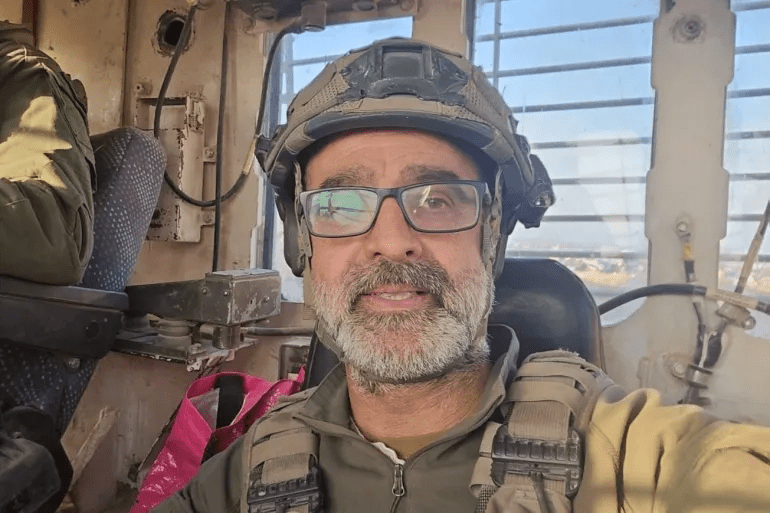
The extremist rabbi had previously sparked wide controversy after public statements in which he called for "levelling Gaza to the ground," boasting of extensive destruction and the targeting of residential areas. In a television interview, he claimed that tens of thousands of Palestinians had been killed, describing scenes of destruction in a shocking manner that drew widespread outrage.
Activists also circulated video clips showing Zarbiv taking part in demolition operations in areas such as Beit Hanoun, vowing to continue "destroying the villages until they are completely removed."
For its part, the Israeli human rights organisation B'Tselem strongly condemned the honour, considering that it reflects "a dangerous entrenchment of the dehumanisation of Palestinians within Israeli society."
The organisation said that awarding one of the highest civilian decorations to a person accused of boasting about destroying civilian homes "constitutes a troubling indicator of these practices becoming part of public discourse."
The honour comes despite an earlier official assessment indicating that Zarbiv violated ethical standards by adopting extremist positions, raising questions about the messages such steps send in the context of the ongoing conflict.
Observers see this event as reflecting the growing polarisation within the occupation government, and raising concerns about the normalisation of violent rhetoric, especially amid the continuation of military operations in Gaza.
This development also deepens the international debate over conduct in the war and possible violations, at a time when calls are increasing to hold those responsible for violations against civilians to account.
Honouring a figure described as a criminal in this manner is not merely a protocol event, but carries deep political and moral implications, and reflects shifts that may have far-reaching repercussions for the course of the conflict and the future of the region.


