


Over recent years, a segment of the American right has undergone a striking shift in how it views Islam and Muslims. Where Islam had been present in conservative discourse as an external threat to Western civilisation, some influencers on the new right have begun treating it as a model of discipline, strength, identity and adherence to traditional values.
According to a reading by the British magazine New Statesman, this shift does not appear to be the product of a comprehensive religious or intellectual reassessment so much as it reflects a crisis within a section of the Western right itself: a crisis concerning the West's image of itself, and a sense among some of its figures that Western societies have become more individualistic and less connected to religion, family, authority and traditional values.
An inversion of the old image
Islam had long occupied a central place in the discourse of the conservative American right as one of the sources of threat to Western civilisation, particularly after the attacks of 11 September. But the new current, which has grown largely through digital platforms, has begun to rearrange this image.
Here lies the paradox: the discourse that once regarded Islam as a danger to the West has begun to use some images associated with Islam to attack the West itself.
In this current's view, the problem is no longer only the "other" coming from outside, but the West, which they believe has lost its capacity to produce meaning, values and discipline from within.
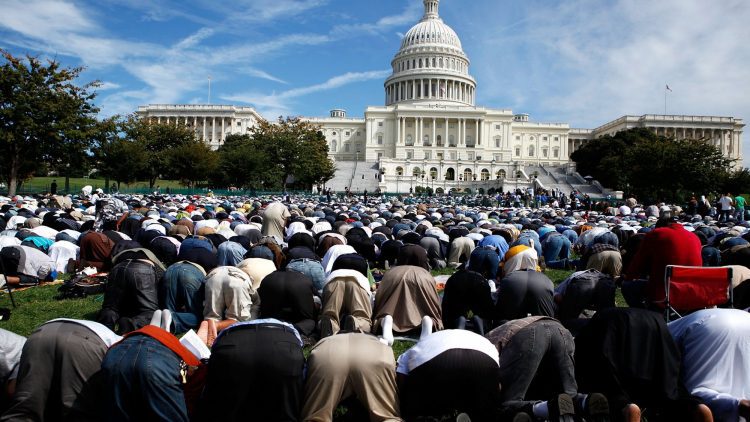
Tucker Carlson: from warning about Islam to admitting error
The American broadcaster Tucker Carlson stands out as one of the clearest examples of this shift.
Carlson, who previously used highly critical rhetoric about Islam, later acknowledged that his earlier view had been exaggerated. He said he had believed the problem lay in Islam and Muslims, before describing that outlook later as having reached the level of "hysteria".
In 2025, corresponding to 1446–1447 AH, the shift became more visible when Carlson criticised attacks on American Muslims and began speaking more positively about some aspects of Muslim societies.
But this shift does not mean that Carlson has moved to an Islamic position in a religious or political sense. It reflects, rather, a repurposing of some images associated with Islam in a broader battle he wages against what he regards as a Western civilisational crisis.
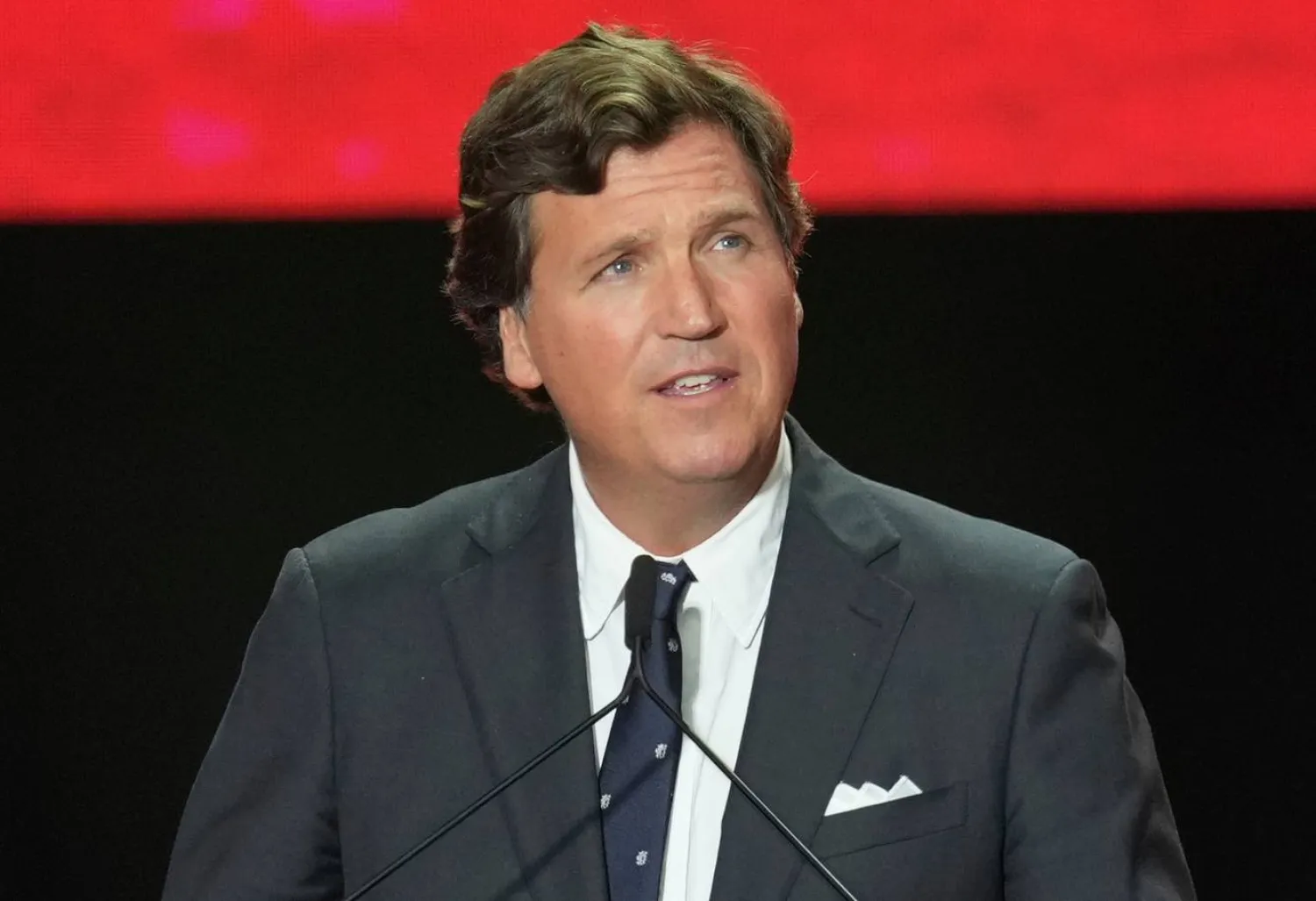
Andrew Tate: Islam as digital identity
Andrew Tate presents a different and more explicit model of using Islam within his public image.
After converting to Islam, religion became for him not merely a doctrinal matter, but also part of the identity he presents to a wide audience of young people online.
Here a fundamental problem in reading this phenomenon emerges: the Islam that appears in the discourse of some of these influencers is not necessarily Islam as a complete faith, law and moral system, but a selective Islam in which certain symbols are extracted to serve a pre-existing political and cultural discourse.
What is wanted, in many cases, is not a rebuilding of the relationship with religion, but the discovery of a reference that lends symbolic legitimacy to their discourse on strength, identity and discipline.
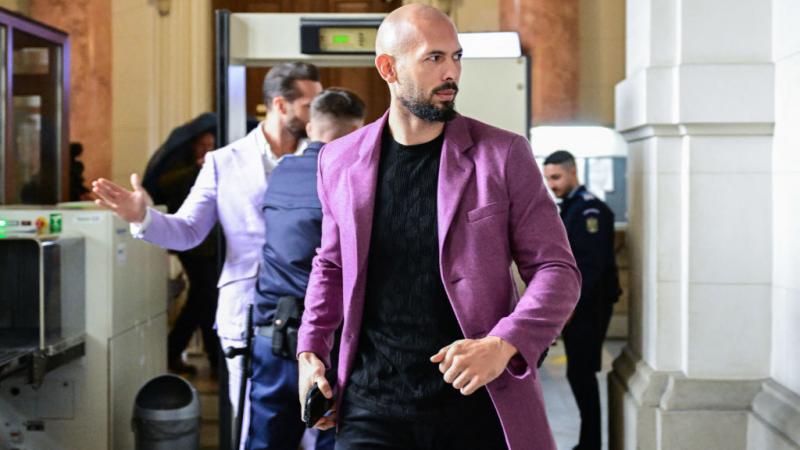
"Islam without Islam": the most provocative idea
This point is at the heart of the reading offered by writer Travis Alexander in the New Statesman. He argues that some figures of the new right want to benefit from the image of Islam without necessarily committing to all of its religious and moral requirements.
In other words, these figures may admire what they see in Muslim societies, such as discipline, family, identity and hierarchy, without this implying adoption of Islam as a religion with a complete system of worship, legislation, values and responsibilities.
From here the writer introduces the notion of "Islam without Islam": treating Islam as a cultural and civilisational symbol that can be used to critique the West, rather than as a faith to be embraced and practised.
This distinction matters for understanding the phenomenon, because rising admiration for some aspects of Islamic life does not necessarily mean a broad religious transformation within the American right.
Why has Islam become attractive to this current?
The main motive can be reduced to a single question: what do these figures believe the West has lost?
The answer offered by the new discourse centres on a set of concepts: family, discipline, identity, authority, religion, moral boundaries, and a sense of belonging to a community larger than the individual.
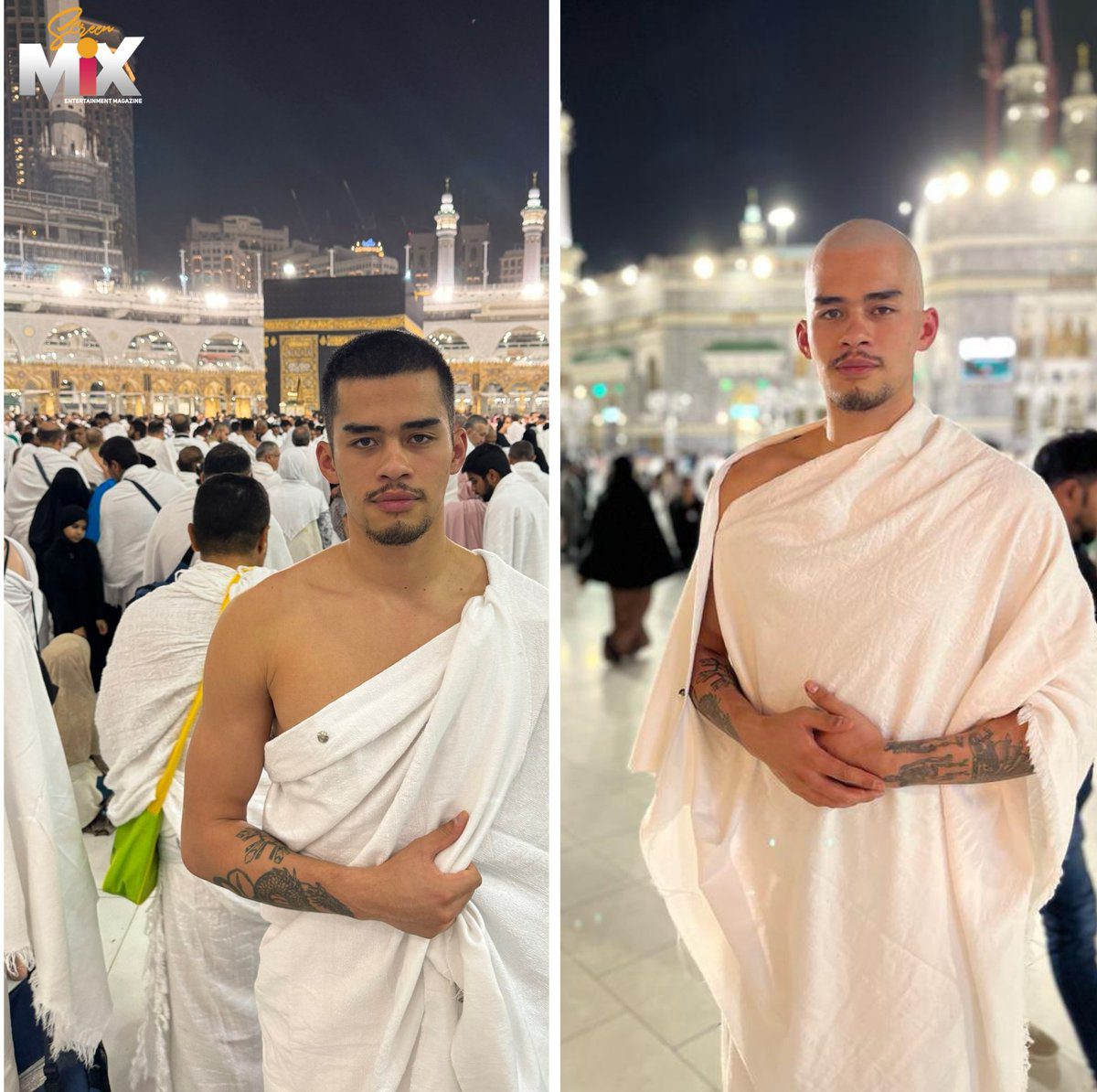
At this point Islam appears as an imagined counterpart to this picture. In their view, it is a religion that still possesses clear rules, a strong family institution, a defined moral order and a powerful sense of collective belonging.
This does not necessarily mean that the picture they rely on is accurate or comprehensive. It reflects a psychological and political need for a model opposed to the West they criticise.
The crisis of the West matters more than an Islamic turn
The New Statesman's analysis suggests that understanding this phenomenon begins with the West itself rather than with Islam. If Islam has moved in some of these figures' discourse from the position of "threat" to that of "model", the fundamental change may lie not in Islam but in these figures' view of their own society.
They are not necessarily searching for a new religion, but for an answer to a crisis they see as afflicting Western societies: declining trust in institutions, weakening social bonds, rising individualism, a receding role for religion, and conflict over the roles of the sexes, the family and identity.
Admiration for Islam here is therefore inseparable from rejection of core aspects of contemporary Western culture.
Sneako: Islam enters the world of young influencers
The trend is not confined to large names such as Carlson and Tate. The American influencer Sneako represents a model more closely tied to internet culture and young audiences.
According to the article, his interest in Islam was linked to the world of influencers, and in particular to the influence of Andrew Tate. He began posting content related to mosques and Qur'an recitation alongside content on sport, discipline and self-improvement.
This makes the phenomenon more complex, because the boundaries between genuine belief, cultural influence, the construction of a media image and the political use of religion become highly intertwined.
Bronze Age Pervert: Islam as the opposite of "Western softness"
"Bronze Age Pervert" represents another level of the phenomenon. He does not embrace Islam, but uses some Muslim societies in his critical vision of the West as examples of civilisations that, in his view, have not surrendered to individualism, weakness and what he describes as "softness".
This shows that influence does not necessarily require conversion to Islam. For some individuals within this current, Islam may become a cultural symbol of a strong and cohesive civilisation, even where there is no desire to adopt the religion itself.
From the neoconservatives to the digital right
This shift also reveals a profound change in the structure of the American right. The neoconservatives who dominated a large part of conservative discourse over past decades viewed Islam from a quite different angle, linking it to the image of external threat, the war on terror and civilisational conflict.
The new digital right, by contrast, starts from a different question: why has the West become weak?
It may therefore reach a conclusion that appears entirely contradictory to the old discourse: perhaps Islam possesses some of the elements the West needs in order to regain its strength.
But which Islam are they talking about?
The problem is that the Islam presented by these influencers is often a selected image. When the focus falls on discipline, authority, family and traditional roles, while spiritual, moral, devotional, humanitarian and legislative dimensions are ignored, the result is a partial picture that does not reflect Islam in all its dimensions.
At the same time, the interest of some Western figures in Islam should not be reduced entirely to a political or media stratagem. Some individuals may undergo a genuine religious transformation. But the phenomenon the article discusses is broader than individual conversions, because it is tied to the rise of a political and cultural current seeking an alternative to the prevailing Western identity.
A historical paradox
The great paradox is that Islam, which for decades was used in American right-wing discourse as evidence of a "danger coming from outside", is now invoked by some figures of the new right as evidence that collapse from within can be resisted.
Islam itself has not changed in this equation so much as the questions the right asks itself have.
In this sense, the shift in discourse reveals a crisis of Western identity more than a collective turn towards Islam.
The new right searches for meaning
In the end, the matter does not appear to be merely a passing wave of admiration for Islam, nor can it be described as a collective conversion of the American right to Islam.
It is a more complex phenomenon in which the crisis of identity intersects with the rise of digital influencers, the retreat from some neoconservative ideas, anxiety about individualism, and nostalgia for a more rigorous system of values.
In this case, Islam becomes a screen onto which the West's crisis with itself is projected.
Some figures of the new right do not see in Islam a religion they necessarily wish to adopt, but a civilisation they imagine still possesses the strength, discipline, identity and purpose that they believe the West has lost.
Here lies the most important paradox: the current that once saw Islam as a threat to Western civilisation has, under the pressure of its internal crisis, begun to view it as one of the models from which the West might learn how to regain its cohesion.
Yet between Islam as a complete religion and Islam as an idealised image imagined by the new right lies a wide gap. It is this gap that makes the phenomenon worth studying, not as "Islamisation of the American right", but as a reflection of a deep crisis in how some Westerners define themselves and the future of their societies.
Source: New Statesman (UK)


