

Military confrontation between Iran and the United States escalated on Wednesday, 18 November 2026, as Iran's army announced it had targeted US military facilities at Ali Al Salem Air Base in Kuwait, and Bahrain announced it had intercepted Iranian air attacks, following US strikes on the Iranian island of Qeshm in the Strait of Hormuz.
The Iranian attack on Kuwait is the first since early September of this year, while Bahrain has been subjected to three Iranian attacks within a week, amid diplomatic efforts to avoid a renewed war on a broad scale.
Iran Targets Ali Al Salem Air Base
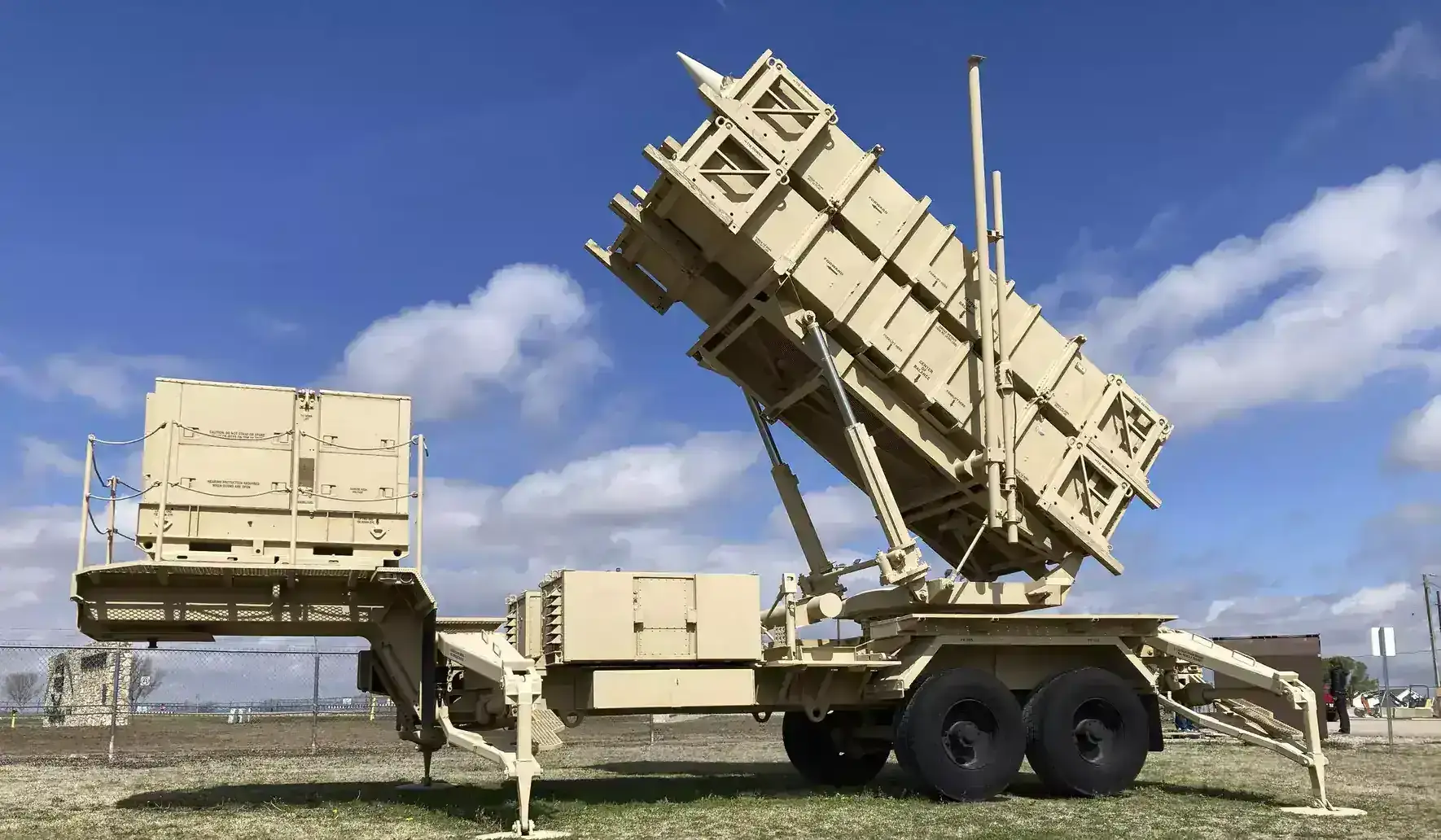
Iran's army announced that its combat and suicide drones targeted US "Patriot" air defence systems and missile and drone launch platforms at Ali Al Salem Air Base in Kuwait.
In response, the General Staff of the Kuwaiti army announced that its air defences had repelled drone attacks, explaining that the sounds of explosions that were heard resulted from the interception of the attacks.
Kuwait affirmed its right to take all necessary measures to protect its sovereignty, territory and vital facilities.
It was not possible to independently verify whether the military facilities that Iran announced it had targeted were hit.
Bahrain Faces Third Attack in a Week
The General Command of the Bahrain Defence Force announced on Wednesday that it had intercepted a number of Iranian air attacks, accusing Tehran of continuing a systematic hostile approach towards the kingdom, which hosts the headquarters of the US Navy's Fifth Fleet.
The Islamic Revolutionary Guard Corps had announced on Tuesday that it had targeted a US military radar system at Sheikh Isa Air Base in Bahrain, in response to what it described as the continued violation of Iranian airspace by US drones.
US Central Command said that the Iranian drones involved in Tuesday's attack were intercepted, with no injuries among its forces and no damage to its equipment.
US Strikes on Qeshm Island
The escalation followed strikes carried out by US fighter jets on Tuesday evening, which targeted a missile launch site on the Iranian island of Qeshm, according to a US military official, who said the operation was a response to Iranian attacks against United States forces and its military assets.
A local Iranian official confirmed the strikes took place, denying that infrastructure had been damaged.
The commander-in-chief of the Iranian army, Major General Amir Hatami, warned that his country would respond more harshly to any new attacks, threatening to expand the geographic scope of the confrontation.
Diplomatic Efforts and Fears of a Wider War
Saudi Arabia's Ministry of Foreign Affairs condemned the Iranian attacks on Kuwait and Bahrain, calling for an end to the assaults and for room to be given to diplomatic and negotiating efforts to resolve the crisis.
For its part, Qatar announced that talks had been held on Tuesday between Qatari and Iranian officials, aimed at bringing views closer and narrowing the gap between the proposals on the table.
These developments coincide with escalating attacks on commercial vessels in the Strait of Hormuz, and disruption to navigation and energy supplies.
The renewal of mutual strikes raises fears of the confrontation widening, especially with Iran's continued targeting of US military facilities located within the territories of Gulf states, which directly exposes those states to the repercussions of the conflict between Washington and Tehran.


