


US Pressure Halts an Israeli Attack on Tehran and Raises the Chances of a Ceasefire Agreement
Over the past few hours, the region has witnessed a rapid military escalation that began with an Israeli strike targeting Beirut's southern suburbs, followed by a response from the Islamic Revolutionary Guard Corps that reached areas in northern occupied Palestine, raising fears of the confrontation expanding into a wider regional war conflict.
On the morning of Monday, the Israeli occupation army carried out limited air strikes on Iranian sites, targeting, among other things, an Iranian petrochemical complex and air defence systems.
In a notable development, US President Donald Trump succeeded in pushing for a halt to the escalation within less than 24 hours of the renewed confrontation, following intense pressure Washington exerted on Tel Aviv to prevent new attacks that could lead to a broad war.
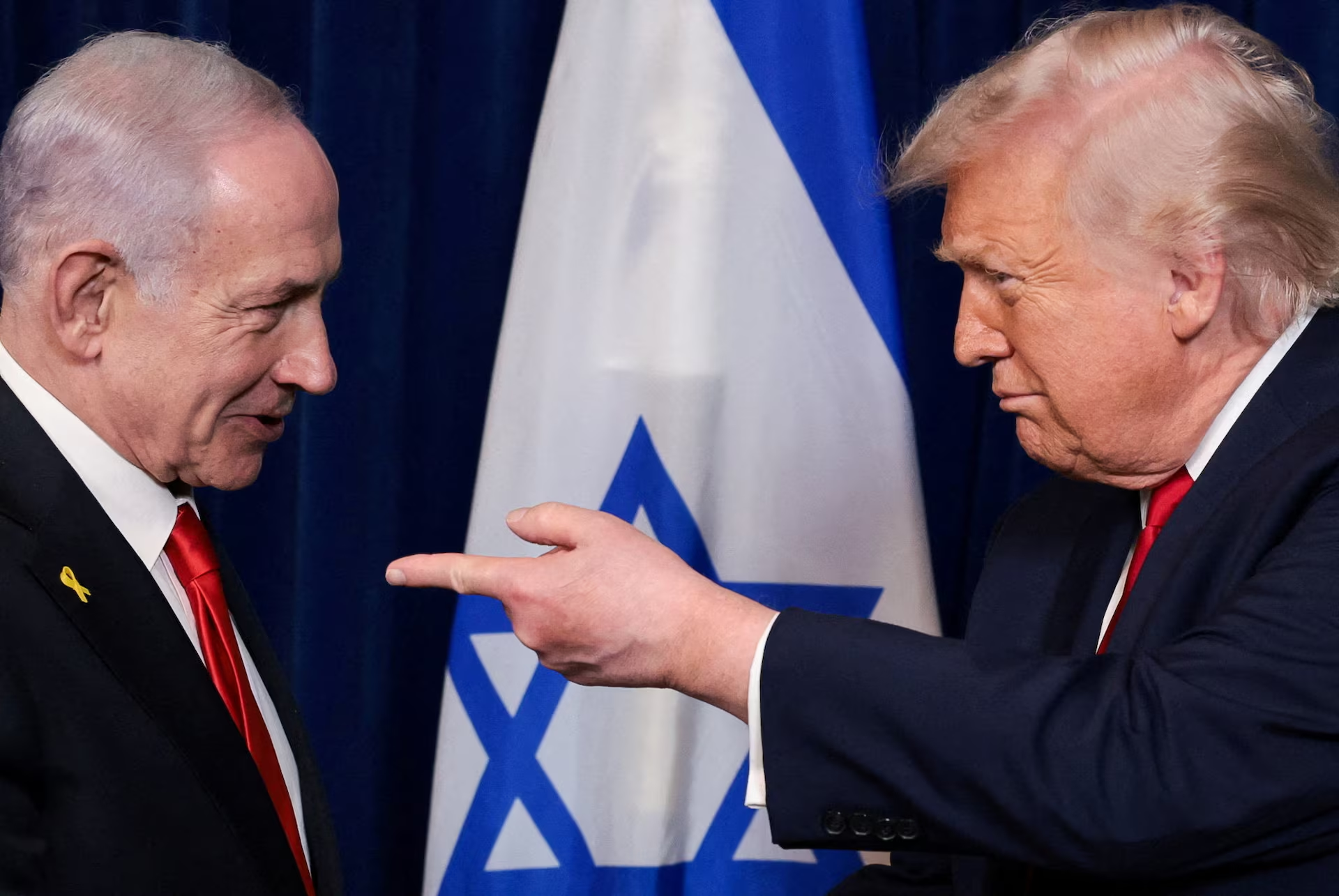
Israel's Channel 12 reported that the United States forced Israeli Prime Minister Benjamin Netanyahu to cancel a large-scale attack against Iran that had been scheduled, minutes before it was to be carried out, during a phone call described as tense and decisive.
For its part, Iran announced the end of its military operations against the "Zionist entity," but warned that any new Israeli attacks on Lebanon or on targets linked to it would be met with a more severe response.
In turn, Netanyahu stated that Israel would respond "with full force" if it were subjected to any new attack from Iran. He also accused Iran and Hezbollah of attempting to impose a "new equation" that would allow Israel to be targeted from Lebanese and Iranian territory without a response.
Israeli Defence Minister Israel Katz announced that any targeting of northern Israeli settlements would be met with the shelling of Beirut's southern suburbs, confirming the continuation of military operations against Hezbollah in Lebanon.
As an indication of the fragility of the current calm, Israel's Channel 14 quoted a senior security official as saying that a return to violent military confrontation with Iran is "a matter of time," and could occur in the coming days if containment efforts collapse.
Could the Calm Open the Door to a Broader Agreement?
Despite the mutual threats, US diplomatic moves indicate an opportunity to reach temporary understandings that would prevent the region from sliding into a comprehensive war.
Observers believe that growing international and regional pressure may push all parties to consolidate the calm in the coming period. However, the continuation of tensions on the ground makes any possible agreement vulnerable to collapse should new attacks or military responses occur.


