

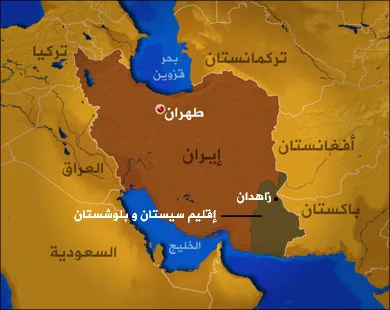
The rights organisation Hengaw documented the arrest or detention of at least 124 people in Iran during October 2026, including dozens from national and religious minority communities, according to a report it issued on 2 November based on cases whose owners' identities it said it had verified.
The original Hengaw report states that the figures include 64 Kurds, 16 Baluch and 10 Arabs, in addition to individuals from other groups, as well as children and activists.
Arrests in Kurdistan, Baluchistan and Khuzestan
The provinces of Kurdistan and West Azerbaijan led the regions where arrests were recorded, with 27 cases in each province, according to the organisation.
Sistan and Baluchestan recorded 17 cases, including 16 involving Baluch individuals, while Khuzestan, which includes the Ahwaz areas with a large Arab population, recorded 13 cases, including ten Arabs.
Kurds made up more than half of those whose arrests the organisation documented during the month, at approximately 51.5% of the total cases.
The figures do not represent the complete tally of all arrests in Iran; they are limited to cases whose owners' identities the organisation was able to verify.
Religious activists and children among those detained
Hengaw said that among those detained were 11 people linked to religious activity, including nine Sunni Muslim activists and two Baha'i women.
It also recorded the arrest of nine children under the age of eighteen, at least six of them Kurds, in addition to 16 activists, three university students and two teachers or academics.
The report included details of arrests affecting people in Zahedan, Ahwaz and other areas, but did not provide complete information regarding the charges against each individual or their current situation.
Documentation does not settle the legal legitimacy of each case
The organisation confirmed that it verified the identities of the persons listed through its Statistics and Documentation Centre, but the legal details of all arrests were not independently available.
It is important to distinguish between establishing that an arrest took place and judging its legality in each individual case, while rights demands continue for guarantees of due legal process and access to lawyers.
The data highlights the situation of freedoms and civil rights of national and religious minorities in Iran, particularly in Sistan and Baluchestan, Kurdistan and Khuzestan.


