


Iran has seen two new developments concerning the Baluch and Sunni communities, with a human rights report on the execution of a Baluch prisoner and father of nine in Isfahan, coinciding with the killing of a Baluch Sunni preacher by unidentified gunmen in front of his home in the city of Zahedan in the country's south-east.
The human rights organisation Hengaw reported that the Iranian authorities carried out, at dawn on Monday 14 September 2026, the death sentence against Abdolrahim Narouei Roozbeh, 47, a Baluch prisoner from the city of Zabol and father of nine children, inside Dastgerd Central Prison in Isfahan.
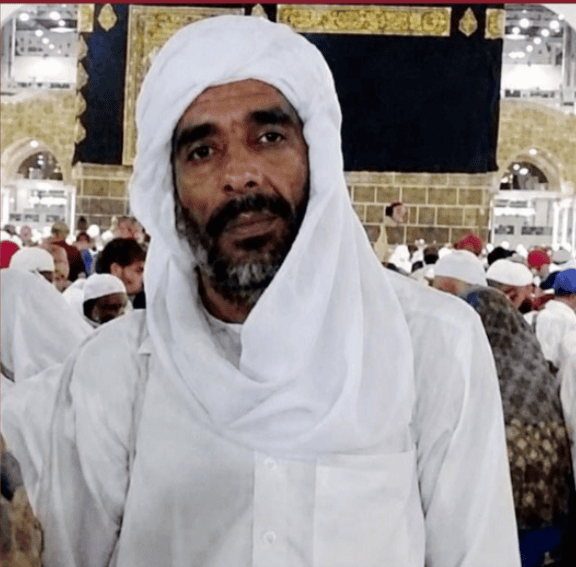
Narouei Roozbeh
According to the human rights organisation, Narouei Roozbeh was arrested in Isfahan in 2019, before a death sentence was issued against him in a case related to narcotics.
Hengaw added that he was transferred to solitary confinement on 12 September in preparation for the execution, noting that his family was not informed in advance of the date of his execution and was not allowed a final meeting with him.
The organisation said that the Iranian judiciary and official media had not announced the implementation of the sentence by the time its report was published. All details of the case could not be independently verified, so information regarding the circumstances of the execution remains attributed to Hengaw.
In a separate development, the Baluch Sunni preacher Molavi Yousef Gorgij was killed on Monday after unidentified gunmen opened fire on him in front of his home in the city of Zahedan, the capital of Sistan and Baluchestan Province.
Local authorities and Iranian media confirmed Gorgij's death. The governor of Zahedan said that unidentified gunmen had targeted him in front of his home, while the police announced that they were pursuing the perpetrators of the attack. No party has so far claimed responsibility for the assassination.
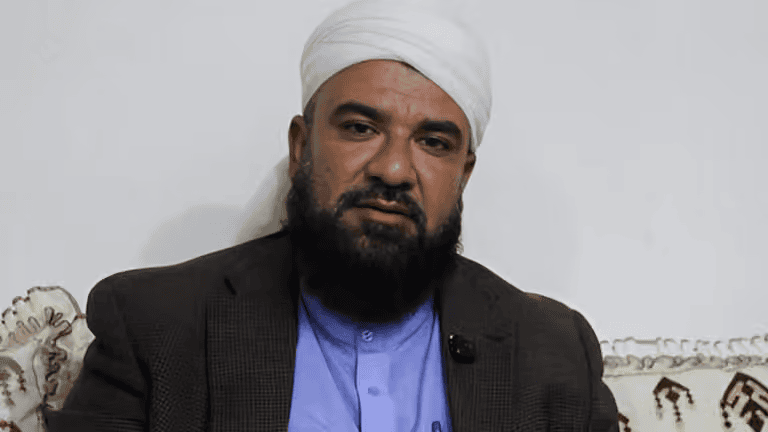
Molavi Yousef Gorgij, Baluch preacher and imam of the Mohammad Rasulallah Mosque in Zahedan
Official Iranian media described Gorgij as a Sunni preacher who supported the government, while local Baluch sources said he was regarded as a figure close to Iran's security and governmental institutions.
Conflicting accounts have emerged regarding those responsible for his assassination: state media attributed the attack to what it called "Zionist mercenaries", while other media outlets circulated accusations against Baluch armed groups. These accounts have not so far provided public evidence identifying the perpetrators, and no group has claimed responsibility for the attack.
Gorgij's assassination came just five days after the killing of the Kurdish Sunni preacher Mamosta Mohammad Nejati in West Azerbaijan Province, in an attack for which the Islamic Revolutionary Guard Corps claimed responsibility, attributing it to what it described as "Zionist-American separatist groups"; these accusations could not be independently verified.
The developments also coincide with rising security tensions in Sistan and Baluchestan Province, which has a Baluch Sunni majority and which, in recent days, has witnessed clashes and security operations in the Saravan area.


