


Field investigations conducted by the Bangladeshi newspaper The Daily Star reveal a growing number of infiltrations by Rohingya refugees from Myanmar into Bangladesh through remote mountain corridors in the Bandarban area, relying on local smuggling networks that help them bypass security checkpoints and reach the country's labour markets.
The investigation draws a detailed picture of the journey refugees undertake through forests, valleys and rivers, amid the continuing conflict in Rakhine State and the deteriorating humanitarian situation, which is pushing more families to flee in search of safety and livelihoods.
A Night Journey Across the Border
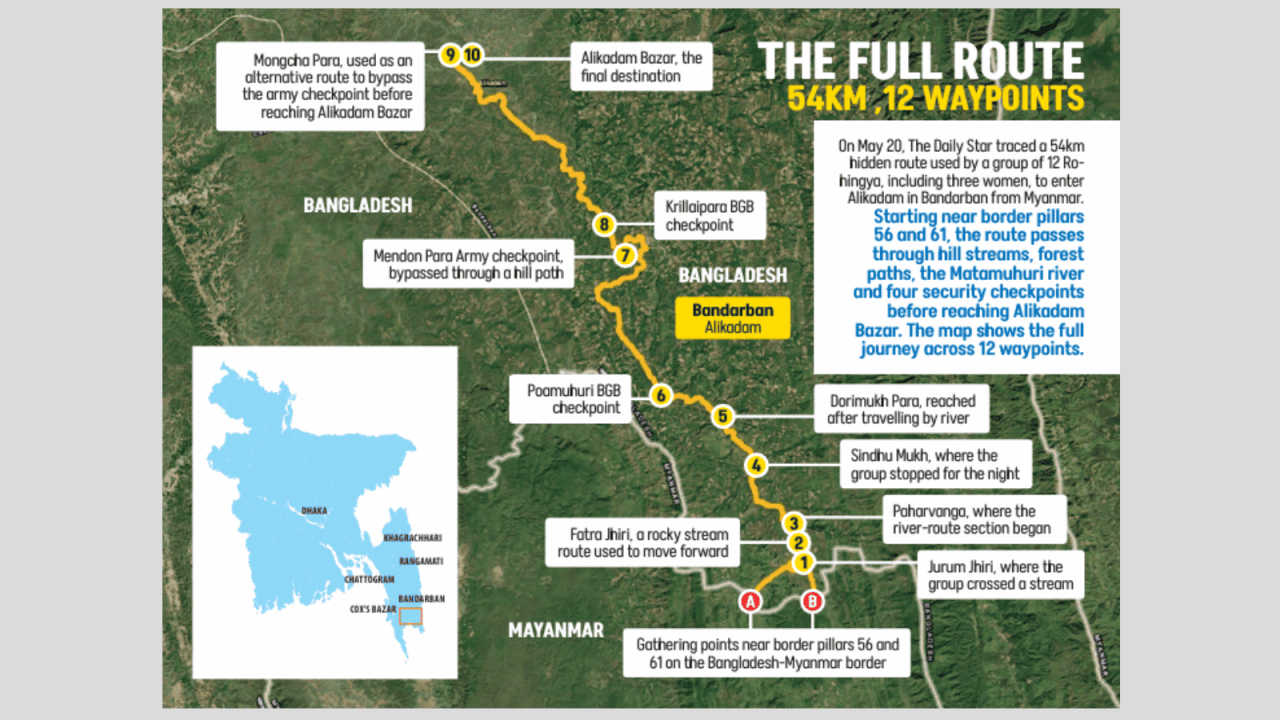
On the evening of 20 May, a newspaper correspondent accompanied a member of the Mro community to the hills of Alikadam area near the border with Myanmar, where the two men waited in silence near a waterway known as Fatra Jeri.
After about half an hour of waiting, small lamps appeared in the darkness, and then twelve people emerged walking cautiously, led by three women carrying small bags, followed by nine men trying to cross the border without making any sound.
The local guide confirmed that the group belongs to the Rohingya minority and that it is only one of dozens of groups that cross the area repeatedly.
Alternative Routes Away from Security Eyes
According to the investigation, the mountain routes extending between Fatra Para and Doremukh Para and on to Alikadam have become among the most used smuggling routes in recent months, after authorities tightened surveillance of other traditional crossings.
The route stretches for nearly 54 kilometres through dense forests, rugged hills, streams and rivers, and takes almost two full days to traverse.
The journey usually begins after nightfall, when Rohingya groups gather near the border pillars between Myanmar and Bangladesh, then cross the Jorum Jeri stream before continuing through the forests to avoid being spotted.
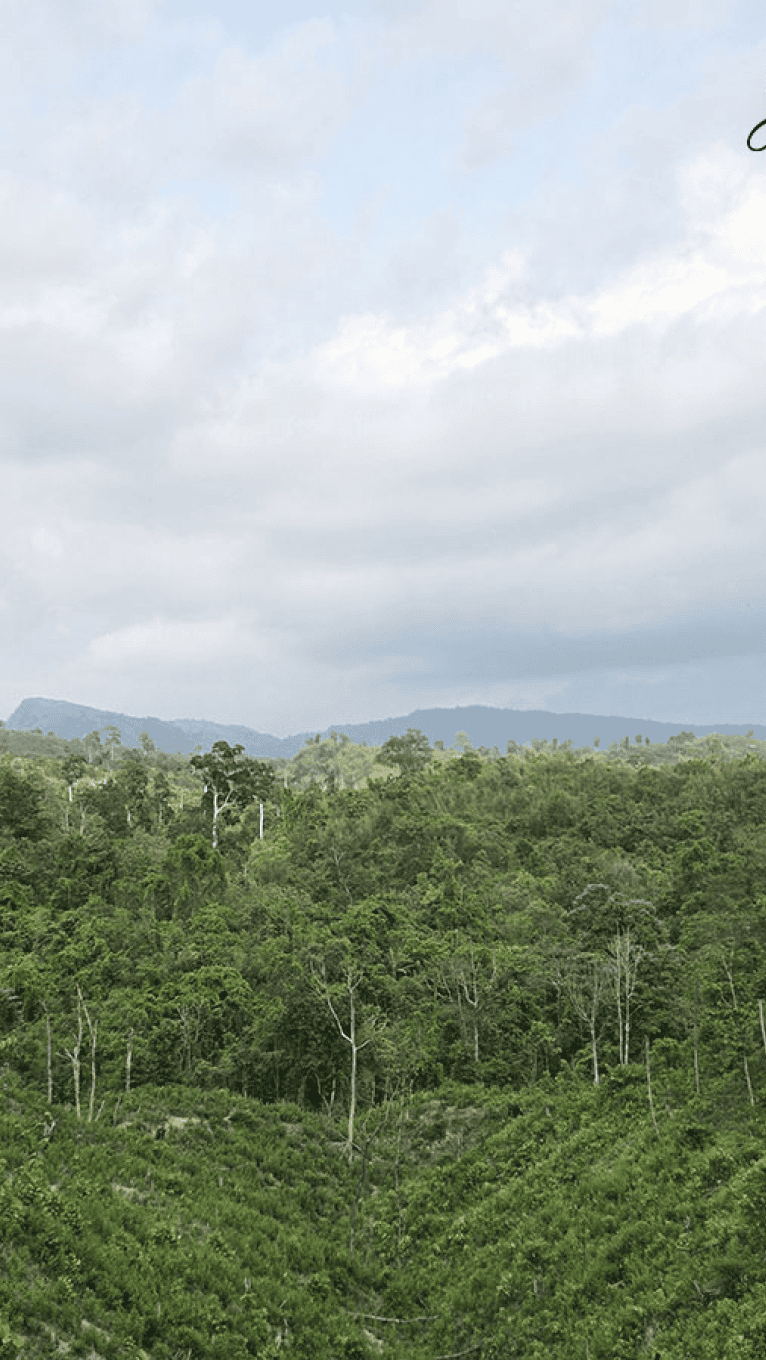
The Bangladesh–Myanmar border
Harsh Terrain and Repeated Injuries
The investigation describes this route as extremely difficult: refugees must cross waterways that sometimes reach waist level, and walk over slippery rocks and tree roots in pitch darkness.
A number of members of the group suffered injuries and wounds to their feet during the crossing, while many reached the other bank completely exhausted after hours of walking.
The refugees spend the rest of the night in remote areas near the rivers, before resuming their journey at dawn towards the villages where paved roads begin.
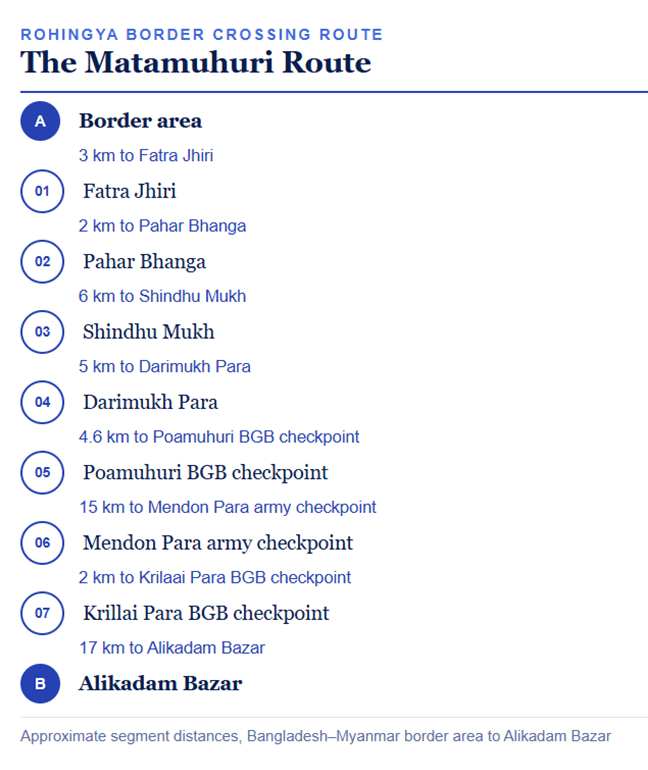
Map of the Rohingya crossing route along the Myanmar–Bangladesh border: the Mathamohuri route
A Central Role for Smuggling Networks
The investigation reveals that the crossings are not random; they are organised by local smuggling networks operating on both sides of the border.
Several days before an infiltration operation, some intermediaries reach the border villages to scout the routes, rent motorcycles, and gather information about security patrol movements in exchange for money.
One resident of the area says he agreed to provide smugglers with information about the route after some Rohingya told him they were no longer able to feed their children inside Myanmar.
According to local sources, smugglers charge between 4,500 and 5,000 Bangladeshi taka for each person smuggled across the border.
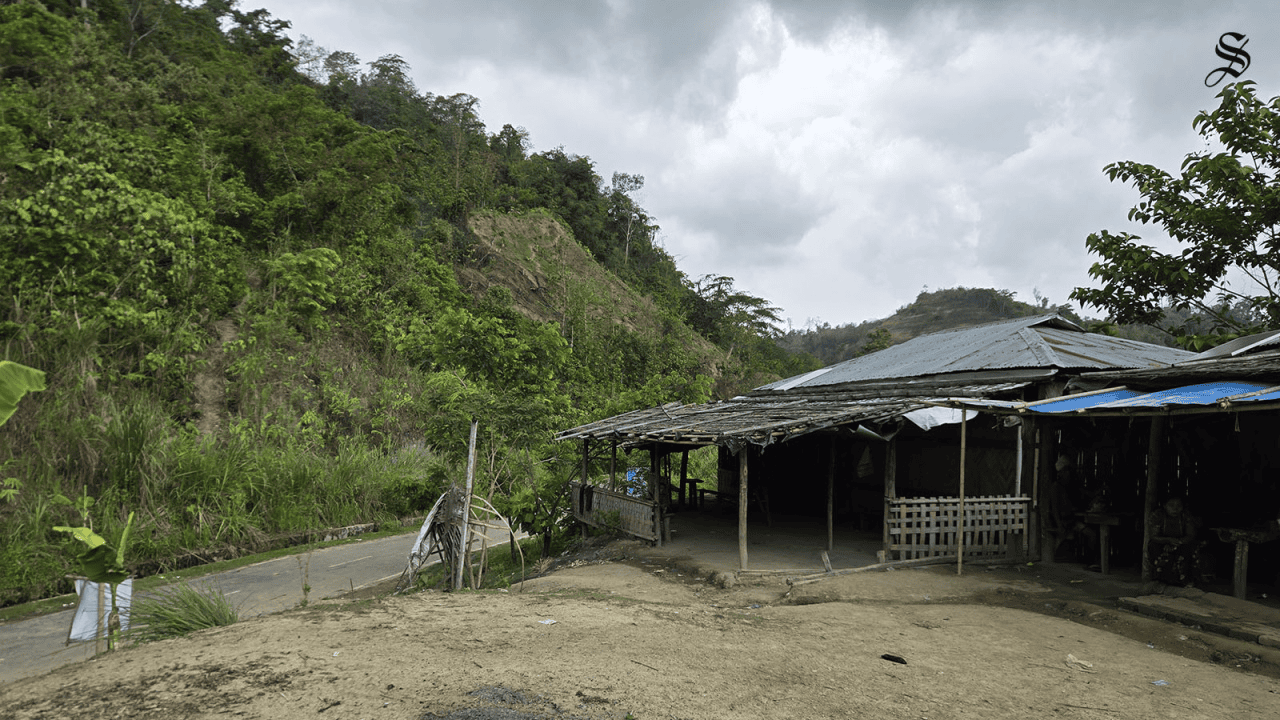
The Rohingya reach Doremukh Para, where the paved road begins, before continuing their journey by motorcycle in stages to Alikadam market, about 40 kilometres away.
Bypassing Checkpoints
The investigation explains that the smugglers rely on a consistent method to get past security barriers.
When the motorcycles approach a checkpoint, the Rohingya passengers get off before reaching it and take side paths through the forests or between the hills until they bypass the barrier on foot.
At the same time, the motorcycle passes the checkpoint normally, then waits for the passengers on the other side to resume the journey.
Local residents confirm that this method has become common and well known in the area.
Hundreds of Arrivals Since the Start of the Year
Media reports on which the investigation relies indicate that since January 2026 the Alikadam authorities have detained more than 100 Rohingya refugees, along with six suspects allegedly working in human trafficking networks.
Local officials believe that the deteriorating security and economic conditions inside Rakhine State have led to an increase in crossing attempts over recent months.
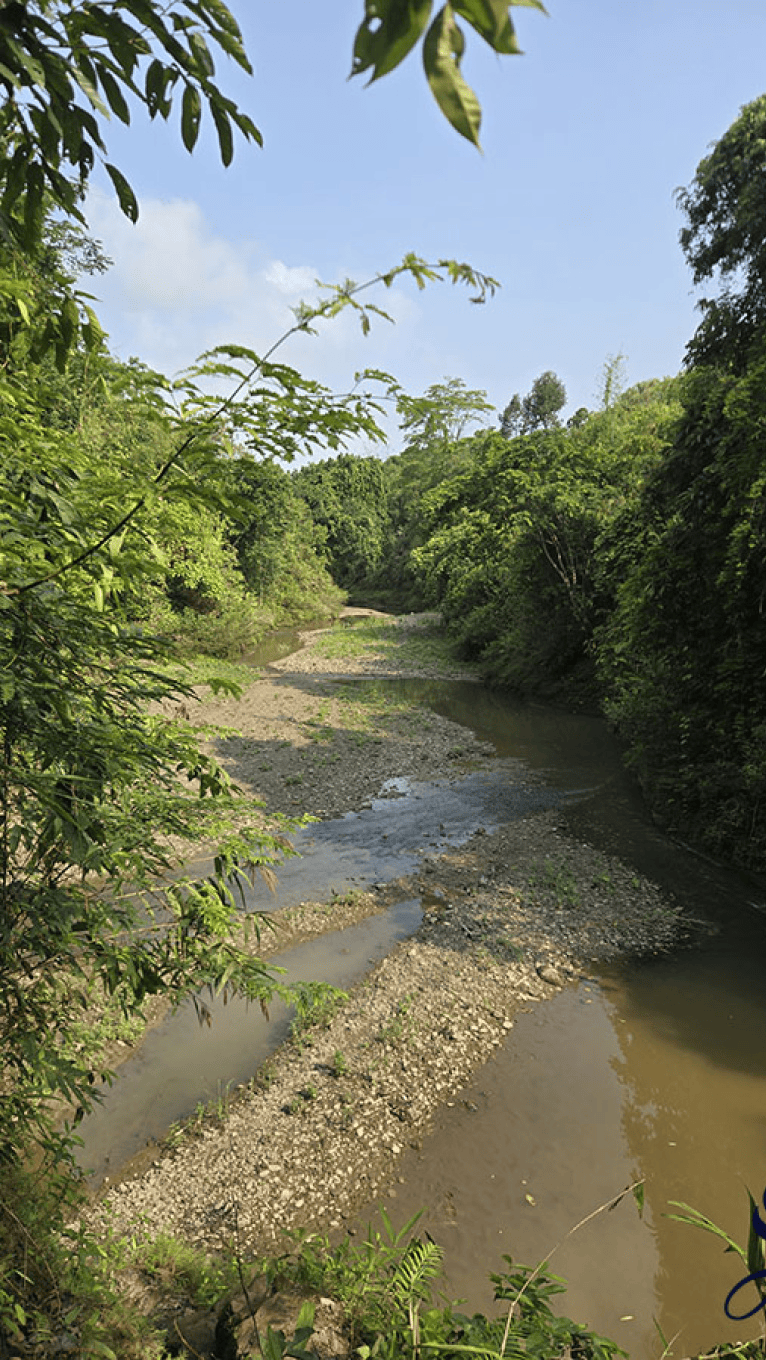
The Mathamohuri River, one of the routes the Rohingya take on their way to Doremukh Para.
Why They Flee
One man, 42 years old, said he was no longer able to provide food for his child, and therefore decided to risk his life to cross the border.
The man now works at a small restaurant in Alikadam town, from 6 a.m. until 10 p.m., for a monthly wage of about 5,000 taka, while his wife lives with their child in one of the refugee camps in the Ukhiya area.
Other refugees also confirmed that they accept any wage offered to them for fear of losing their work.
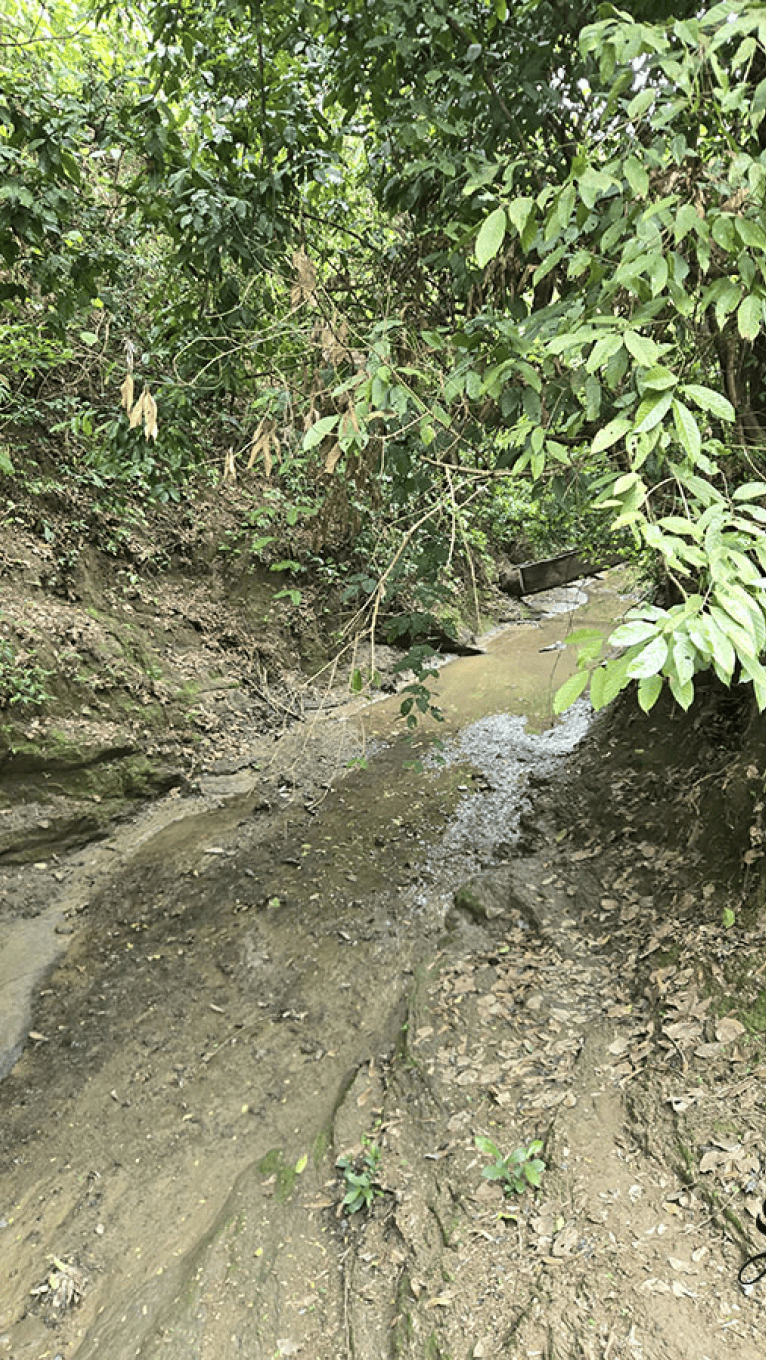
The Rohingya cross the Tei River at high speed before entering Bangladesh.
Work Outside the Camps
The investigation reports that a large part of the new arrivals do not head to the Cox's Bazar camps, but remain in the border cities and towns, where they work in restaurants, hotels, construction sites and markets for low wages.
This situation raises concerns about its impact on the local labour market, especially with the continued entry of more refugees through informal crossings.
Accusations of Forging Official Documents
The investigation also indicates that some Rohingya have managed to register themselves as Bangladeshi citizens using forged documents.
On 12 July, the authorities suspended the work of a local council chairman and three other members after they were accused of issuing fake citizenship certificates that helped some Rohingya register on voter lists.
The authorities did not specify when these individuals entered the country or the routes they used.
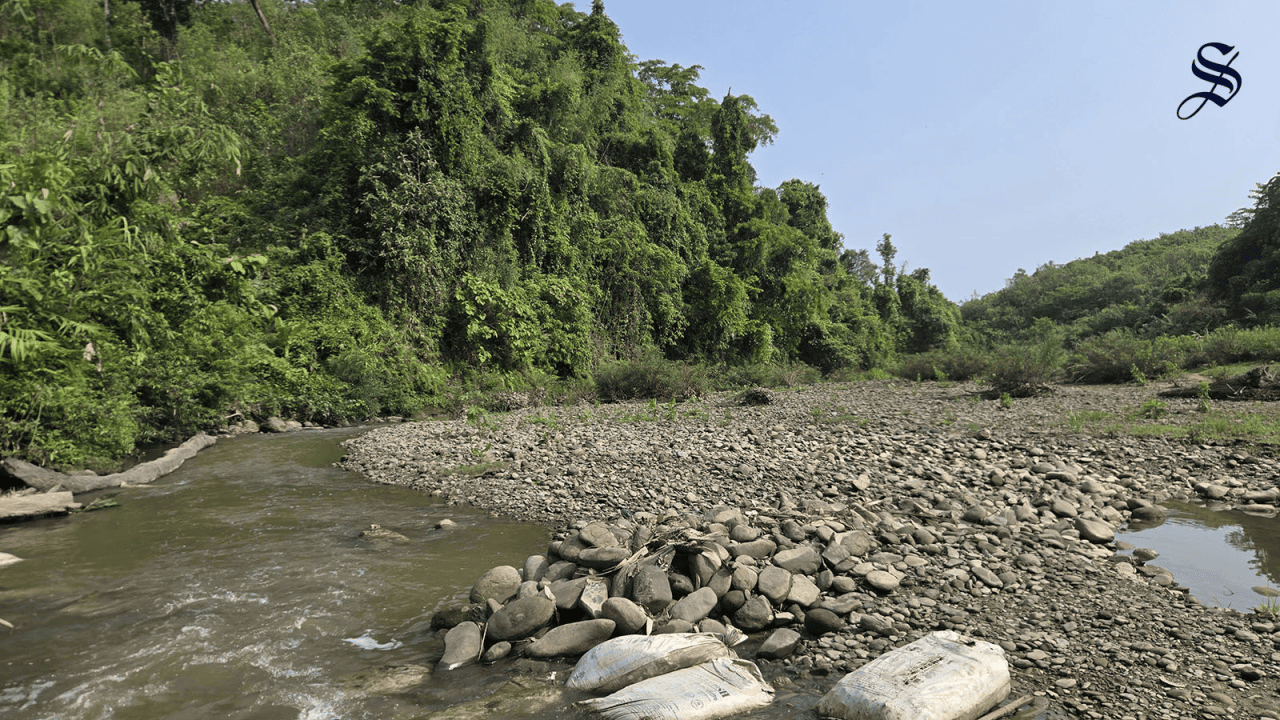
The village of Baharfanga sits on a hilltop overlooking the Mathamohuri River. The Rohingya use this route on foot.
Security and Social Concerns
Security experts believe that the rugged mountainous nature of the terrain makes it almost impossible to achieve full control over the border.
Retired Major General A. M. Muniruzzaman, chairman of the Bangladesh Institute of Peace and Security Studies, said that preventing irregular crossings represents a permanent challenge, especially in remote mountain areas that are difficult to reach.
He added that the integration of refugees into the informal labour market may lead to social and economic tensions within host communities, which requires a comprehensive policy to address the issue.
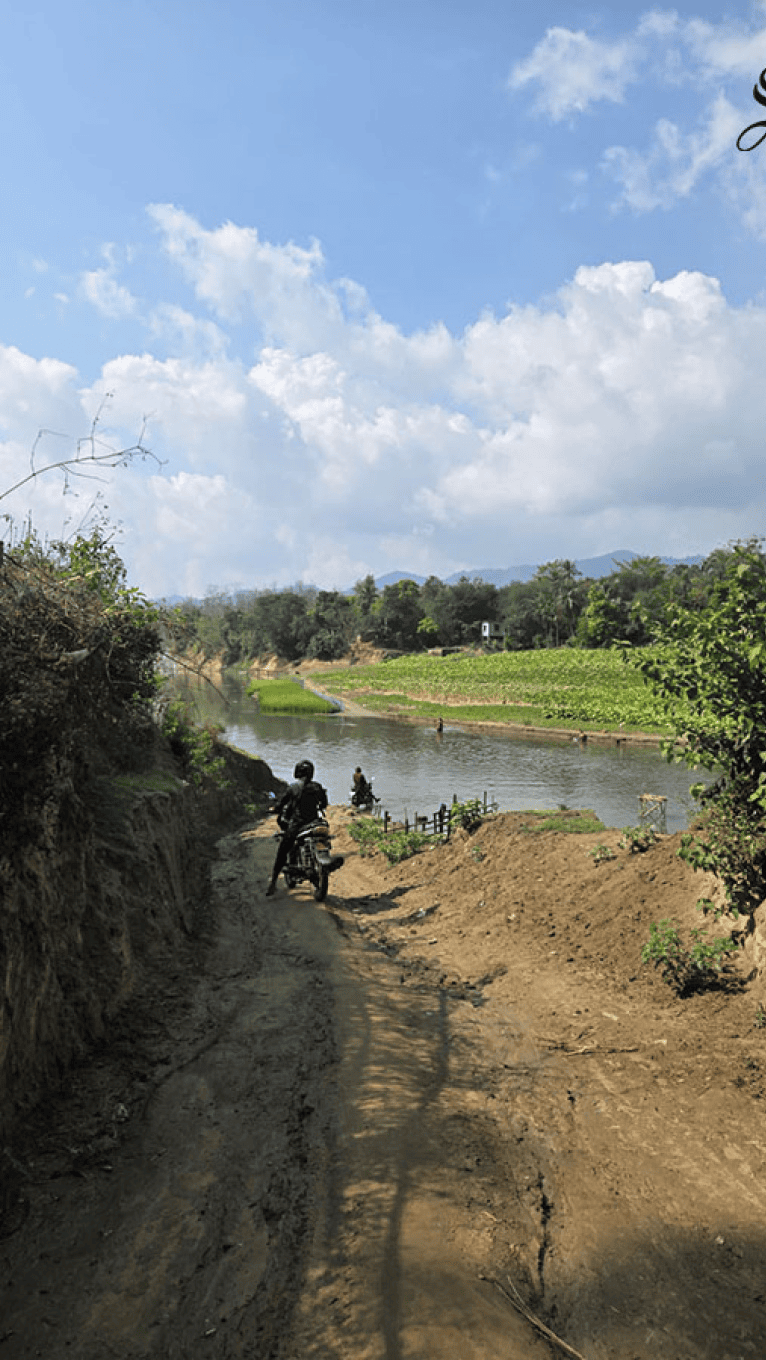
The Rohingya dismount from their motorcycles near the Mathamohuri River, cross Mongsha Para via a dirt road, then cross the river on foot, bypassing the army barracks checkpoint on their way to Alikadam market.
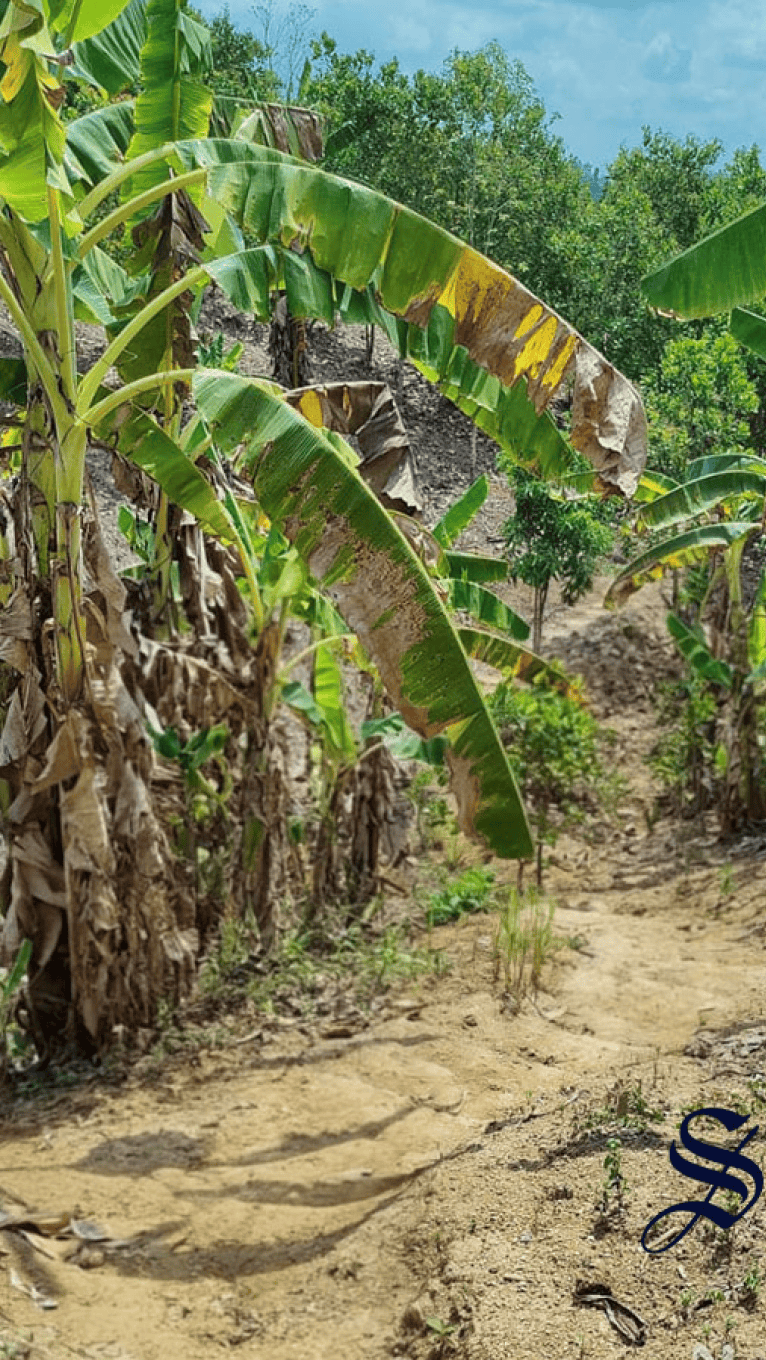
Along the same bypass road near Mendon Para, the Rohingya return to their motorcycles after crossing the checkpoint on foot.
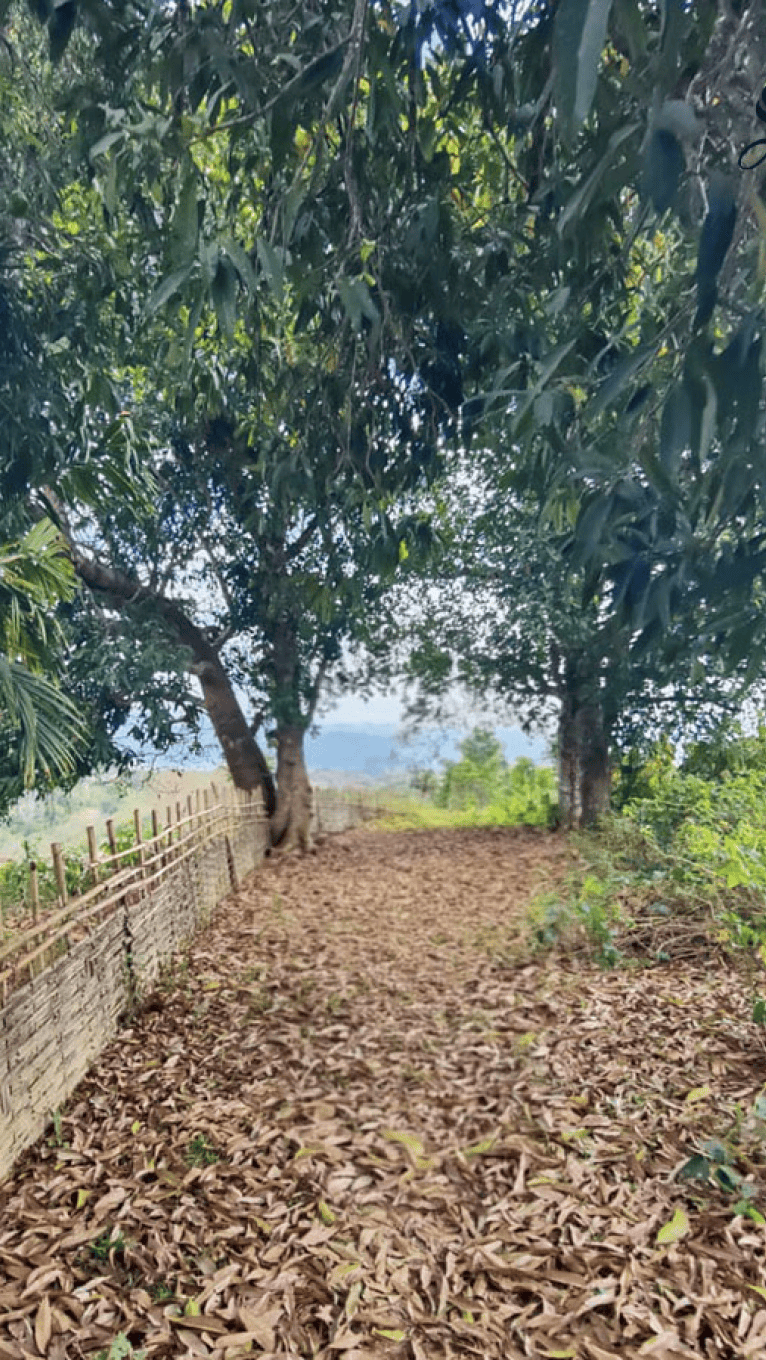
Along the same bypass road near Mendon Para, the Rohingya return to their motorcycles after crossing the checkpoint on foot.
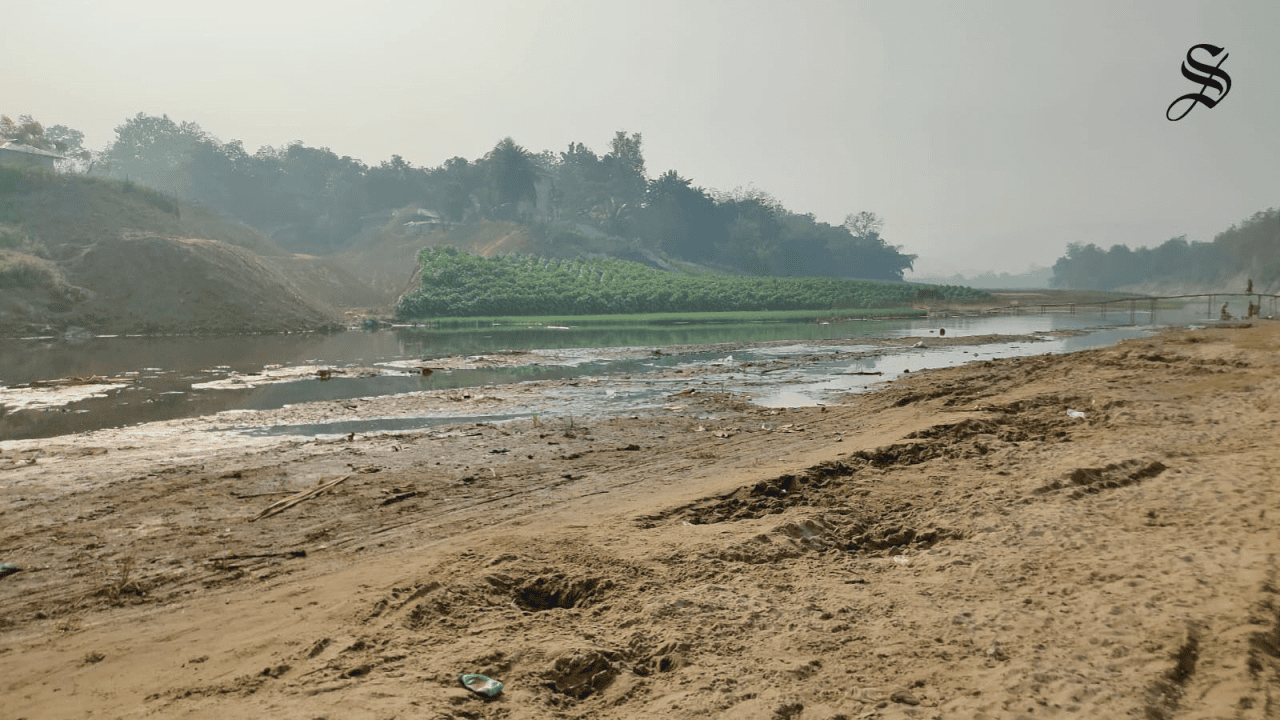
The extension of the Mathamohuri River at Mongtcha Para formed an alternative route for bypassing the army checkpoint before reaching Alikadam market.
The Bangladeshi newspaper The Daily Star


