

The Concept of Industry and Its Standing in Islam
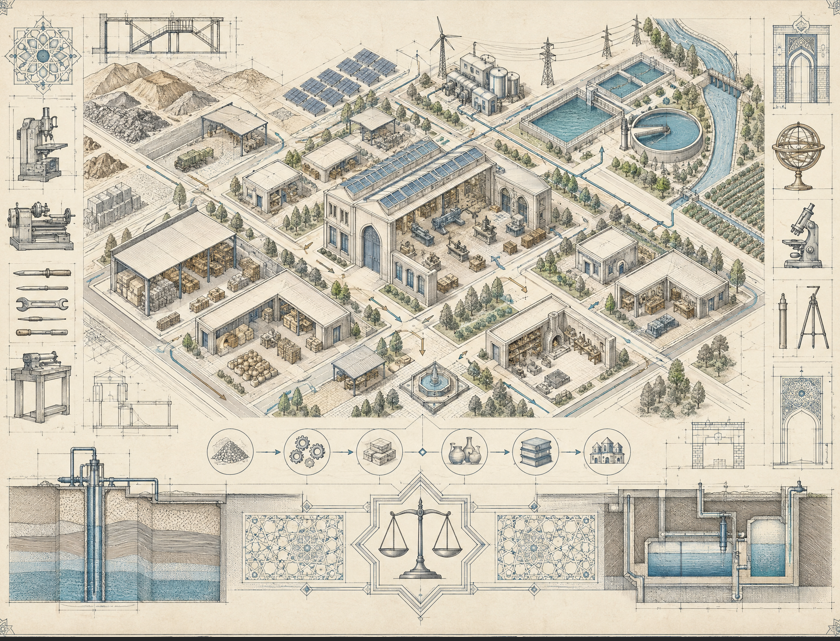
Industry is an economic activity that consists of transforming, processing, and assembling materials through labour, knowledge, and tools, in order to produce goods from which people benefit. Its successive stages include: providing the materials, preparing them, manufacturing the components of the product, assembling it, inspecting it, and then transporting it to the consumer. These stages may be divided among specialised tasks that complement one another.
Industry is not limited to the number of factories or the volume of production. It also concerns the society's ability to acquire skills, to perfect work, to organise the stages of production, and to provide the facilities, tools, and knowledge that it requires. When these elements come together, a society can gradually move from weak productive capacity to providing more of its needs through its own effort and expertise.
The Standing of Industry in Islam
Islam encourages striving, lawful earning, and beneficial work. Industry is one of the forms of this striving, provided its production is permissible, its means are lawful, and those engaged in it observe trustworthiness and justice.
Likewise, what people need of tools, goods, and facilities is not secured merely by desire; it requires skilled work, knowledge, and cooperation. Hence the standing of industry in serving people's interests, in developing the capacity to provide benefits, and in reducing inability to meet needs. Cooperation among those with expertise, labour, financing, and transport is praiseworthy when it is directed toward beneficial and permissible production.
Industry as a Path Built Through Gradualness and Integration
A society may begin with limited capacity to produce some goods, then develop its expertise and facilities stage by stage. Among the ways of doing so is to test productive initiatives on a suitable scale, to prepare for them the roads, energy, and sources of materials and tools, and to address shortcomings before expanding. Gradualness here is a means of learning and sound management, not an independent legal ruling, and its value is assessed according to interest and capacity.
Among the methods of organising production is for regions or establishments to specialise in a particular good or stage, so that expertise, tools, and related work become concentrated there. Around a single product, integrated links may emerge: preparing the material, manufacturing components, assembly, packaging, and transport. Such organisation helps coordinate efforts and improve efficiency, on condition that it does not turn into monopoly, collusion, or harm to people.
Society is not required to manufacture everything regardless of cost, nor to neglect mutually beneficial exchange with others. Rather, it considers its needs and capacities, and works to build what achieves a recognised interest, without extravagance or wastage of resources. What is legally recognised is the attainment of permissible benefit while observing justice and averting harm.
The Legal Control
The standing of industry does not make every production lawful merely because it increases wealth or supplies a good. Industry is weighed by the lawfulness of its product and its means, and by the effects it leaves behind. Therefore, it is necessary to avoid what is forbidden in transactions, to fulfil contracts, to disclose product defects, to give the worker his due, and to prevent fraud, injustice, and harm. The Prophet, peace be upon him, said: "Allah has prescribed excellence in everything." Narrated by Muslim: 1955. Among excellence in industry is perfecting work, being truthful in describing the product, and safeguarding the rights of those who deal with it.
The Legal Foundations of Industrial Activity
The Lawfulness and Perfection of Production
Industrial activity rests on producing goods that benefit people, which are permissible, and seeking provision from a lawful source.
This principle requires that both the product and the purpose of its production be permissible, and that trustworthiness and perfection be observed in its manufacture and sale. Skill alone does not make industry lawful if it is connected with what is forbidden or is founded on fraud and injustice. Among the requirements of industrial work is also the competence and trustworthiness of those who run it; Allah the Exalted says: "Indeed, the best one you can hire is the strong and the trustworthy" [Al-Qasas: 26]. Trustworthiness appears in fulfilling specifications and contracts, disclosing defects, and safeguarding the rights of the worker, the employer, and the consumer.
Preparing the Means of Production and Cooperation in It
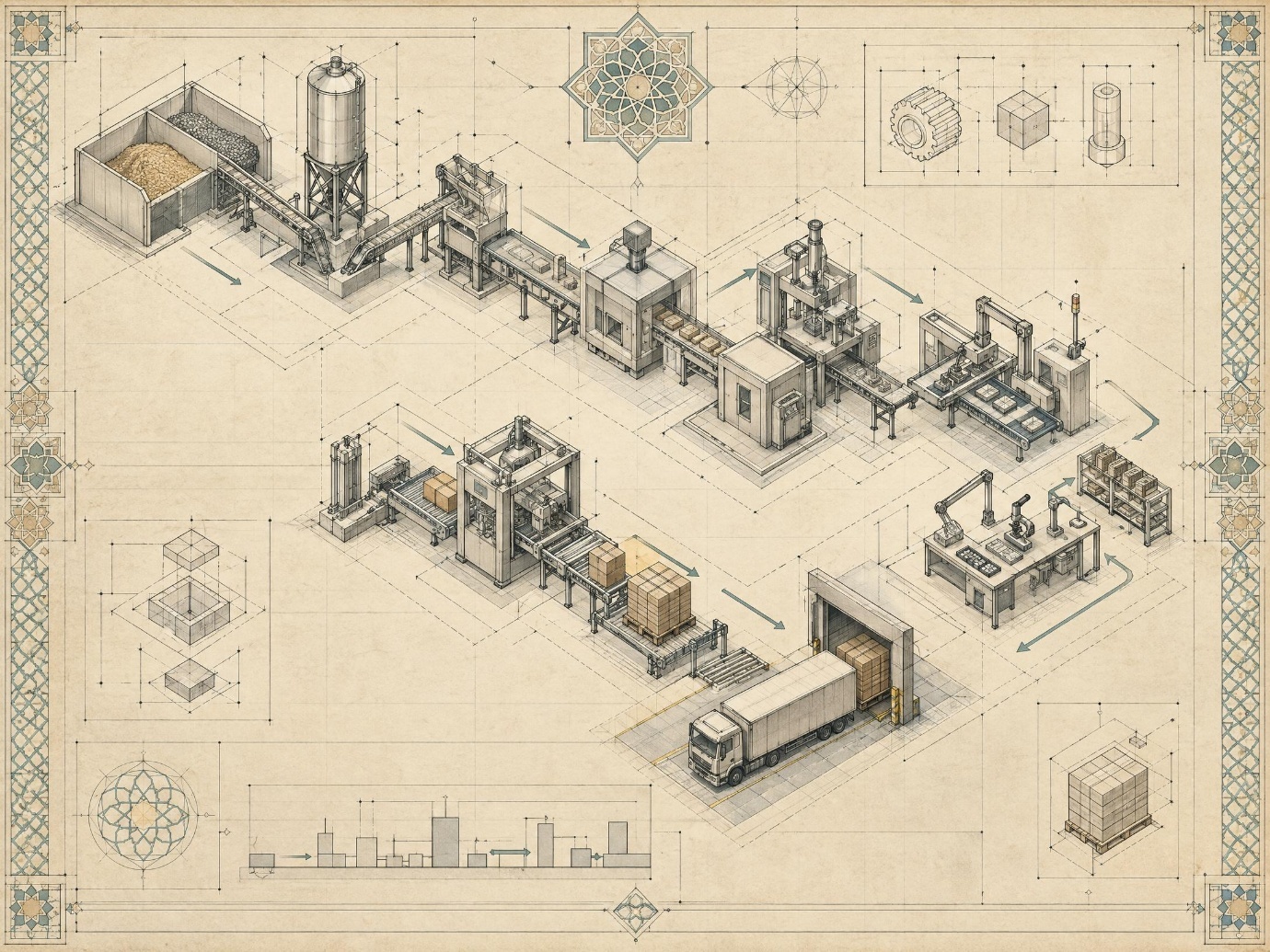
Industry requires more than a single productive establishment. It rests on the availability of materials, tools, knowledge, and skills, and on facilities and organisation that link the stages of work. Among the beneficial means for this are gradualness in building productive capacity, testing initiatives before expanding them, developing expertise, and bringing interrelated activities close together, so that bodies specialise in preparing materials, manufacturing parts, assembling, or transporting. These are permissible organisational methods, assessed according to interest and capacity, and are not fixed legal rulings in themselves.
The Elements of Industrial Prosperity: Labour, Knowledge, and Specialisation
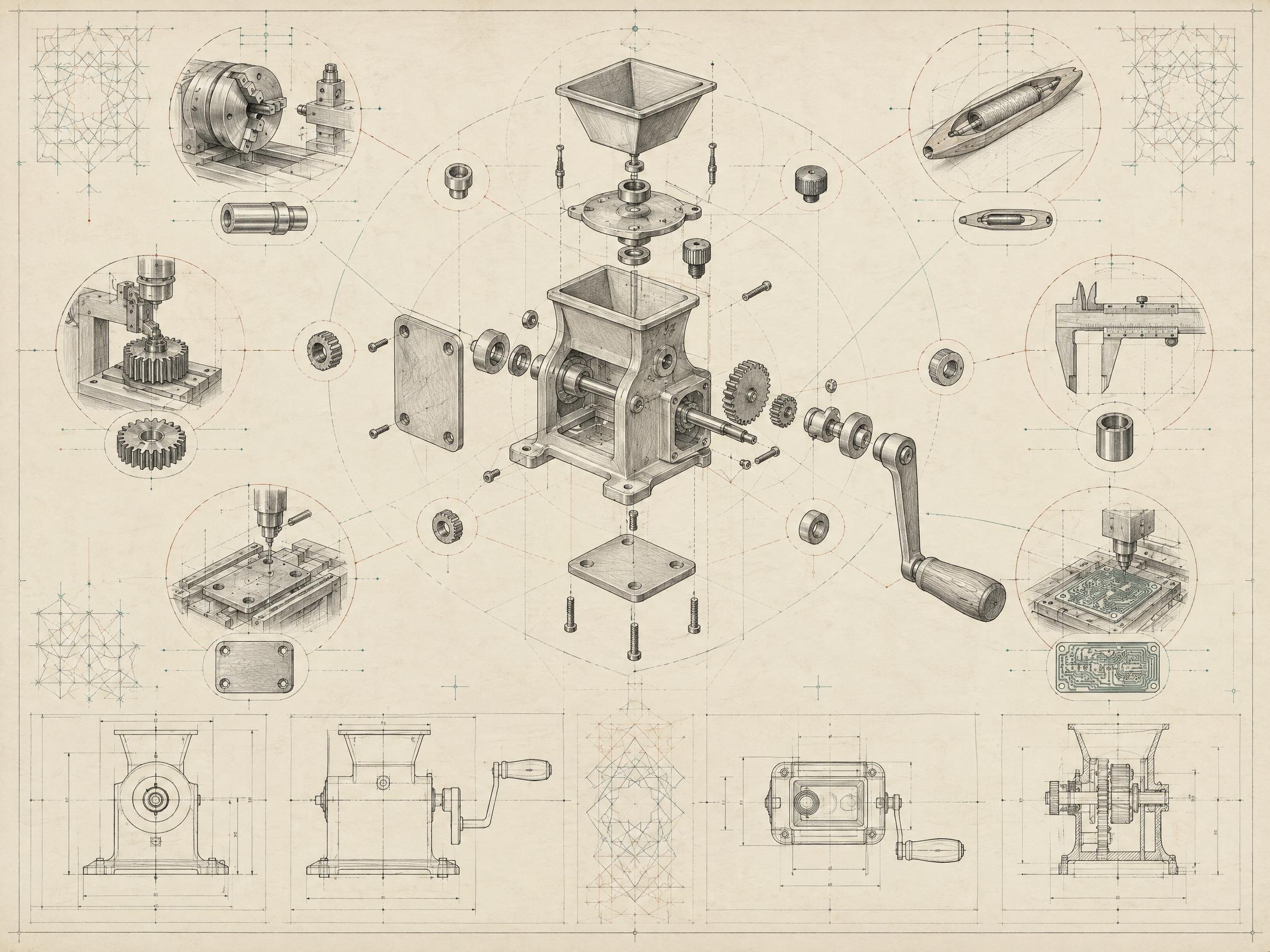
Industrial production does not flourish through the number of establishments alone. It requires skilled labour, technical knowledge, and the linking of the work that contributes to making a good. When expertise, suppliers, and connected stages of production are concentrated within a close range, the supply of parts can be accelerated, the exchange of knowledge facilitated, and time, cost, and waste reduced. The model of cities or specialised clusters shows how a region can devote itself to a particular product, with its work distributed among establishments that handle spinning, dyeing, manufacturing components, assembly, or packaging, and then their efforts are integrated to complete it.
Such specialisation is beneficial cooperation when it rests on fair contracts, lawful competition, and the prevention of monopoly and collusion. Efficiency does not mean exploiting the worker or depriving him of his rights; reducing cost is an economic aim, but it does not permit injustice, fraud, or harm.
The flourishing of industry also requires workers and professionals who possess skill, knowledge that develops through experience and learning, and the ability to design, repair, and improve tools and components. The proximity of specialists helps speed the remedy of shortcomings and the adjustment of products, while research and development and automation contribute to raising precision and productivity and reducing waste. These are permissible means, measured by their benefit and outcomes, and they are used while preserving rights and not burdening workers with the costs of change without fairness.
This is built on a gradual preparation of the elements of work: providing the necessary facilities and materials, developing skills, linking the stages of production and distribution, and then developing what proves its usefulness. The prosperity of industry is not the result of a single factor, but the fruit of the combination of labour, knowledge, organisation, and specialisation. In the Islamic outlook, this competence is pursued within the framework of trustworthiness and justice, and in a way that achieves lawful benefit for people and protects their wealth and rights.
The Role of Industry in Achieving Sufficiency and Strengthening Society
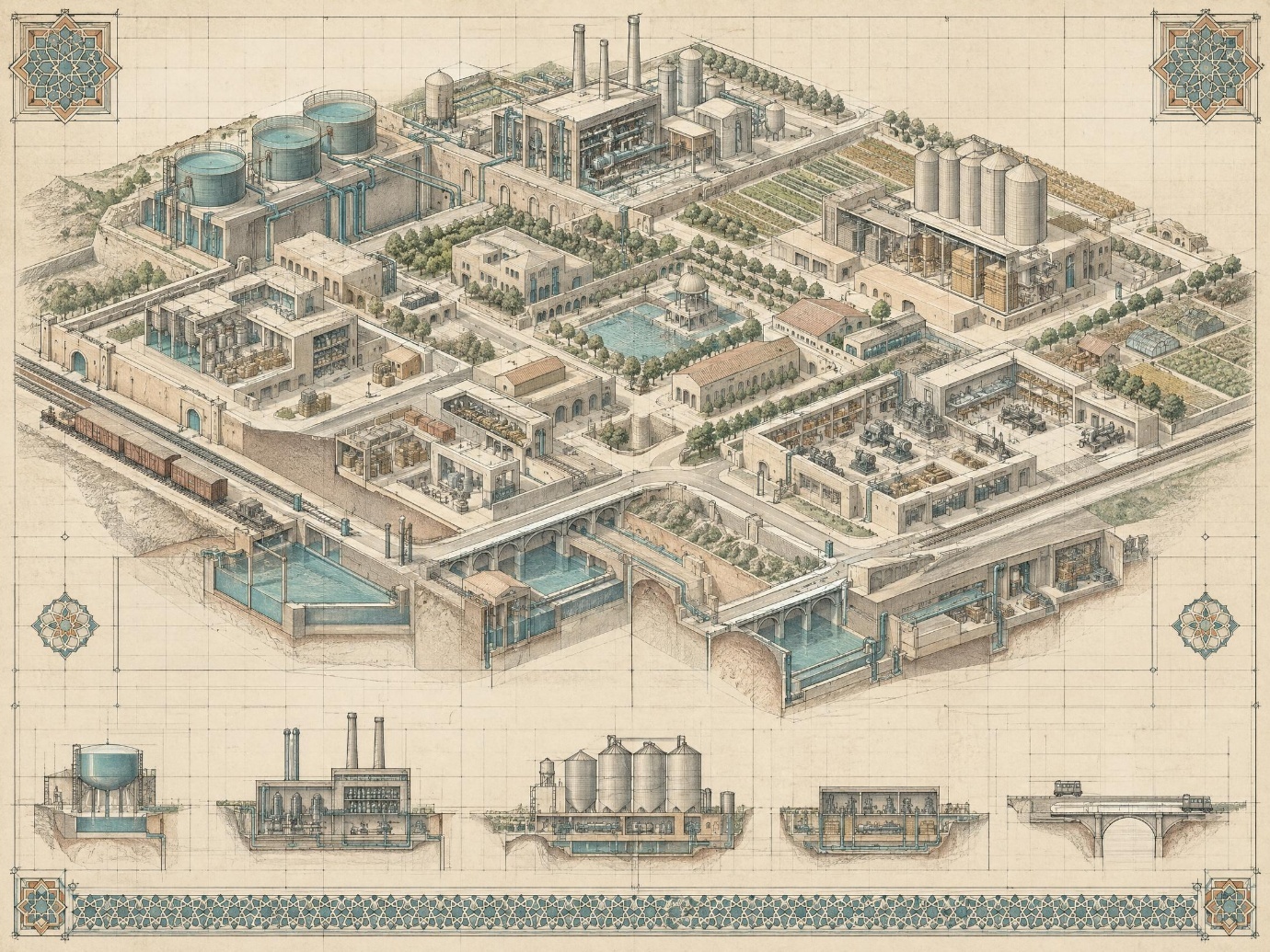
Industry contributes to achieving sufficiency when it enables society to provide a part of its needs through its own work and expertise, particularly those needs whose unavailability would lead to disorder in people's affairs or the paralysis of their work. The provision of materials, parts, and services connected with production, and the existence of establishments capable of turning them into beneficial goods, reduce areas of deficiency and strengthen society's ability to continue its activity when supply is delayed or interrupted.
Sufficiency does not mean that society should dispense with all exchange or manufacture everything it needs regardless of cost; cooperation and exchange in what is permissible are lawful. What is meant is building an appropriate productive capacity and avoiding dependence on a single source for important needs, while taking into account resources, capabilities, and interest. This requires the linking of suppliers, manufacturers, transport, and distribution, the development of skills, and the improvement of the facilities on which production depends.
Industry is strengthened when its returns are not consumed entirely by immediate benefits, but a suitable part is redirected to developing knowledge, tools, and the productive infrastructure, reducing waste, and raising the quality of goods. Likewise, the diversity of sources of materials and components, and the existence of expertise capable of maintenance, manufacture, and modification, help society confront disruption and change without its basic needs being halted.
This capacity is reflected in society through the provision of employment and livelihood opportunities, the broadening of expertise, and the strengthening of cooperation among professionals and establishments. However, these benefits are not achieved merely by increasing production; they are conditional upon justice, the discharge of rights, the prevention of fraud and monopoly, and not imposing the cost of growth on the weakest groups or draining resources to the detriment of people.
Accordingly, industry is a cause of strengthening society when it combines the provision of needs, the development of knowledge and skills, and continued investment in productive capacity, while adhering to justice and lawful exchange. Sufficiency is not withdrawal from people; it is a balanced capacity to meet the essential needs, cooperate in what lies beyond them, and protect society from points of deficiency and harm.
The Responsibility of the State and Society Towards Industrial Development
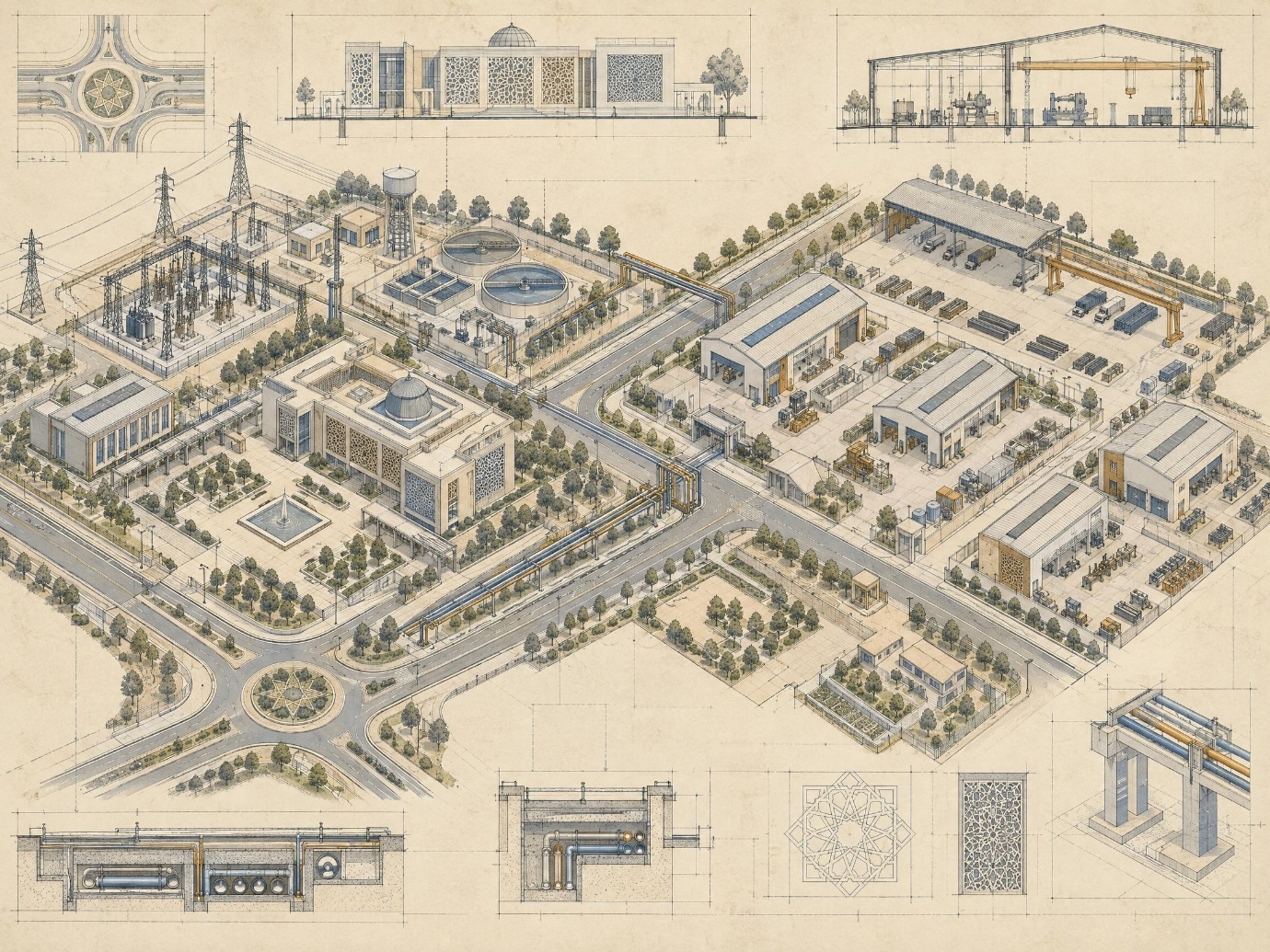
Industrial development requires the combined efforts of the state and society. A factory does not flourish merely because capital is available; it needs facilities, services, raw materials, and expertise, as well as cooperation among the activities that complement one another in producing a good. The industrial experiences examined in this study show the effect of preparing these elements, facilitating procedures, and bringing production-related activities closer together in raising industrial capacity. In the Islamic outlook, these means are directed toward the public interest and regulated by justice, trustworthiness, and the preservation of rights.
The responsibility of the state: to prepare public facilities and services that help lawful production, such as roads, energy, ports, and centres of education, training, and research, and to establish clear regulations and facilitate procedures without compromising oversight or safety. It may consider forms of support that achieve a recognised interest, on condition of transparency, justice, and the protection of public money, and provided support does not turn into favouritism, harm to competition, or the imposition of unjust burdens on people. It is also its duty to protect the rights of workers and consumers, and to prevent fraud, monopoly, and the violation of property.
The responsibility of society: to contribute to development through skilled work, the acquisition of expertise, the teaching of the necessary crafts and knowledge, the establishment of beneficial enterprises, and cooperation among producers, suppliers, and people of expertise. The responsibility of business owners includes fulfilling contracts, paying wages and rights, and investing what is needed to develop knowledge, tools, and production, without exploiting the worker or wasting resources.
Thus industrial development is an integrated responsibility: the fair preparation of facilities and systems, and a community initiative based on skill, trustworthiness, and cooperation. It is not measured by increased production alone, but by its capacity to provide lawful benefits, preserve rights, and achieve the interest of society without injustice or harm.
The Legal Controls on Financing, Labour, and Industrial Production
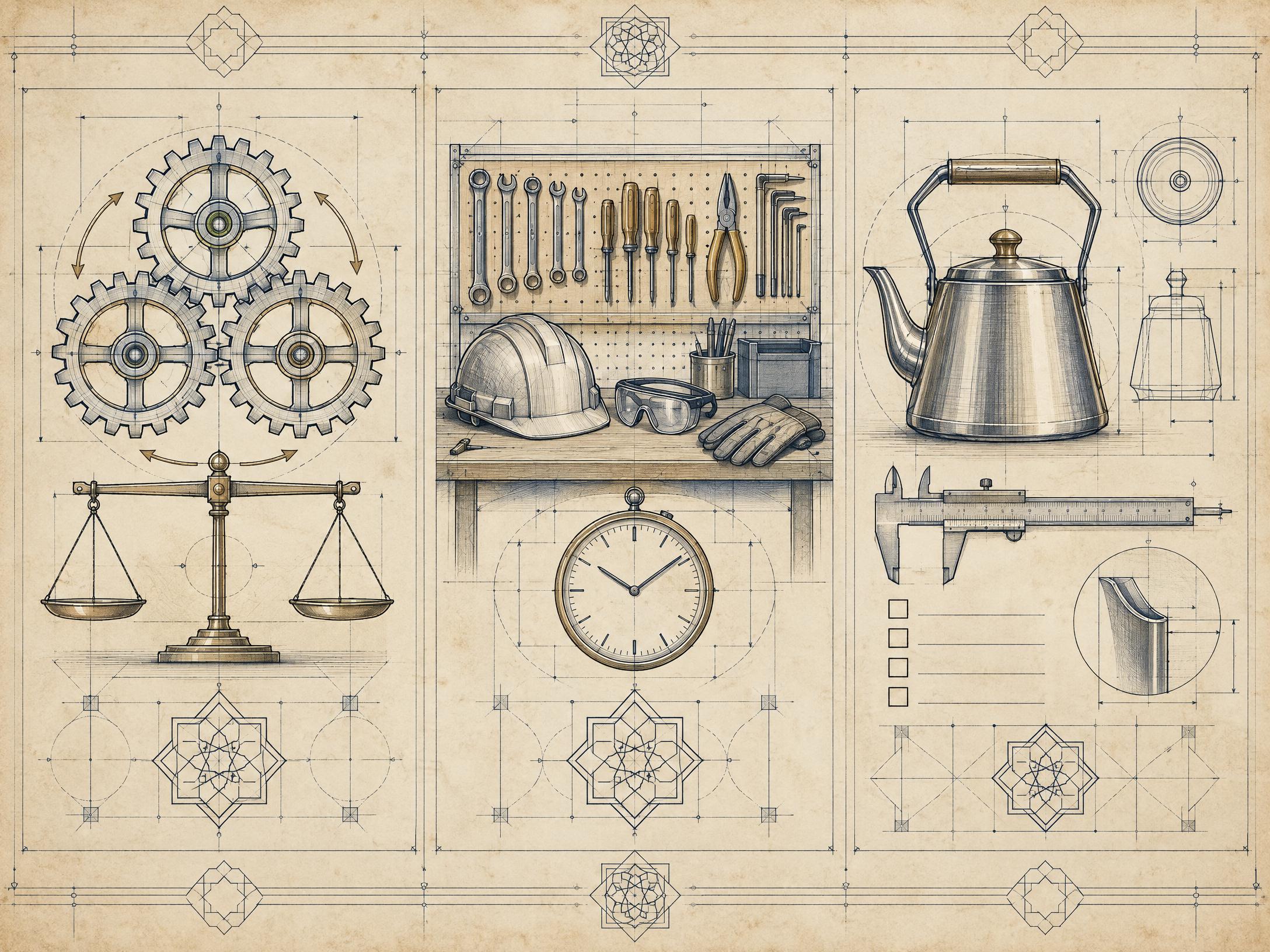
It is not sufficient for an industrial project to be beneficial in order for its activity to be lawful in all respects; its financing, its labour relations, and its product must also be governed by the provisions of the Sharia. The importance of this appears when resources are prepared for factories, when capital, energy, and materials are provided, and when continuity of production and reduction of its cost are pursued; all of these are means that are judged according to their lawfulness and justice.
In financing: usury and consuming people's wealth by falsehood are to be avoided. Allah the Exalted says: "Allah has permitted trade and forbidden usury" [Al-Baqarah: 275], and He, glorified is He, says: "O you who have believed, do not consume one another's wealth unjustly but only [in lawful] business by mutual consent" [An-Nisa: 29]. Lawful forms of financing may be studied, such as partnership, leasing, or commissioned manufacture, according to the reality of the contract and its conditions, not merely by its name. Likewise, any support or facilitation offered to projects must rest on recognised interest, transparency, and justice, and must not involve favouritism, the squandering of public money, or harm to others.
In labour and production: the rights of workers are observed, the wage and the work are agreed upon clearly, the dignity and safety of the worker are protected, and he is not burdened with what he cannot bear, nor is his wage diminished on the pretext of accelerating production or reducing cost. In a sacred hadith, Allah the Exalted says: "There are three whom I will oppose on the Day of Resurrection: ... and a man who employs a worker and takes full work from him but does not give him his wage." Narrated by Al-Bukhari: 2227. It is also necessary that the product be permissible, that quality and specifications be observed, and that fraud, concealment of defects, and causing forbidden harm be avoided.
The summary of these controls is that financing must be lawful, work must rest on justice and the fulfilment of rights, and production must be permissible and trustworthy. The continuity of a factory and the abundance of its output do not justify usury, injustice, or fraud; blessing and benefit are achieved only when economic efficiency is combined with legal commitment.
Conclusion: The Features of the Desired Industry in the Islamic Economy
The desired industry rests on a society's transition from weak capacity for production to the possession of skills, expertise, and facilities that enable it to provide its beneficial needs. This is achieved through the gradual building of industrial capacity, the integration of production stages, the closeness of expertise and specialisations, and investment in knowledge, research, and technology, in a way that raises the quality of production, reduces waste, and strengthens sufficiency.
Yet the strength of industry is not measured by the volume of production and profit alone, but by the lawfulness of its products and means of financing, the fairness of labour relations within it, the protection of the rights of workers and consumers, and the preservation of resources from harm and squandering. The preparation of facilities and the facilitation of means of production is a responsibility discharged with trustworthiness and justice, while society performs its part through skilled work, learning, and cooperation in permissible interests.
Thus, in the Islamic economy, productive efficiency is integrated with Sharia values: a beneficial and advancing industry capable of contributing to the sufficiency of society, without making profit a justification for injustice or treating economic strength as an aim separate from justice and responsibility.


