


Humanitarian Pressure and Security Repercussions: The Rohingya Dimension of Border Stability Between India and Bangladesh
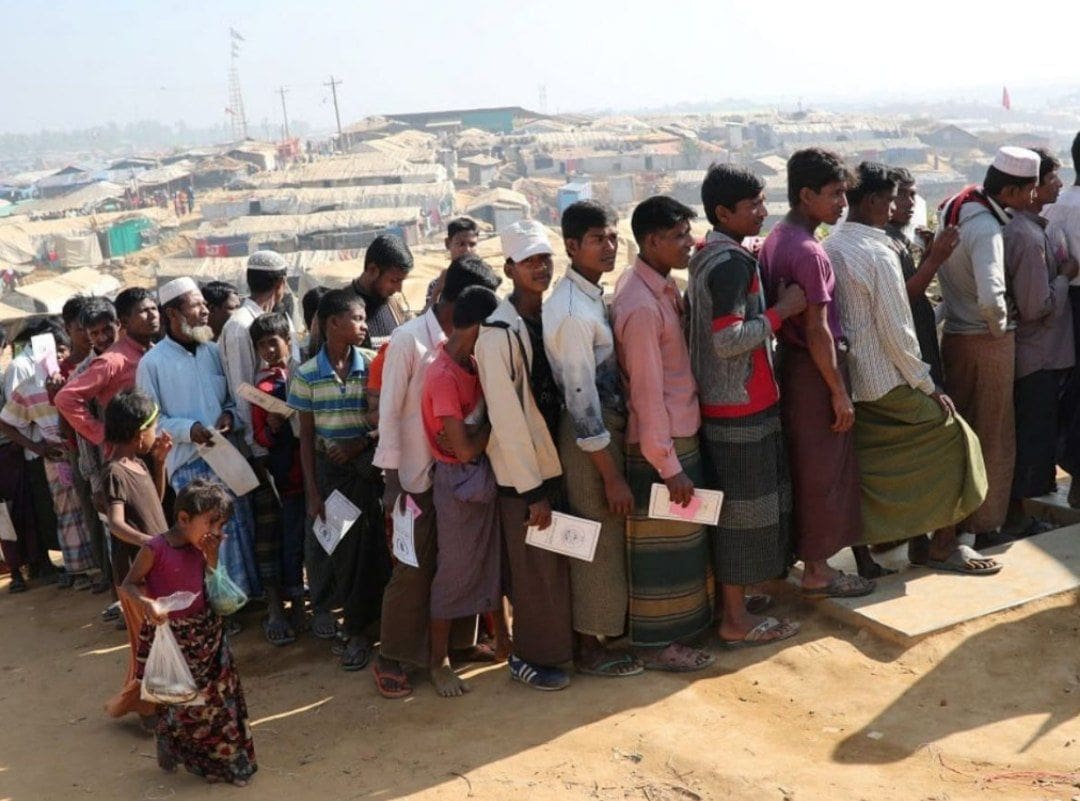
The Rohingya crisis has evolved into a regional security issue, linking refugee camps in Bangladesh, border tensions, human trafficking and migration through India.
Bangladesh hosts more than one million Rohingya refugees who fled violence in Myanmar. Most live in the sprawling camps of Cox's Bazar, while tens of thousands have been moved to Bhasan Char island to ease overcrowding.
United Nations planning documents indicate that relief agencies need $934.5 million in 1447 AH (2025 CE) to assist 1.48 million people, including refugees and nearby host communities, which underscores the scale of the crisis and its continued dependence on international funding.
Funding has been limited. The World Food Programme has warned that food rations could be halved if new funds are not secured.
Previous cuts have already affected families, and malnutrition rates among children have risen.
When food assistance decreases, tensions rise inside the camps and in their surroundings. Aid workers and police have reported increases in theft, smuggling and the recruitment of refugees by criminal networks.
Security conditions inside Myanmar also affect the camps. Fighting has escalated in Rakhine State, and clashes involving the Arakan Army and Rohingya armed groups could push more civilians towards Bangladesh.
India feels the repercussions quickly, particularly in the states of Tripura, Assam and Mizoram, where authorities point to repeated discoveries of illegal crossings and cross-border human trafficking.
To address this, the Border Security Force of India has launched special operations and increased patrols to halt infiltration and smuggling.
Human trafficking networks use forged documents and long routes to move Rohingya refugees to Indian cities in search of work.
Returning refugees to Myanmar remains the only long-term solution, but conditions there are not yet safe, and previous attempts at repatriation have failed.
Bangladesh has repeatedly raised the issue at the United Nations and regional forums, calling for global support and a roadmap for safe return.
India's policy combines tighter border control with support for voluntary return, alongside stricter measures against undocumented migrants.
These conditions illustrate how humanitarian pressure in the camps can quickly turn into security pressure across the entire region.
The Sunday Guardian


