


On the evening of 3 Sha'ban 1434 AH (12 June 2013), according to court documents, three "Chinese infiltrators" were arrested by the Indian army in the Sultan Chushkoo area, a remote, uninhabited desert in the mountainous north of Ladakh.
The three brothers from the Thursen family – Adil, 23, Abdul Khaliq, 22, and Salmo, 20 – found themselves in an undefined and disputed border area after a 13-day journey by bus and on foot across the rugged terrain of the Himalayan plateau, passing through the Chinese Xinjiang Uyghur Autonomous Region, which borders Ladakh.
The men told army officials that they had fled their family home near the city of Kashgar in East Turkestan after Chinese authorities intensified their campaign against Uyghur Muslims and detained many of their relatives in detention centres.
China says it is addressing extremism through "controlling illegal religious activities" and "vocational education and training centres," but other countries, including the United States, have said its actions amount to genocide.
After two months of interrogation by the army, the brothers were handed over to local police to face charges of illegally crossing the border. What followed, however, was a bureaucratic nightmare that continues to this day.
Because they could not communicate in any Indian language, the three men struggled to navigate the legal system. Their court-appointed lawyer faced the same obstacles. They were unable to answer the judge's questions until a year into their detention, during which time they gradually learned the local language from fellow prisoners.
Each of them was sentenced to 18 months in prison, but their ordeal did not end there.
By the time they were convicted, they had already spent a year in prison, and they were expected to be released within six months. But the political landscape in India was changing. The Hindu nationalist Bharatiya Janata Party, led by Prime Minister Narendra Modi, came to power.
According to detention orders that the authorities continue to reissue, the three men will remain detained indefinitely, pending the government's decision on whether to release them or deport them to China.
Their only support has come from their lawyer, Mohammed Shafi Laso, who met them as part of a regular court-appointed delegation visiting the prison, and who could not believe that they remained imprisoned merely for crossing into India illegally.
Over the past decade, Shafi has continued to fight for their release free of charge, but the Indian government remains unmoved.
The three men have been transferred between several prisons multiple times and are now in the city of Karnal in the Indian state of Haryana, near Delhi.
Shafi adds that the brothers have been separated and held in narrow cells reserved for detained militants and those convicted of serious crimes. They also struggle with the food and the scorching Indian summer heat, having become accustomed to the cold climate of their homeland.
He says: "The persecution of the Uyghurs by China is an internationally recognised issue. These men were victims of that cruelty. They are not criminals and pose no threat to anyone. The government has a moral duty to treat them justly. What did they do to deserve these wretched conditions for more than a decade?"
Shafi notes that the three brothers do not know what has become of the rest of their family in Kashgar. He believes they should be granted asylum and not deported to China. "What they have endured for many years is harsh and inhumane," he says.
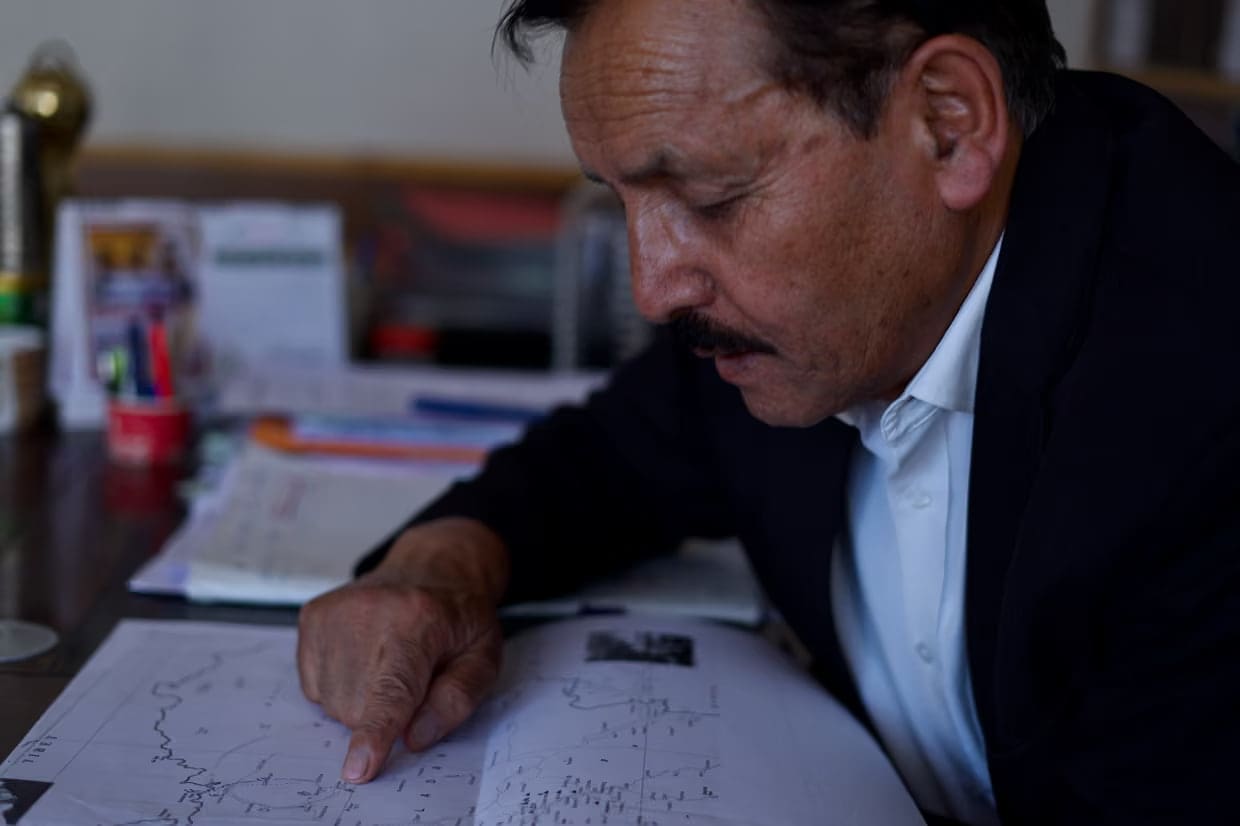
Their lawyer, Mohammed Shafi Laso, who represents them without pay and even sends them money to cover prison and medical expenses, says: "The youngest has developed health problems. He suffers from haemorrhoids due to the poor quality of prison food – which consists mostly of lentils – and which does not agree with them, and they receive little medical care."
Shafi, who visits them regularly and sends them each month from his own pocket to cover prison and treatment costs, adds that a doctor advised one of the brothers to undergo surgery, but the prison authorities refused to grant him permission.
While in prison, the three brothers learned four local languages in addition to English by speaking with prisoners and reading books and newspapers.
Shafi says: "The eldest loves English very much and often tries to speak it with me, but the guards, not understanding it, stop him and insist that he speak in Hindi. I joke with them that they will become my language teachers once they are released."
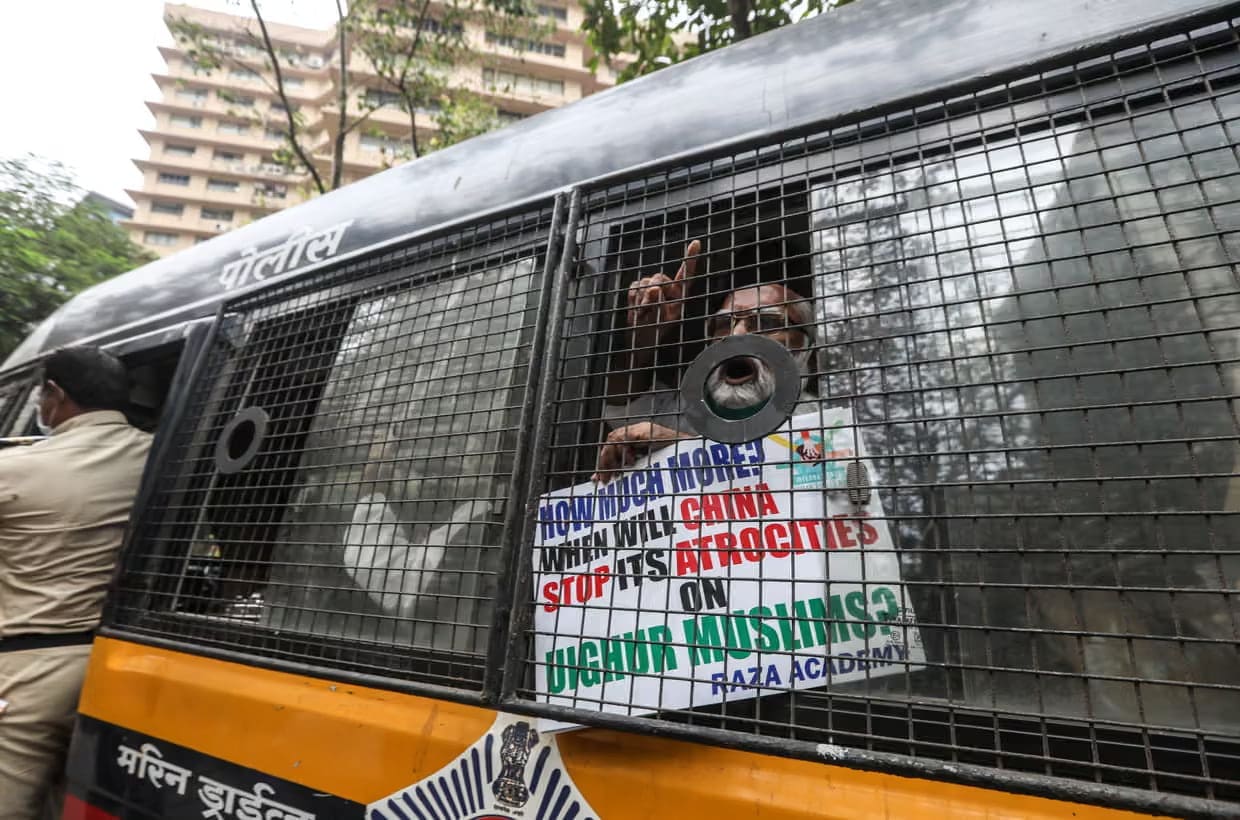
Human rights groups point out that under the Modi government, religious minorities, particularly Muslims, face systematic discrimination and marginalisation in India.
Latif Zaman Dewa, a former senior government official in Kashmir, which was administered by India and of which Ladakh was part until 1440 AH (2019 CE), believes the three men are victims of discrimination.
Dewa says: "The imprisonment of these three is a violation of the law. This is one of many examples showing how the current government treats a particular community: Muslims. The law used against them is intended for people involved in anti-state activities or serious crimes, not for persecuted people seeking refuge."
Shafi affirms that he will continue the struggle for their release: "India has provided refuge to tens of thousands of people from various persecuted communities at multiple points in history. Even thousands of persecuted Tibetans live here and run their government in exile.
If the government does not want them to live here, it can release them and allow them to travel to a country that can grant them asylum. I hope they will one day be free – this is the goal of my life."
The British newspaper The Guardian.


