

A report published by the German broadcaster Bayerischer Rundfunk (BR) on Tuesday, 24 November 2026, highlighted the criteria on which domestic intelligence agencies base their decision to place mosques under surveillance, and the potential consequences of this for Muslims, including their acquisition of German citizenship.
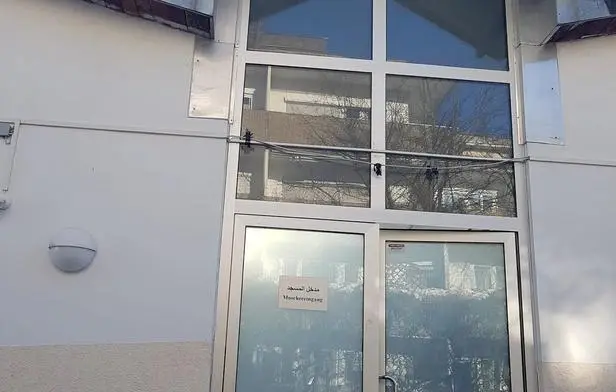
The report examined the case of the Stadt Mosque in the city of Rosenheim in the state of Bavaria, which hosted a number of preachers whom the Bavarian Office for the Protection of the Constitution places within what it describes as the militant Islamist spectrum.
Although the mosque is not currently under official surveillance, the office confirmed that it is closely following developments in the activities of the association that oversees it.
Implications for Naturalisation Applications
German lawyer Martin Heising, who defends Islamic associations that contest intelligence agencies' classifications, criticised the haste in extending suspicion of a preacher to the entire congregation of a mosque.
He pointed to cases in which Muslims faced difficulties obtaining German citizenship because of their links to certain mosques, stressing that attending a mosque alone should not be considered evidence of adopting extremist ideas.
The 2025 annual report of the Bavarian Office for the Protection of the Constitution classified a number of mosques in the cities of Munich, Augsburg, Neu-Ulm and Buchheim as influenced by the Salafist current.
A Prayer for Palestine Under Security Review
The report referred to a sermon delivered by Saudi preacher Abdullah al-Musleh at the Stadt Mosque about ten months earlier, which included a prayer for Muslims in Palestine and elsewhere.
The police referred the content of the sermon to the competent criminal authority to examine whether it contained statements punishable by law, while experts noted that no clear connection could be drawn between the phrases it contained and any specific extremist group.
The mosque's administration rejected interpreting the prayer as incitement to violence, explaining that the sermon also called for love, brotherhood and mercy, and that the prayer was intended as a request for divine help for those who seek good in accordance with their religious beliefs.
The mosque's administration affirmed its commitment to the German Basic Law, its respect for the security services, and its rejection of positions opposed to the constitution.
The report highlighted concerns that the consequences of security classifications of mosques may extend to worshippers in general, even in the absence of evidence that they personally adopt the ideas that arouse the authorities' suspicion.


